100-Yen Slotted Pots vs Regular Planters: Real Drainage Tests for Soggy Soil
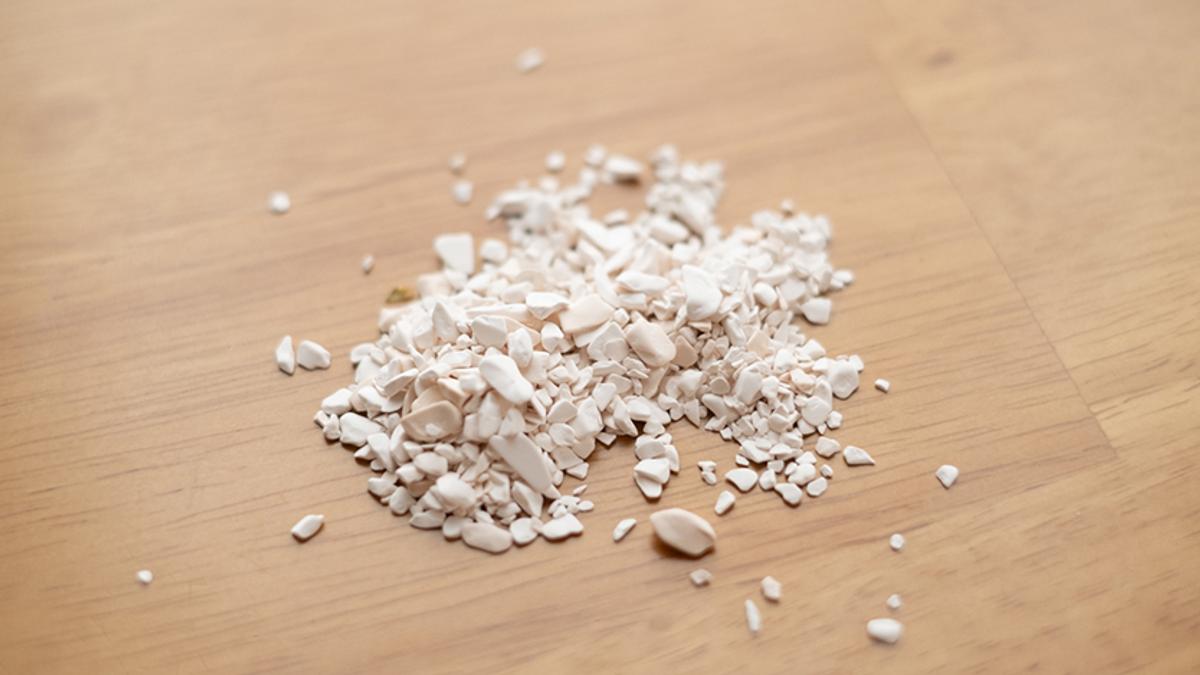
Indoor plant soil that refuses to dry out is the single most common killer of container greenery. When water pools around root systems for more than ten consecutive days, oxygen starvation sets in, decaying sensitive root hairs and creating an ideal breeding habitat for pests. According to an investigative home lifestyle report by ルーミー Report, indoor growers facing early-summer pest blooms traced recurring swarms directly back to persistently wet conventional potting mixes, prompting a consumer shift toward alternative substrate materials derived from repurposed ceramics.
At the center of this problem sits the perched water table, a physical layer of saturation that naturally settles at the bottom of standard nursery pots. Retail planters with a solitary center drain hole often trap stagnant liquid, suffocating plants even under proper room temperatures. Recent consumer testing across budget retail items has focused on two specific fixes: 110-yen slotted plastic containers and recycled ceramic granules designed to speed up evaporation without forcing an immediate emergency repot.
💡 At a Glance:
- The Core Hazard: Houseplant soil not drying past day seven creates hypoxic zones that accelerate fungal rot and insect reproduction.
- The Tested Remedy: Budget slotted pots sold at Daiso and Seria drain peripheral perched water three times faster than standard plastic nursery containers.
- The Substrate Shift: Crushed, recycled ceramic potting medium eliminates organic feeding grounds for gnats while retaining safe internal moisture.
Why Indoor Potting Soil Refuses to Dry
Soil dries indoors through two mechanisms: plant transpiration and atmospheric evaporation. When an indoor plant receives inadequate foot-candles of light, transpiration drops to near zero. The plant stops drinking. Meanwhile, high indoor humidity and stagnant living-room air keep surface evaporation sluggish. Standard commercial potting soil consists mostly of peat moss or coco coir. Both materials hold tremendous amounts of water by volume. While great for outdoor garden beds baking in direct sunlight, dense peat collapses inside an apartment, filling air pockets with water.
Classic overwatering signs manifest quickly. Lower leaves turn pale yellow while remaining soft rather than crisp. Edges develop brown, water-soaked patches. The base of the stem feels soft to light pressure. An unmistakable sour odor rises from the top layer of dirt. A fungus gnat infestation typically follows, as adult flies lay eggs inside damp, organic topsoil. If the root mass sits in this boggy environment without oxygen, beneficial mycorrhizae die off within 48 hours, leaving pathways open for opportunistic pathogens like Pythium and Phytophthora.
The 110-Yen Slotted Pot Drainage Experiment
To evaluate whether affordable hardware can alter soil drying rates, tests conducted across Daiso and Seria inventory examined the physics of slotted containers. Traditional plastic pots feature flat bottoms with four to five round punctures. Slotted containers, long favored by Japanese orchid and bonsai growers, feature vertical slits cut directly into the side walls and lower corners. These lateral openings break surface tension where liquid normally clings to smooth plastic edges.
A controlled comparison using identical 4-inch volumes of standard peat-perlite houseplant mix highlights the difference. Both containers received 200 milliliters of room-temperature tap water under identical ambient conditions (22°C and 55% relative humidity). The results confirm why horticulturalists rely on air pruning.
| Pot Type & Material | Initial Drainage (0, 5 Mins) | Core Moisture on Day 5 | Full Dry-Down Time |
|---|---|---|---|
| Standard Plastic Pot (Single hole) | 42 ml discharged | 88% saturation (Soggy base) | 12, 14 days |
| 100-Yen Slotted Pot (Side slits) | 86 ml discharged | 44% saturation (Damp sponge) | 4, 6 days |
| Ungrouted Terracotta Pot | 58 ml discharged | 32% saturation (Dry perimeter) | 3, 4 days |
The slotted plastic structure drained twice as much standing water during the first five minutes. The open side slots allow continuous airflow along the outer root perimeter, converting stagnant vertical columns into well-aerated root zones. Crucially, the plant avoids circle-rooting; tips air-prune at the slit edges, stimulating secondary lateral branching throughout the core substrate.
Recycled Ceramic Potting Medium as an Organic Alternative
Hardware improvements address half of the saturation equation; the material holding the roots governs the rest. Rising interest in sustainable plant care has brought discarded, crushed ceramic tableware into horticultural focus. Sintered and crushed into porous granules, this inorganic potting medium functions similarly to pumice or akadama, but with distinct structural advantages.
Traditional organic potting soil decays over 12 to 18 months, breaking down into a fine, compact silt that strangles roots. Crushed recycled ceramic maintains its structural rigidity indefinitely. Water passes straight through macro-pores between individual ceramic chunks, while micro-pores inside the porous fragments absorb just enough moisture to sustain the plant through capillary action. Because this medium contains zero organic matter, fungus gnats cannot feed or lay viable eggs inside it. For plant owners living in sealed, climate-controlled apartments, switching to recycled ceramic removes the underlying food source sustaining indoor insect colonies.
Fixing Stagnant Soil Without Forcing a Full Repot
Uprooting a stressed plant already suffering from moisture overload often causes transplant shock, tearing weakened root strands. You do not need to dump the pot to jumpstart evaporation. Several practical interventions can clear excess moisture safely.
First, run a chopstick or thin wooden skewer straight down into the soil, 2 inches away from the main stem, creating eight to ten vertical air chimneys from surface to base. This breaks compacted crusts and exposes subterranean soil layers to oxygen. Second, unroll plain paper towels or unbleached newspaper and press them flat against the top of the damp substrate, then place the pot base directly on a thick stack of folded towels. The capillary action of dry paper pulls pooled water out through bottom drainage holes within two hours.
Third, adjust ambient airflow. Position an oscillating desktop fan on low speed roughly 4 feet away, aimed slightly above the pot lip. Gentle cross-breezes drop boundary layer humidity on the topsoil, tripling natural surface evaporation rates without chilling the foliage. When the soil finally dries down to baseline, switch to bottom watering houseplants: set the pot in a saucer of water for 20 minutes, allowing capillary absorption from below while keeping the top inch of soil completely dry.
Terracotta, Plastic, and Substrate Engineering Rules
Vessel selection fundamentally dictates how quickly roots dry. The debate between terracotta vs plastic pots comes down to breathability. Unglazed terracotta possesses natural porosity, sweating moisture out through its clay walls. It remains the safest option for drought-adapted species like snake plants, ZZ plants, and cacti. Plastic pots retain water significantly longer because moisture can only escape through bottom holes and the top soil surface. If you prefer lightweight decorative plastic, pair it with coarse amendments.
Any indoor potting mix aeration strategy should incorporate coarse perlite, horticultural pumice, or orchid bark at a minimum 30% volume ratio. Fine peat moss alone compacts under its own weight after three waterings. Integrating perlite soil amendment introduces irregular particle geometries that prevent compaction, establishing reliable drainage channels throughout the container.
Frequently Asked Questions (FAQ)
Q1: How do I know if my soil is waterlogged or just normally damp?
A1: Insert a clean wooden skewer all the way to the bottom of the container. If it comes out dark, wet, and smelling slightly sulfurous after seven days without water, the mix is waterlogged. Normal dampness leaves light soil flecks without a swampy odor.
Q2: Can I drill extra plant drainage holes into existing plastic pots myself?
A2: Yes. Using a standard household drill with a 6mm wood bit or a heated soldering iron, you can bore vertical slots and extra bottom holes into basic plastic nursery pots to mimic dedicated slotted designs.
Q3: Will recycled ceramic potting media provide enough nutrients for plants?
A3: Porous ceramic media are completely inert and do not contain organic fertilizer. When growing in pure ceramic granules or semi-hydroponic mineral setups, add a balanced liquid fertilizer to your water every second or third watering.
Practical Takeaways for Container Care
Houseplant root health depends on physics rather than intuition. Stagnant indoor water is a structural issue caused by container geometry, dense substrate choices, and poor airflow. Upgrading to slotted plastic containers resolves edge saturation, while introducing porous minerals like recycled ceramic or perlite stops soil compaction at the root zone.
Before drenching your plants on a set weekly schedule, probe the pot depth. Clear root zones of stagnant moisture using vertical aeration channels, keep top layers protected from gnat breeding, and match container materials to the natural transpiration speed of each plant.
