16th Kobe Wedding Queens Crowned at Estacion de Kobe: Full Event Recap and City Vision
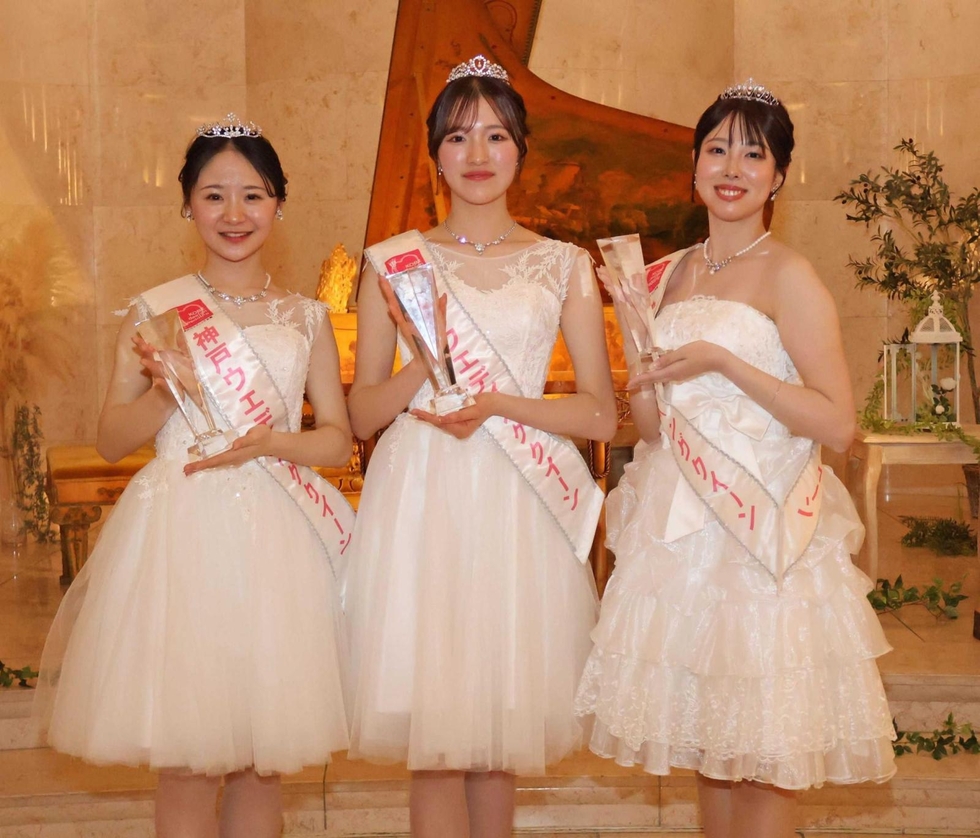
The race to represent Japan's most historic bridal capital reached its peak on March 7, 2026, as three regional ambassadors were crowned at the 16th Kobe Wedding Queen final audition. Held inside the neoclassical halls of Estacion de Kobe in Bentencho, Kobe Chuo Ward, the public showcase gathered eight finalists who competed across poise, regional advocacy, and stage presentation. As detailed in the official 神戸新聞 Report, the judging panel evaluated each candidate's dedication to civic pride before selecting the three titleholders tasked with representing Kobe's multi-billion-yen wedding market throughout the coming year.
Kobe has long maintained a distinct reputation as a romantic getaway, built on early 20th-century foreign settlements, maritime trade, and distinct Western architecture. As regional tourism bureaus work to sustain foot traffic against changing demographic tides, the Kobe Wedding Queen initiative stands out as an active civic bridge between hospitality operators, ceremony venues, and city hall.
📌 Key Takeaways:
- The Selection: Three winners emerged from a pool of eight finalists at Estacion de Kobe on March 7, 2026, claiming the 16th Kobe Wedding Queen title.
- The Venue: Estacion de Kobe, situated in Bentencho, Chuo Ward, served as the centerpiece venue, spotlighting its European-style architecture and grand banquet halls.
- The Mission: The ambassadors will lead municipal bridal promotions, media appearances, and destination marketing campaigns across the Kansai region and overseas markets.
The Port City Campaign to Reignite Regional Bridal Tourism
Post-war Kobe built an enduring reputation around confectionery, fashion, and romantic harbor sceneries. When modern bridal chapels emerged in Japan during the late 1980s, Kobe took the lead by pairing dramatic waterfront backdrops with European-inspired cathedral designs. That identity faces modern headwinds. Japan's total marriage count dropped below 500,000 annually in recent years, prompting municipalities to rethink how they attract couples.
The Kobe Wedding Council, supported by local institutions like the Kobe Shimbun, treats the Wedding Queen competition as an economic initiative rather than a traditional pageant. The goal centers on keeping wedding ceremony halls, independent dress designers, florists, and patisseries commercially viable. The coronation at Estacion de Kobe highlights that municipal resolve. Organizers want couples from Osaka, Kyoto, and Tokyo to view Kobe as an accessible domestic destination wedding hub.
Inside the Final Auditions at Estacion de Kobe
The atmosphere inside Estacion de Kobe on Saturday afternoon combined high-stakes competition with a classical bridal fashion showcase. Eight finalists took the stage before industry judges, civic dignitaries, and gathered spectators. Each finalist received five minutes to demonstrate personal talents, articulate their affection for Kobe, and present a practical concept for municipal promotion.
Presentations spanned musical performances, multilingual speeches, and personal reflections on growing up along the Hanshin coastline. Contestants wore classic western bridal dresses, highlighting lace work and structured silhouettes from local bridal ateliers. Following extended deliberations, judges named the three official winners. The new ambassadors immediately accepted their sashes and tiaras, pledging to share the warmth, scenic beauty, and hospitality of Kobe with couples planning ceremonies throughout 2026 and 2027.
Estacion de Kobe and the Pull of European Chapel Ceremonies
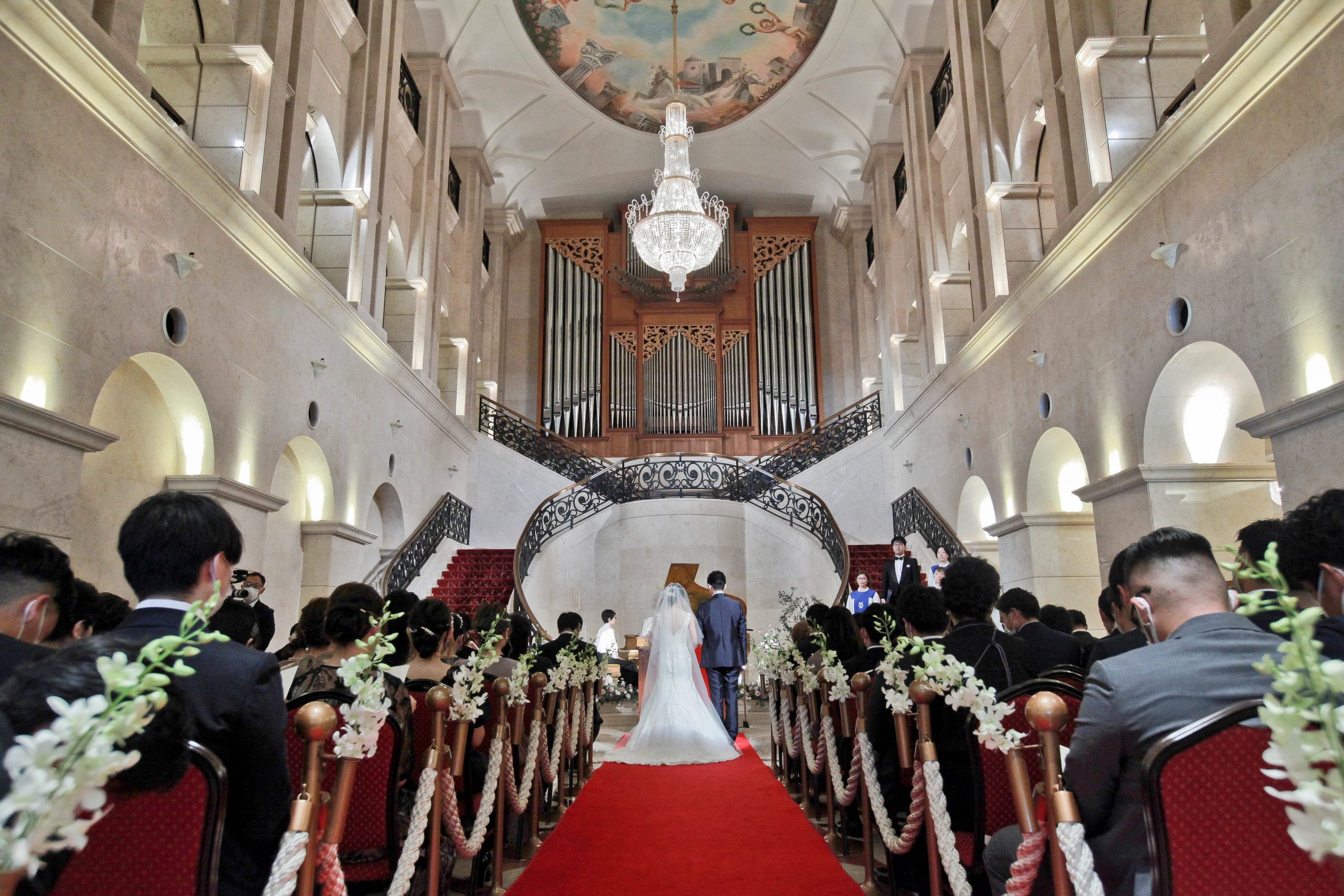
Selecting Estacion de Kobe for the 16th audition underscored the enduring appeal of purpose-built wedding ceremony halls in Japan. Situated along Bentencho in Kobe Chuo Ward, the venue provides an alternative to impersonal hotel ballrooms and rural resort chapels. Its signature draw is an expansive cathedral interior, complete with vaulted ceilings, imported stained glass, and a traditional pipe organ.
Couples choosing a chapel wedding in Kobe generally prioritize dramatic architectural backdrops that provide seamless transitions to banquet hall reception spaces. Estacion de Kobe operates on a multi-floor layout where wedding parties move effortlessly from high-ceiling sanctuary rituals to curated dining rooms overlooking the cityscape. The venue handles everything under one roof: hair styling, ceremonial dressing, portrait photography, and multi-course French-Japanese receptions. For out-of-town guests arriving via JR Kobe Station or Shin-Kobe Shinkansen terminal, its central harbor location eliminates complex logistical transfers.
How Kobe's Wedding Ambassador Program Has Evolved
The Kobe Wedding Queen auditions began as a municipal branding experiment and have transformed into a multi-channel promotional campaign. Over the past sixteen editions, the program shifted from standard beauty contests to hiring civic communicators skilled in video creation, bilingual hosting, and tourism diplomacy.
| Program Era | Core Promotional Focus | Primary Venues & Activities |
|---|---|---|
| 1st, 5th Editions (2010, 2014) | Local event appearances, newspaper advertisements, domestic bridal magazines. | Harborland open-air stages; traditional hotel banquet halls. |
| 6th, 12th Editions (2015, 2021) | Social media content, photo-tourism promotions, Kansai regional TV spots. | Kitano Ijinkan historic homes, Port Tower seasonal events. |
| 13th, 16th Editions (2022, 2026) | Inbound international travel packages, pre-wedding photography, lifestyle branding. | Estacion de Kobe, Rokko Mountain resorts, waterfront venues. |
The financial scale of regional weddings changed in parallel. While average wedding sizes contracted from 65 guests down to 40, 48 guests between 2019 and 2026, per-guest food expenditures climbed by nearly 18%. Couples invest more heavily in artisanal menus, vintage gowns, and boutique venues over standardized packages.
Changing Japanese Bridal Demographics in 2026
The bridal industry across Japan currently navigates two distinct trends: couples forgoing ceremonial banquets altogether (commonly termed nashikon) and couples spending generously on intimate, high-production micro-weddings. The latter trend fuels venues like Estacion de Kobe. Rather than inviting 100 casual acquaintances, modern couples bring 30 close family members and friends, spending the saved budget on premier wine pairings, personalized gifts, and multi-day harbor hotel stays.
Photography drives decisions more than ever. The rise of foreign inbound tourists booking pre-wedding photo tours in Kobe's old foreign settlement (Kyukoryuchi) created an unexpected economic channel. Couples from Taiwan, Hong Kong, Singapore, and Australia travel to Kobe specifically for photography packages that combine preserved Western brick facades with the city's coastal port. The Wedding Queens serve as visual ambassadors for these campaigns, demonstrating how contemporary dresses pair with Kobe's historical backdrops.
Frequently Asked Questions (FAQ)
Q1: What responsibilities do the Kobe Wedding Queens handle during their term?
A1: Selected ambassadors serve a one-year tenure, appearing at municipal tourism events, commercial bridal expos, charity showcases, and civic parades across Hyogo Prefecture. They also lead online promotional campaigns produced in collaboration with local media outlets like the Kobe Shimbun.
Q2: Where is Estacion de Kobe located, and what sets it apart from typical wedding venues?
A2: Estacion de Kobe is located at Bentencho in Kobe Chuo Ward, within short walking distance of JR Kobe Station. It stands apart through its independent cathedral-scale architecture, high ceilings, classical European décor, and full-service banquet facilities housed in a dedicated wedding facility.
Q3: Can foreign or non-resident couples book ceremonies at Estacion de Kobe?
A3: Yes. Estacion de Kobe accommodates destination couples and foreign visitors, offering bespoke chapel ceremonies, specialized photo-wedding packages, and banquet receptions with English-language coordination assistance upon request.
The Next Chapter for Kobe's Bridal Identity
Crowning the 16th Kobe Wedding Queens at Estacion de Kobe demonstrates how a city can revitalize an established local industry through focused regional identity. By connecting its historic architectural legacy with forward-looking tourism promotion, Kobe refuses to let its storied bridal culture fade into memory. Over the coming year, the three newly crowned ambassadors will carry that message into civic halls, regional festivals, and global travel expos, proving that the port city remains one of East Asia's most enchanting places to say "I do."
