Akita's Heritage Cafe Movement Expands: New Openings and Cultural Hubs for 2026

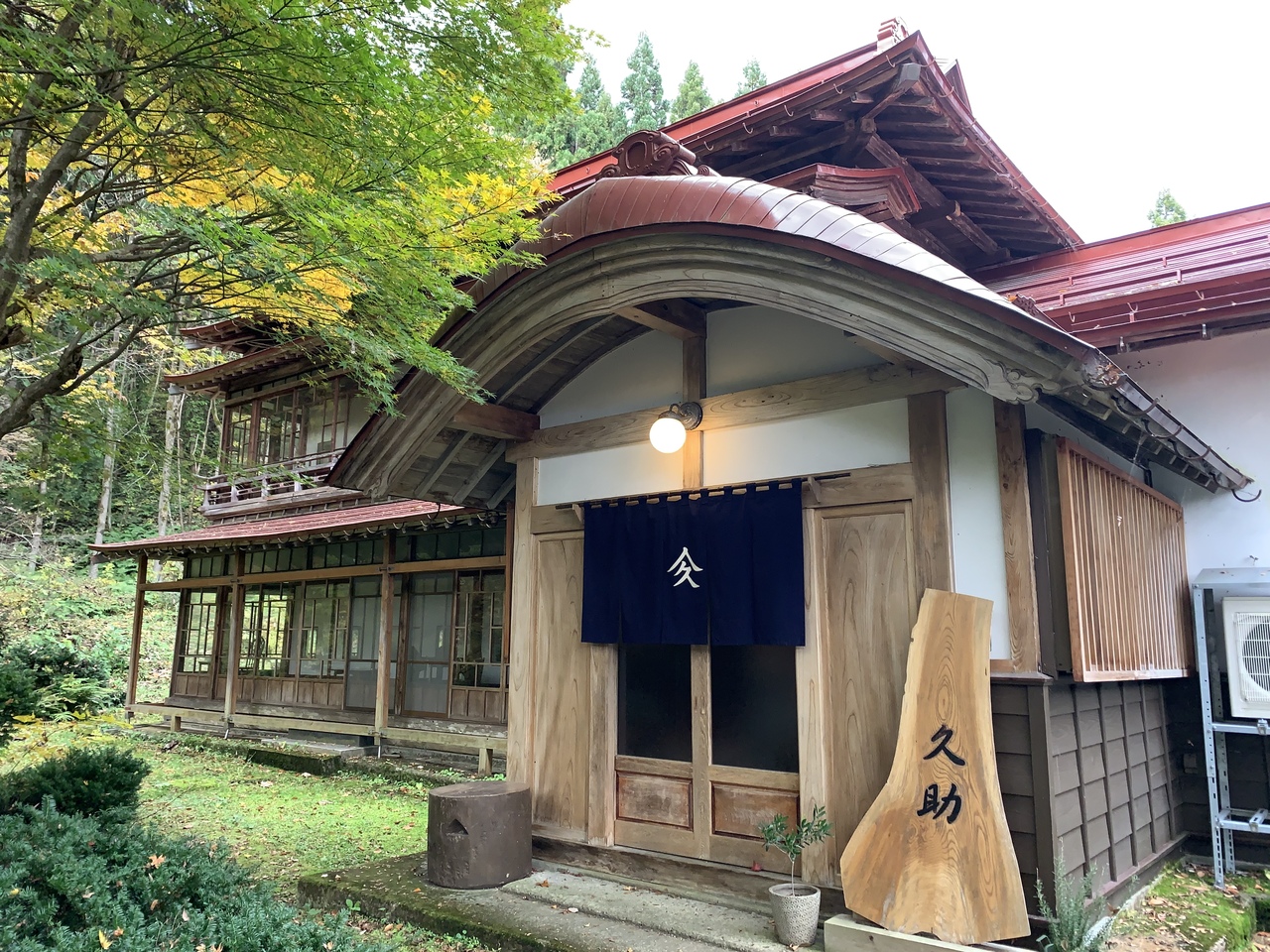
Thick cedar beams blackened by decades of hearth smoke are no longer slipping into quiet decay across northern Japan. In Akita Prefecture, carpenters and young roasters are stripping away corrugated sheet metal to reveal centuries-old timber frames, turning neglected residences into vibrant culinary outposts. These converted structures, known as kominka, now serve as frontline defenses against rural depopulation, drawing urban escapees and international rail travelers deep into the snow country of northern Honshu.
The cultural pivot runs deeper than specialty pour-overs served on tatami mats. Across Japan, traditional wooden buildings are being repurposed to address acute societal shifts, combining hospitality with elderly care networks and animal welfare. As documented by a recent 楽天Infoseek Report detailing how social welfare operators use converted folk houses and regional therapy dogs to dismantle social isolation, the modern kominka cafe has evolved into a vital cultural community hub where regional heritage directly supports civic life.
📌 Key Takeaways:
- Architectural Revival: More than 40 timber-framed folk houses across Akita have been surveyed, structurally stabilized, and repurposed into independent cafes and cultural spaces between 2024 and 2026.
- Hyper-Local Menus: Outposts in mountain hamlets like Ani pair indigenous Matagi hunting ingredients and fermented preserves with artisan specialty coffee.
- Preservation Economics: Public rural revitalization grants cover up to 50% of structural stabilization costs, keeping historic machiya restoration viable despite brutal winter heating demands.
From Abandoned Timber to Living Architecture Across Akita
Akita Prefecture loses roughly 1.5% of its population annually. That demographic drain leaves behind thousands of vacant wooden homes, particularly the distinctive L-shaped magariya farmhouses where families once lived under the same roof as their workhorses. Rather than watching these structures collapse under heavy winter snow loads, a coalition of local woodworkers, returning natives, and independent hospitality operators is orchestrating a widespread kominka cafe renovation movement.
Restoring an Akita heritage farmhouse requires specialized joinery knowledge. Traditional carpenters use interlocking Japanese cedar and keyaki (zelkova) timbers fitted without nails, designed to flex under seismic movement and snow pressure. Modern conversion teams insulate these cavernous roofs with recycled cellulose, install floor-level radiant hydronic heating beneath restored cedar planks, and insert discreet double-glazed sash windows. The result preserves the raw tactile beauty of hand-planed post-and-beam frames while making the sub-zero winters tolerable for visitors seeking authentic Tohoku slow travel destinations.
Hunter Kitchens and Single-Origin Roasts in Ani Neko
Deep along the gorges of the Akita Nairiku Inland Trail line lies Ani, historically home to the Matagi, Japan's traditional winter bear hunters. In settlements like Ani Neko, young culinary transplants have joined forces with retired hunting guides to convert hillside farmsteads into experimental kitchens. These venues challenge the conventional tearoom aesthetic with wood-burning iron stoves, hanging iron kettles (tetsubin), and menus driven by seasonal mountain foraging.
Here, local gastronomy combines slow-simmered venison broths, pickled wild fiddlehead ferns, and charred rice cakes coated in sweet walnut miso. Alongside these ancient staples, baristas pull light-roast espresso shots sourced from direct-trade micro-lots. The collision of bitter single-origin Ethiopian beans with the earthy, mineral-rich mountain fare demonstrates how regional Japanese cuisine continues to adapt without surrendering its local lineage.
Restoring Kakunodate’s Merchant Machiya and Samurais’ Outer Quarters
Sixty miles south of Ani, the historic town of Kakunodate presents a very different architectural challenge. Famed for its preserved Edo-period samurai residences bordered by weeping cherry trees, the town’s outer commercial district (machinami) contains historic machiya merchant houses built during the Meiji and Taisho eras. Unlike isolated farmhouses, these long, narrow townhouses shared partition walls and held retail storefronts upfront with residential compounds behind.
Operators here are turning these deep interiors into meditative spaces that balance a traditional tea house experience with contemporary art displays. Sliding paper shoji screens open onto enclosed courtyard moss gardens (tsuboniwa), filtering soft northern daylight across tatami seating areas. Local artisans supply the cafes with hand-carved cherry bark woodwork (kabazaiku) for serving trays and tea caddies, reinforcing an economic loop that sustains the town's remaining heritage guilds.
Comparative Overview: Heritage Cafe Typologies in Akita
| Cafe Typology | Primary Architecture | Average Conversion Cost | Culinary Focus |
|---|---|---|---|
| Mountain Magariya (Ani / Kitaakita) | L-shaped thatch/timber farmhouse with open dirt floor (doma) | ¥14M, ¥22M ($95,000, $150,000) | Wild game, mountain vegetables (sansai), fire-roasted coffee |
| Merchant Machiya (Kakunodate / Yokote) | Narrow two-story post-and-beam townhouse with inner courtyard | ¥18M, ¥28M ($120,000, $190,000) | Ceremonial green teas, fermented sweets, single-origin pour-overs |
| Plain Farmhouse (Daisen / Oga) | Square single-story timber frame with exposed ceiling trusses | ¥9M, ¥16M ($60,000, $110,000) | Sourdough baking, fermented rice koji desserts, seasonal cold brews |
Acoustic Sanctuaries and Social Welfare Hubs in the Snow Country
Winter in Akita is quiet. Snow cushions all ambient noise, dropping decibel levels to near absolute silence. Recognizing this natural acoustic environment, several cafe developers have transformed spacious folk houses into designated listening rooms. High-efficiency tube amplifiers and vintage horn speakers rest on polished zelkova floorboards, providing clear, uncompressed jazz and classical playback to customers working remotely or reading by kerosene heaters.
At the same time, operators are widening their mission beyond tourism. With Japan's rural population aging rapidly, these cafes regularly host municipal wellness pop-ups, craft workshops, and local farmers' markets. In several northern districts, cafe properties have integrated canine interaction runs featuring native Akita dogs, creating an intergenerational meeting space where neighborhood seniors and visiting travelers share conversations over lunch. This hybrid model prevents historic preservation projects from turning into hollow museum pieces.
Navigating the Northern Rail Lines for Slow Travel
Accessing these architectural cafes requires slowing down. The single-track Akita Nairiku Jukan Railway cuts straight through the prefecture's mountainous spine, linking Takanosu in the north with Kakunodate in the south across 29 scenic stations. Trains run at leisurely intervals, giving passengers panoramic views of terraced rice paddies and frozen river valleys.
Most mountain cafes operate within a short walk or taxi ride from rural stations along this corridor. While bullet trains whisk travelers between Tokyo and Akita City in under four hours, exploring these converted folk houses rewards those willing to navigate regional bus lines and local timetables. Visiting during the shoulder months, late April for the mountain snowmelt and cherry blossoms, or October for the turning maple leaves, offers the ideal balance of open roads and vibrant seasonal menus.
Frequently Asked Questions (FAQ)
Q1: Do I need to book reservations in advance for Akita’s rural kominka cafes?
A1: Yes, especially for mountain venues like those in Ani and outer Kakunodate. Many kitchens prepare limited daily lunch sets based on freshly harvested or foraged ingredients, and popular spots frequently sell out by 1:00 PM. Booking through their official social media accounts or hotel concierges one to two days ahead is strongly advised.
Q2: Can travelers easily reach these locations without renting a car?
A2: Destinations along the Akita Nairiku Inland Railway and the JR Ou Main Line are accessible on foot or via short local taxi rides from stations. However, visiting remote hamlets in the Oga Peninsula or deep Ani mountains becomes significantly easier with a rental vehicle, particularly between December and March when winter train schedules may experience weather delays.
Q3: Are these heritage cafes warm enough during Akita’s severe winter months?
A3: Modern renovations completed between 2024 and 2026 typically incorporate subfloor heating, insulated ceilings, and high-output wood pellet stoves. While the ambient air is comfortable, traditional etiquette still requires removing outdoor footwear at the entry hall (genkan), so bringing thick wool socks is essential for walking on historic wooden floors.
What Lies Ahead for Akita’s Built Heritage
The survival of northern Japan's historic folk architecture depends entirely on economic utility. Preserving empty farmhouses as static monuments is financially unsustainable for depopulated municipalities. By transforming vacant timber structures into functional coffee shops, acoustic listening rooms, and culinary workshops, independent owners are establishing a viable template for rural revival.
These cafes do not attempt to recreate the past as historical theater. Instead, they accept modern espresso machines, double-pane glass, and contemporary audio equipment alongside hand-hewn cedar beams and soot-stained hearths. In doing so, they ensure that Akita's architectural legacy remains an active, lived-in component of the northern landscape rather than a fading memory.
