Anatomy of a Perfect Strawberry Slice: Step-by-Step Visual Reference for Digital Illustrators
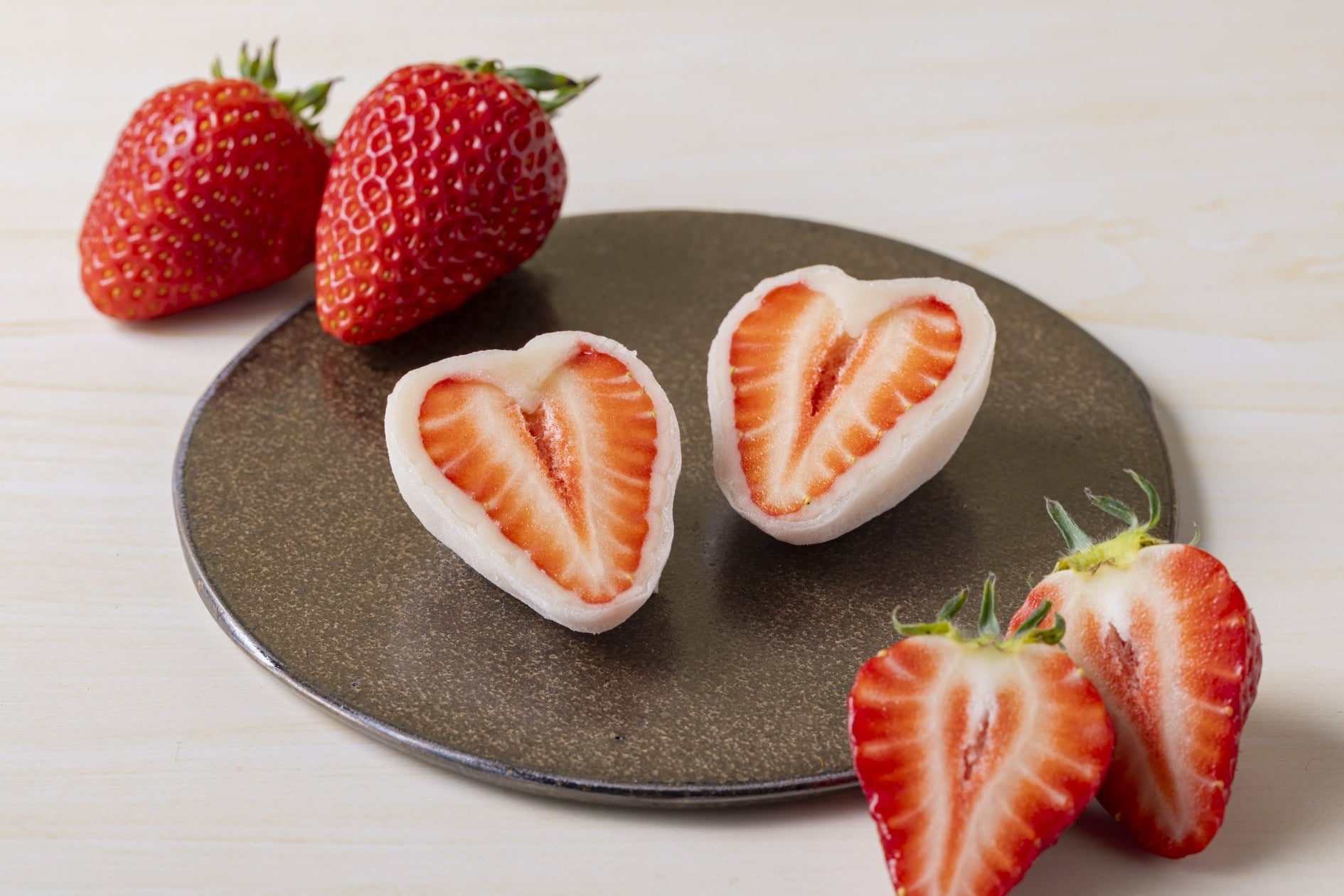
Culinary illustration feeds on precision. Social feeds and dessert menus across Tokyo and New York have seen a surge in cross-sectional fruit visuals, spurred by confectionary trends like Hiromaru Cook's heart-patterned rare cheesecake covered in an MSN Report. When Nagoya patisserie Benzaiten introduced thread-sliced daifuku revealing heart-shaped strawberry interiors for their seasonal runs, visual artists took note. Drawing a sliced strawberry looks deceivingly simple until you sketch a flat red oval, scatter random dots, and realize it looks like a tomato.
Accurate cut fruit aesthetic reference demands an understanding of inner plant biology. The edible bulk is an enlarged receptacle, not a botanical berry. Getting the core vascular bundles, pulp gradients, and seed alignments right separates amateur vector stamps from rich commercial assets.
📌 Key Takeaways:
- Botanical Architecture: A true cross section features three distinct zones: the pale central pith, radiant primary vascular bundles, and a pigment-dense outer cortex.
- The Heart-Shape Geometry: Longitudinal cuts through the median axis expose the bilateral symmetry popular in Japanese cafe menus and contemporary food vectors.
- Achene Alignment: Seeds sit in surface depressions rather than inside the pulp, tethered to internal conduits that guide your rendering strokes.
How Bakery Trends Sparked the Digital Fruit Cross-Section Boom
The obsession with food cross sections, known widely across social media as danmen (断面), shifted from niche photography to digital editorial design between late 2024 and 2026. On Japanese social channels, viral fruit sandwich tutorials showcase strawberries sculpted into symmetrical hearts alongside kiwi slices. Premium confectioners turned the internal silhouette of Fragaria × ananassa into a brand hallmark. In late 2025, luxury mochi maker Benzaiten commercialized dedicated sets for Japan's Good Couples Day, providing customers with specialized cutting string to reveal precise heart-shaped slice geometries. In April 2026, convenience giant FamilyMart anchored its sustainable farm initiative around strawberry ice formulations that emphasize cross-sectional fruit integrity.
Digital illustrators on Procreate and Adobe Illustrator quickly adapted these culinary trends for packaging, cafe branding, and sticker packs. Recreating that mouthwatering look requires more than picking a bright crimson brush. Commercial clients look for freshness cues: subtle moisture sheen, cellular translucency near the core, and accurate seeds.
Mapping Internal Fruit Architecture: Pith, Bundles, and Cortex
Treating a strawberry cross section drawing like solid red pulp ruins structural depth immediately. A vertical bisection reveals three distinct botanical zones, each possessing its own color profile and light absorption rate.
The core consists of the central pith (medulla). In varieties like Amaou or Tochiotome, this core ranges from pale ivory to soft coral. It is spongy, low in anthocyanin pigments, and often contains subtle fibrous fissures or an occasional hollow cavity near the stem end.
Branching out from the core are primary vascular bundles. These delicate strands appear as pale, starburst rays extending from the pith toward the surface. They do not travel in straight lines; they arch outward like structural ribbing.
The exterior perimeter is the cortex. This outer ring holds the highest concentration of crimson pigment and moisture. When executing strawberry pulp shading, your deepest reds belong here, tapering inward toward the milky, lighter center. Overlooking this inward transition leaves the fruit looking synthetic and rubbery.
| Structural Layer | Botanical Role | Color Value & Rendering Technique | Common Illustrating Mistake |
|---|---|---|---|
| Central Pith (Medulla) | Spongy central tissue carrying early nutrient supplies. | Off-white to light blush (#FFF3EB); stippled dry brush or chalk texture. | Filling the entire slice with solid saturated red. |
| Vascular Bundles | Transport conduits delivering hydration directly to individual achenes. | Feathered cream lines (#FFE6E8); radial strokes trailing outward from the core. | Drawing sharp mechanical stripes like wheel spokes. |
| Outer Cortex | Dense fleshy zone containing primary sugar and anthocyanin storage. | Deep scarlet to ruby (#D61C2C); wet blend brush with high color saturation. | Omitting the dark 1-millimeter rim immediately under the skin. |
| Achenes (True Seeds) | Individual ovaries anchored along the exterior epidermis depressions. | Ochre to golden green (#B59A32); tear-shaped silhouettes with soft drop cast. | Painting black ovals inside the interior flesh zone. |
Mastering Slice Geometry: Symmetrical Hearts versus Flat Wedges
Every cut fruit aesthetic reference starts with cross-sectional orientation. A fruit cut along its longitudinal plane (from stem calyx down to apical tip) forms a natural heart shaped strawberry slice. The slight indentation left when removing the green leafy hull creates the two upper lobes.
If your composition demands a crosswise, transverse slice, like one floating inside a cocktail glass, the form changes to an imperfect circle or pentagon. The vascular rays in transverse cuts spread out like an irregular starburst rather than two arched wings.
For commercial packaging or restaurant menus, longitudinal heart cuts yield immediate appetite appeal. Artists preparing vector assets should build the silhouette with bezier curves using slight asymmetries. A computer-perfect mathematical heart looks sterile. Subtly flattening one shoulder or skewing the tip brings organic realism to life.

Achene Placement: The Real Science of Strawberry Seeds
The small specks on a strawberry are its actual fruit, called achenes. Each contains a single seed. In an accurate fruit anatomy illustration, seeds never float aimlessly inside the red interior meat. They reside exclusively along the outer skin line.
When drawing a bisected cut, artists only see achenes profile-sliced along the extreme outer edge. Each seed rests in a shallow pocket. The surrounding fleshy skin bulges slightly around it, creating micro-shadows.
Color conveys ripeness. Underripe achenes display chartreuse or pale sage hues. Ripe achenes turn golden amber, and sun-drenched varieties shift toward dark mahogany. Adding a faint hairline vascular strand connecting the underside of each exterior achene back to the pith anchors the seed naturally into the composition.
Layering Color, Translucency, and Texture in Procreate
Building rich digital painting food art requires a structured layer workflow. Whether you work in Procreate, Clip Studio Paint, or Photoshop, combining solid flat vectors with raster brushes delivers the best balance of clean silhouette and juicy tactile detail.
First, block out your base silhouette on Layer 1 using a deep carmine base (#C71D28). Create a clipping mask on Layer 2 and lay down the central pith using a soft, chalky brush set to cream (#FFF1E8). Avoid a solid oval; paint an inverted wishbone shape following the slice contours.
On Layer 3, sketch the vascular rays. Select a fine liner or specialized strawberry texture brush set to 40% opacity. Pull quick, radial strokes from the pith toward the rim. Blend the edges using a damp blending tool so the fibers feel submerged beneath glossy fruit juice rather than painted on dry paper.
Layer 4 controls cellular pulp shading. Freshly sliced fruit cells catch light, creating subtle sparkle. Scatter faint, pale pink speckles along the vascular zones. Finish on Layer 5 with ambient highlights: apply an ultra-thin line of pure gloss along the cut boundary using a hard airbrush set to Color Dodge at 25% opacity to emulate surface tension from fresh fruit moisture.
Style Adaptation: Technical Botanical Vectors versus Painterly Editorial Art
How you balance botanical fidelity against stylized simplicity depends heavily on project scope. A vector diagram for an agronomy guide demands strict structural accuracy. A cafe logo or menu illustration needs quick, appetizing readability.
For botanical fruit vector artwork, limit your palette to six distinct spot colors. Keep vascular channels readable by turning complex tissue textures into clean, concentric strokes. Use crisp anchor points and maintain strong contrast between the central pith and cortex so the graphic scales down cleanly to mobile icon sizes.
For editorial and story illustrations, texture leads the eye. Painterly rendering benefits from visible brush grain, varied edge sharpness, and warm bounce lighting. Introducing cool lilac tones into the deep shadows keeps the crimson tones from looking flat or muddy on screen.
Frequently Asked Questions (FAQ)
Q1: Why do strawberry cross-section drawings often end up looking like tomatoes or watermelon slices?
A1: This usually happens when artists scatter black seeds randomly across the middle of the pulp. Strawberries only hold seeds along their exterior surface. Tomatoes carry gel-coated seeds in internal pockets, and watermelon flesh is dotted with internal seeds. Keeping the interior free of floating seeds and incorporating a pale central core immediately preserves the strawberry identity.
Q2: What brush settings work best for creating the moist, fibrous texture of sliced pulp?
A2: Combine a coarse dry-gouache or sponge brush for the base pith with a soft rake or grain brush for the vascular bundles. Lower layer opacity to between 30% and 50%, gently pulling radial strokes outward. Add a wet acrylic blender across the edges to simulate liquid diffusion across cut plant cells.
Q3: Should the central pith always be rendered pure white?
A3: Avoid pure #FFFFFF. Fresh strawberry pith has a creamy undertone tinted with pale yellow, blush, or soft peach. In overripe fruit, anthocyanin bleeds into the core, turning the pith soft pink. Reserve pure white exclusively for pinprick specular highlights that show off surface fruit juice.
Key Reference Techniques for Modern Food Illustrators
Clean food illustration balances biological truth with sensory appeal. While modern cafe trends popularize symmetrical, heart-cut profiles, grounding your artwork in structural anatomy, distinguishing the pale core, radiant vascular bundles, and surface achene pockets, transforms flat shapes into mouthwatering illustrations. Keep your seed placements along the rim, soften your transitions into the central pith, and paint with juicy, varied color values.
