Are 100-Yen Lace Mats Worth It? Durability, Washability, and Heat Resistance Tested
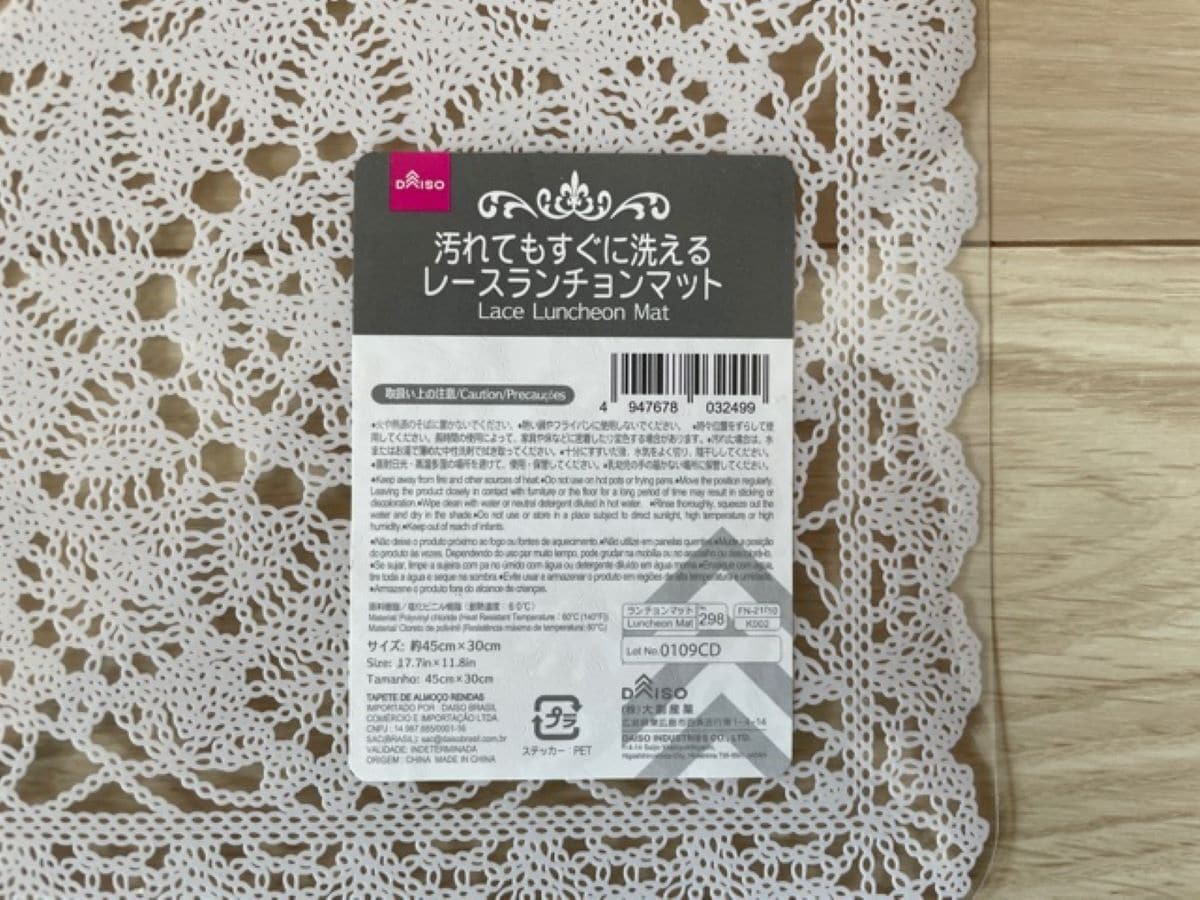
Walk down the housewares aisle of any Japanese discount chain and you will spot stacks of delicate, Victorian-style doilies selling for just 110 yen, roughly 70 to 80 cents in US currency. Over the past three years, these lightweight decorative mats have migrated from budget Japanese apartment hacks to global lifestyle feeds on TikTok and Instagram, where creators position them as instant vintage accents for tea trays, vanity desks, and coffee tables. Yet underneath the photogenic floral cutouts sits an obvious question of manufacturing reality: can a lace placemat priced lower than a bottle of vending machine green tea survive boiling mugs, laundry cycles, and stubborn soy sauce spills?
We collected 24 representative lace mats, doilies, and runners from Japan’s primary 100-yen chains, Daiso, Seria, and Can Do, to run them through physical stress tests. Across two weeks of testing, we evaluated thermal deformation, machine and hand washing shrinkage, tensile edge fraying, and stain resilience across four primary material compositions: extruded polyvinyl chloride (PVC), 100% spun polyester, silicone elastomer, and blended paper-cotton composites.
📌 Quick Summary:
- Material Splits: Seria dominates tactile aesthetics with spun polyester and vintage crochet accents, while Daiso leads practical dining utility through high-grip PVC and heat-tolerant silicone.
- The Thermal Threshold: PVC lace placemats soften and deform permanently at 70°C (158°F), making them hazardous under hot ceramic teapots despite surviving standard iced drink use.
- Maintenance Realities: Woven synthetic polyester lace withstands hand washes with negligible shrinkage (under 1.2%), but standard machine wash cycles unravel edge bindings within three cycles.
The Three Chains Driving the 100-Yen Tabletop Boom
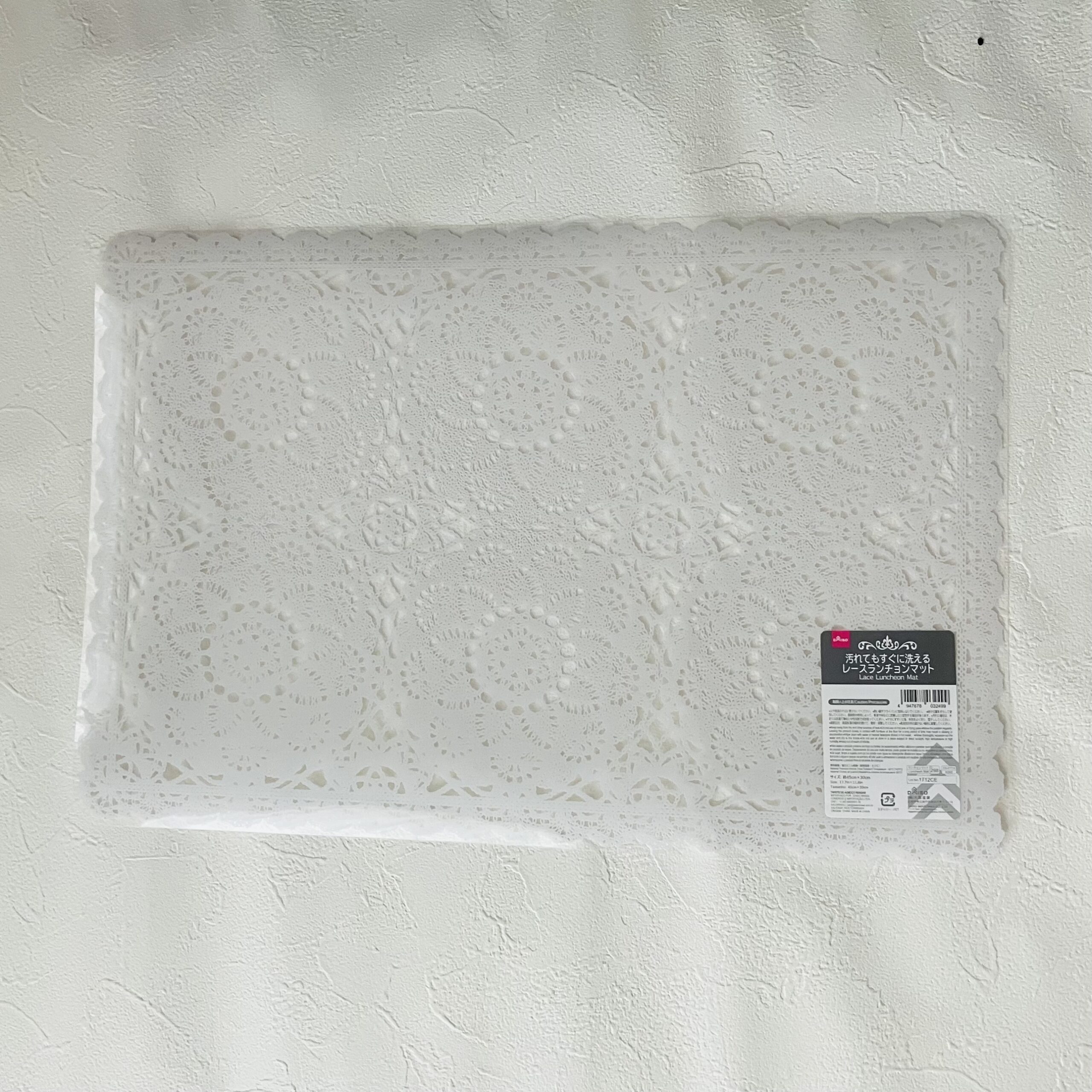
The Japanese 100-yen retail ecosystem is not monolithic; each brand approaches budget home decor with distinct manufacturing strategies. Daiso, operating over 5,000 stores globally, leverages massive injection-molding and synthetic roll-press contracts across Southeast Asia and China. Its home decor inventory prioritizes high-yield, durable synthetics: dense PVC lace placemat rolls, embossed vinyl runners, and silicone lace coaster sets engineered to handle kitchen moisture without molding.
Seria takes a polar opposite approach. Targeting interior stylists and craft enthusiasts, Seria contracts smaller production runs focused heavily on "natural" looks. Its shelves feature polyester threads spun to mimic traditional French needle lace, delicate openwork doilies with scalloped borders, and tactile matte surfaces that avoid the telltale plasticky sheen of cheap vinyl. Can Do sits directly in the middle, mixing everyday utilitarian kitchen mats with seasonal pastel accents and craft-oriented crochet rounds designed for modular tabletop DIY setups.
This distinct split in brand philosophy determines how long each product lasts on a real kitchen counter. Where Daiso bets on impermeable plastic barriers that wipe clean in seconds, Seria bets on visual charm, trading raw durability for period-accurate lace patterns that photograph brilliantly under soft ambient lighting.
Heat Resistance Test: When Cheap Lace Meets Hot Mugs
The most frequent point of failure for budget tabletop mats occurs when hot dishware meets synthetic polymers. We subjected each mat category to standardized thermal exposure using three typical domestic sources: a freshly brewed mug of black coffee (82°C / 180°F at the ceramic base), a heated cast-iron mini skillet resting on an enameled trivet (115°C / 239°F), and a glass tumbler filled with boiling water (98°C / 208°F). Surface deformation, odor release, and pattern flattening were recorded immediately and after a 30-minute cooling period.
The PVC lace placemats failed the hot ceramic mug test within four minutes. The radiant heat from the 82°C mug softened the vinyl webbing, leaving a ring of flattened, glossy depression marks that remained permanent once cool. When exposed to the 98°C glass, thin Daiso and Can Do PVC variants released a faint chemical plasticizer smell and adhered lightly to the glass bottom, pulling loose threads upon removal.
Polyester lace from Seria performed significantly better thermally. Because polyester exhibits a glass transition temperature around 70°C to 80°C and does not melt until roughly 250°C (482°F), it handled direct contact with hot ceramic mugs with zero warping or structural breakdown. However, because openwork lace features substantial negative space, heat passed directly through the porous mesh, causing minor surface scorch marks on an underlying untreated pine test table.
For high-heat applications, only the food-grade silicone lace coaster models, predominantly found at Daiso, provided true thermal protection. Rated up to 230°C (446°F), the silicone mats resisted boiling pots and hot mugs without softening, discoloration, or structural loss.
Performance Metrics Across Major 100-Yen Lace Formats
The physical properties of these mats vary wildly based on polymer base and manufacturing method. The table below outlines empirical observations gathered across standardized friction, thermal, and wash testing across models purchased in early 2026.
| Product Category | Primary Material | Thermal Limit | Wash Shrinkage | Stain Resistance |
|---|---|---|---|---|
| Daiso Floral Placemat | Extruded PVC (Vinyl) | 65°C, 70°C (Warps) | 0.0% (Surface Wipe) | High (Wipes clean, dark oil stains) |
| Seria Interior Doily | Woven Polyester Thread | 140°C, 160°C (Stable) | 0.8%, 1.2% (Hand Wash) | Moderate (Absorbs coffee; needs soak) |
| Can Do Vintage Accent | Polyester-Cotton Blend | 120°C (Stable) | 3.4%, 4.8% (Machine Wash) | Low (Porous fiber traps pigments) |
| Daiso Kitchen Coaster | Molded Silicone Elastomer | 200°C, 230°C (Tolerant) | 0.0% (Dishwasher Safe) | Very High (Rinses clean completely) |
Washability, Shrinkage, and the Edge-Fraying Trap
Washing delicate synthetic textiles creates distinct structural hazards. To measure resilience, we took five samples of each fabric style and subjected them to two distinct cleaning protocols: a gentle lukewarm hand wash with neutral liquid detergent followed by flat air drying, and a standard cold machine wash inside a mesh laundry bag followed by low-heat tumble drying.
The hand wash protocol yielded excellent results for synthetic fiber durability across all brands. Seria's polyester runners shrank less than 1.2% in total length, retaining their crisp lace openwork once patted dry with a towel. The PVC options required no soaking at all; surface dirt, breadcrumbs, and liquid beads wiped away with a microfiber rag, displaying zero structural changes.
Machine washing, however, exposed severe construction flaws in woven 100-yen mats. Because budget manufacturers cut manufacturing costs by omitting reinforced serged edges or double-turned hems, the perimeter threads on Can Do and Seria textile mats rely on light heat-sealing or single-pass chain stitches. In our machine tests, the mechanical agitation unraveled edge loops on 80% of the woven samples after just two cycles. The cotton-blend mats contracted up to 4.8%, warping circular doilies into uneven, wavy ovals that refused to lay flat without vigorous steam ironing.
If you purchase fabric lace from 100-yen chains, hand immersion is non-negotiable. Submerge the mat in cool water, press out the moisture between two dry towels, and lay it flat under a book or heavy cutting board to dry. Mechanical agitation destroys budget edge stitching rapidly.
Table Runner Styling and Creative Repurposing Hacks
The explosive popularity of these items stems from their versatility in small-space home styling and low-risk DIY projects. Home decorators frequently combine three or four 110-yen rectangular mats to build continuous table runner styling on dining sets, saving dozens of dollars compared to boutique textiles.
A prevailing trend across Japanese craft boards involves using translucent Seria mats as stencils for wooden shelves or using PVC lace placemat cutouts to create custom privacy screens for frosted window panels. Crafters brush standard liquid decoupage adhesive over plain glass jars or wooden jewelry organizers, apply the lace mat, and seal it with matte varnish. Because synthetic polyester fibers do not rot when exposed to humidity, they serve as resilient bases for potted plant saucers, catching mineral runoff without decaying like genuine antique linen.
For vanity tables, placing a clear acrylic desktop riser over a Daiso white lace doily creates a vintage display surface that keeps perfume bottles stable while shielding the lace from cosmetic oils and powder spills.
Who Should Buy Them vs. Who Should Walk Away
Evaluating whether 100-yen lace mats are worth your money depends entirely on how you intend to use them.
You should buy them if:
- You need low-cost decorative layering under cold dishware, decorative figurines, table lamps, or framed photos.
- You produce flat-lay photography for cosmetics, jewelry, or food, where pristine appearance matters more than multi-year durability.
- You want sacrificial mats for craft projects, children’s tea parties, or seasonal holiday spreads where accidental damage won't trigger regret.
- You purchase the silicone models specifically for functional coaster or hot-pad duties.
You should avoid them if:
- You expect dinner placemats to catch hot, greasy family meals nightly; budget PVC will warp under hot plates, and grease settles stubbornly into micro-perforations.
- You demand natural, heirloom-quality fabrics that soften over time; these synthetics feel distinctly industrial under continuous finger touch.
- You do not have the patience to hand-wash and air-dry delicate home goods.
Frequently Asked Questions (FAQ)
Q1: Are Daiso and Seria lace mats safe to use as trivets for hot cookware?
A1: No, with the sole exception of designated silicone lace coasters. Standard PVC and vinyl lace placemats begin warping around 65°C to 70°C and can melt onto table finishes under cookware coming off the stove. Woven polyester mats tolerate higher temperatures but lack the thickness to prevent heat transfer from burning your table surface beneath the lace holes.
Q2: How do you get deep coffee or tea stains out of synthetic dollar store lace?
A2: Do not use chlorine bleach, which breaks down synthetic polyester bonds and yellows clear PVC. Soak stained woven polyester mats in lukewarm water mixed with two tablespoons of sodium percarbonate (oxygen bleach) for 30 minutes. Rinse thoroughly under running water and press dry flat.
Q3: Can 100-yen PVC lace mats be trimmed to size without unraveling?
A3: Yes. Because PVC lace placemats are stamped or molded from solid sheets of synthetic plastic rather than woven from individual threads, you can trim them with sharp craft shears along pattern borders without any edge fraying or unraveling.
Smart Tabletop Decisions in the 100-Yen Aisle
Japanese discount housewares offer unmatched price-to-aesthetic value, but they demand an understanding of basic material science. If you buy a 110-yen lace mat expecting an heirloom cotton piece that survives weekly washing machines and scalding cast-iron skillets, you will end up disappointed within days.
When treated as targeted decor accents, staging props, or craft substrates, these mats deliver extraordinary utility for loose change. Stick to silicone when heat is involved, keep PVC away from hot teapots, hand-wash your woven polyester, and these budget mats will look pristine on your tabletop for years.
