Barretos Cancer Hospital Explained: Treatments, Research Programs, and Access
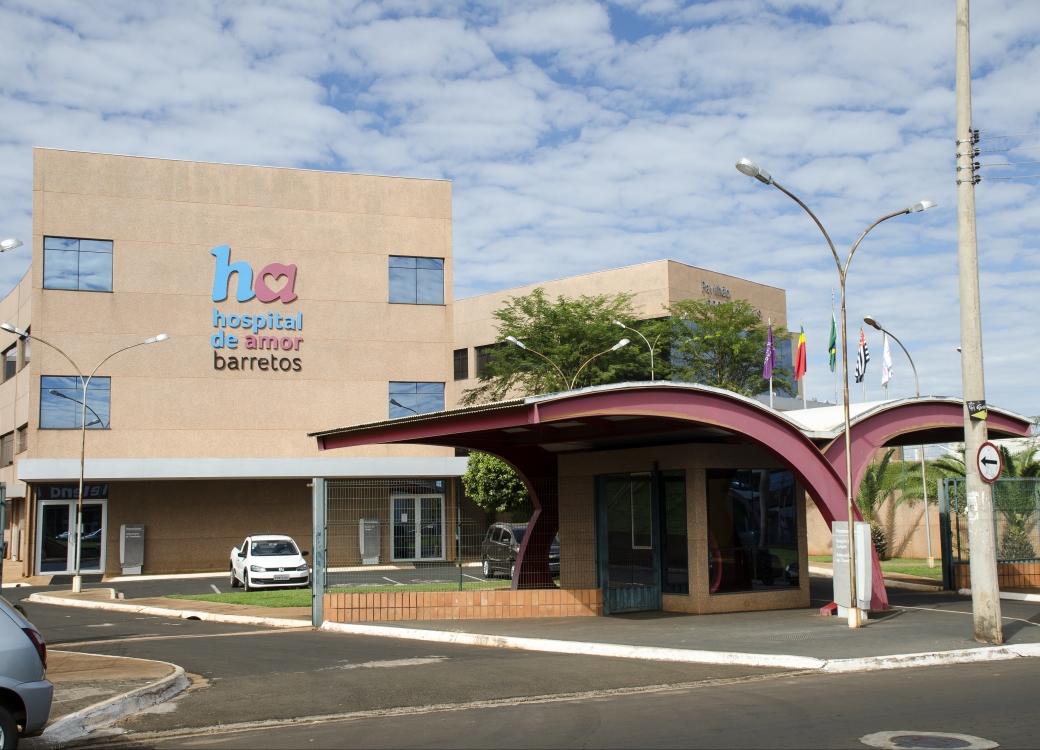
Deep in the agricultural heartland of São Paulo state, roughly 420 kilometers northwest of the capital, lies Barretos, a city known globally not just for its rodeo heritage, but for running the largest philanthropic oncology center in Latin America. Known historically as Hospital do Câncer de Barretos and rebranded in 2017 as Hospital de Amor, the institution delivers comprehensive cancer care entirely free of charge through Brazil’s Unified Health System (SUS). In a healthcare ecosystem where specialized cancer therapy often bankrupts families or gets bottlenecked behind urban waitlists, Barretos operates as an anomaly: an ultra-modern medical complex where socioeconomic status does not dictate survival odds.
Cancer diagnosis in developing countries presents distinct logistical and economic friction points. Late-stage presentation remains a critical driver of mortality across middle-income nations, a systemic challenge highlighted in a recent www.elsevier.com Report on breast cancer early detection frameworks. Hospital de Amor was engineered specifically to short-circuit those barriers, evolving from a modest municipal clinic into a continental reference center that logged more than 1.5 million patient attendances in 2025 alone across its hospitals, prevention institutes, and diagnostics hubs.
📌 Key Takeaways:
- Universal Free Access: The entire treatment pipeline, from PET-CT scans and robotic surgeries to chemotherapy and bone marrow transplants, is provided 100% free through Brazil's SUS public healthcare system.
- Mobile Screening Scale: A dedicated fleet of dozens of mobile cancer screening units travels hundreds of thousands of kilometers annually, running active preventive oncology programs in underserved municipalities.
- Integrated Research & Training: The complex pairs a state-of-the-art molecular oncology research biobank with IRCAD Latin America Barretos, the continent's largest minimally invasive surgery training center.
From Rural Outpost to Continental Cancer Hub
The facility was established in 1962 by two practicing physicians, Dr. Paulo Prata and Dra. Scylla Duarte Prata. Their observation was straightforward: rural agricultural laborers diagnosed with tumors routinely traveled eight hours to São Paulo on wooden flatbed trucks, only to arrive in terminal stages or run out of money before securing a consultation. The Pratas established a clinic based on an absolute operating principle: no patient would ever be turned away, and no patient would ever receive an invoice.
During the late 1980s, their son, Henrique Prata, assumed management. He transitioned the operation from a struggling charity facility into a sophisticated non-governmental entity funded by a mosaic of SUS reimbursements, corporate tax incentives, agro-industrial donations, and massive community fundraising auctions (known across Brazil as Leilões de Direito de Viver). By restructuring how philanthropic revenue backstops public funds, the hospital systematically upgraded its infrastructure to rival private institutions in São Paulo like Hospital Israelita Albert Einstein or Hospital Sírio-Libanês.
The rebranding to Hospital de Amor reflected a clinical philosophy that human dignity must accompany advanced technology. Today, the network comprises multiple specialized hospitals, including dedicated adult treatment units, palliative care facilities, prevention units across six Brazilian states, and specialized pediatric units that match North American oncology infrastructure.
Preventive Oncology and the Mobile Screening Fleet
Preventive oncology programs form the backbone of the Barretos healthcare model. Oncology outcomes in South America frequently suffer because patients enter tertiary hospitals with Stage III or Stage IV disease. Addressing that bottleneck requires bringing diagnostic tools to the patient's doorstep rather than waiting for symptomatic complaints.
Hospital de Amor runs a nationwide fleet of customized mobile screening units, semi-trailer trucks outfitted with digital mammography machines, examination rooms for cervical cytology (Pap tests), minor surgery rooms for skin biopsies, and digital transmission arrays. These units traverse the vast interior of Brazil, traveling across the Pantanal, the Cerrado, and deep into the Amazon basin, screening asymptomatic individuals in agricultural settlements and riverside communities.
Suspicious findings trigger an immediate centralized diagnostic loop. Scans upload directly via satellite or high-speed data networks to the central Barretos imaging pool, where radiologists interpret them using standardized BI-RADS criteria. If a mammogram confirms an early-stage malignancy, the local health department coordinates patient transit directly to Barretos or a regional satellite branch. Catching breast cancer in Stage I rather than Stage III cuts systemic treatment costs by up to 70% while lifting five-year relative survival rates above 95%.
Diagnostic and Treatment Infrastructure Across Modalities
The main campus in Barretos operates advanced diagnostic imaging, surgical suites, and infusion wards. Radiotherapy and chemotherapy access remains a critical failure point in many emerging economies due to equipment shortages and maintenance downtime. Barretos counters this with redundancy: multiple linear accelerators operating on staggered double shifts, high-dose-rate brachytherapy suites, and dedicated on-site cyclotron systems for radiopharmaceutical production.
Surgical oncology at the center is augmented by its structural proximity to IRCAD Latin America Barretos. Created via an international partnership with the European Institute of Telesurgery in Strasbourg, France, IRCAD Barretos functions as a primary hub for minimally invasive surgical education. Thousands of surgeons from across South America train there annually in robotic surgery, 3D laparoscopy, and endoscopic procedures. The hospital's surgical oncology faculty utilizes these tools daily for complex thoracic, colorectal, and gynecological tumor resections.
| Operational Division | Core Infrastructure & Technology | Clinical Volume & Reach |
|---|---|---|
| Preventive Units & Mobile Fleets | Full-field digital mammography, telemedicine reporting, liquid-based cervical cytology | Over 50 mobile units serving hundreds of municipalities across Brazil |
| Central Surgical & Radiation Ward | Multi-energy linear accelerators, IMRT/VMAT, da Vinci surgical robotic platforms via IRCAD | Thousands of complex surgical resections and radiation courses annually |
| Pediatric Oncology Pavilion | Pediatric ICU, specialized bone marrow transplant unit, family hospitality village | Curative-intent care for over 1,500 children and adolescents each year |
| Molecular Research & Biobank | Next-generation sequencing (NGS), automated cryogenic biobanking, genomics labs | Over 100,000 biological samples driving international clinical research |
The Pediatric Oncology Ward and International Collaborations
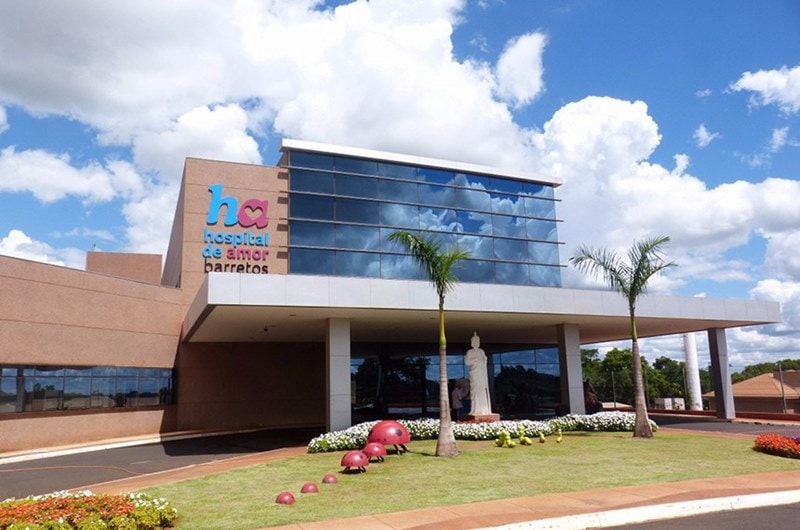
Childhood cancer management requires an entirely different environmental and psychiatric approach than adult oncology. The pediatric oncology ward at Barretos was specifically architected around child psychology. Ward walls feature hand-painted murals, treatment areas look like gaming rooms, and clinical equipment is disguised in playful themes to minimize medical trauma.
Crucially, the pediatric service operates in strategic partnership with St. Jude Children’s Research Hospital in Memphis, Tennessee. Through collaborative twinning programs and data sharing, Barretos oncologists adhere to international frontline protocols for acute lymphoblastic leukemia (ALL), central nervous system tumors, and neuroblastomas. Survival rates for standard-risk pediatric ALL at Barretos now approximate the 80, 85% benchmarks observed in top-tier Western research hospitals, an achievement rarely matched in public healthcare settings across South America.
Because children travel from remote regions of Brazil, treatment compliance often breaks down when families cannot afford housing near the hospital. Barretos resolved this social barrier by constructing family housing communities (Vilas de Alojamento). Families stay free of charge in fully furnished homes, complete with dining halls, schooling resources, and social work support for the full duration of a child's multi-month chemotherapy or bone marrow transplant protocol.
Molecular Oncology Research and Global Clinical Trials
Barretos is not merely a high-volume treatment center; it is a biomedical research institution. The Molecular Oncology Research Center houses an expansive tumor biobank with cryopreserved tissue samples representing Brazil’s genetically diverse admixed population, combining Indigenous, African, and European ancestral lines.
This genetic diversity makes the institution a critical node for global collaborative trials. Pharmaceutical developers and academic consortia partner with Barretos to investigate tumor genomics and pharmacogenomics. Using next-generation sequencing, the laboratory identifies driver mutations in lung, breast, and gastrointestinal cancers, assessing how novel targeted therapies and immune checkpoint inhibitors perform in populations outside standard European-descent clinical trial cohorts.
These clinical trials provide another route to care. Patients whose malignancies demonstrate resistance to conventional chemotherapy lines gain managed access to investigational antibody-drug conjugates (ADCs) and novel targeted small molecules through international multi-center protocols approved by Brazil’s National Health Surveillance Agency (ANVISA).
Patient Admission and Scheduling: Navigating the Referral Path
Navigating patient admission and scheduling at Hospital de Amor requires an understanding of how Brazil's decentralized healthcare regulatory framework operates. Because the institution is funded under SUS, it cannot operate an uncoordinated walk-in triage for non-emergency tertiary care without creating overwhelming regional bottlenecks.
Patients gain admission primarily through two pathways:
First, through the official public health regulatory system. When a local physician in any Brazilian municipality suspects or confirms a malignancy via biopsy, the patient's record is logged into the state health scheduling network (such as CROSS in São Paulo or SISREG nationally). Health regulators evaluate the acuity and route the referral directly to Barretos based on bed availability and specialty needs.
Second, through the hospital’s primary preventive network. Individuals screened by Barretos mobile units or fixed prevention institutes who test positive for malignant or high-grade premalignant lesions bypass external municipality waitlists. They are routed internally into the central scheduling database, receiving direct appointment dates for diagnostic staging and surgical consultations.
For patients arriving from other Brazilian states, municipal health departments often coordinate inter-state transit (Tratamento Fora de Domicílio, or TFD), which provides subsidized transport and meal allowances while Hospital de Amor coordinates medical staging, outpatient pharmacy access, and lodging.
Frequently Asked Questions (FAQ)
Is treatment at Barretos Cancer Hospital completely free?
Yes. Every consultation, diagnostic scan, chemotherapy session, radiation protocol, and surgical operation is provided at zero cost to the patient. Hospital de Amor functions as a philanthropic provider integrated into Brazil’s public Unified Health System (SUS).
Can foreign patients or non-residents receive treatment at Barretos?
Brazil's Constitution grants universal healthcare access to anyone on national soil through the SUS framework. However, Hospital de Amor prioritizes regional public health referrals. International visitors cannot simply book routine elective cancer care from abroad; admission generally requires legal Brazilian residency, a National Health Card (CNS), and an active referral via municipal health pathways.
What is the difference between Hospital de Amor and IRCAD?
Hospital de Amor is the patient-facing clinical and surgical oncology institution. IRCAD Latin America Barretos is an adjoining surgical training center created in partnership with IRCAD France. While IRCAD trains thousands of surgeons in advanced robotic and laparoscopic methods, Hospital de Amor provides the clinical setting where those surgical oncology techniques are deployed for patients.
How can families stay in Barretos during long-term pediatric care?
The institution maintains dedicated residential lodges and housing units (Alojamentos) near the pediatric oncology ward. Families of children undergoing active chemotherapy, radiation, or marrow transplants receive furnished housing, meals, and social work assistance free of charge throughout the therapeutic timeline.
Expanding Horizons for Oncology in 2026
As systemic healthcare costs escalate worldwide, the operational architecture of Hospital de Amor offers a working case study in scalable oncology delivery. By uniting philanthropic fundraising, automated preventive mobile diagnostics, academic surgical training, and public-sector reimbursement, the campus at Barretos challenges the assumption that cutting-edge cancer therapeutics must remain the exclusive domain of affluent private hospitals.
Over the next several years, the institution's expansion strategy focuses on deepening regional genomic mapping and decentralizing complex infusion capabilities through localized satellite treatment hubs across Brazil's northern and central-western states. By identifying malignancies earlier and anchoring every clinical protocol in equitable public access, Barretos continues to prove that geographic isolation and modest economic resources need not dictate a cancer patient’s prognosis.
