Before and After: Realistic Results of Going from Jet Black to Soft Brown Hair
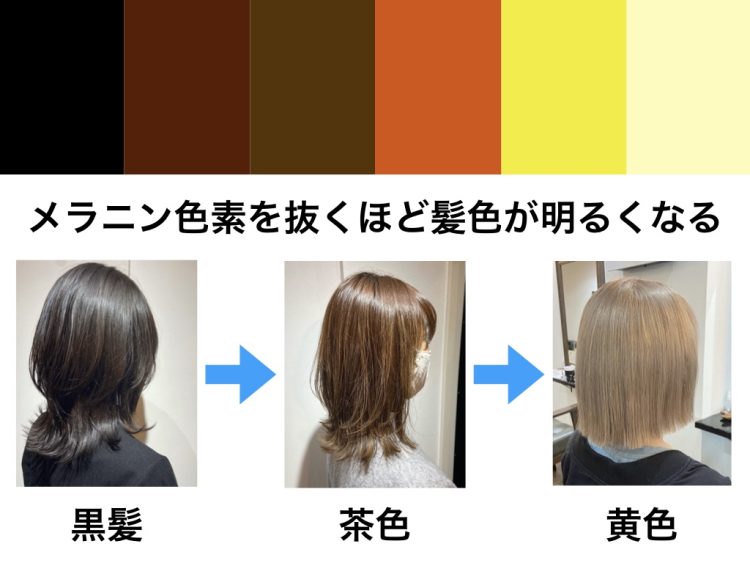
The leap from inky, level 1 black hair to an airy, dimensional level 5 or 6 brown remains one of the most sought-after transformations in salon chairs and home bathrooms alike. Yet the internet is cluttered with filtered transformations that hide the messy reality of the underlying pigment. Transitioning dark bases requires stripping back dense eumelanin, exposing stubborn red-orange raw tones that standard retail dyes rarely neutralize on the first pass. According to color research highlighted in a recent Byrdie Report on temporary and corrective pigment formulations, achieving a clean shade shift without wrecking structural hair bonds demands strict adherence to chemistry over wishful thinking.
Anyone working with deep brunette or natural black hair must navigate porosity variations, lift ceilings, and chemical boundaries. Whether you possess untreated virgin strands or layers of oxidized box black, reaching a soft mocha, chestnut, or cool mushroom tone requires an understanding of developer strength, base levels, and corrective toning steps.
📌 Quick Summary:
- The Core Reality: Shifting natural jet black (Level 1, 2) to soft brown (Level 5, 6) reveals an unavoidable red-orange underlying pigment that demands targeted color wheel counterbalances.
- The Non-Bleach Limit: Lifting dark hair without bleach using high-lift formulas and 20 volume developer works exclusively on virgin strands, yielding a maximum lift of 2 to 3 levels in a single sitting.
- The Correction Rule: Box-dyed black cannot be lightened by lighter dye; existing artificial dye requires chemical color removers or gentle bleach baths before depositing demi-permanent brown shades.
The Biology of Lifting Dark Bases and Why Orange Happens
Natural black and dark espresso hair sit at Levels 1 and 2 on the universal International Color Chart. The cortex of these strands is packed with densely clustered eumelanin granules. When you lift these bases, the lightener or permanent oxidative dye dissolves the dark pigment first, unmasking the hair's natural warm undertones.
Level 1 black does not lift directly to beige or light ash. It moves sequentially through deep red at Level 3, red-orange at Level 4, pure copper-orange at Level 5, and yellow-orange at Level 6.
Attempting a single-step shift from midnight black to a muted mushroom or ash brown frequently produces a fiery auburn halo instead. This is color theory at work. If your target shade is a soft neutral brown at Level 5, you cannot simply slap a "Level 5 Natural Brown" box dye onto a black base. Doing so adds brown pigment directly over aggressive underlying copper, leaving hair visibly brassy under direct sunlight. Clean results require calculating the lift to Level 6, then depositing an ash-dominant toner to neutralize the warm background before sealing the cuticle.
Virgin Hair Versus Box-Dyed Black: What You Can Actually Achieve
A critical baseline rule of hair color chemistry is simple: color cannot lift existing artificial color. Your starting point dictates your entire chemical path.
Virgin dark hair contains no synthetic pigment molecules inside the cuticular layers. Because of this, virgin hair lightening techniques can exploit permanent hair dye paired with a 20 volume developer for dark bases to simultaneously open the cuticle, lift two levels of natural eumelanin, and deposit tone. A single process hair color can push an untreated Level 2 to a rich Level 4 chocolate brown without introducing powdered bleach.
Artificially dyed black hair behaves entirely differently. If you applied black dye three months ago, applying a lighter brown formula over it will only lift the untreated virgin roots while doing nothing to the mid-lengths and ends. The outcome is "hot roots", a luminous orange band at the scalp atop untouched, muddy black ends. Previously colored hair requires color extractors to break down synthetic dye bonds or targeted lightener before any soft brown tone can successfully take hold.
Lifting Dark Hair Without Bleach: Formulas, Swatches, and Processing Schedules
Lifting dark bases without lightener is entirely possible on virgin hair, provided realistic expectations are set. The table below outlines achievable shade transformations, realistic processing windows, and the exact toner pairings required to control undertones.
| Starting Base & Condition | Realistic Lift Level & Shade Swatch | Formula & Developer | Processing Timeframe |
|---|---|---|---|
| Level 1, 2 Virgin Black | Level 4 Deep Chocolate Brown | Permanent 5A (Ash) + 20 Vol (6%) Developer | 35, 45 minutes single session |
| Level 2 Virgin Dark Brown/Black | Level 5 Soft Mocha or Chestnut | High-Lift Ash Brunette + 30 Vol (9%) Developer | 40, 50 minutes single session |
| Level 1 Previously Dyed Black | Level 4, 5 Warm Cinnamon Brown | Sulfur Color Reducer followed by Demi-Permanent 5N/5A | 2 sessions spaced 14 days apart |
| Level 2 Fine-Textured Asian/Latino Hair | Level 6 Light Caramel Ash Brown | Gentle Clay Bleach Bath (10 Vol) + Demi 6.1 Gloss | 2, 3 hours multi-step salon process |
For those tackling this shift at home, chocolate brown hair dye formulas enriched with green or blue secondary tones are critical. Green sits directly opposite red on the traditional color wheel, canceling out the ruby flash common in Level 3 and 4 hair. Blue directly neutralizes brassy orange at Level 5. If your selection doesn't specify an ash or cool base, the background warmth will overwhelm the final look.
Color Correction and Toner Formulations for Warm Undertones
A single round of lifting rarely yields the polished finish seen in editorial spreads. The secret to an authentic soft brown lies in the secondary step: color correction for warm undertones using targeted toners and glosses.
Once your base reaches the required lightness, apply an ash brown toner for brassy tones using a low-volume developer (typically 5 to 10 volume). Low-strength developers do not lift base hair further; they simply deposit corrective pigment into the opened cuticle.
When formulating your tone, determine whether your underlying brass leans pure red or heavy orange. For red-leaning bases, select a toner labeled matte or green ash (.7 or .2 depending on the brand scale). For intense copper-orange, rely on a blue-ash toner (.1 or .81). Leaving this toner on for 15 to 20 minutes counteracts warm flare, converting brassy strands into a neutral, smoky brunette.
Following up with a clear or semi-permanent brown gloss locks the tone in place. It seals lifted cuticle scales, amplifies light reflection, and extends color retention by up to twenty washes.
The Root Lifting Guide: Avoiding the "Hot Root" Trap
Body heat radiating from the scalp dramatically accelerates chemical reactions. This basic biological reality causes countless DIY color disasters. When applying oxidative color from scalp to end simultaneously, the first half-inch of hair processes significantly faster than the cooler mid-shafts and ends.
To execute a clean, uniform lift at home, follow a segmented root lifting routine:
- Section the Hair Thoroughly: Part clean, dry hair into four distinct quadrants using non-metallic clips.
- Target Mid-Lengths and Ends First: Apply your permanent color mixture starting half an inch away from your scalp down to the ends. Saturate every strand completely.
- Allow a Processing Buffer: Let the mid-lengths develop for 15 to 20 minutes until you visibly observe the dark pigment begin to shift toward deep chestnut.
- Mix a Dedicated Root Formula: For the scalp area, drop down one developer level. If you used 30 volume on your ends, mix 20 volume for the roots. Alternatively, use an ash shade half a level darker than your mid-lengths.
- Apply to the Roots: Saturate the root growth and allow the entire head to process together for an additional 20 minutes before thoroughly rinsing with lukewarm water.
Taking these precautions creates a seamless transition from root to tip, preventing the glowing orange band that ruins home dye jobs.
Maintaining Soft Brunette: Long-Term Pigment Preservation
Dark hair that has been lightened to brown is fundamentally unstable. The underlying copper tones constantly fight to push through as cosmetic cool pigments wash away. Normal tap water minerals, UV exposure, and frequent shampooing accelerate toner degradation.
To keep a soft brown shade intact, eliminate sulfates from your hair-cleansing routine. Swap your daily shampoo for a color-safe, sulfate-free alternative, and introduce a blue depositing shampoo every third wash. Blue shampoo neutralizes emerging orange brassiness without adding the dark, murky buildup caused by repetitive permanent dye applications.
Between full coloring appointments, never reapply permanent dye over already lightened strands. Doing so causes progressive porosity damage and unwanted dark pigment banding. Instead, refresh faded ends using an ammonia-free demi-permanent hair color or an acidic hair gloss every six to eight weeks. These formulas refresh depth and tone without disrupting the underlying hair structure.
Frequently Asked Questions (FAQ)
Q1: Can I turn jet black hair into soft brown without using bleach?
Yes, but only if your hair is virgin (never dyed before). Untreated black hair can be lifted two to three levels to a chocolate or deep soft brown using permanent dye mixed with 20 or 30 volume developer. If your hair is already dyed black, lightener or a sulfur-based color remover is mandatory.
Q2: Why did my black hair turn orange after applying brown dye?
All dark hair contains red and orange underlying pigments. When developer lifts the dark eumelanin, this warm foundation is exposed. If your brown dye does not contain enough cool blue or green ash tones to neutralize this base, the exposed orange pigment takes over the final color.
Q3: How long does the transition from black to soft brown take?
For virgin hair, the shift takes about 45 minutes using a single-process color application followed by a 20-minute gloss. For previously dyed black hair, expect a gradual process requiring two to three sessions spaced four to six weeks apart to protect hair health while systematically stripping synthetic black dye.
Achieving the Ideal Brunette Finish in 2026
Transforming jet black hair to a soft, dimensional brown is an exercise in color chemistry. The process requires working with the hair's underlying pigment rather than fighting it. Virgin bases offer room for moderate, bleach-free lifting when paired with controlled 20 or 30 volume developers and dedicated root techniques. Artificially darkened hair, meanwhile, demands patience, multi-step pigment extraction, and disciplined color correction.
Focus on maintaining structural integrity over chasing instant results. Lift your base deliberately to the correct target level, neutralize stubborn brass with targeted ash toners, and protect the finished shade with demi-permanent glosses. With proper technique and routine maintenance, transitioning from ink-black to soft, luminous brown yields a rich, sophisticated result that stays vibrant for months.
