Behind the Secret Popularity of Matsuiyamate's High-Tech Bedrock Baths
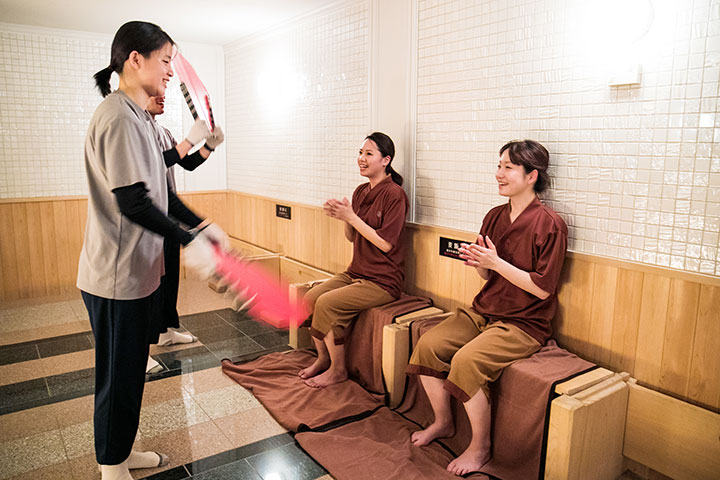
Thirty minutes south of Kyoto Station along the JR Gakkentoshi Line, the quiet suburban grid of Kyotanabe yields an unexpected architectural landmark. Spa & Hotel Suisyun Matsuiyamate has quietly rewired how local commuters and international wellness seekers experience regional bathhouse culture. Unlike the historic wooden bathhouses of Gion or the sulfur-heavy hot spring villages of Arima, this multi-story wellness complex anchors its reputation on an expansive mineral bedrock bath facility, known domestically as ganbanyoku.
The shift reflects broader movements across the Japanese day-spa industry. Traditional hot springs require complete nudity and enforce strict gender segregation. Matsuiyamate’s thermal complex circumvents that barrier by pairing communal, loungewear-clad far-infrared bedrock therapy with modern architectural luxuries. It provides an all-day social retreat where couples, families, and remote workers share the same therapeutic heat chambers before retreating to private recliners lined with thousands of manga volumes and digital monitors.
📌 Key Takeaways:
- The Core Attraction: Spa & Hotel Suisyun Matsuiyamate pairs authentic natural hot spring water with six dedicated bedrock bath chambers emitting far-infrared heat between 40°C and 55°C.
- The Mixed-Gender Factor: Guests wear provided cotton loungewear inside the ganbanyoku area, allowing couples and mixed groups to relax together in zones that bypass traditional onsen gender separation.
- Budget Realities: A full day combining hot spring bathing, bedrock access, and loungewear rental costs roughly ¥2,200 to ¥2,600 ($15, $18 USD), representing a steep discount against Kyoto's inner-city boutique hotel spas.
The Rise of Kyotanabe's Suburban Thermal Sanctuary
When the Suisyun brand opened its flagship Matsuiyamate property directly across from Matsuiyamate Station, critics questioned whether a suburban bedroom community could support an upscale, hotel-integrated super sento. The location sat far from Kyoto’s primary tourist trails. Yet by late 2025, regional foot-traffic audits showed steady weekend attendance exceeding 2,500 daily visitors, driven predominantly by regional travelers seeking deep tissue rejuvenation without temple-district hotel prices.
The facility’s geological foundation provides its technical edge. Suisyun pumps genuine mineral-rich water from deep subterranean aquifers directly into an open-air natural onsen on the upper floors. This sodium-chloride-rich water retains skin moisture and primes the cardiovascular system. However, the commercial anchor of the property remains its expansive ground-level bedrock bath installation.
Rather than relying on steam alone, the complex uses massive slabs of volcanic basalt, Austrian badgastein mineral stone, and pink Himalayan rock salt. Guests recline directly atop these heated stone surfaces. The resulting gentle perspiration expels metabolic waste while keeping internal body temperatures elevated for hours after departing.
Decoding the Mixed-Gender Appeal of Far-Infrared Stone Therapy
Traditional Japanese hot spring etiquette can alienate traveling pairs or families who want to decompress together. Because standard baths mandate complete separation of sexes, couples spend their visits entirely apart until meeting in a generic lobby.
Matsuiyamate eliminates that isolation through its dedicated Japanese ganbanyoku floor. Upon arrival, staff issue each guest a breathable set of cotton-blend tunics and an oversized linen mat. Once inside the climate-controlled common areas, visitors drift between dry stone ovens, cooling chambers, and dim relaxation halls regardless of gender.
The physiology of the bedrock bath operates on far-infrared radiation rather than ambient steam. While a traditional Finnish sauna scorches the air at 80°C to 100°C, creating intense respiratory pressure, stone spas heat human tissue from the inside out at modest air temperatures between 42°C and 50°C.
"Patients who find conventional saunas stifling often tolerate bedrock thermal therapy with far lower cardiovascular strain," notes Dr. Kenjiro Takahashi, an occupational health researcher who monitors balneotherapy trends across Kansai. "The stone slabs transfer heat through conduction and radiant infrared waves. Perspiration emerges from the sebaceous glands rather than merely the eccrine sweat glands, yielding an experience closer to a light cardiovascular workout than a skin scald."
The Cost Breakdown: Rates, Rentals, and Loyalty Tiers
Navigating entry fees at Japanese bathhouses often triggers confusion, as operators charge separately for hot spring access, bedrock suits, and premium relaxation wings. Suisyun operates on an à la carte model with distinct pricing brackets for standard guests and frequent visitors enrolled in their digital app.
| Service Tier | Weekday Price (Non-Member) | Weekend / Holiday Rate | Included Access & Perks |
|---|---|---|---|
| Standard Bath Only | ¥1,100 | ¥1,250 | Indoor mineral pools, open-air natural onsen, dry sauna and cold plunge. |
| Ganbanyoku Add-on | +¥900 | +¥1,000 | 6 stone chambers, loungewear set, floor mat, unlimited manga/recliner lounge. |
| Full Thermal Package | ¥2,000 | ¥2,250 | All baths, saunas, bedrock zones, and personal television pods for entire day. |
| Suisyun Club Member | ¥1,850 total | ¥2,050 total | Discounted rate applied via ¥200 one-time loyalty admission fee setup. |
For international tourists, paying the one-time registration charge of ¥200 for the Suisyun membership rarely pays off on a single afternoon. If you plan to spend two consecutive days or visit during weekend peak periods, however, the loyalty rate offsets its cost on the second entry.
Inside the Specialized Stone Chambers and Cold Plunges
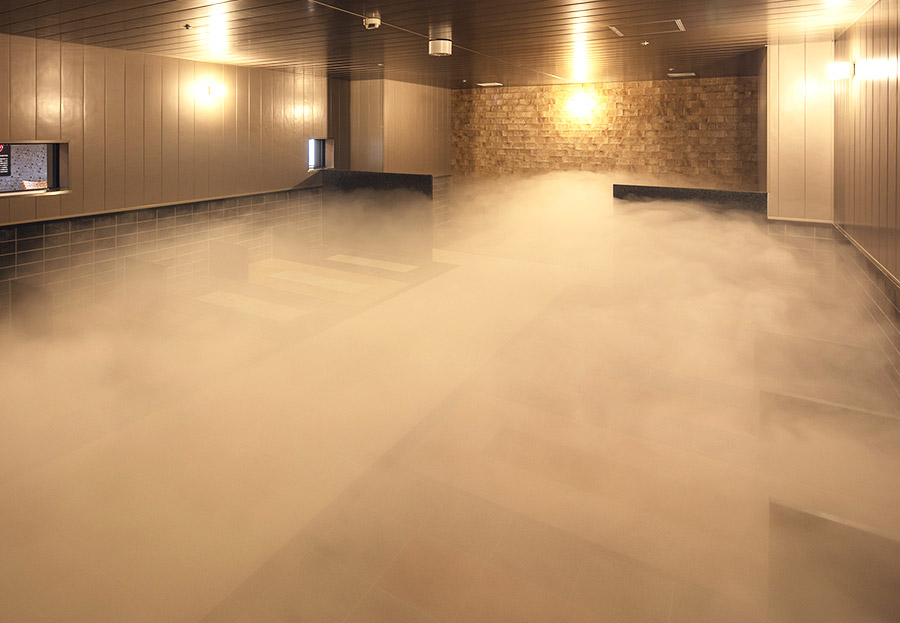
The bedrock wing at Matsuiyamate avoids the monotonous layout of older, single-room stone spas. Instead, the floor plan distributes guests across distinct microclimates calibrated for different stages of thermal detox therapy:
The Salt Chamber lines its floors and perimeter walls with backlit blocks of pink mineral rock salt. The room radiates dry, gentle heat that minimizes airway irritation while heating the core musculature.
The Germanium & Tourmaline Chamber features smooth, rounded river-bed pebbles embedded into heated floors. Guests settle their bodies into the stone depression, allowing the minerals to release negative ions while contouring around lumbar curves and shoulder blades.
The Aromatherapy Relaxation Room runs at a milder 40°C. Nebulizers disperse seasonal botanical extracts, such as Japanese yuzu, hinoki cypress, or lavender, into filtered air, lowering resting heart rates during recovery cycles.
The Loyly Chamber stages automated Finnish steam bursts at timed intervals. Water spiked with essential oils dumps over heated volcanic boulders, sending a dense thermal front across tiered seating.
To complete the contrast cycle, guests exit the heated rooms and step directly into a specialized cryotherapy room chilled to sub-zero temperatures. Cooling the surface skin constricts dilated blood vessels, locking core warmth into internal organs and mimicking the physiological reset of a Nordic cold plunge without soaking wet clothes.
Navigating Peak Hours, Etiquette, and Practical Caveats
Despite its upscale positioning, Matsuiyamate functions as a functioning public utility for southern Kyoto commuters. Arriving without a strategic schedule can compromise the quiet tranquility you expect from a luxury sanctuary.
On Saturdays and national holidays between 2:00 PM and 6:30 PM, the bedrock rooms frequently hit capacity. Guests end up pacing carpeted corridors waiting for open stone slabs. If peaceful isolation is your priority, target weekday mornings between 9:00 AM and 12:30 PM, when daylight pours through the lounge windows and chamber turnover remains swift.
Hygiene protocols require close attention. You must never place bare skin or soaked loungewear directly on the mineral slabs. The facility-issued oversized towel serves as your protective barrier. Spread it flat over the stone before reclining, and use your smaller hand towel to manage brow sweat. Talking above a whisper inside the quiet rooms violates unspoken bathhouse codes; save discussions for the common cafe areas outside the thermal zone.
Tattoo policies remain strictly conservative. Suisyun maintains an uncompromising ban on visible body ink in all open communal areas. While travelers with small, discreet tattoos can occasionally cover them with waterproof flesh-toned adhesive patches purchased at convenience stores, extensive sleeve or back tattoos will result in immediate denial of entry at the front desk.
Frequently Asked Questions (FAQ)
Q1: How do I get to Spa & Hotel Suisyun Matsuiyamate from central Kyoto?
A1: Board the JR Gakkentoshi Line (direct or via connecting lines from Kyobashi or Doshishamae) and disembark at Matsuiyamate Station. The spa entrance sits less than a two-minute walk from the station's west exit.
Q2: Can men and women use the bedrock baths together?
A2: Yes. The bedrock bath floor is entirely mixed-gender because all guests wear the facility’s uniform loungewear. Only the standard onsen, hot spring pools, and indoor saunas remain segregated by sex.
Q3: Is there a time limit on the ganbanyoku add-on pass?
A3: No. Unlike Tokyo stone spas that cap sessions at 90 or 120 minutes, Matsuiyamate allows open-ended access until closing time on the date of purchase, including full use of the relaxation recliners and digital media lounges.
The Evolving Role of Kyoto's Modern Bathhouses
Suburban facilities like Matsuiyamate demonstrate that Japanese bathing culture remains intensely dynamic. Rather than existing solely as preserved museum relics or stripped-down municipal washhouses, modern thermal retreats adapt to contemporary demands for shared wellness spaces, digital relaxation, and deep physical recovery.
By removing the gender isolation intrinsic to traditional onsen while preserving the geological benefits of mineral-infused heat, the bedrock spa model offers an approachable, deeply restful window into Japanese bathing. Whether escaping midwinter dampness or working through muscle fatigue from trekking Kyoto’s historic slopes, this suburban enclave delivers one of the most effective, accessible thermal therapies in western Japan.
