Behind-the-Sofa Consoles Fact-Checked: Do They Solve Storage or Just Add Clutter?
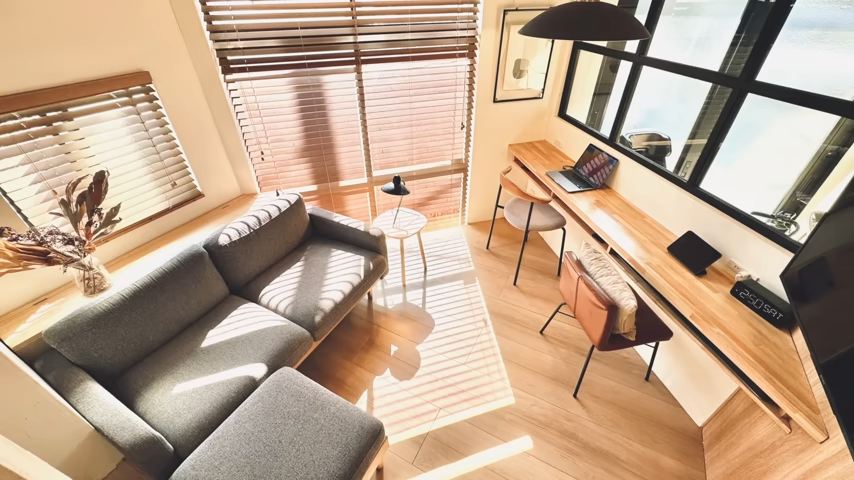
Tucking a narrow shelf behind a living room couch looks effortless in curated design clips. Wood tones match the upholstery, hidden plugs power tablets, and warm ceramic lamps wash the drywall in amber light. The reality inside compact apartments tells a different story. Shoving a flat surface into the dead zone between seating and a wall often bottlenecks walking paths, turns hidden nooks into cord graveyards, and disrupts the balance of the entire room. When DIY creators began engineering custom builds, such as Japanese creator Hoi (@HoiDIY) fabricating a dedicated, bespoke back-of-couch unit documented in an ITmedia Report, it ignited a broader debate about whether these slim additions fix living room organization or simply introduce awkward dead zones.
📌 Key Takeaways:
- Clearance Realities: A behind sofa console table requires a minimum walkway of 30 to 36 inches to avoid choking room flow.
- The Dimensional Rule: Shelves must sit 1 to 2 inches below the couch back cushion to keep items secure and maintain clean sightlines.
- Functional Purpose: Integrating a slim couch table with outlets solves cord chaos, but styling more than three small decor groupings creates instant visual clutter.
The Modern Craze for Hidden Living Room Real Estate
Floor space has grown increasingly scarce across urban housing. When square footage shrinks, homeowners search for forgotten gaps, targeting the sliver of space behind the couch. Social feeds popularized this concept by showing ultra-thin ledges that slip between baseboards and fabric backs, turning dead air into charging stations.
The appeal rests on straightforward utility. Couches naturally float off walls or sit awkwardly forward to accommodate baseboard heaters and electrical wall plates. Rather than losing those inches, a narrow sofa back shelf provides an anchor for reading drinks, remotes, and ambient lamps without occupying the floor area required by traditional end tables. Japanese DIY channels and home improvement influencers pushed this micro-furniture trend mainstream, using inexpensive lumber, modular brackets, and even modified wooden cutting boards to build customized storage runs.
Yet, practical execution rarely matches a thirty-second video clip. Placing hard furniture behind soft seating shifts the ergonomic center of the living area. When executed without measuring primary access paths, the setup makes rooms feel cramped and disrupts daily circulation.
The Spatial Math: Walking Clearance Rules and Table Proportions
The primary failure of a sofa shelf installation comes down to spatial planning. Homeowners routinely measure the gap between the couch frame and the drywall while ignoring the space behind it. Interior design guidelines establish that primary walking paths demand 36 inches of unhindered clearance, while secondary paths require at least 30 inches. Compressing that corridor down to 20 inches to squeeze in a console table turns daily foot traffic into an awkward sideways shuffle.
Proportions dictate physical safety and visual balance. The top edge of a behind sofa console table should sit approximately 1 to 2 inches lower than the top edge of the couch back cushions. If the shelf sits flush with or higher than the back support, seated guests risk bumping their heads against hard edges, or knocking down glasses when shifting back into the pillows.
Length matters just as much as height. A console running the identical length of the couch creates a blocky, monolithic mass. Leaving 3 to 6 inches of breathing room on either end softens the silhouette, allowing soft upholstery to frame the wood or steel ledge. For deeper floating sofa layouts, maintaining these buffer zones preserves sightlines into adjacent dining or kitchen zones.
Layout Analysis: Standard Ledges vs. Bespoke Console Solutions
Choosing the wrong build style produces immediate layout friction. Off-the-shelf catalog tables carry standardized dimensions that rarely match distinct sofa profiles or floorboard offsets.
| Feature Set | Commercial Console Table | Ultra-Slim Wall Ledge | Custom DIY Sofa Shelf |
|---|---|---|---|
| Depth Profile | 10, 14 inches | 4, 6 inches | 5, 8 inches (Exact Fit) |
| Average Cost | $120, $350 | $25, $60 | $35, $90 (Materials) |
| Foot Traffic Impact | High; claims walk space | None; sits flush to wall | Minimal; fits couch frame |
| Power Integration | Requires bundled power strip | Rarely supported | Recessed grommets & USB hubs |
Commercial consoles provide ample surface area, but their 12-inch depths push seating forward, truncating the visual balance of smaller rooms. Conversely, wall-mounted floating ledges prevent legs from cluttering the floor, yet they become unusable if the couch sits away from the wall. Bespoke designs bridge this divide, fitting the sofa profile without devouring valuable walkway margins.

Managing Hidden Hazards: Electrical Cords and Heat Flow
A behind-the-couch shelf often conceals a messy tangle of cables. Plugging laptops, smartphones, and low-profile lamps into wall outlets directly behind furniture risks crushing cable heads against baseboards. Over time, that compression weakens wiring, creating genuine fire risks.
Adopting a slim couch table with outlets solves part of the challenge, provided cable management stays organized. Recessed electrical grommets sit flush on the top surface, running one master extension cord cleanly along the console leg down to the wall plug. Running cords through split-tubing sleeves and mounting adhesive cable tracks along the rear frame keeps wires invisible from every viewing angle.
Ventilation presents another overlooked risk. Heating vents, baseboard radiators, and cold-air returns often sit low along living room perimeter walls. Pushing a dense wooden console directly over a heat register traps thermal output beneath the couch fabric, driving up utility bills and warping the underside of the wooden shelf. Maintain at least 4 inches of vertical clearance above floor vents, or install directional deflectors to push conditioned air outward into the open room.
Minimalist Styling Versus the Clutter Trap
The fastest way to ruin a narrow back shelf is treating it like an attic shelf. Because the surface hides partially behind seating, residents drop mail, half-read magazines, spare charging leads, and water glasses across its length. Within days, a clean architectural line degrades into household junk.
Minimalist console styling relies on disciplined groupings. Design specialists point to the rule of threes: one source of subtle vertical illumination, a single low textured ceramic tray for resting small essentials, and an organic element such as a shallow plant dish or stone sculpture. Everything else belongs inside closed drawers.
Accent lighting behind couch arrangements works best with diffuse fixtures rather than exposed downward bulbs. Concealed LED light strips running beneath the back overhang cast soft perimeter illumination, bouncing warm glow off the wall without reflecting glare onto television screens across the room.
Frequently Asked Questions (FAQ)
Q1: What is the ideal width for a behind sofa console table in a small living room?
A1: Stick to a depth between 6 and 8 inches. This footprint holds glasses, remotes, and small fixtures without shoving your seating forward or compromising room walkway clearances.
Q2: Can I place a shelf behind a couch that does not sit against a wall?
A2: Yes. In a floating couch layout, a low console acts as an architectural room divider that grounds the space, hiding the plain fabric backing of the couch while separating the living area from adjacent zones.
Q3: How do I anchor a narrow shelf so it does not tip when reached for?
A3: If your console is under 8 inches deep, anchor it securely. Use anti-tip wall brackets, or brace the console frame directly against the internal rear wooden structure of the sofa using padded brackets to prevent scuffs.
Living Room Space Planning for Long-Term Function
Adding functional storage behind living room seating hinges on spatial awareness rather than trend chasing. The moment a piece of furniture interrupts smooth transit through a room, its practical value evaporates.
If your floor plan leaves less than 30 inches of open clearance around the back and sides of the couch, skip the console table entirely. For rooms with generous walkways, building or buying an intentionally slim, well-proportioned shelf creates functional value. Keep the lines clean, conceal power cords, curb daily clutter, and ensure the shelf sits lower than your cushions. When planned around actual room flow, this sliver of living room real estate earns its place.
