Best Leakproof Bento Boxes of 2026: The Ultimate Guide to Spurt-Free Vertical Packing
The Commuter's Dilemma: How Leakproof Vertical Bento Boxes Ended the Backpack Spill
Carrying lunch on a packed commuter train has always carried an unspoken risk. A sudden jostle against an elbow, a briefcase set down sideways, and sesame dressing seeped through work documents and leather lining. For decades, Japanese office workers and students handled this hazard by balancing separate nylon lunch totes in their hands or packing only dry rice balls. That calculation shifted drastically across major retail aisles this year. According to consumer retail analysis tracked by ねとらぼ Report, Japanese household goods giants and specialized kitchenware makers have turned the traditional horizontal lunchbox upright, sparking an international run on slim, high-pressure containers designed explicitly to slide vertically into laptop sleeves.
The engineering challenge behind these designs is more complex than simply tightening plastic latches. When a container stands on edge inside an everyday carry pack, liquids settle against a single silicone boundary under continuous gravity. Solving that hydrostatic pressure required rethinking internal partitions, rim geometry, and antibacterial plastics. Today, models from CB Japan, Nitori, and Cainz compete directly on how reliably they trap soy sauce and simmered juices while enduring the harsh cycles of residential dishwashers.
📌 Quick Summary:
- The Mechanics: Specialized interior walls mate directly with grooved silicone lid gaskets, isolating each pocket under high latching pressure.
- The Commuter Shift: Ultra-thin profiles, often just 3.5 centimeters deep, allow vertical carry inside standard backpacks alongside laptops and notebooks.
- Maintenance Realities: Integrated seals eliminate mold-prone crevices, cutting daily hand-washing times to seconds.
Why Commuters Abandoned the Traditional Flat Lunch Tote
Modern daily carry gear killed the classic lunch bag. As hybrid work normalized laptop transport and crowded transit systems forced riders to keep both hands free, bulky square containers became liabilities. A standard two-tier bento box demands a dedicated horizontal shelf at the base of a backpack. When that space fills with chargers, water bottles, and rain jackets, users end up tilting the container. The result is predictable: soy sauce and salad vinaigrette pool at the corners and escape through standard friction-fit lids.
The term "shiru-more" (soup leaking) long served as an accepted reality of Japanese brown-bagging. Parents packed fried chicken without glaze, boiled vegetables were squeezed bone-dry with paper towels, and braised dishes were relegated strictly to home dinners. This compromise created a quiet dissatisfaction. Commuters wanted rich curries, juicy simmered meats, and dressed salads without hauling an insulated sub-bag. The answer arrived not through heavier bags, but through structural changes to the lunchbox itself, turning the container into an upright file folder.
Engineering the Seal: How Foodman, Nitori, and Cainz Stop Leaks
Stopping a fluid from migrating sideways when turned 90 degrees requires continuous clamping force across every internal wall, not just the perimeter. CB Japan pioneered this approach with its Foodman series, utilizing a four-point perimeter clamp system that presses an extruded silicone seal down onto rigid internal dividing ribs. This creates separate, airtight holding chambers within a single tray. Salad dressing trapped in compartment A cannot jump into compartment B, even when dropped into a shoulder bag upright.
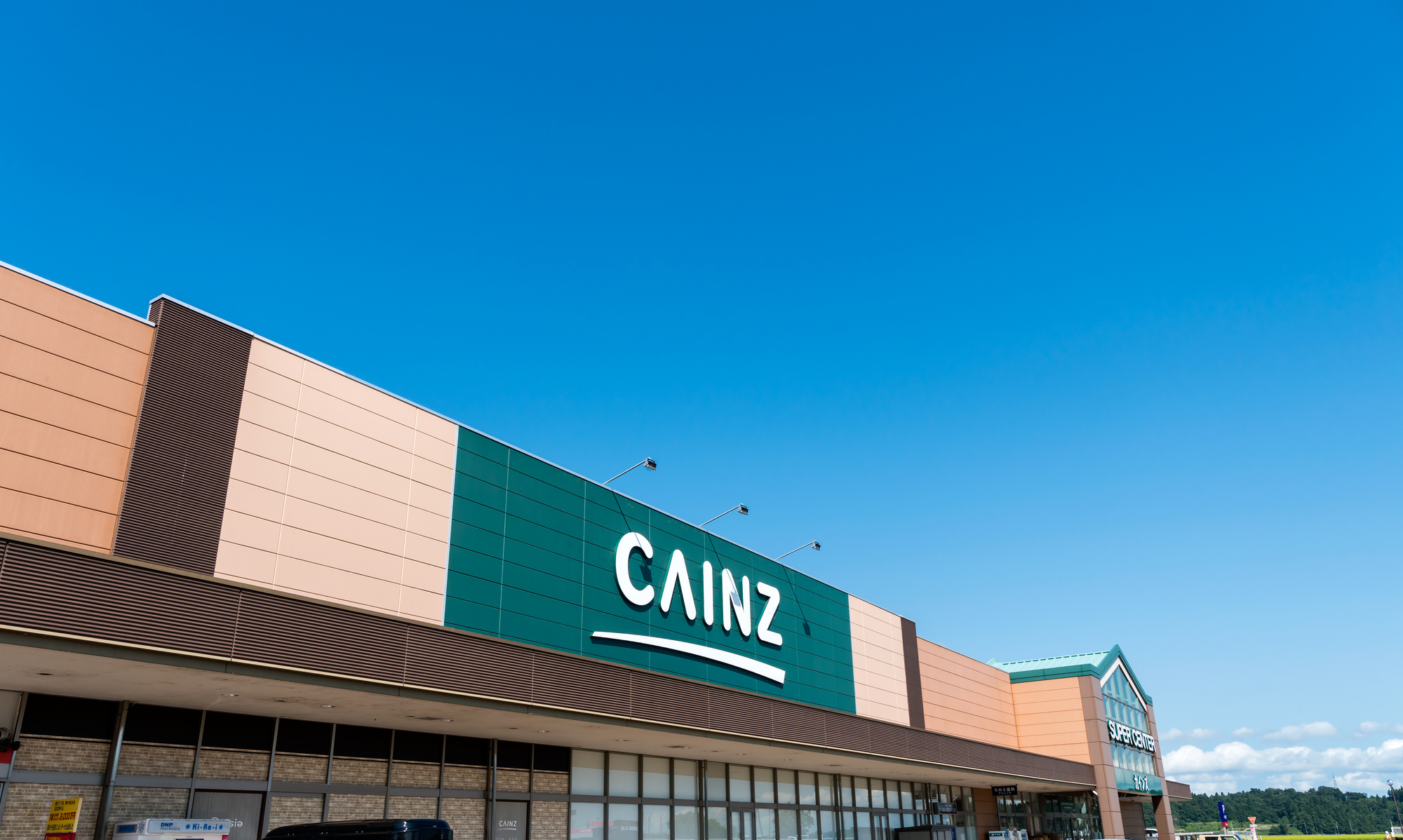
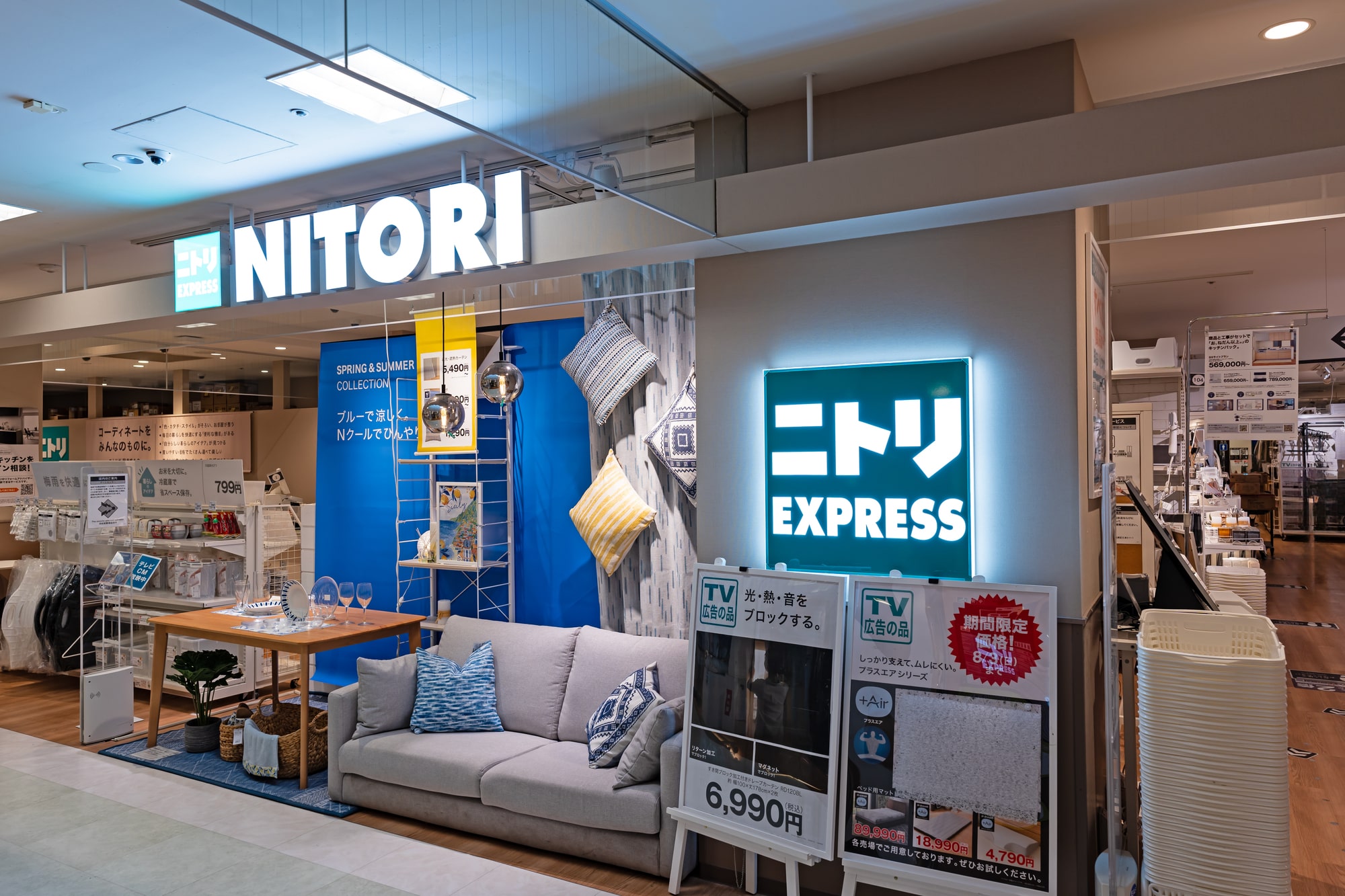
Retail competitors quickly advanced the concept. Home lifestyle giant Nitori introduced thin antibacterial alternatives tailored for university students and corporate workers who found earlier designs difficult to pop open. Meanwhile, regional hardware chain Cainz approached the issue from a cleaning angle. Rather than using detachable rubber bands that stretch and harbor black mildew, Cainz integrated the gasket directly into the lid molding. By fusing the soft elastomer with the hard lid structure, they removed the tiny crevices where oil and stagnant dishwater typically collect.
Hardware Benchmark: Comparing the Leading Vertical Bento Boxes
Choosing the right commuter container depends on lunch size, dish depth, and how many minutes you want to spend at the kitchen sink. The following benchmark compares key production models across the Japanese consumer landscape.
| Product Line | Capacity & Dimensions | Core Sealing Mechanism | Price Point (JPY) |
|---|---|---|---|
| CB Japan Foodman 600 | 600ml / 3.5 cm thickness | 4-point latches + individual compartment silicone channels | ¥1,118, ¥1,870 |
| CB Japan Foodman 700 (2026 Edition) | 700ml / 3.5 cm thickness | Ag+ antibacterial resin + reinforced center-compression lock | ¥1,980, ¥2,200 |
| Nitori Thin Antibacterial Bento | 500ml, 800ml options | Flexible silicone rib gasket + quick-release side tabs | ¥1,190, ¥1,490 |
| Cainz Easy-Wash Bento | 450ml, 650ml options | Integrated co-molded gasket (no removable rubber strip) | ¥698, ¥898 |
The Daily Maintenance Reality: Seals, Dishwashers, and Smells
Buying a vertical container is straightforward; keeping it hygienic across six months of daily use requires an understanding of polymer wear. Removable silicone seals provide an airtight seal on day one. Over dozens of cycles in hot water, however, trapped food oils and water mineral deposits settle into the rubber's microscopic pores. Removing the band with a toothpick or fingernail stretches the silicone, gradually loosening the clamping tolerances needed for vertical safety.
Integrated gasket containers like the Cainz series remove that step by eliminating the separate rubber ring. The lid washes as a single, uniform piece of plastic. The trade-off is vertical holding power: without independent chamber isolation, you cannot stack a runny soy-simmered egg next to dry rice crackers without light seepage between compartments. Meanwhile, CB Japan addresses bacterial growth by infusing silver-ion (Ag+) antimicrobial agents into the Foodman 700 body, keeping surface bacteria from propagating when lunch sits at room temperature inside a heated train car.
For those using traditional removable gaskets, proper care is simple. Do not dry silicone strips on hot heat racks, and never pull them from corners using sharp cutlery. Once a gasket loses its cross-sectional roundness, vertical transport becomes a roll of the dice.
Who Should Buy Vertical Bento Boxes and Who Should Steer Clear
Vertical boxes solve specific commuting problems, but their form factor introduces hard culinary boundaries. The profile mimics an A4 book. That slim 3.5-centimeter clearance makes upright storage effortless, but it permanently rules out whole boiled eggs, tall pork cutlets, or fluffy dinner rolls.
Ideal Profiles:
- Tech Commuters: Professionals who carry a dedicated backpack with a laptop sleeve and refuse to carry a second bag.
- Portion Planners: Meal prep enthusiasts who weigh food components and prefer divided compartments to keep carbohydrates, proteins, and produce strictly separated.
- School Commuters: Students whose bookbags are stuffed with ring binders and sports uniforms, leaving only slim perimeter gaps along the bag walls.
Profiles That Should Choose Other Options:
- Liquid Soup Lovers: No vertical box handles thin, watery broth such as clear miso soup or chicken noodle broth under dynamic shaking. Dedicated vacuum thermoses remain the only reliable choice for pure liquids.
- Volume Eaters: Athletic trainers needing 1,000ml or more of dense calories will find slim partitioned containers restrictive and tedious to pack.
- Those Who Hate Precise Packing: Food inside a vertical container must be packed tightly. If there is empty headspace, ingredients drop to the bottom rim the second you hoist your backpack, turning lunch into a compressed heap by noon.
Packing Secrets for Foolproof Upright Transit
Owning a leakproof container is only half the battle. Packing technique dictates whether the seal succeeds or fails when jostled on a transit line. Physics still applies inside the plastic walls.
First, control resting liquid. While these boxes resist sauce bleed, pure free-flowing water creates high hydraulic pressure along gasket seams during rapid movement. Toss steamed broccoli and blanched greens with a pinch of ground sesame seeds, panko crumbs, or dried bonito flakes. These dry ingredients absorb excess cooking juices like sponges, holding moisture within the food rather than letting it pool against the rubber edge.
Second, cool hot food completely before latching the lid. Fastening hot, steaming rice creates an interior vacuum as the air temperature drops. This vacuum can warp the lid inward or distort perimeter latches, compromising the internal ribs. Let the meal reach room temperature, wipe any stray sauce drops from the rim with a paper towel, press down firmly on the center of the lid to push out excess air, and snap the latches shut from opposite sides.
Frequently Asked Questions (FAQ)
Q1: Can I pack soup or curry inside a CB Japan Foodman without leaks?
A1: Thick curries and gravies are completely fine. Watery liquids, such as thin miso soup or clear broth, should never be carried vertically in flat-panel lunchboxes. Even the strongest silicone seal will weep micro-droplets when low-viscosity fluids slosh against it under motion.
Q2: Are thin bento boxes microwave and dishwasher safe?
A2: The base trays are microwave-safe, but lids must always be removed before heating to prevent pressure warping. Most models, including the Foodman and Cainz lines, are dishwasher-safe, though placing lids on the top rack away from heating coils extends the operational life of the silicone gaskets.
Q3: How do I remove persistent curry or kimchi stains from the internal plastic?
A3: Plastic absorbs hydrophobic pigments like carotenoids easily. Wipe the box with a light coat of vegetable oil before washing, or soak the stained base in warm water mixed with oxygen-based bleach (sodium percarbonate) for 30 minutes. Avoid abrasive scouring pads, which scratch the surface and create micro-grooves where future bacteria and odors collect.
The Upright Lunchbox Standard
The rise of upright, leakproof food containers illustrates how suburban transit patterns and modern carry gear quietly dictate kitchenware design. What began as a niche Japanese solution to shoulder-to-shoulder train commutes has grown into an everyday staple for hybrid workers worldwide. By merging multi-point pressure latches with integrated polymer molding, these containers removed the daily worry of ruined work papers and greasy backpack pockets. With a basic understanding of sealing mechanics and realistic packing habits, lunchtime no longer requires an extra bag in hand.
