Boneless Sanma vs. Toriko Gourmet World: Viral Images and Culinary Reality
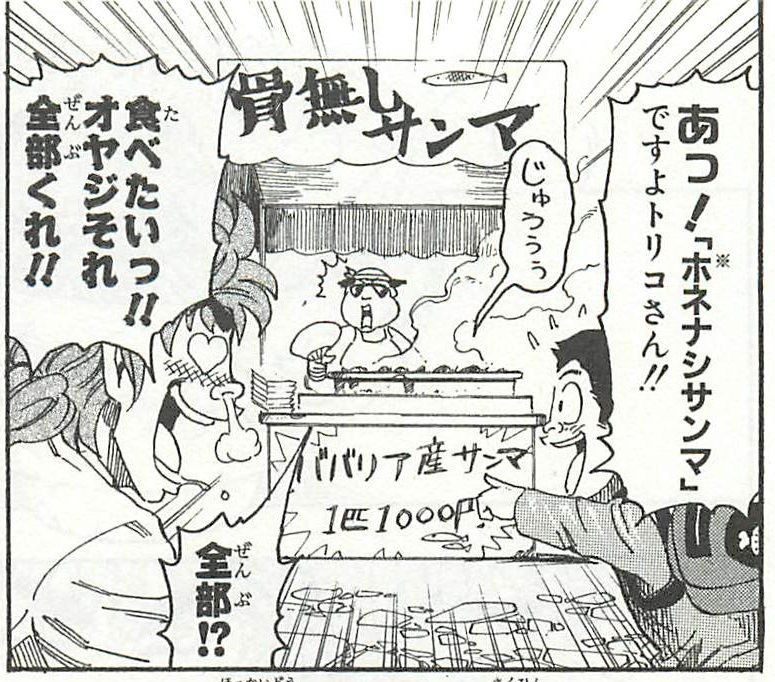
A single photograph of Pacific saury stopped millions of scrolling feeds in late autumn. Laid flat across a hinoki wood prep board, the silver-and-indigo skin glistened under kitchen downlights, perfectly intact, while the flesh appeared supple, thick, and completely devoid of the hundreds of needle-fine intramuscular bones that define the species. Japanese food enthusiasts on X (formerly Twitter) and Instagram immediately bypassed conventional culinary compliments, choosing instead a hyper-specific pop culture reference: "This isn't an autumn catch. This is a Capture Level 45 ingredient straight out of Toriko."
The viral image struck a nerve because anyone who has eaten fresh Pacific saury (sanma) knows the grueling reality of its anatomy. Enjoying salt-grilled sanma typically involves an exercise in manual excavation, gingerly navigating tiny, translucent pin bones embedded deep within oily fat layers. Seeing the fish presented as a pristine, bone-free sheet felt like an edible culinary optical illusion, blurring the boundary between traditional Japanese kitchen mastery and the hyper-stylized world of Mitsutoshi Shimabukuro's legendary gourmet manga.
📌 Key Takeaways:
- The Viral Origin: Social media posts showcasing completely deboned Pacific saury went viral after netizens compared the impossibly clean cuts to mythical ingredients from the manga and anime hit Toriko.
- The Anatomical Hurdle: Pacific saury contains dozens of delicate, branched pin bones that fuse tightly into the fat tissue, making full deboning without tearing the skin a rare culinary feat.
- The Technical Reality: While viral photos appear supernatural, they rely on specialized knife paths, precision needle tweezers, and emerging flash-freezing methods transforming commercial fish processing.
The Viral Meme That Turned Autumn Sanma into Manga Lore
The comparison to Toriko was not accidental. In Shimabukuro's fictional universe, legendary hunters roam the "Gourmet World" in search of surreal ingredients, beasts and fish engineered by nature to taste transcendent, often yielding impossible cuts that fall away from the bone at the touch of a blade. When images surfaced showing entire sanma fillets peeled open like silky fruit, food enthusiasts instantly invoked Chef Komatsu, the anime's master knife handler.
Online comments clustered around the sheer visual absurdity of the fillets. "You don't slice sanma like that unless you possess an invisible knife," wrote one Tokyo-based home cook on X, racking up over 80,000 likes. Another commenter noted, "The skin hasn't bunched. The fat line is undisturbed. It looks rendered in Unreal Engine." What began as an appreciation of street-level fishmonger skill morphed into a viral seafood meme celebrating anime food in real life.
The visual hook worked because it exploited a shared cultural pain point. In Japan, autumn sanma is an undisputed seasonal staple, but consumption among younger households dropped steadily between 2018 and 2025. The primary reason cited in consumer surveys: the tedious, messy work of separating tiny bones from oily flesh. Presenting a version that completely eliminated that friction turned an ordinary blue-backed fish into an exotic luxury.
Why Pacific Saury Remains a Butcher's Greatest Nightmare
Pacific saury (Cololabis saira) poses a brutal mechanical challenge to professional chefs. Unlike white-fleshed fish such as sea bass or snapper, which feature rigid, uniform rib cages, sanma possesses a dense lattice of flexible pin bones (epipleural and intermuscular bones) that run along the entire lateral line. These needle-thin bones curve inward toward the dorsal ridge, interlocking with delicate fat deposits that liquefy at body temperature.
Applying standard filleting techniques (such as san-mai oroshi, the three-piece cut) leaves the vast majority of these micro-bones trapped in the upper loin. Pulling them out with conventional fish tweezers (hone-nuki) frequently shreds the soft meat, transforming a prized autumn delicacy into minced paste. To maintain the smooth, mirror-like exterior seen in viral images, a cook must make surgical incisions parallel to the spine while applying tension against the skin, lifting the spinal column and rib cage simultaneously in a fluid upward stroke.
The margin for error is razor-thin. If the blade deviates by a single millimeter, the visceral fat leaks out, dulling the metallic sheen of the skin and ruining the visual effect. Achieving this degree of deboning fish precision requires years of repetitive fishmonger practice, which is why commercial restaurants rarely attempt it for high-volume service.
Surgical Cuts: Traditional Preparation vs. Modern Illusion
The viral posts sparked an intense debate among Japanese knife enthusiasts: were viewers looking at artisan hand craftsmanship, or modern industrial processing? The answer lies in the intersection of traditional technique and emerging commercial prep methods.
| Preparation Method | Primary Execution Tool | Bone Retention Rate | Visual Silhouette |
|---|---|---|---|
| Standard Home Grilling | None (Grilled whole with salt) | 100% (Entire skeleton intact) | Charred exterior, dense bone core |
| Traditional Izakaya San-mai | Deba knife & manual tweezers | 10, 15% (Micro-pin bones remain) | Separated loins, minor surface tearing |
| Viral Artisan "Toriko" Cut | Ultra-thin Yanagiba / Pin-bone scoop | 0, 2% (Full skeletal extraction) | Flawless single sheet, silver sheen intact |
| Modern Commercial Water-Jet | High-pressure automated processing | 0% (Industrial extraction) | Uniform strip fillets, reduced natural oil |
The viral posts that capture the public imagination belong almost exclusively to the third tier: artisan knife work performed by seasoned sushi chefs or ambitious hobbyists utilizing specialized boning tools. By making micro-incisions beneath the rib cage and drawing the spine backward at a 45-degree angle, a skilled hand can pop the pin bones out of their collagen sockets without tearing the underlying flesh.
Industrial Innovation: Scaling the Boneless Fish Technique
Behind the viral sensation sits a commercial transformation within Japanese aquaculture and retail. Decades of declining domestic sanma landings, dropping from peak hauls of over 300,000 metric tons in the early 2000s to historic lows between 2021 and 2025, drove market prices up from ¥100 per fish to well over ¥600 at retail counters. With sanma no longer functioning as an ultra-cheap weeknight meal, distributors realized they had to add value.
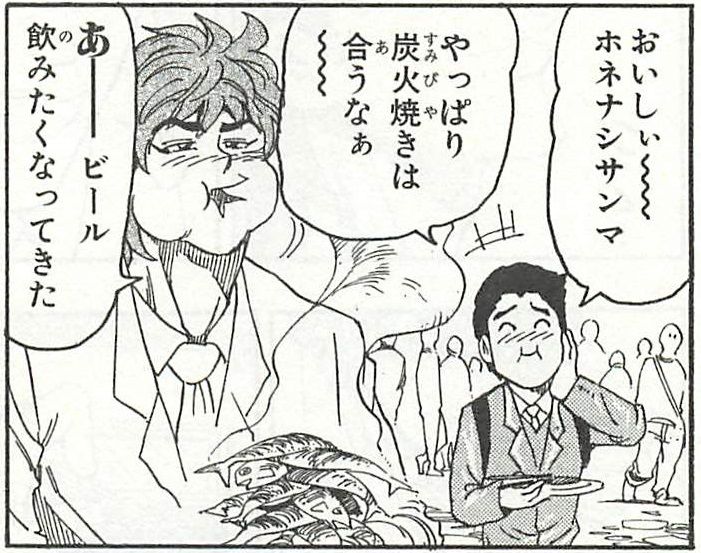
Processing facilities in prefectures like Miyagi and Hokkaido began investing in mechanical fish processing methods capable of boning small pelagic fish. Advanced automated blade arrays and ultrasonic bone scanners, initially developed for salmon and mackerel, were recalibrated for the slender profiles of Pacific saury. These machines deliver ready-to-cook boneless fillets directly to supermarket chains, targeting busy households that love the taste of sanma but refuse the tedious cleanup.
Yet machine-processed fillets rarely possess the dramatic flair of social media hits. Industrial processing cuts off the heads, trims the oily belly fat, and packages the meat in vacuum-sealed plastic strips. The viral "Toriko cuts" that circulate online remain the domain of human hands, proving that automation cannot fully replicate the theatrical presentation of traditional Japanese culinary preparation.
Gourmet Manga Realism and the Aestheticization of Seafood
The connection between viral cooking and gourmet manga highlights a distinctive aspect of modern Japanese food culture. Works like Oishinbo, Toriko, and Food Wars! (Shokugeki no Soma) established an intense standard of gourmet manga realism. In these series, food preparation is treated as a battle against structural entropy, where an immaculate cut can alter texture, aroma, and the diner's perception of reality.
When internet users labeled the boneless sanma a "Toriko capture level food," they were doing more than sharing an anime meme. They were recognizing a rare alignment between fictional kitchen drama and real-world execution. The glistening, translucent cut evoked the fantasy of eating a wild, unblemished creature that yields instantly to the tongue, requiring zero compromise from the diner.
This dynamic has changed how culinary creators showcase their work. High-end izakayas and sushi counters now frame their prep videos using extreme close-ups, highlighting the physical separation of the skeleton from the fillet in real time. The kitchen counter has become a performance stage where the chef demonstrates mastery over organic chaos.
Frequently Asked Questions (FAQ)
Q1: Is it possible to completely debone a Pacific saury at home without ruining it?
A1: Yes, but it requires patience and a specialized fish knife. Using a technique called daimyō oroshi or carefully loosening the backbone with your fingers after lightly salting the fish allows you to peel the main spine free. However, extracting 100% of the tiny intramuscular pin bones without tearing the meat requires surgical tweezers and delicate touch.
Q2: Why are Japanese social media users comparing real food to the anime Toriko?
A2: Toriko revolves around fantastical ingredients that boast impossible attributes, like giant beasts with zero bones or fruit made of pure juice. When real chefs produce dishes that look unnaturally pristine, shiny, or perfectly sculpted, netizens playfully categorize them as ingredients that belong in the anime's "Gourmet World."
Q3: Are pre-deboned Pacific saury fillets available in standard grocery stores?
A3: Yes. Due to shifting consumer habits, Japanese supermarket chains and seafood exporters increasingly stock vacuum-packed, machine-deboned sanma fillets (labeled hone-nashi sanma). These are typically sold frozen or pre-marinated for easy stovetop grilling.
The Cultural Appetite for Impossible Cuts
The viral fascination with boneless sanma reveals an enduring human desire: the dream of enjoying wild, complex foods without dealing with their physical inconveniences. Pacific saury represents the raw grit of traditional seaside dining, where eating fish requires attention, tactile effort, and tolerance for bones. By transforming that prickly experience into a frictionless, gleaming sheet of silver protein, culinary artisans create an everyday miracle that feels entirely fictional.
As social media feeds reward increasingly theatrical food presentation, the boundary between manga fantasy and kitchen reality will continue to blur. Yet no amount of algorithmic virality replaces the thousands of hours of tactile knife practice needed to pull a fragile skeleton from an oily autumn fish. The "Toriko sanma" endures online not just because it looks like high-level animation, but because it proves that human hands can still achieve the impossible at the cutting board.
