Can a $1 Nail Tool Rival Salon Quality? The Truth Behind 100-Yen Cuticle Care
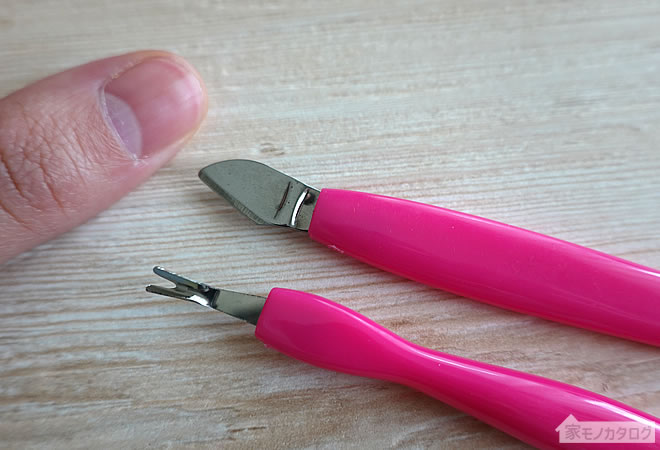
Walk into any Daiso, Seria, or CanDo in Tokyo, and the cosmetics aisle offers an alluring promise: a full salon-grade manicure prep kit for less than the price of a vending machine latte. While professional salons charge anywhere from $40 to $90 for Russian manicures and precision dry cuticle care, Japan’s 100-yen discount retailers sell stainless steel cuticle pushers, V-shaped dead skin trimmers, and ceramic pumice pens for just ¥110 ($0.75). Enthusiasts across social media claim these budget finds rival professional German steel. Following investigations like the SoraNews24 Report that tested whether Daiso gel strips can realistically replace a salon visit, beauty shoppers want to know if the prep tools underneath hold up to clinical scrutiny.
The short answer is complicated. Cuticle maintenance is the foundation of any long-lasting gel manicure, but using the wrong edge on the delicate proximal nail fold invites permanent nail bed deformities, bacterial infections, and ragged hangnails. We put popular 100-yen shop manicure tools to the test to separate genuine bargains from biological hazards.
📌 Key Takeaways:
- The Cutting Edge Reality: 100-yen stainless steel nippers and V-shaped blades frequently suffer from uneven jaw alignment and micro-burrs, tearing living tissue instead of cleanly cutting dead skin.
- The Unsung Heroes: Ceramic pumice cuticle pushers, dual-ended wooden orange sticks, and mineral oil pen applicators from Daiso and Seria perform almost identically to $15 branded equivalents.
- The Golden Rule: Never cut living eponychium with dull $1 cutters; reserve 100-yen tools for gentle scraping, dead pterygium clearing, and hydration prep.
The Explosive Growth of 100-Yen Japanese Drugstore Beauty Aisles
Over the past three years, the nail section in Japanese 100-yen shops evolved from an afterthought into a multi-million-dollar retail draw. Daiso’s cosmetics brand *UR GLAM* and Seria’s salon supply lineup transformed consumer expectations. Japanese consumers treat *tsume amakawa shori* (nail cuticle treatment) as essential grooming rather than occasional pampering. This cultural standard created massive domestic demand for ultra-accessible maintenance gear.
The economics are staggering. A single pro-grade cuticle nipper from brands like Tweezerman, Nghia, or Staleks retails between $25 and $60. Daiso contracts overseas metal fabricators to stamp out hundreds of thousands of stainless-look nippers at pennies per unit. They arrive on store shelves for ¥110 (or ¥220 for "premium" lines). On platforms like Instagram and the Japanese beauty app LIPS, tags for #100均ネイル (100-yen nails) feature tens of thousands of tutorials demonstrating how to prep nail plates on a shoestring budget.
Affordability drives volume. Consumers buy multiple kits for gym bags, office drawers, and travel kits without hesitating. However, tool performance varies wildly between scraping implements and cutting instruments.
Evaluating Pushers, Blades, and Ceramic Stones in Real-World Use
We tested four primary categories of 100-yen cuticle tools across multiple manicures: double-ended metal pushers, ceramic pusher pens, V-shaped gouge trimmers, and mini cuticle nippers.
The standout performer is Seria’s ceramic cuticle pusher pen. It features a slanted, porous mineral stone tip infused with trace oils. When worked along the nail plate in small circular motions against softened skin, it gently buffs away the true cuticle (the stubborn layer of dead skin cells stuck to the keratin plate) without gouging the dorsal nail surface. It leaves the nail plate pristine for base coat adhesion without the sharp edges that scratch away protective nail layers.
Metal pushers yielded mixed results. Daiso’s stainless steel dual pusher has a spoon end that mirrors the natural curve of the nail. The curvature is slightly flat, requiring careful manipulation at the lateral folds. It does not feel sharp enough to pierce the skin, making it a safe choice for manual lifting after applying a cuticle softener.
The mechanical tools showed severe flaws. Daiso’s ¥110 cuticle nipper exhibited noticeable resistance in its single-spring mechanism. When closed under direct light, the tips touched while a hairline gap remained near the base of the blade. That structural defect means the tool crushes keratin rather than slicing it.
The Hidden Biological Threat of Low-Grade Cuticle Cutters
Dermatologists and master nail technicians draw a sharp distinction between the cuticle and the eponychium. The visible rim of skin at the base of the nail is living eponychium, a critical biological gasket designed to keep bacteria and yeast out of the nail matrix. The true cuticle is merely the dead, flaky layer shed by the underside of the proximal fold onto the growing nail plate.
Budget V-shaped trimmers, often called fork cutters, present significant danger. These tools rely on a razor blade wedged into a plastic fork. A user pushes the blade forward along the base of the nail. Because 100-yen manufacturing tolerances leave these blades coarse and uneven, they catch on soft tissue. The result is often an accidental gouge into living tissue, producing painful micro-tears that bleed easily.
Repeated micro-trauma from uneven blades triggers two distinct issues:
- Paronychia: A painful bacterial or fungal infection that produces swelling, pus, and throbbing along the nail border.
- Habit-Tic Deformities: Constant scraping or cutting against the proximal fold damages the underlying nail matrix, resulting in permanent horizontal ridges (*Beau’s lines*) or split nails.
If a cutting tool does not cut cleanly on the very first pass without requiring a pulling motion, discard it immediately.

Daiso and Seria vs. Professional Salon Tools
To determine if budget nail tools genuinely offer a salon dupe or simply cost less, we compared three staple products against professional nail technician gear:
| Tool Category | 100-Yen Tool Performance | Salon Benchmark ($15, $45) | Risk Level & Safety Rating |
|---|---|---|---|
| Ceramic Pusher Pen | Excellent abrasive control; buffs dead pterygium seamlessly. | Identical materials; longer-lasting handle construction. | Low Risk (Safe for Beginners) |
| Stainless Steel Pusher | Adequate spoon curvature; occasional edge roughness requires light filing. | Hand-honed edges; medical-grade surgical steel (316L). | Moderate Risk (Gouge Potential) |
| Cuticle Nipper | Misaligned jaw tips; prone to pulling, crushing, and dulling after 2 uses. | Hand-aligned jaws; surgical spring mechanism; razor-clean cut. | High Risk (Infection & Tearing) |
| Cuticle Oil Twist Pen | Mineral oil / jojoba base; hydrates effectively on the go. | High-grade cold-pressed oils; custom aromatherapy fragrances. | Zero Risk (Highly Recommended) |
A Safe At-Home Manicure Routine Using Budget Japanese Tools
You do not need an expensive kit to maintain healthy nails, provided you rely on chemistry and gentle manual manipulation rather than brute cutting force. Here is the safest routine using Japanese drugstore beauty finds:
First, soften the dead tissue. Submerge fingers in lukewarm water for five minutes, or apply an alkaline cuticle softener liquid. Never push dry cuticles. The friction damages the surface keratin layers of the natural nail plate.
Second, gently lift and loosen. Take a Seria ceramic pusher or a standard orange wood stick wrapped in cotton. Position the tool at a 45-degree angle against the nail plate. Never hold it perpendicular, which drives the tool directly into the nail bed. Gently push backward toward the eponychium using micro-circular strokes, loosening the thin film of white dead skin.
Third, wipe away residue. Use a wet lint-free wipe or alcohol pad to clear away the dead skin flakes. If small hangnails remain, use a sharp, dedicated nipper exclusively on the detached flap of skin. Never pull or tear sideways.
Finally, seal the proximal fold. Apply a Daiso cuticle oil pen containing jojoba or mineral oil across all ten nail borders. Massage the oil deeply into the tissue. Cuticles dry out and split when stripped; daily oil application prevents ragged edges from forming in the first place.
Smart Buys vs. Tools to Avoid at the 100-Yen Shop
Navigating the beauty section requires discipline. A ¥110 price tag makes it easy to add items to your basket without evaluating whether they help or harm your nails.
Add to Cart:
- Ceramic Pumice Pushers: Exceptional abrasive control that cleans away pterygium without cutting.
- Wooden Manicure Sticks: Soft wood grain yields before your nail plate does, making it virtually impossible to cause trauma.
- Glass Nail Files: Non-porous, easily sanitized, and seal the keratin edge far better than coarse emery boards.
- Cuticle Oil Applicator Pens: Portable, mess-free hydration tools perfect for desk drawers and purses.
Leave on the Shelf:
- V-Shaped Metal Cuticle Trimmers: These act like miniature wood chisels on delicate skin and cause painful cuts.
- All-Metal ¥110 Nippers: The low metal hardness causes edges to dull rapidly, turning cutting motions into tissue-tearing hazards.
- Rough Metal Nail Rasps: These shred natural nail keratin layers, causing tips to split and peel.
Frequently Asked Questions (FAQ)
Q1: Are 100-yen cuticle nippers safe to use for dead skin removal?
A1: Generally, no. Budget nippers priced around ¥110 rarely have the precise edge alignment or blade hardness required to slice skin cleanly. They crush and pull tissue, increasing your risk of hangnails and bacterial paronychia. For any trimming, invest in an aligned, mid-tier stainless steel nipper.
Q2: Can I use 100-yen prep tools for gel nail prep routines?
A2: Yes, selectively. The ceramic pusher pen from Seria is particularly effective for gel nail prep. It thoroughly strips away dead cuticle cells adhering to the plate, which prevents gel polish lifting around the edges. Follow up with an alcohol wipe to remove dust and oil before base coat application.
Q3: How do I sanitize budget manicure tools between uses?
A3: Soak metal pushers and ceramic stone tips in 70% to 80% isopropyl alcohol for at least 10 minutes, then air-dry completely. Do not boil tools with plastic handles, as the low-melting-point plastics warp quickly. Wooden orange sticks cannot be properly disinfected and should be discarded after one or two uses.
Navigating Value in Budget Nail Care
The 100-yen shop manicure aisle offers surprising bargains, but you must know where physics works in your favor and where it turns against you. For passive friction tasks, sloughing off dead cells with a ceramic stone, wiping edges with disposable wooden sticks, or locking in moisture with an oil pen, Daiso and Seria provide exceptional value that matches products five times the price.
Cutting tools are another matter. Surgical blade alignment requires hand-finished craftsmanship and hardened steel alloys that cannot be produced profitably for ¥110. Treat the 100-yen shop as your source for prep accessories and daily maintenance, but keep professional-grade steel for anything involving a cutting edge. Your nail beds will thank you.
