Can Extensions Really Turn a Pixie Cut Into a Bob? The Truth Salons Rarely Reveal

Salons across London, Tokyo, and New York report a steady surge in clients looking to bypass the awkward stages of growing out a crop. The scenario presented on social platforms looks seamless: someone sits down with a two-inch pixie cut and walks out ninety minutes later with a crisp, chin-skimming bob. The reality inside the salon requires overcoming severe mechanical limitations.
Constructing a bob out of short hair challenges standard extension practices. In traditional applications, long natural hair conceals the attachment points and blends the transition. With a crop, there is little canopy to hide the tracks. Without precise execution, the client leaves with a split silhouette: a visible short shelf resting on top of flat, stringy length.
⚡ Executive Summary:
- Minimum Length Threshold: Natural hair across the crown must reach at least 3 to 4 inches (7.5, 10 cm) to disguise bonds and eliminate visible tracks.
- Weight Line Engineering: Creating an authentic perimeter requires aggressive feather razor texturizing on natural hair ends to soften the line between short layers and added hair.
- Financial Investment: Full transformations in 2026 average between $700 and $1,900 for initial placement, with ongoing refit cycles every 6 to 8 weeks.
The Grow-Out Trap That Drives the Extension Craze
The pixie grow-out transition represents one of the most frustrating phases in hair styling. Around month three or four, the perimeter drops into an involuntary mullet. The sides puff over the ears, the crown falls flat, and the weight collapses at the nape.
Clients turn to extensions to skip this intermediary stage entirely. They want a classic French bob, a sharp Italian crop, or a blunt ninety-degree perimeter. The visual tension originates from natural hair distribution. A pixie cut features short layers sculpted close to the skull, while a classic bob relies on solid weight distributed evenly at the baseline. Merging those two realities requires placing artificial hair where it least wants to sit: close to the hairline, around exposed ears, and directly under a shallow crown.
Data collected from independent salon booking networks in early 2026 shows that requests for short-to-bob transformations climbed 34% year-over-year. Stylists, however, turn down nearly two out of every five applicants during consultations because the client's starting base lacks the density or length needed to anchor the hair safely.
The Canopy Threshold and Crown Hair Density
The core limiting factor is not the nape hair; it is the top layer. Stylists refer to this as the crown canopy. The hair originating from the vertex and crown must fall far enough down the head to drape over the highest row of attachments.
If crown hair density is sparse, or if the top layers measure under 3 inches, extension tracks remain exposed with the slightest breeze or head tilt. Short hair volume mapping is the diagnostic protocol used to assess viability. The stylist sections the scalp into horizontal zones, analyzing how much falling hair exists to veil each prospective attachment site.
Hair under 2 inches simply cannot anchor conventional extensions without exposing the bonds. Tape-in tabs measure roughly an inch across; micro beads and keratin tips sit a few millimeters from the root. Without sufficient natural length draping over them, these connection points peek through, creating an obvious patchwork pattern across the back of the head.
Matching Methods to Short Bases: Wefts, Tapes, and Micro Bonds
Choosing the wrong attachment technique on short hair guarantees failure. Stylists select from four primary methods depending on base length, density, and lifestyle habits.
| Extension Method | Minimum Crown Length | Ideal Perimeter Goal | Typical Service Cost (2026) |
|---|---|---|---|
| Tape-In Systems | 3.5, 4.0 inches | Soft, textured bob | $650, $1,100 |
| Hand-Tied Wefts | 4.0, 5.0 inches | Dense, blunt perimeter | $900, $1,600 |
| Keratin Bond (K-Tips) | 2.5, 3.0 inches | Layered, micro-bob | $1,100, $2,200 |
| Micro Bead Rows | 3.5, 4.5 inches | Graduated A-line bob | $750, $1,300 |
Keratin individual bonds offer 360-degree mobility, making them easier to hide in low-coverage zones near the ears and crown. Stylists can cut full-sized keratin bonds into halves or quarters, creating micro-bonds that stay invisible under wispy hair.
Tape-in extensions for short hair lay flat against the parietal ridge, which avoids odd lumps. However, their broad corners can poke through when hair separates. Weft extensions for blunt cuts provide maximum density along the baseline, but the beads and tracks require significant natural density to keep them concealed.
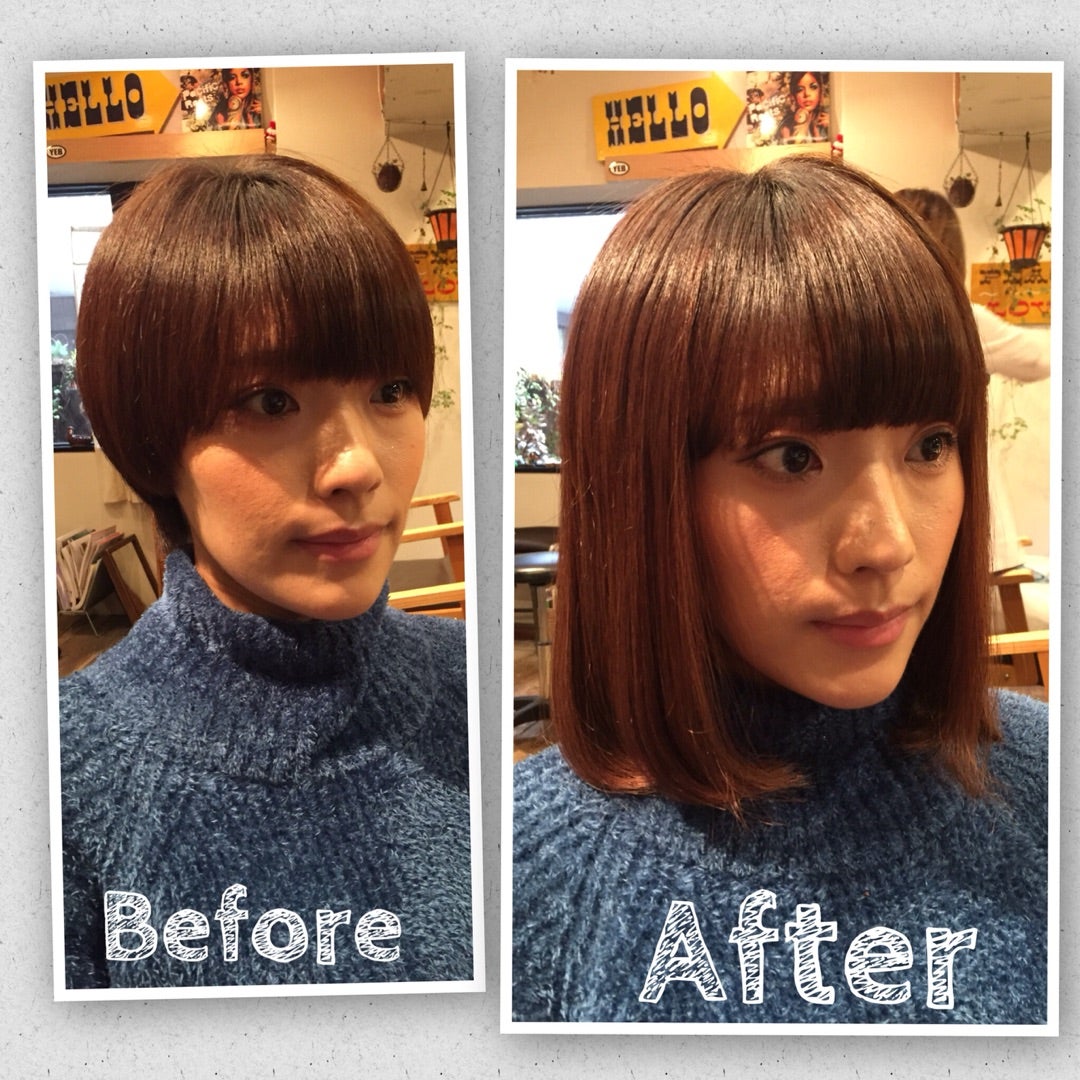
The Razor Work Behind Seamless Blending Techniques
Installing the hair takes care of only half the job. Cutting it into shape determines whether the final style looks authentic or fake.
Directly applying extensions to a short haircut produces the infamous "jellyfish silhouette": a round, puffy bulb of natural hair perched on top of straight, thin lower strands. Eliminating this tell requires natural weight line adjustment.
The stylist must carve out the internal bulk of the client’s existing hair. This step alarms many clients. To make extensions blend seamlessly with a pixie, the perimeter of the natural crop must be softened with a feather razor.
Feather razor texturizing creates tapered, staggered ends on the natural hair. These frayed ends slip into the extension fibers without creating a rigid ledge. Stylists thin out the bottom two inches of the natural crop by 20% to 30%, allowing the added hair to integrate flush with the base. If the stylist attempts to preserve the client's thick natural blunt line, the extensions will split away from the natural hair whenever the head moves.
Visible Track Prevention Around the Hairline and Nape
Short haircuts feature high hair lines along the neck and around the ears. Standard extension mapping places tracks within half an inch of the perimeter. On a pixie grow-out, that approach leaves the bonds visible whenever the client turns their head.
Visible track prevention requires establishing strict safety zones:
- The Nape Buffer: The lowest row of extensions must sit at least 1.5 inches above the bottom hairline. Nape hair that is too short to catch must either be clipped down or blended into an undercut.
- The Temporal Margin: Stylists must leave a 1-inch perimeter free of attachments around the temples and above the ears.
- Staggered Diamond Placement: Placing individual bonds in rigid rows creates unnatural horizontal channels where hair splits. Using a staggered brick or diamond pattern breaks up the seams, giving the impression that the hair grows directly from the scalp.
A stylist mapping a client with uneven post-pixie lengths must prioritize bond safety over total density. Overcrowding weak temporal hair with heavy extension strands causes traction alopecia, leading to breakage that sets the grow-out timeline back by months.
The Maintenance Ledger: Real Upkeep and Service Schedules
Transitioning from a crop to a bob using extensions demands high financial and temporal commitment. Long hair extensions can comfortably go 8 to 10 weeks before maintenance. Short hair extensions cannot.
As natural hair grows half an inch, the attachment point travels downward. On long hair, that drop goes unnoticed. On a bob, a half-inch drop moves the bond out of the safety zone and into plain sight. The bond twists, drops below the crown canopy, and becomes exposed.
Clients must budget for regular salon extension maintenance costs every 6 to 8 weeks. A typical maintenance cycle includes removing the attachments, clarifying the scalp, replacing adhesives or keratin tips, and re-blending the cut.
Annual costs for keeping a bob looking fresh while natural hair grows beneath it consistently run between $3,200 and $5,500, including specialized home care products, sulfate-free cleansers, and silk sleeping accessories designed to prevent track rotation.
Frequently Asked Questions (FAQ)
Can I get extensions if my pixie cut is shorter than two inches?
No reputable stylist will install extensions on hair under two inches. The bonds will show, and the short roots lack the mechanical strength to carry the weight of added hair without tearing.
Will the stylist need to cut my natural hair during the process?
Yes. Natural blunt edges must be softened using texturizing shears or a feather razor. Without blending the natural perimeter, a visible shelf will remain between your natural hair and the extensions.
How long do I need to keep extensions while growing out a bob?
Most clients rely on extensions for roughly 6 to 9 months. That window gives the natural crown and temporal hair enough time to reach the chin line on its own, allowing the extensions to be removed without reverting to a mullet.
Navigating the Move from Crop to Bob
Using extensions to bridge the gap between a short crop and a bob is entirely possible, provided the starting base meets the physical requirements. It is an exercise in structural balance rather than simply adding length. The installation hinges on having sufficient canopy length at the crown, a willing approach to texturizing the natural weight line, and an acceptance of the upkeep cycle.
Before committing, book a dedicated consultation that includes physical strand testing and volume mapping. Look for a stylist whose portfolio showcases clear, daylight photos of short-to-bob transformations taken from the back and sides, rather than just curated front angles. Knowing your measurements and understanding the physical limits of the method ensures you walk out with a balanced, clean bob rather than an obvious cover-up.
