Can You Still Buy Coffee Gum? Stock Availability, Alternatives, and Manufacturer FAQs
For decades, the distinctive brown-and-gold wrapper of Lotte Coffee Gum represented a rite of passage for Japanese youth. First introduced in 1962, the stick gum offered children an accessible taste of an adult luxury during an era when sit-down kissaten coffee shops remained out of reach for school kids. Decades later, empty convenience store shelves have left collectors, international snack enthusiasts, and nostalgic consumers asking why this staple vanished, whether stock remains in circulation, and if manufacturer Lotte plans to bring it back permanently.
📌 Key Takeaways:
- The Discontinuation Driver: Lotte ended standard distribution of Coffee Gum due to a structural collapse in Japan’s stick-gum market, where overall gum production fell by more than 50% between 2004 and 2024 as consumers switched to gummies and mint tablets.
- Current Availability: Standard retail shelves carry zero permanent stock; existing authentic units exist strictly via secondary reseller platforms like Mercari Japan and occasional limited-run retro revivals run by Lotte.
- Direct Flavor Replacements: While Lotte occasionally prints seasonal batches, high-density hard candies like Kopiko and Kasugai Coffee Candy serve as the closest accessible flavor matches for the nostalgic formula.
The 1962 Showa Phenomenon That Introduced Japan to Coffee
Lotte launched Coffee Gum during the height of Japan's Showa-era economic reconstruction. In 1962, imported coffee beans were heavily taxed commodities, making fresh-brewed coffee an aspirational indulgence reserved for business professionals and specialty cafes. Lotte’s confectionery development team engineered the chewing gum to replicate the sweetened, aromatic profile of milk coffee. It became an instant hit across neighborhood dagashiya (penny candy stores), giving millions of school-age children their first exposure to roasted coffee flavor.
The flavor profile avoided the harsh acidity of modern cold brews. Instead, it delivered a mellow, heavily sweetened roast profile balanced with artificial vanilla notes. The gum maintained a continuous production run for nearly three decades, anchoring Lotte's foundational stick-gum catalog alongside Green Gum, Cool Mint, and the citrus-heavy Quick Quench. As urban cafe culture expanded throughout the late 1980s and canned coffee machines colonized every street corner, the novelty of coffee-flavored gum began to fade.
Current Stock Reality: Where to Find Coffee Gum Right Now
Walk into a 7-Eleven, Lawson, or FamilyMart in Tokyo today, and you will not find Coffee Gum on the display racks. Lotte does not maintain active production lines for the product under its primary rolling inventory. The manufacturer has relegated Coffee Gum to its high-demand vintage archives, pulling the recipe out only for episodic promotional campaigns.
Finding genuine packs in 2026 depends on secondary distribution channels and specialty importers:
- Japanese Secondary Marketplaces: Platforms such as Mercari Japan, Yahoo! Japan Auctions, and Rakuten regularly host unopened stick packs from the most recent limited-edition pressings. Prices typically range from ¥800 to ¥2,500 ($5 to $16 USD) per single multi-pack, marking a steep premium over its original ¥100, ¥120 retail price.
- Online Import Retailers: North American and European specialty importers (including Sugoi Mart, Japan Candy Store, and Tokyo Central) occasionally source batches during Lotte's nostalgia campaign windows. These storefronts sell out rapidly, often restricting customer limits per order.
- Don Quijote Vintage Endcaps: Discount chain Don Quijote periodically partners with confectioners to stock dead-stock or reproduction batches in their retro snack sections, though stock remains unpredictable across rural and metropolitan locations.
The Discontinuation Timeline and Market Contraction
The retirement of Coffee Gum was not an isolated corporate accident. It mirrored the sharp macroeconomic decline of Japan’s broader chewing gum sector over a thirty-year window. The All Japan Confectionery Association reports that domestic chewing gum production peaked in 2004 at roughly ¥188 billion before sliding below ¥80 billion entering the mid-2020s. In 2021, gummies officially surpassed chewing gum in domestic revenue for the first time in Japanese history.
| Time Period | Commercial Status | Primary Market Factor |
|---|---|---|
| 1962, 1990 | Standard Nationwide Production | High demand; served as Japan's initial, accessible entry point into coffee flavor. |
| 1990 | Official Discontinuation | Market saturation of canned coffees; shifting consumer demand toward breath-freshening mints. |
| 2011, 2012 | First General Nostalgia Revival | Won first place in Lotte's public fan poll demanding retro product comebacks. |
| 2022, 2024 | Vintage Selection Box Sets | Released alongside Quick Quench, Eve, and Juicy & Fresh in 60th-anniversary retail runs. |
| 2025, 2026 | Discontinued / Secondary Resale Only | Retained purely as an intellectual property asset for periodic, targeted marketing drops. |
Why Lotte Shelved the Stick: Changing Consumer Habits
Lotte did not pull Coffee Gum because of quality flaws or ingredient sourcing failures. The decision came down to retail shelf economics and consumer behavioral changes across Japan. Chewing gum requires ongoing physical disposal; users must wrap spent gum in paper wrappers and locate trash bins. In modern urban centers, outdoor public waste bins are notoriously scarce.
The meteoric rise of hard-tablet mints like Asahi's Mintia and Mondelez's Frisk dealt a massive blow to stick gum. Mint tablets dissolve completely, create zero physical waste, fit into slim trouser pockets, and provide instant breath freshening without ongoing jaw fatigue. Furthermore, the modern smartphone era accelerated the shift. Commuters who previously used chewing gum to break the boredom of public transit began directing their idle attention toward mobile devices instead.
The COVID-19 pandemic compounded these headwinds. Extended mask mandates across Japan made prolonged gum-chewing uncomfortable, driving another immediate double-digit dip in convenience store register turns. Confronted with skyrocketing supply chain costs for aluminum-laminated foil wrap and specialized gum base ingredients, Lotte focused manufacturing capacity on high-margin dental hygiene brands such as Xylitol, permanently squeezing novelty flavors out of daily factory rotation.
Decoding the Flavor: Caffeine Secrets and Modern Candy Dupes
A recurring urban myth claims that Lotte discontinued Coffee Gum because of high caffeine content that posed risks for school children. This rumor is factually inaccurate. Laboratory analyses and manufacturer specifications confirm that Coffee Gum contained zero meaningful caffeine doses. Lotte utilized freeze-dried decaffeinated coffee extracts and food-grade volatile aromatics to deliver the perceived taste of roast beans, ensuring the product remained safe for children to chew in quantity.
For buyers unable or unwilling to pay collector prices on Japanese auction websites, several confections offer direct flavor parity:
- Kopiko Coffee Hard Candy: Manufactured by Indonesian confectionery giant Mayora, Kopiko relies on real roasted Java coffee beans. While Kopiko delivers an actual micro-dose of caffeine (roughly 20, 25 mg per four to five pieces), its rich, sugary coffee profile closely parallels the roasted sweetness of Lotte’s 1962 gum base.
- Kasugai Coffee Candy: Produced in Japan, this hard candy uses real milk solids alongside slow-roasted coffee extract. It mimics the creamy kissaten coffee profile that defined Showa-era confectionery balance.
- Lion Coffee Candy: An old-school Japanese hard drop featuring dual layers of dark roasted coffee extract and sweet milk syrup, matching the exact balance Lotte intended for youth palates in the 1960s.
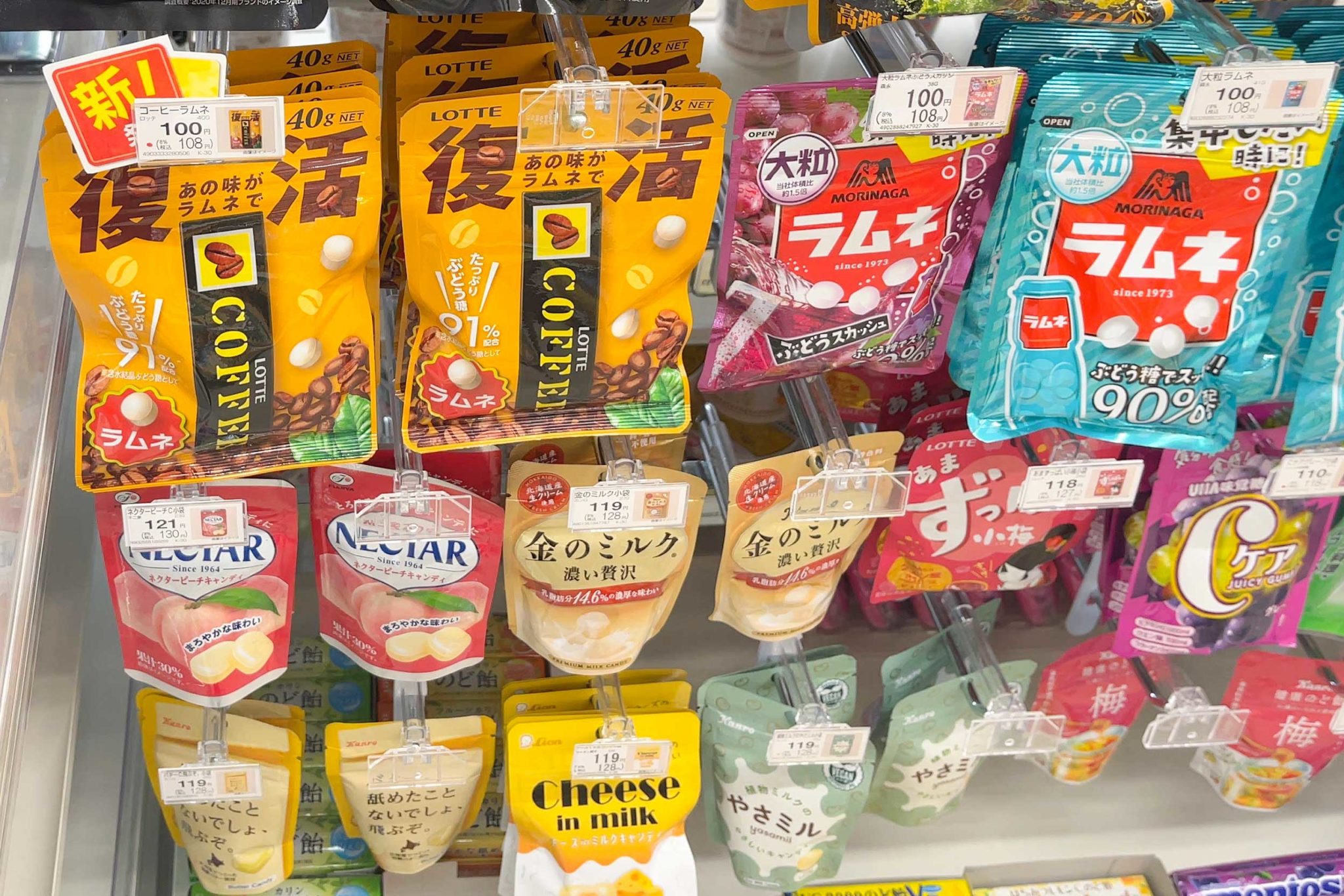
- Lotte Xylitol Cafe Float (Limited Runs): When seeking chewing gum rather than hard candies, Lotte’s occasional cafe-float or coffee-ice variations within its functional gum lines deliver the same synthetic coffee aroma, though without the classic sugar-cane chew dynamics.
Frequently Asked Questions (FAQ)
Q1: Will Lotte ever bring back Coffee Gum as a permanent product?
A1: Lotte corporate filings and PR statements confirm there are no plans to restore Coffee Gum to regular, year-round production lines. The company explicitly reserves the brand for cyclical anniversary events, temporary nostalgia campaigns, and multi-flavor retro variety packs.
Q2: Is vintage Lotte Coffee Gum safe to chew if bought from resellers?
A2: Chewing gum has a very low moisture content, meaning it resists microbial bacterial growth and does not carry a mandatory legal expiration date in Japan. However, packs older than two to three years dry out, oxidize, and turn brittle, disintegrating into tiny bitter fragments instead of maintaining a cohesive chew.
Q3: Did Coffee Gum cause tooth decay or fail modern health regulations?
A3: No. Coffee Gum complied with all Japanese Ministry of Health, Labour and Welfare food additive standards. It left store shelves purely for commercial reasons: declining consumer demand, changing daily chewing habits, and the rise of sugarless mints and fruit gummies.
The Shifting Economy of Retro Japanese Confections
Lotte’s handling of Coffee Gum reflects a broader, calculated transition across Japan's legacy food conglomerates. Familiar heritage snacks are increasingly managed like fashion houses handle archived apparel lines. Keeping a continuous, low-margin stick gum line running at major factory hubs creates unwanted logistics overhead in an era of surging raw material and sugar prices.
By shifting Coffee Gum from standard inventory to an artificial-scarcity marketing lever, Lotte extracts maximum brand equity. Each sporadic re-release generates viral social media engagement, drives consumer foot traffic through convenience store aisles, and converts casual nostalgia into immediate retail velocity. While Coffee Gum no longer exists as an everyday grocery staple, its legacy survives as a strategic cultural touchstone, reappearing just often enough to keep consumers watching the shelves.
