Chuno vs Worcestershire Sauce: The Hidden Kitchen Difference Revealed

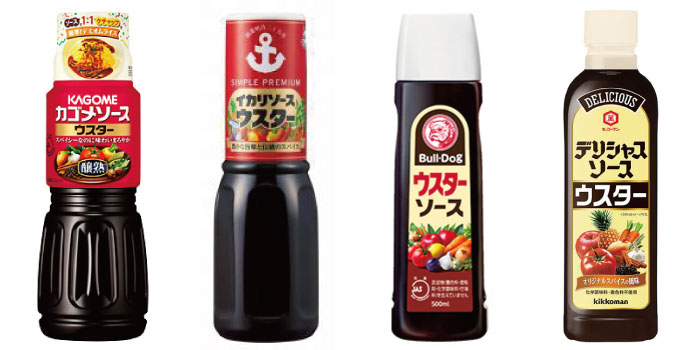
Walk down the condiment aisle of any Japanese supermarket, and you will encounter an imposing wall of dark, rectangular squeeze bottles adorned with bulldog emblems, anchors, and rising suns. For home cooks outside Japan, deciphering the labels poses an immediate puzzle: bottles labeled "Worcestershire" look nearly identical to those marked "Chuno," yet their culinary behavior in the frying pan could not be more distinct. As highlighted in a recent livedoor ニュース Report, even native diners frequently overlook the strict legal formulas and regional histories separating these ubiquitous brown sauces.
The difference between Chuno sauce and Japanese Worcestershire sauce comes down to physical texture, sugar balance, and regional culinary philosophy. Understanding how these condiments diverge transforms the way you glaze fried cutlets, season stir-fried noodles, and balance savory richness at the stove.
📌 Key Takeaways:
- The Viscosity Rule: Under Japanese Agricultural Standards (JAS), sauces are legally classified by dynamic viscosity, setting runny Worcestershire strictly apart from medium-bodied Chuno.
- The Fruit Puree Shift: Chuno incorporates dense purees of stewed apples, tomatoes, and prunes, delivering a rounded sweetness that tames the sharp vinegar bite found in Worcestershire sauce.
- The Regional Fault Line: Kanto home kitchens rely on Chuno as an all-in-one seasoning, while Kansai food culture deliberately avoids it, maintaining dedicated bottles of thin Worcestershire and heavy Tonkatsu sauce.
The British Heritage That Spawned Japanese Sauce Culture
Japanese brown sauce began with cultural exchange during the late 19th century. When treaty ports opened in Yokohama and Kobe during the Meiji era, British merchants brought bottles of Lea & Perrins Worcestershire sauce into port-city hotels. Japanese chefs adapted the pungent English condiment to suit local tastes, filtering out fermented anchovies and leaning into sweetness, aromatic vegetables, and soy-adjacent umami.
By the early 1900s, domestic manufacturers across Tokyo and Kansai had developed Japanese Worcestershire sauce (Usutā sōsu). It was spicy, sharply acidic, and completely liquid. It paired well with Western-style fried meats (yoshoku), cutting straight through beef cutlet grease and panko breading. However, home cooks quickly encountered a practical problem. The sauce was so thin that it soaked directly into crispy panko, turning crunchy cutlets soggy within seconds.
Decoding Viscosity and Sweetness: JAS Standards Explained
To end consumer confusion over thinning agents and watery knockoffs, the Japanese government introduced formal classifications under the Japanese Agricultural Standards (JAS). The Ministry of Agriculture, Forestry and Fisheries drew clear boundaries based on physical measurements of dynamic viscosity taken at 20 degrees Celsius.
Under JAS definitions, Worcestershire sauce must register a viscosity below 0.2 Pascal-seconds (Pa·s). It pours like water, carries a light brown transparency when splashed, and relies on a vinegar backbone laced with allspice, cinnamon, clove, and black pepper. Chuno sauce (literally "medium-thick sauce") occupies the middle tier, legally defined with a viscosity ranging between 0.2 and 2.0 Pa·s. Anything registering above 2.0 Pa·s falls into the heavy category, dominated by Tonkatsu and Okonomiyaki sauces.
| Sauce Category | JAS Viscosity (20°C) | Texture Profile | Primary Culinary Role |
|---|---|---|---|
| Worcestershire (Usutā) | Below 0.2 Pa·s | Watery, acidic, punchy | Yakisoba base, fried rice, stews |
| Chuno (Medium-Thick) | 0.2, 2.0 Pa·s | Velvety, sweet-tangy balance | Korokke, aji fry, all-purpose table dip |
| Tonkatsu (Thick) | 2.0 Pa·s and above | Dense, jammy, fruit-heavy | Pork cutlets, cabbage salad, katsu sando |
The Fruit Puree Secret Behind Chuno’s Balanced Flavor Profile
The difference goes beyond added cornstarch. Chuno gains body through a fundamental reformulation of raw produce. While thin Worcestershire sauce relies on vegetable extracts strained from long simmering, Chuno sauce retains the actual pulp of boiled apples, carrots, ripe tomatoes, onions, and prunes.
Tokyo condiment pioneer Bull-Dog Sauce introduced Chuno to retail markets in 1964, targeting urban households with limited refrigerator space. Bull-Dog realized that city cooks wanted one single condiment that could dress a fried pork chop without running off the meat, yet remain light enough to splash into a pot of Japanese curry. By boosting the fruit puree fraction, food chemists reduced the harsh acetic bite of white vinegar while magnifying natural fructose. The result is a rounded umami profile that clings gently to textured breading.
The Kanto-Kansai Divide: How Geography Dictates What Sits on the Table
Step into an apartment in Tokyo, and you will almost certainly spot a blue-capped bottle of Bull-Dog Chuno sauce. Travel 300 miles west to Osaka or Kobe, and Chuno sauce virtually disappears from family kitchens. This split remains one of the sharpest regional divides in Japanese domestic cooking.
Kanto cooks in eastern Japan prioritize space efficiency and convenience. Chuno sauce acts as their universal Swiss Army knife. It seasons scrambled eggs, tops fried chicken, dresses shredded cabbage, and deepens meat stews. In contrast, western Japan’s Kansai region operates on strict condiment specialization. Western consumers buy thin Worcestershire sauce for marinades and yakisoba, alongside specialized viscous sauces from regional manufacturers like Oliver, Ikari, and Otafuku for okonomiyaki, takoyaki, and tonkatsu.
In Osaka's famous kushikatsu stands, dipping thin skewers into a communal vat requires a watery, acidic sauce that coats instantly without clinging in heavy, sugary globs. Chuno sauce is too thick for kushikatsu and too light for an Osaka-style cabbage pancake. Kansai cooks see compromise where Kanto cooks see versatility.
Master Pairings: From Deep-Fried Cutlets to Yakisoba Seasoning
Matching the right brown sauce to your dish requires balancing pan heat against breading density. Because thin Worcestershire sauce has high moisture and low sugar content, it resists scorching on hot steel. When cooking street-style yakisoba, splashing Worcestershire sauce into the noodles lets steam penetrate the cabbage while caramelizing the pan surface without burning.
Chuno sauce excels where food has uneven surface texture. Potato croquettes (korokke), fried horse mackerel (aji fry), and minced cutlets (menchi katsu) have craggy crusts that swallow watery condiments. Chuno sauce rests on top of the panko ridges, offering fruit-derived sweetness that complements starchy potatoes and rich oily fish.
If a recipe calls for Tonkatsu sauce and you only have Chuno on hand, you can build an effective substitute in seconds. Whisk together three parts Chuno sauce with one part tomato ketchup and a dash of oyster sauce to restore the missing fruit density and viscosity.
Frequently Asked Questions (FAQ)
Q1: Can Japanese Worcestershire sauce be used as a direct 1:1 substitute for British Lea & Perrins?
A1: Not directly. Japanese Worcestershire sauce is significantly sweeter, lower in salt, and free of fermented anchovies. While it works well in braises, it lacks the fish-based funk of British recipes. If using it in Western sauces, add a drop of fish sauce or anchovy paste to compensate.
Q2: Will Chuno sauce burn if used as a stir-fry sauce for noodles?
A2: It can scorch if introduced over high heat. Because Chuno contains high amounts of concentrated fruit sugars from apples and prunes, it burns faster than thin Worcestershire sauce. Stir-fry your noodles with Worcestershire sauce first, then drizzle Chuno over the top just before serving.
Q3: How long do opened bottles of Chuno and Worcestershire sauce last in the refrigerator?
A3: Thanks to their high vinegar and salt content, both keep well. Opened Worcestershire sauce safely retains peak flavor for up to 24 months chilled. Chuno sauce, having higher fruit pulp content, begins oxidizing faster; plan to finish it within 6 to 8 months of opening for optimal flavor.
Navigating the Modern Japanese Condiment Shelf
Expanding your Japanese cooking repertoire means treating brown sauces as distinct tools rather than interchangeable brown liquids. Thin Worcestershire provides the sharp acidity, salt, and heat resistance required for smoking woks and dense marinades. Chuno sauce provides the velvety fruit sweetness needed to balance deep-fried comfort food.
Stocking both bottles eliminates kitchen compromises. Whether coating crunchy tonkatsu or caramelizing noodles over high heat, matching the sauce's viscosity to the pan unlocks true Japanese home cooking.
