Complete Emergency Guide: How to Safely Unclog a Toilet When You Have No Plunger
The water level creeps toward the porcelain rim, refuses to recede, and there is no plunger in the building. In that moment of silent panic, most homeowners reach for chemical drain cleaners or grab their phones to search for round-the-clock repairmen. Yet, as documented in an investigative Yahoo!ニュース Report on residential drainage disasters, sudden backups from insoluble wipes and heavy paper loads can quickly overwhelm domestic waste pipes, spilling out into exterior drainage basins before anyone identifies the blockage.
Before facing a catastrophic overflow or spending hundreds of dollars on an emergency dispatch call, an ordinary roll of kitchen cling film can function as a surprisingly effective hydraulic tool. The technique originated in South Korea and gained viral traction across Japanese home-repair communities, transforming a routine household wrap into a functional pressure membrane. Executing it safely, however, requires understanding the underlying physics, following exact preparation steps, and recognizing when a clog demands professional intervention.
📌 Key Takeaways:
- The Mechanic: Applying multi-layer cling wrap creates an airtight membrane across the bowl, converting flush water and trapped air into targeted downward pressure.
- Critical Precaution: The rim must be bone-dry before taping, and the water shutoff valve should be closed to prevent catastrophic spillage.
- The Scam Risk: Industry data reveals that over 17% of emergency plumbing customers encounter predatory pricing schemes, making basic DIY skills an essential financial defense.
The Physics Behind the Viral Cling Film Rescue
The plastic wrap toilet hack does not dissolve debris. Instead, it relies on basic fluid dynamics. A standard toilet functions through a siphon design: when you flush, water rushing from the tank creates a vacuum in the curved trapway, pulling waste over the weir and into the soil pipe. When an organic obstruction like a toilet paper blockage lodges in the S-bend, the natural siphon fails, leaving water standing stagnant in the bowl.
Traditional plungers work by applying alternating positive and negative pressure directly against the opening at the bottom of the bowl. When no tool is available, cling film acts as a wide-diameter toilet plunger alternative. By sealing the entire upper rim of the porcelain fixture, you trap a sealed pocket of atmospheric air directly above the standing water.
When you initiate a flush, water enters from the tank, compressing that trapped pocket of air. The air pushes upward against the flexible film, causing the plastic to balloon outward. When you push down firmly on that inflated bubble with both palms, you generate rapid water pressure displacement. This force transfers through the standing water column directly to the obstruction, pushing the mass past the toilet siphon jet and completing the trapway clog removal.
Step-by-Step Execution Without Flooding Your Bathroom
Careless execution turns an inconvenient clog into an unsanitary mess. Success depends entirely on bowl preparation and establishing an airtight seal pressure across the rim. Follow these steps meticulously:
Step 1: Shut off the water supply. Locate the angle stop valve on the wall behind the base of the toilet. Turn it clockwise until tight. This is your primary safeguard for toilet bowl overflow prevention. If the tank misbehaves or water rises too quickly, the bowl will not spill over onto your floorboards.
Step 2: Strip and sanitize the rim. Lift both the plastic lid and the toilet seat. Use paper towels and rubbing alcohol to clean and thoroughly dry the porcelain rim. Cling film will not adhere to wet, dusty, or oily surfaces. If air escapes from the edges during the press, the hydraulic leverage drops to zero.
Step 3: Lay down multiple overlapping layers. Pull heavy-duty plastic wrap across the top of the bowl from front to back. Smooth each sheet down firmly against the exterior porcelain sides. Apply at least three to four layers, crisscrossing horizontally and vertically. Seal the entire perimeter with wide masking tape or duct tape to anchor the film against upward expansion.
Step 4: Restore water and initiate the cycle. Turn the shutoff valve counterclockwise halfway to allow water into the tank, then trip the flush lever. Watch the plastic carefully. As water enters the bowl, the trapped air will force the plastic wrap upward into a dome.
Step 5: Apply rhythmic downward force. Place the flats of both hands in the center of the swollen plastic dome. Push straight down with steady, deliberate force, pause, and release. Repeat this two or three times. The trapped air will act as a pneumatic piston, forcing the standing water through the trapway. You will hear a loud gurgle as the water recedes, signaling that the siphon has restored itself.
When Plastic Wrap Fails: Comparing Emergency DIY Options
The cling film method excels at dislodging soft organic waste and light paper obstructions. It will not break through hard foreign objects, toys, or dense sanitary pads. If your plastic seal breaks or fails to shift the blockage, other household remedies can tackle the job before you hire professional help.
Pouring a gallon of near-boiling water mixed with standard dishwashing liquid forms the hot water and dish soap method. The soap lubricates the porcelain trapway while heat breaks down compacted fats and toilet paper fibers. Alternatively, untwisting a wire clothes hanger creates a crude plumbing snake alternative to hook obstructions lodged within the first eight inches of the horn.
| Emergency Method | Primary Mechanism | Risk Level | Estimated Material Cost |
|---|---|---|---|
| Plastic Wrap Seal | Air displacement & downward hydraulic push | Moderate (Splatter if seal bursts) | $1.50, $3.00 |
| Hot Water & Dish Soap | Thermal breakdown & surfactant lubrication | Low (Cracks porcelain if boiling water is used) | $0.50, $1.00 |
| Wire Clothes Hanger | Direct mechanical snagging & boring | High (Scratches bowl glaze permanently) | $0.00 (Household salvage) |
| Flanged Bellows Plunger | Direct hydraulic suction & high pressure | Minimal (Standard industry tool) | $12.00, $25.00 |
The 310,000-Yen Trap: Evading Predatory Plumbing Rackets
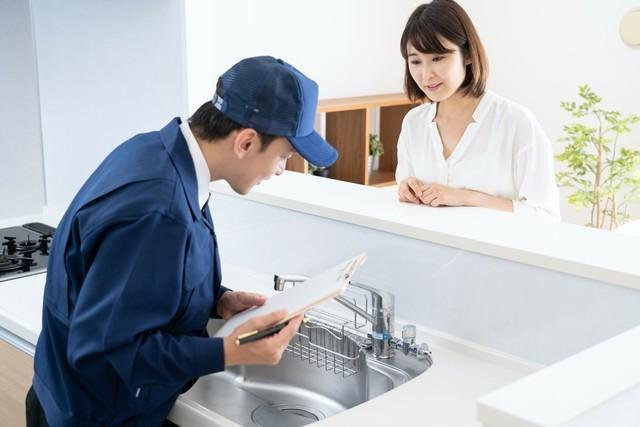
Panic is expensive. When domestic drains fail late at night, many people immediately contact the first high-ranking emergency dispatcher shown in their search results. That impulse regularly carries steep financial risks.
According to survey data compiled by NEXER and emergency repair provider Mizu no Kyukyutai, 17.2% of consumers who called emergency residential plumbing services felt actively exploited or suspected they were dealing with unscrupulous operators. Even more alarming are legal consultations documented by legal portal Bengo4.com. Numerous consumers report receiving sudden, non-negotiable invoices totaling over ¥310,000 (roughly $2,000 to $2,300) for basic emergency toilet unclogging that took less than twenty minutes to clear.
These predatory plumbing scam risks rely on bait-and-switch marketing. Fly-by-night companies advertise base repair fees as low as $5 to $10 on magnet flyers or sponsored search results. Once inside your bathroom, the technician claims the entire toilet must be dismounted from the floor flange or that main lateral pipes have cracked. They exploit the customer's acute embarrassment and hygiene concerns to demand exorbitant contracts on the spot.
To shield yourself from predatory practices, follow three ground rules before authorizing any work:
Never sign a blank work order. If an on-site technician claims that simple clogs require pulling the entire fixture or high-pressure sewer jetting, request an itemized diagnostic in writing. Contact your local water authority or housing management office first; they frequently maintain lists of licensed municipal contractors who operate under regulated price ceilings.
From Sewer Overflows to Off-Grid Sanitation Realities
Domestic plumbing problems rarely develop overnight. In the Yahoo! Japan editorial account, a veteran home organizer detailed how an undetected outdoor sewer basin overflowed with undissolved toilet paper and disposable wipes. The incident forced an overhaul of their daily cleaning habits. Many products marketed as "flushable" break down far too slowly in low-flow gravity toilets, accumulating along pipe joints until total failure occurs.
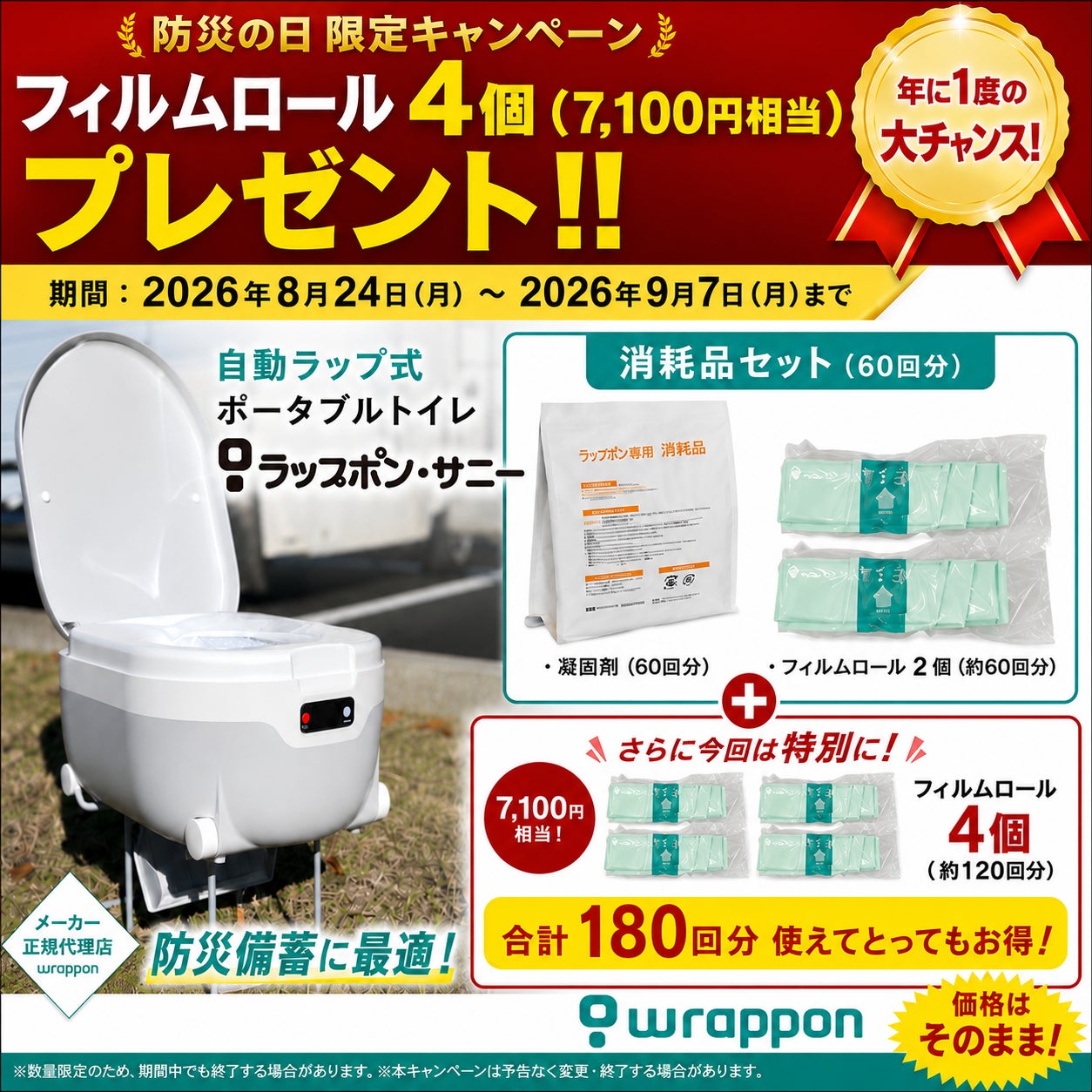
Urban systems face distinct vulnerabilities during municipal water cutoffs, natural disasters, or main lateral collapses. When main lines lose pressure, conventional flushing becomes impossible. This reality has accelerated interest in specialized disaster-relief sanitation gear. Companies like Camping Car Co., known for its specialized outdoor logistics platform, highlighted portable heat-sealing toilet systems like the Wrappon series ahead of Japan's annual Disaster Prevention Day. These systems bypass municipal drainage altogether, utilizing specialized film and thermal crimping to hermetically seal waste without water.
While portable heat-sealing toilets serve off-grid camps and emergency zones, standard city dwellings still run on gravity and pressure. Treating the toilet bowl as a trash bin inevitably leads to trapway blockages. Eliminating heavy paper piles, keeping chemical wipes out of the bowl, and keeping a basic flanged plunger on hand remain the best defenses against sudden plumbing emergencies.
Frequently Asked Questions (FAQ)
Q1: Can boiling water crack a porcelain toilet bowl?
Yes. Never dump rolling boiling water (212°F / 100°F) into a cold toilet bowl. The rapid thermal shock can easily shatter or crack the porcelain fixture, causing thousands of dollars in water damage to the subfloor. Always use hot tap water around 120°F to 140°F (warm enough to dissolve soap, but comfortable to touch).
Q2: What should I do if the plastic wrap balloons up but does not clear the clog?
Do not push with excessive, sharp force, or the wrap could rupture and spray contaminated water across the room. If two gentle compressions fail to clear the trapway, the blockage is likely a foreign object or situated deep inside the soil pipe. Turn off the water valve immediately, remove the wrap, and prepare a mechanical snake or contact a licensed professional.
Q3: How do I know if an emergency plumbing technician is attempting to overcharge me?
A typical clear for an organic paper blockage should run between $100 and $250 in most metropolitan areas. If a contractor quotes thousands of dollars without testing the line with a hand auger first, or insists that your entire toilet fixture must be removed for a simple paper backup, ask them to leave and request a second opinion from a licensed local plumber.
Protecting Your Home Drainage Before Panic Strikes
The plastic wrap method remains a clever, accessible life hack when you find yourself stuck without a plunger. It demonstrates the utility of basic physics in everyday emergencies, turning kitchen wrap and air pressure into a capable domestic tool.
Yet improvisation has clear operational limits. A temporary fix cannot overcome years of mineral scale, tree root intrusion, or misuse of flushable wipes. Treat the cling film trick as a stopgap measure, not a permanent maintenance plan. Purchase a dedicated flanged plunger, inspect your home's exterior cleanout lines once a year, and refuse high-pressure quotes from aggressive dispatchers. A little preparation keeps both your bathroom and your wallet intact.
