Complete Guide to Soul Red Full Repaints: Costs, Paint Matching, and Crucial Advice
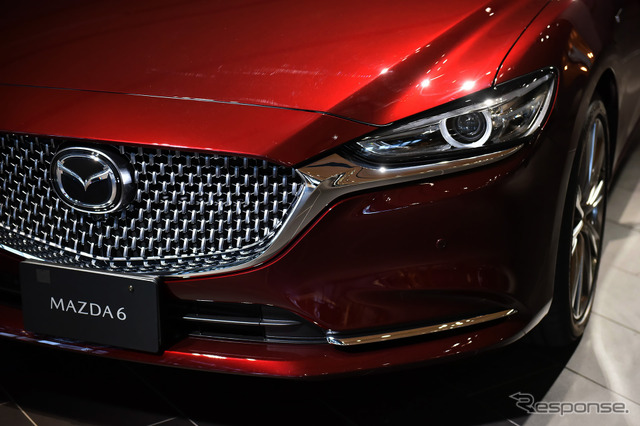
Few factory paint finishes have disrupted automotive restoration culture quite like Mazda’s signature red. What started as an assembly-line showcase on the 2012 Atenza has crossed over into high-end hot rods, track cars, and vintage Japanese classics. As recently spotlighted by a Yahoo!ニュース Report profiling a pristine Nissan S30 Fairlady Z fitted with a 3.0-liter modified L28 engine and modern carbon trim, tuners are stripping legendary chassis bare specifically to coat them in this luminous candy-like finish. Yet undertaking a complete vehicle respray in this color remains one of the most volatile, technically unforgiving investments an owner can make.
📌 Key Takeaways:
- The Chemistry: Mazda’s Takuminuri process relies on a high-chroma translucent tinted clear coat sprayed over an ultra-reflective aluminum flake base, producing high highlight luster alongside extreme shadow saturation.
- The Real Budget: A true bare-metal strip and color-change respray in Soul Red Crystal (paint code 46G) typically costs between $8,500 and $18,000 depending on jamb work, panel disassembly, and booth labor time.
- The Refinish Risk: Because the coating functions like an industrial candy tri-coat, panel-to-panel tone variance and clear coat mil-thickness drift make paint matching and future touch-ups notoriously complex.
From Factory Assembly to Vintage Metal: The Rise of Soul Red Restorations
When Mazda unveiled its robotic painting philosophy dubbed Takuminuri, translating roughly to "master craftsman paintwork", the brand intended to mimic hand-sprayed artisanal depth within high-volume commercial constraints. The original formulation, Soul Red Metallic (paint code 41V), debuted commercially in 2012. It stunned the market by providing a production-line finish with optical depth previously reserved for multi-stage custom show cars.
In 2017, Mazda reformulated the formula into Soul Red Crystal Metallic (paint code 46G). The revised chemistry heightened color saturation by 20% and perceived visual depth by 50%, swapping conventional aluminum flakes for light-absorbing, ultra-thin flakes paired with high-chroma red pigments. By late 2022, marking a decade of continuous development, Mazda pushed the envelope further with Artisan Red Premium Metallic, a deeper burgundy first applied to the Mazda6 20th Anniversary Edition.
This twelve-year evolution altered the aftermarket restoration landscape. Classic platforms that historically wore flat solids or simple metallic enamels, such as the classic Datsun 240Z, first-generation Mazda Miatas, and air-cooled Porsches, are frequently sent into downdraft booths for a complete Soul Red transformation. Modern builders want the kinetic glow of contemporary concept cars on vintage steel silhouettes. The catch lies in translating an engineered, highly calibrated robotic factory sequence into an artisan-sprayed manual booth.
The Physics of Takuminuri: Why Code 46G Acts Like a Tri-Coat Candy
Standard two-stage automotive finishes rely on an opaque color basecoat sealed beneath a transparent protective clear coat. The base layer blocks the primer, aligns the mica or metallic flakes, and dictates the car’s perceived color regardless of how clear resin sits on top.
Soul Red Crystal Metallic throws out that convention entirely. It functions as a complex tri-coat candy paint application involving three distinct layers over a neutral primer:
- The Reflective Base Layer: This foundation combines high-brightness aluminum flakes with light-absorbing flakes. The aluminum flakes lie horizontally flat across the substrate, acting as microscopic mirrors that bounce light outward.
- The Translucent Tinted Clear Coat: Instead of an opaque pigment layer, painters apply a highly transparent, saturated red translucent coat. Ambient light passes through this colored liquid resin, hits the underlying aluminum flakes, and reflects back into the eye of the observer.
- The Final Protective Clear Coat: A pure, UV-resistant protective clear coat seals the system, providing gloss and protecting the color layers from environmental degradation.
This dual-layer optical dynamic creates extreme chiaroscuro. Under direct sunlight, incident light rebounds straight off the aluminum flake reflective layer through the high-chroma red tint, casting an intense, fiery highlight. In ambient shade or along vehicle contours, the light-absorbing flakes consume sideways reflections, dropping the valleys of the bodywork into an inky, near-black crimson.
Because the color saturation relies strictly on the optical thickness of the tinted mid-coat, gun distance, travel speed, overlap percentage, and fluid delivery rate alter the final color. A painter who lays down 1.5 mils of tinted clear will produce a bright crimson shell; apply 2.5 mils, and the identical car will turn deep merlot.
Real-World Budgets: Calculating Full Vehicle Respray Costs
A complete color-change respray is completely different from a standard collision scuff-and-shoot. Coating an exterior skin without removing panels leaves telltale lines in door jambs, engine bays, and under hatch seals. To do justice to a color like 46G, technicians must strip the body to its bare unibody or shell.
Refinishing brands such as PPG, Glasurit, and Standox have engineered specialized repair systems to replicate 46G, but the raw material costs alone run steep. Premium tri-coat toner packages, proprietary mid-coat binders, high-solids clears, and specialized aluminum flake bases demand higher outlays than standard metallic clears.
| Scope of Work | Typical Process & Prep | Estimated Cost (USD) | Turnaround Window |
|---|---|---|---|
| Exterior Mask Respray | Trim taped on car; exterior skin only; no jambs, trunk underside, or inner doors. | $4,500, $6,500 | 1, 2 Weeks |
| Full Disassembly Color Change | Doors, hood, and glass removed; inner jambs, hatch tracks, and edges prepped and coated. | $8,500, $14,000 | 3, 6 Weeks |
| Concours / Rotisserie Strip | Chassis pulled to bare metal; media blasted; engine bay, underside, interior cabin fully finished in 46G. | $15,000, $25,000+ | 2, 5 Months |
Labor represents approximately 65% to 75% of invoice totals. The preparation required for Soul Red is unforgiving. If a technician leaves pinholes, sanding scratches finer than 800-grit, or uneven feathering on the primer, the microscopic aluminum reflective layer will refract the flaw rather than conceal it.
Booth Realities: The Technical Hurdle of Spraying 46G by Hand
In Mazda’s manufacturing plants in Hiroshima and Hofu, industrial robots apply 46G using electrostatic rotary atomizing bells. The spinning cups control flake orientation down to the micron while regulating fluid delivery across sweeping quarter panels with zero human fatigue.
In an aftermarket downdraft spray booth, an experienced master painter holds a manual high-volume, low-pressure (HVLP) spray gun. The physical variables skyrocket:
- If the spray fan passes overlap unevenly, the aluminum flake reflective layer bands together, yielding distinct zebra stripes that become visible only once the car leaves the booth and hits natural daylight.
- Mil-Thickness Drift: Standard clears allow minor variation in dry film build without shifting hue. With 46G’s translucent tinted mid-coat, an extra pass on the lower door skin will make the bottom of the door noticeably darker than the front fender.
- Flash-Off Control: If the tinted clear coat sits too wet, the pigments drift and sink, disrupting light transmission. If it flashes off too fast, dry spray ruins the glass-smooth surface necessary for uniform reflection.
Automotive refinish technicians often spray up to five distinct "let-down" test cards before loading paint into the hopper. A let-down card tests one, two, three, four, and five passes of the tinted mid-coat over the base metallic. Only by holding these stepped cards directly against the vehicle in direct sun, cloudy daylight, and halogen lighting can the painter pinpoint the exact pass count needed to replicate the intended depth.
The Repair Nightmare: Blending Panels vs. Full-Side Resprays
Owners investing in a full Soul Red respray often overlook what happens when road debris, shopping carts, or minor fender benders damage the vehicle down the road.
On a standard single-stage or two-stage finish, spot repair is straightforward. An experienced tech repairs the damage, feathers the basecoat into the center of the panel, and clears out to the edges, a process known as an automotive refinish blend panel.
Soul Red Crystal rejects typical spot blending techniques. If you attempt to feather a tinted clear coat midway through a rear quarter panel, the overlapping passes compound the red toner density, producing a muddy dark halo directly around the repair zone.
Consequently, repairing damage on a 46G vehicle regularly demands painting adjacent panels. A rock chip on a front fender can force a shop to blend the base aluminum layer through the front door skin and entire hood, finishing with a unified clear coat run over three complete body components. For classic builds that receive full custom resprays, owners should ask their painters to document the exact paint brand, mixing ratio, gun tip size, atomization pressure, and pass count to make future body repairs manageable.
Maintenance and Preservation: Guarding Thin, Brittle Clear Systems
Once rolled out into sunlight, a Soul Red build commands immediate attention. But maintaining that visual pop requires an active defense strategy.
Factory Mazda panels coated in 46G faced intense consumer criticism between 2017 and 2023 for premature rock chipping. While an aftermarket refinish will feature a thicker clear coat build than factory robots lay down (typically 45, 60 microns aftermarket versus 25, 35 microns OEM), the layered tri-coat interface remains sensitive to blunt-force impacts.
Owners who commit to a complete respray should budget for paint protection film (PPF) on high-impact zones, including the front bumper, hood, mirror caps, and rocker panels. Because PPF adhesive can occasionally distort flake reflection, use optically pure aliphatic polyurethane films to avoid clouding the candy-coat illusion. Furthermore, high-build ceramic coatings help prevent acid etchings from bird droppings and insect splatter, which degrade tinted mid-coats significantly faster than standard solid pigments.
Frequently Asked Questions (FAQ)
Q1: What is the primary difference between Soul Red Metallic (41V) and Soul Red Crystal (46G)?
A1: Paint code 41V, introduced in 2012, uses a more traditional metallic base structure with red pigments. Code 46G, launched in 2017, features a completely re-engineered tri-coat architecture using light-absorbing flakes and higher-chroma translucent clear coats, resulting in 20% higher color saturation and 50% more depth.
Q2: Can any local body shop execute a complete Soul Red color change?
A2: No. Completing a full color change in 46G requires advanced tri-coat spraying experience, precise let-down card calibration, and tightly managed booth environments. Standard production collision shops geared toward fast turnover often decline 46G full resprays due to the high risk of blotching and color mismatches.
Q3: Is it possible to wrap a car in vinyl to get the true Soul Red Crystal look instead?
A3: While several cast and calendared vinyl manufacturers offer high-gloss metallic red films, no dry adhesive vinyl film can replicate the dynamic chiaroscuro of 46G. Standard wraps lack the physical separation between a reflective aluminum sub-base and an optically clear, tinted liquid top layer.
Strategic Takeaways for Builders and Restorers in 2026
Choosing to respray an entire automobile in Soul Red Crystal Metallic is not a casual cosmetic upgrade. It is an engineering commitment. The depth, vibrancy, and dramatic body-line illumination that make 46G iconic are the exact properties that drive its labor costs high and make touch-ups grueling.
For owners tackling a project like an S30 Fairlady Z resto-mod, a classic roadster, or a bespoke track build, the visual payoff of Soul Red is unmatched by conventional solid paints. Success depends on selecting a body technician who treats the paint booth as an optical laboratory rather than an assembly line, allocating enough funding for complete panel disassembly, and wrapping the completed shell in physical paint protection the moment the clear coat finishes its final cure.
