Complete Home Goalkeeper Training Guide: Drills, Equipment, and AI Tools
Most soccer goalkeepers share a familiar frustration: team practices rarely cater to the person between the posts. While outfield teammates run continuous tactical patterns and shooting circuits, keepers frequently find themselves standing cold or acting as passive targets for finishing drills. That imbalance, long known across youth academies and grassroots clubs as the chronic goalkeeper coaching gap, is finally meeting an aggressive counterweight inside living rooms, garages, and compact backyards. Driven by advances in computer vision, smartphone video motion analysis, and purpose-built indoor gear, solo keeper training has evolved from an ad-hoc chore into a structured, highly quantitative discipline.
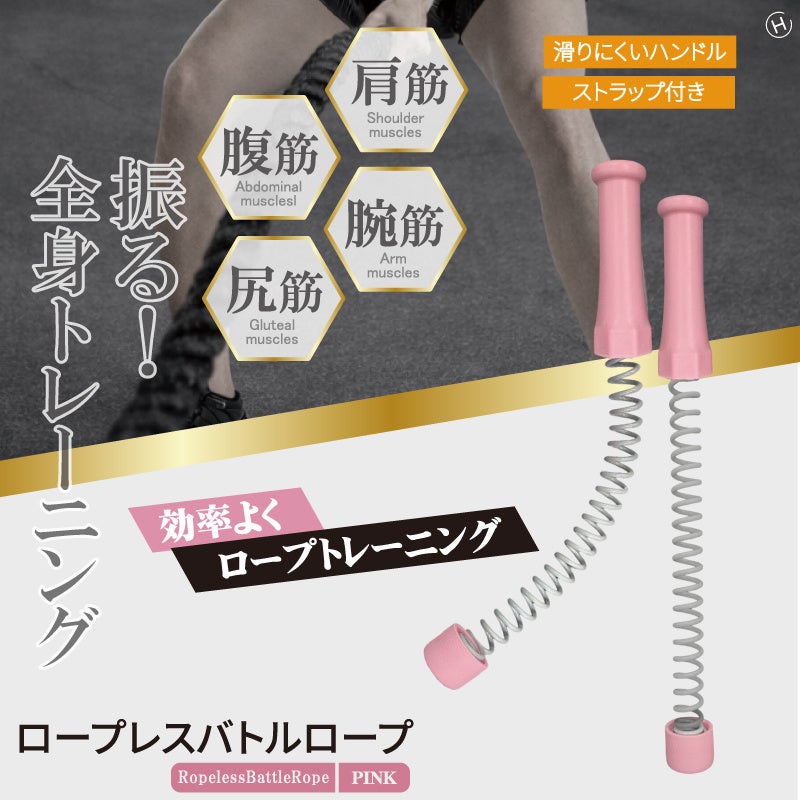
The push toward home-based technical work gained official industry backing in early 2026. According to product launch disclosures and regional sports tech announcements compiled in a PR TIMES Report, developers and fitness manufacturers are designing directly for players lacking dedicated keeper coaches. When Japanese developer Katalab, led by Katsuyuki Hayashi, launched its specialized application "Keeper AI Coach" (キーパーAIコーチ) across the App Store and Google Play on January 26, 2026, the initiative directly addressed team squads that have active keepers but zero specialist training staff. Combined with new compact home conditioning releases, such as Hiro Corporation’s weighted ropeless battle ropes released on April 21, 2026, athletes are now building functional shot-stopping athleticism without needing an open pitch or a personal trainer.
📌 Quick Summary:
- The Coaching Deficit: Thousands of youth and amateur soccer clubs carry full rosters without employing a dedicated goalkeeper coach, leaving keepers technically isolated during regular team practices.
- The Smart At-Home Shift: Solo keepers now use computer vision and video motion analysis to critique set positions, dive geometry, and hand-eye coordination from their smartphones.
- Space-Efficient Conditioning: Compact tools like ropeless battle ropes and high-density reaction balls provide high-intensity explosive power conditioning without destroying living room walls.
Closing the Goalkeeper Coaching Gap from the Living Room
Goalkeeping is fundamentally mechanical. A fraction of a second wasted on an inefficient plant step or improper finger positioning alters the trajectory of a save. In grassroots soccer, however, head coaches must balance tactical shape, passing progression, and squad fitness across 18 to 22 players. The goalkeeper is often left alone in the net with zero specialized feedback on posture, weight distribution, or micro-adjustments.
That systemic neglect creates bad technical habits that compound over years. When an amateur keeper drops a routine cross or gets beaten at the near post, coaches routinely blame a lack of focus. In reality, the failure usually stems from flawed handling and catching mechanics developed during unsupervised warm-ups. Training at home allows keepers to build thousands of correct neuromuscular repetitions in low-impact, distraction-free environments. Ten minutes of deliberate, daily ball handling in an apartment hallway does far more for muscle memory than standing around for ninety minutes at an unstructured team scrimmage.
Handling and Catching Mechanics for Tight Spaces
High-yield home training does not require launching yourself across hardwood floors. World-class handling relies on hand-eye coordination, wrist tension, and micro-movements of the feet. These four fundamental drills require less than six square feet of floor space and zero diving:
1. The Seated W-Catch and Figure-Eight Circuit: Sit flat on the carpet with legs spread wide. Keep your back straight to activate the core. Bounce a regulation soccer ball or a smaller size 3 ball between your legs, catching it out in front with soft elbows. Your thumbs must form an inverted 'W' or diamond shape behind the ball, absorbing impact with relaxed fingertips rather than stiff palms. Transition immediately into smooth figure-eights, weaving the ball around each knee without letting it touch the ground. This sharpens finger strength and spatial awareness around the torso.
2. Wall Contour Taps with Reaction Shifts: Stand roughly three feet from a flat wall in an athletic set stance, knees bent at 120 degrees, weight resting on the balls of your feet, hands positioned at waist height. Throw the ball firmly against the wall, catching it cleanly at chest level. To increase cognitive load, place numbers on the wall or react to random bounce angles using a multi-sided reaction ball. This tightens clean wrist snaps and trains the eyes to track ball seams through varied flight paths.
3. Low-Impact Collapse Rolls: Lay out a standard yoga mat or foam pad. Starting from a kneeling position, roll the ball gently outward along the floor. Shift your hips, push off the lateral edge of your lead knee, and guide your body down smoothly on your side, landing on the muscular lateral pocket between hip and shoulder, without letting your elbows or knee bones slam into the floor. Cushion the ball out in front of your head with two hands, locking top-hand control to prevent spills.
4. Blind Rebound Auditory Catches: Face away from the wall with the ball held at chest height. Toss the ball backward over your shoulder against the wall, pivot 180 degrees the moment you hear the impact, and secure the rebound before it bounces twice. This simple isolation drill sharpens visual acquisition and shortens reaction time during unpredictable deflections.
Indoor Footwork and Reaction Drills
Footwork dictates whether a keeper ever gets their hands into a viable saving window. Sluggish lateral movement forces desperate, flailing lunges that lead directly to spilled rebounds. Training indoor footwork drills in small rooms forces strict economy of motion, teaching athletes to eliminate wasted steps.
Lay down masking tape or use flat non-slip floor markers across a five-foot expanse. Practice sharp lateral shuffles: move side to side without crossing your feet, clicking your heels, or letting your center of gravity bob up and down. Focus on maintaining a stable baseline where your head stays perfectly level. Add micro-hops over a low foam block or rolled towel, sticking the landing on one leg before instantly driving laterally into an explosive set position. The goal is mastering instant deceleration: you must be completely balanced and stationary the moment the imaginary striker strikes the ball.
The 2026 Toolkit: Comparing Traditional and Modern Solo Methods
At-home keeper training has shifted from crude, noisy improvisations toward compact, quiet, and data-backed equipment. Below is a direct comparison of traditional off-pitch training setups against modern 2026 home keeper solutions:
| Training Dimension | Traditional Solo Methods (Pre-2024) | Modern Home Keeper Solutions (2026) |
|---|---|---|
| Upper Body Conditioning | Heavy 30, 50 ft battle ropes requiring massive open spaces, anchors, and loud floor slamming. | Compact ropeless battle ropes with calibrated end-weights for silent, zero-space explosive conditioning. |
| Technical Feedback | Subjective guesswork, mirror checking, or waiting days for unspecialized team coach feedback. | Smartphone-driven AI goalkeeper coach apps offering automated joint tracking and video motion analysis. |
| Reflex & Eye Tracking | Bouncing regulation soccer balls against concrete walls, risking structural scuffs and broken decor. | High-density multi-angle reaction balls, soft foam trainers, and dual-color reaction apps. |
| Program Design | Static YouTube drill mimicry without error detection or tailored physical load management. | Personalized training drills generated from automated video breakdown and biometric tracking. |
Explosive Power Conditioning in Compact Spaces
Raw strength does not make a goalkeeper effective unless it translates into explosive kinetic output. Goalkeepers must produce massive upward and lateral force from deep knee flexion in less than 0.2 seconds. In small apartments or shared living rooms, traditional plyometrics and heavy barbell cleans present obvious safety and noise hazards.
That physical constraint explains why purpose-built compact fitness gear has found rapid adoption among soccer athletes. When Hiro Corporation introduced its cordless ropeless battle ropes (Model HDL-3359) in April 2026, it solved a longstanding equipment bottleneck. Heavy ropes build the rotational core stability, shoulder girdle endurance, and forearm grip power goalkeepers need to deflect high-velocity strikes. Yet traditional 40-foot braided nylon ropes require dedicated commercial gym space and generate excessive floor vibration.
By replacing sprawling cables with calibrated weighted spheres attached to short, high-bearing handles, keepers can replicate rapid double-wave, alternating wave, and lateral slam patterns inside a small room. Pair these cordless resistance circuits with bodyweight jump squats, isometric wall sits, and lateral band walks. This combination conditions the anterior chain and stabilizes the hip abductors, delivering the foundational pop required to launch off the turf on matchday.
How Computer Vision and Video Motion Analysis Correct Technique
The true bottleneck for solo keepers has never been physical effort; it has been the absence of objective eyes on their technique. When a keeper trains alone, they cannot see whether their hands are drifting behind their knees during a set position, or whether their head is dropping during a collapse dive.
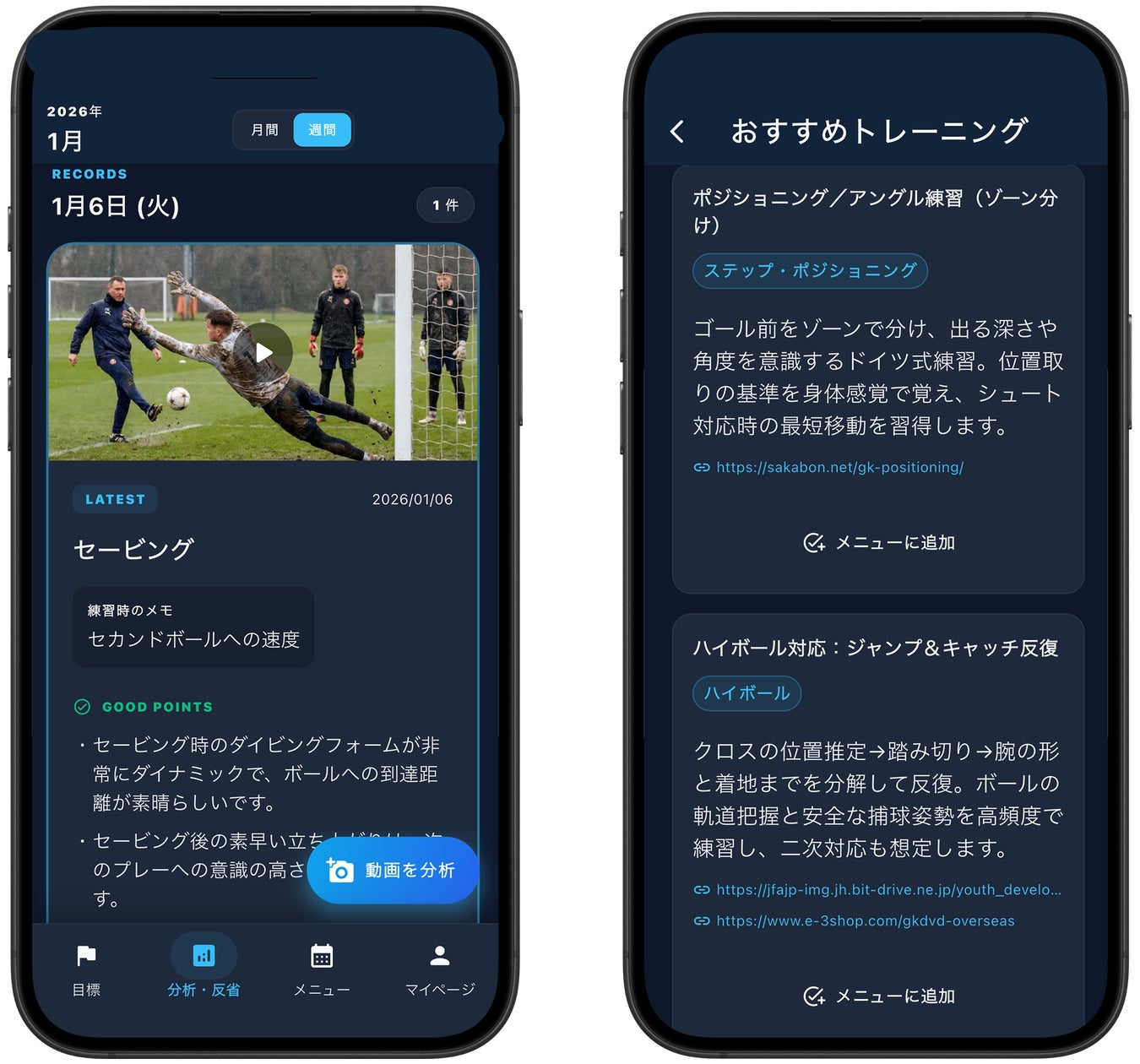
That barrier is falling rapidly under modern computer vision models. Dedicated applications like Katalab's Keeper AI Coach allow goalkeepers to set up a standard smartphone tripod, run through a circuit of footwork or handling routines, and instantly receive diagnostic feedback. The software maps the athlete’s skeletal joints across 30 to 60 frames per second, measuring pelvic tilt, knee separation angle, and the exact trajectory of the hands at the moment of catch initiation.
Instead of guessing whether an afternoon workout was productive, keepers receive actionable performance metrics. If the analysis detects an athlete leaning on their heels or flaring their elbows during high catches, the platform flags the technical error and automatically prescribes targeted corrective sequences. This automated coaching loop brings elite youth academy diagnostic standards directly to grassroots keepers, leveling a playing field historically dominated by affluent private clubs.
Frequently Asked Questions (FAQ)
Q1: Can I train goalkeeper handling indoors without damaging walls or furniture?
A1: Yes. Use a soft-touch indoor felt soccer ball, a foam training ball, or a high-density silicone reaction ball against a clean interior door or smooth drywall. Focus strictly on close-range contour catches, fingertip taps, and seated rolling catches rather than high-velocity volleys.
Q2: How does an AI goalkeeper coach app evaluate my training videos?
A2: Apps like Keeper AI Coach use automated video motion analysis to track key skeletal landmarks, such as knees, hips, shoulders, and wrists, through standard smartphone video. The software calculates your joint angles, reaction delays, and balance symmetry, comparing them against established technical baselines to generate personalized training drills.
Q3: How often should a goalkeeper train at home during the active season?
A3: Keep sessions short and frequent. Three to four 20-minute sessions per week focusing on footwork rhythm, finger strength, and core stability deliver superior neuromuscular adaptation compared to one exhausting, unfocused two-hour weekend workout.
Strategic Takeaways for At-Home Keepers in 2026
The days when goalkeepers were entirely dependent on the presence of a specialized coach are over. High-level shot-stopping has always been a craft built on repetitive micro-movements: the balance of the initial set position, the quietness of the hands, and the economy of lateral footwork. By pairing deliberate low-impact handling drills with compact conditioning gear and computer vision feedback, keepers can take complete control of their individual athletic trajectory. The living room is no longer an excuse for missed development; it has become one of the most effective technical laboratories in modern soccer.
