Crystal Clear vs. Dark Broth: Side-by-Side Proof of How Shiro Dashi Transforms Traditional Oden
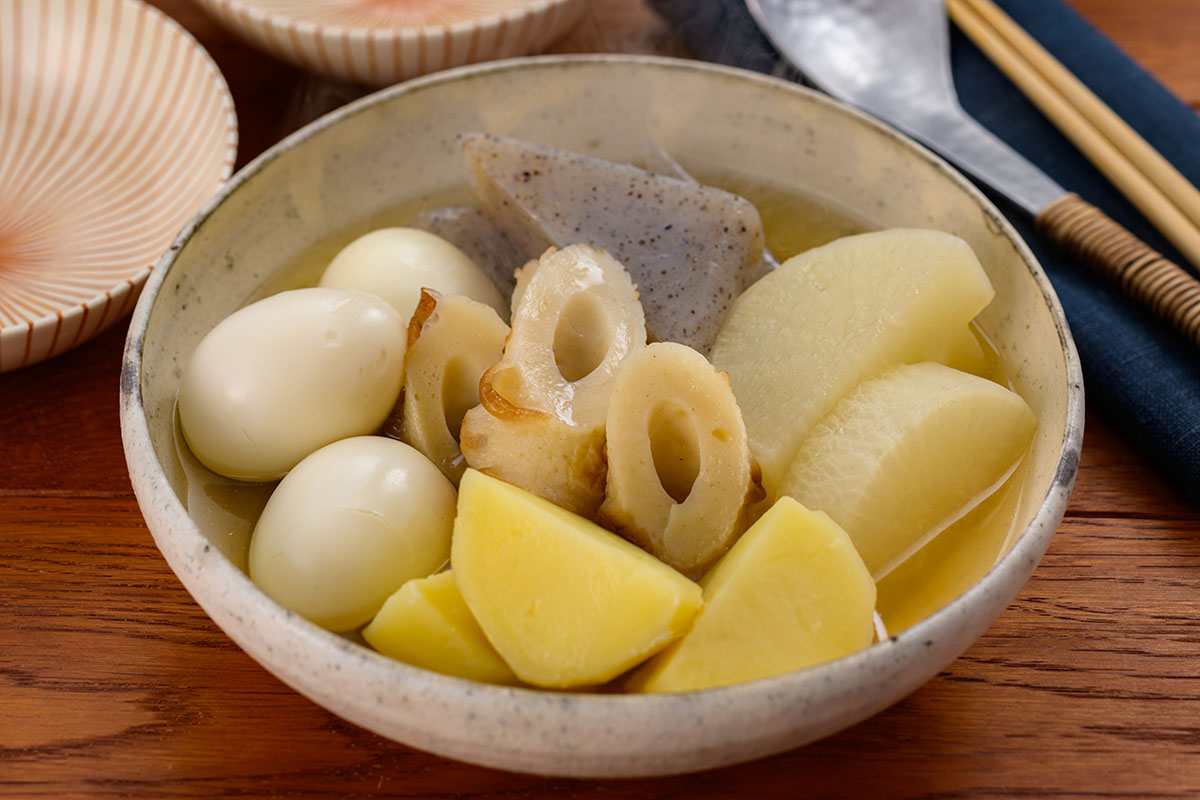
Step inside an old-school izakaya in Tokyo’s Kanda district on a freezing January night, and the oden vat greets you with a deep, murky mahogany simmer. In Osaka or Kyoto, however, the pot tells a radically different culinary story. The broth gleams pale gold, transparent enough to count the sesame seeds on a floating piece of fried tofu. For decades, home cooks believed that achieving that luminous, amber clarity required hours of delicate artisanal extraction using dried bonito shavings and kelp. The quiet revolution sweeping contemporary Japanese kitchens centers on a single bottled catalyst: shiro dashi.
As documented in a recent culinary analysis highlighted by a Yahoo!ニュース Report, home cooks are increasingly abandoning heavy, soy-laden bases in favor of light-profile broths that extract ingredient nuances without muddying the visual presentation. The shift reflects a growing demand for cleaner, vegetable-forward home dining where visual elegance matches structural flavor depth. Converting this Japanese winter stew from a heavy stew into an ethereal centerpiece requires understanding the chemical behavior of wheat-based white soy sauce, meticulous ingredient preparation, and strict thermal control.
📌 Key Takeaways:
- The Visual Shift: Shiro dashi relies on fermented wheat-heavy white soy sauce, preserving the natural jewel tones of vegetables instead of dyeing them dark brown.
- The Temperature Secret: Broth clarity collapses above 90°C; maintaining a gentle simmer cooking method between 80°C and 85°C prevents cloudiness and emulsion.
- The Pre-Treatment Rule: Crystal clear oden broth demands parboiling konjac and blanching nerimono fish cakes to remove surface oils that spoil clarity.
The Chemistry of the Golden Broth and White Soy Sauce
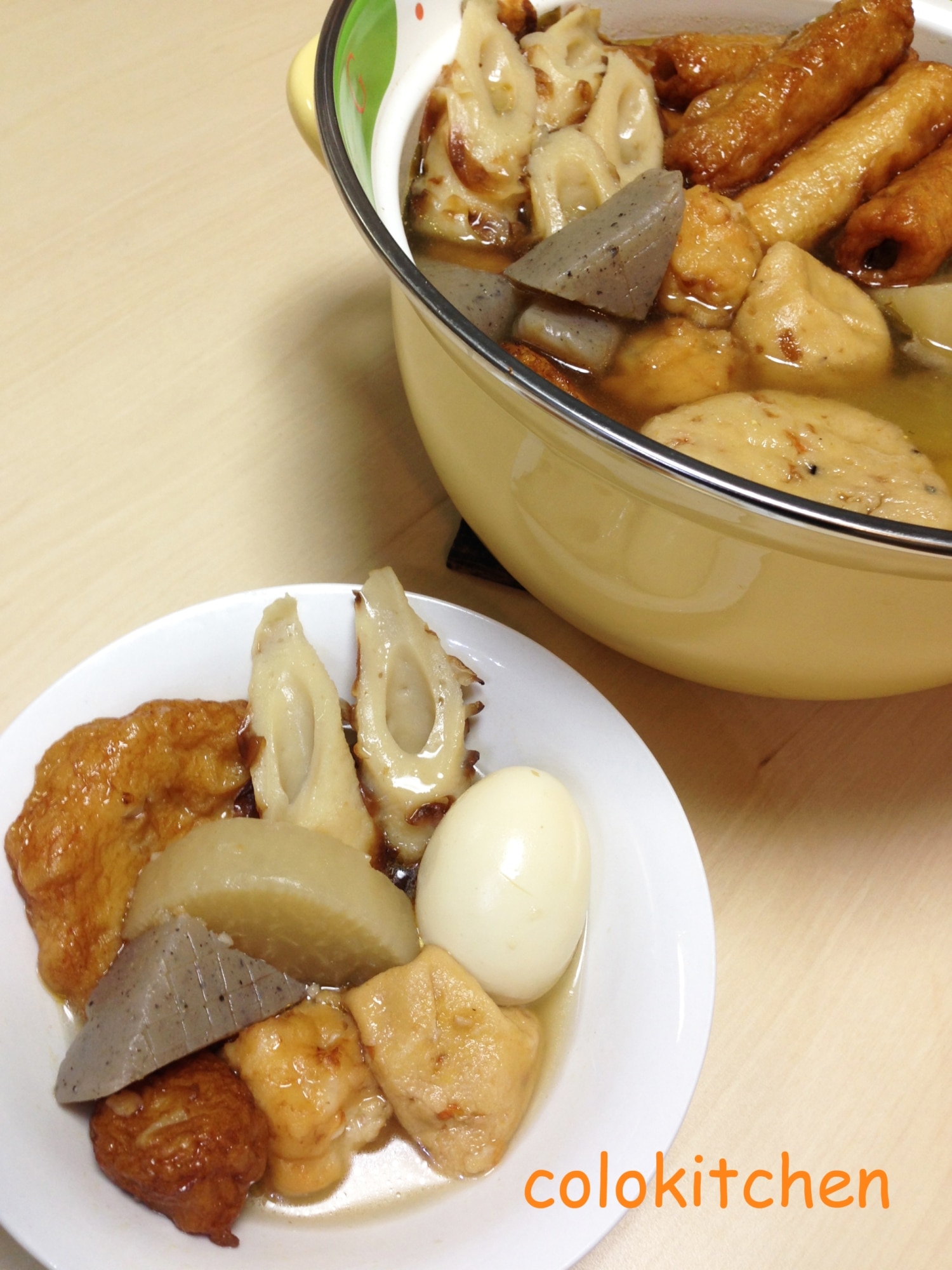
Standard dark soy sauce (koikuchi) dominates eastern Japan. It brings substantial caramel color, roasted aroma, and heavy melanoidins created through high-soybean fermentation. When poured into a stewing pot, it acts as a culinary dye. Daikon turns the shade of antique oak; boiled eggs lose their ivory exterior within minutes.
Shiro dashi upends this dynamic entirely. The base liquid pairs concentrated dashi, derived from kombu, katsuo flakes, and sometimes dried shiitake, with shiro shoyu (white soy sauce). White soy sauce flips the grain ratio of conventional brewing, utilizing up to 90 percent wheat alongside a small proportion of soybeans. The low-temperature fermentation suppresses the Maillard reaction.
The outcome is an ultra-pale, straw-colored concentrate boasting an unexpectedly high salt volume (around 15 to 18 percent) alongside concentrated glutamates and inosinates. It delivers an assertive umami flavor infusion without introducing pigmented compounds. The food absorbs deep savory seasoning while retaining its native colors: pale jade daikon, bright white fish patties, and pale yellow egg yolks.
Side-by-Side Reality: Visual Transparency Versus Umami Infusion
Traditional purists often argue that pale broths lack substance, mistaking optical transparency for weak seasoning. In blind tastings, Kansai style oden crafted with a shiro dashi base routinely challenges this assumption.
Because dark soy sauce contains powerful aromatic esters, it can easily mask the delicate sea sweetness of white fish cakes (nerimono) or the clean, earthy mineral notes of Japanese winter squash. A shiro dashi base operates as an acoustic amplifier rather than a loud instrument. It sets up an umami foundation that pulls out the distinct characteristics of each simmered element.
Visual appeal drives modern home dining. Food cooked in dark oden broth eventually resembles a uniform brown mass after four hours on heat. In contrast, a shiro dashi pot displays distinct aesthetic contrasts: vibrant orange carrot disks, stark white daikon cylinders, and patterned fried tofu pockets nestled together in glass-clear liquid.
| Culinary Parameter | Classic Kanto-Style Pot | Shiro Dashi Kansai-Style Pot |
|---|---|---|
| Base Liquid Profile | Koikuchi dark soy, mirin, sake, dashi | Shiro dashi, sake, water, light mirin |
| Target Simmer Range | 85°C, 92°C | 80°C, 85°C (Strict Sub-Boil) |
| Broth Appearance | Deep brown, partially opaque | Pale golden amber, glass-clear |
| Daikon Cross-Section | Deep brown rim, dark interior | Translucent ivory to the core |
| Primary Salt Vector | Brewed dark soy sauce | White soy sauce base with sea salt |
The Technical Blueprint: Dilution Ratios and Thermal Control
Precision separates home-cooked soup from restaurant-grade oden. A common mistake when using store-bought shiro dashi concentrate is over-concentration. Commercial bottles vary considerably, but universal dashi dilution guidelines for oden suggest a ratio between 1:9 and 1:11 (concentrate to water).
Begin by combining 100 milliliters of high-grade commercial shiro dashi with 1,000 milliliters of fresh cold water in a wide, heavy-bottomed Dutch oven or an earthenware donabe. Add one tablespoon of dry sake and a teaspoon of mirin to round out the back-palate sweetness. Resist the urge to add granulated dashi powders; synthetic flavor granules often contain insoluble anticaking agents that will fog your broth.
Thermal regulation governs broth clarity. Bubbles are the enemy of crystal clear oden broth. Once the pot hits 95°C or higher, rolling bubbles batter the delicate fish cakes, knocking loose fine particulate matter that permanently clouds the liquid. Furthermore, boiling forces oils from fried tofu to emulsify into the water. Keep the burner at an ultra-low setting where the liquid's surface barely ripples, holding steady between 80°C and 85°C.
Ingredient Architecture: Taming Daikon, Konjac, and Nerimono
Simmered daikon radish serves as the ultimate test of oden craftsmanship. To allow the golden broth to penetrate without fracturing the vegetable, cut daikon into thick rounds measuring roughly 3 centimeters. Bevel the top and bottom sharp edges with a vegetable peeler, a classical technique known as mentori, to prevent the exterior from crumbling as the pectin softens. Score a shallow cross into one side of each cylinder.
Never place raw daikon directly into seasoned dashi. The vegetable's natural enzymes and pungent sulfur compounds will sour the broth. Submerge the rounds in a pot of cold water with a tablespoon of uncooked white rice (or cloudy rice-washing water) and boil for 20 minutes until a bamboo skewer glides through the center. Drain and rinse gently. The rice starch leaches out raw bitterness, clearing the root’s microscopic pathways to soak up dashi like a sponge.
The konjac parboiling technique requires similar discipline. Konjac blocks contain calcium hydroxide from the coagulation process, which carries a faint chemical odor capable of ruining a delicate soup. Slice the block into triangles, score a fine crisscross lattice over both sides to maximize surface absorption, massage with a pinch of coarse sea salt, and boil vigorously in plain water for 3 minutes before draining.
Nerimono fish cakes, including chikuwa, gobomaki, and satsuma-age, require degreasing (aburanuki). Place them in a colander and pour a full kettle of boiling water over them. This washes away stale surface frying oil that would otherwise leave a rancid sheen across the golden broth.
For the eggs, skip hard-boiled rubber yolks. Cook medium-large eggs in boiling water for exactly 6 minutes and 30 seconds, plunge them into an ice bath, peel carefully, and introduce these soft-boiled seasoned eggs to the warm pot during the final 30 minutes of gentle cooking.
The Overnight Cooling Curve and Flavor Saturation
A fundamental rule of Japanese braising states: Flavor enters as the food cools down.
As temperature decreases from 80°C to room temperature, cell walls contract slightly, drawing surrounding seasoned broth deep into their internal structures via osmotic pressure. Simmering ingredients for six continuous hours does not improve them; it merely disintegrates their fibers and overcooks fish proteins into rubber.
The professional method requires cooking your assembled pot on low heat for 45 to 60 minutes, ensuring the broth never boils. Turn off the heat completely. Cover the pot with a clean kitchen towel under the lid to capture condensation drips, and let the entire vessel rest undisturbed on the counter for at least 4 hours, or ideally overnight in the refrigerator.
When you re-warm the pot the following evening for dinner, keep the flame low once more. The daikon will have transformed into a soft, glass-like jewel saturated with dashi to its core, perfectly retaining its pale, crystalline beauty.
Frequently Asked Questions (FAQ)
Q1: Can I use standard dashi powder instead of bottled shiro dashi?
A1: You can, but you must construct your own base using light-colored seasoning. Mix 1,000 ml of scratch-made kombu and bonito stock with 3 tablespoons of usukuchi (light-colored) soy sauce, 1 tablespoon of mirin, and half a teaspoon of sea salt. Do not use dark soy sauce if your goal is a pale, golden broth.
Q2: Why did my shiro dashi broth turn cloudy even though I never boiled it?
A2: The most common culprit is skipped surface prep on fried items. If deep-fried tofu (*atsu-age*) or fried fish cakes (*satsuma-age*) are added without first being scalded with boiling water, their frying fats dissolve into the broth and turn it milky.
Q3: How long can I keep homemade shiro dashi oden in the fridge?
A3: Stored in an airtight container with ingredients fully submerged, it keeps safely for 3 to 4 days. Remove soft-boiled eggs after 48 hours to prevent the yolks from curing into a hard, salty paste.
Mastering the Winter Pot in 2026
Cooking oden with shiro dashi bridges classic Japanese comfort food and modern, light-touch cooking techniques. By swapping heavy dark soy sauces for an amber white soy concentrate, you give traditional winter ingredients space to present their native flavors and colors.
The process rewards patience and thermal restraint over raw cooking power. Once you master the beveling of daikon, the quick parboil of konjac, and the discipline of a sub-simmer heat profile, your table gains a centerpiece that is as strikingly beautiful to look at as it is warming to eat.
