Diagrams and Visual Placement Guide: Locating Truck Power Steering Fluid Tanks by Make
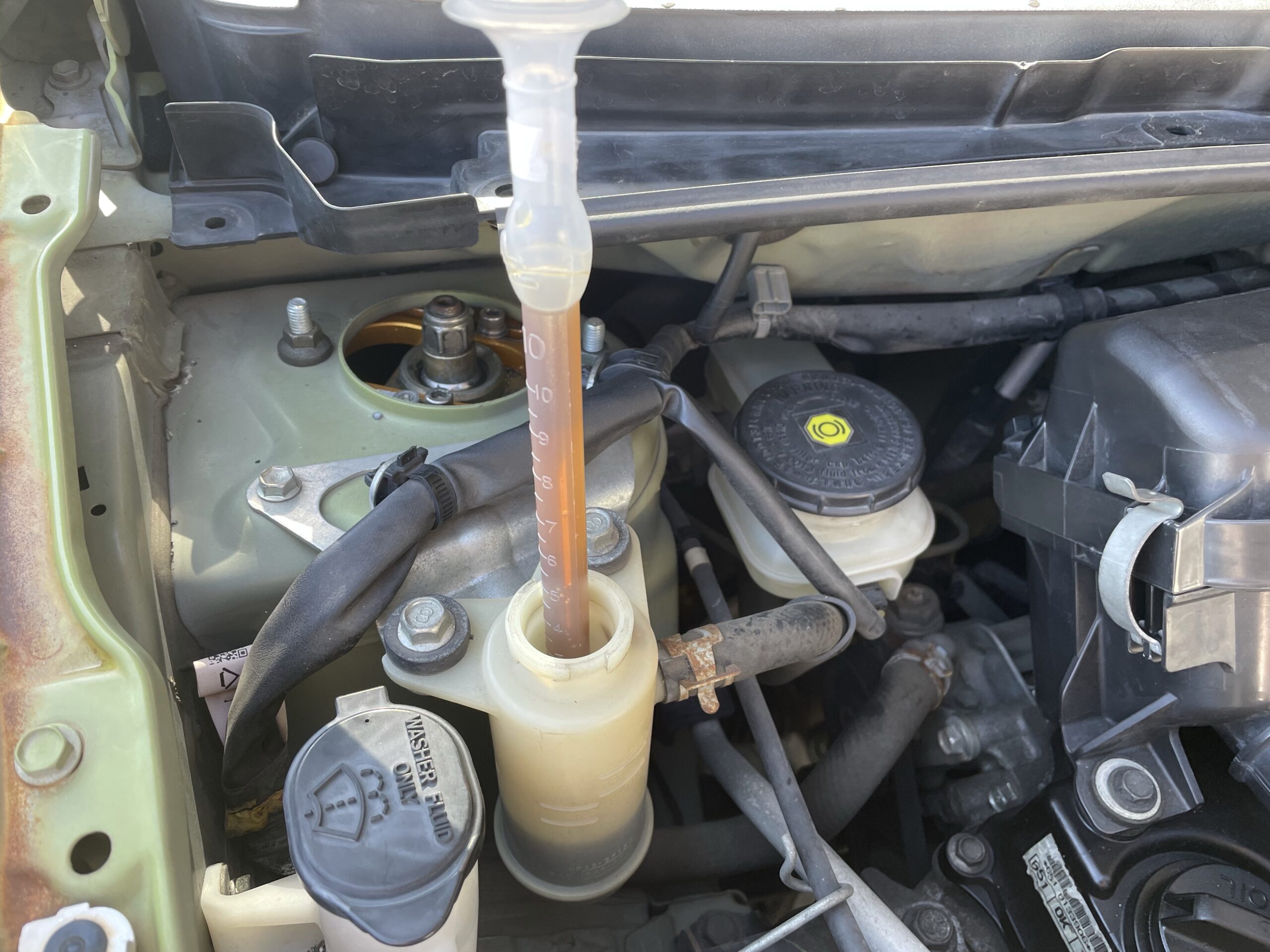
Fleet operators and owner-operators running regional deliveries lose precious pre-trip inspection time trying to find fluid access points on modern commercial trucks. Unlike passenger cars with standard front-latching hoods, commercial cabover and medium-duty chassis conceal their hydraulics behind chassis rails, steer tires, or under the floorboards. When steering assistance fails during low-speed backing or tight urban dock maneuvers, tracking down the power steering fluid reservoir becomes an urgent priority.
A dry steering pump can ruin thousands of dollars in mechanical hardware within minutes of highway operation. Finding the tank quickly keeps trucks compliant with Department of Transportation (DOT) pre-trip inspection rules and prevents catastrophic pump cavitation on the road.
📌 Key Takeaways:
- Cabover Access: Most medium-duty Japanese and European cabovers require disengaging the exterior tilt cab access latch behind the passenger step well to expose the engine bay.
- Chassis Mounting Points: The power steering tank sits directly on the driver-side frame rail or mounts atop the hydraulic steering pump location driven by the engine geartrain.
- Fluid Specifications: Mixing generic power steering fluids with required automatic transmission fluids like Dexron ATF compatibility ratings destroys internal seals and voids steering box warranties.
Why Commercial Truck Power Steering Tanks Are Hidden Away
Passenger vehicles line up maintenance reservoirs directly across the upper radiator cowl for easy consumer access. Heavy commercial trucks follow a completely different engineering logic dictated by axle weight distribution, cab-over-engine (COE) packaging, and chassis vibration isolation.
Medium-duty workhorses like urban delivery flatbeds place the entire driver compartment above the front axle. That spatial constraint puts the power steering fluid reservoir deep inside the heavy-duty truck engine bay, attached to the frame rail, or tucked behind the front left steer tire. On Class 4 through Class 7 cabovers, locating this tank requires disengaging the secondary safety hook and pulling the exterior tilt cab access latch.
Conventional vocational trucks from Freightliner, Peterbilt, or International use front-tilting fiberglass hoods. Yet even on these long-nose rigs, engineers mount the hydraulic tank low on the driver-side frame rail to maintain a gravity feed to the steering gear box supply line. If a driver looks straight down through the fender gap expecting a clear plastic car-style bottle, they will miss the heavy nylon or stamped steel canister sitting beneath the air intake ducting.
Locating the Tank on Cabovers: Isuzu NPR, Hino, and Fuso Placement
Finding the hydraulic fluid port on cabover trucks depends on the manufacturer's cab pivot geometry and fluid routing.
On an Isuzu NPR steering fluid tank, drivers often search under the seat panel in vain. To access it, walk to the passenger side behind the cab, unlock the primary mechanical safety lever, release the tilt cab access latch, and raise the cabin until the safety torsion bar locks in place. Looking down at the engine's left-hand flank (the vehicle's driver side), the reservoir is a translucent white nylon container or a black cylindrical steel tank mounted forward of the turbocharger plumbing.
The Hino truck reservoir diagram reveals a different approach across the 155, 195, and L-Series lineup. On Hino COE trucks, the reservoir sits low along the driver-side chassis rail near the steering column base. On conventional Hino L6 and L7 models, pop the front hood latches; the tank is bolted directly beside the radiator shroud on the driver side, linked by high-pressure hoses straight down to the steering gear.
Mitsubishi Fuso fluid placement varies sharply by generation. Older Fuso Canter and FE models place the hydraulic reservoir under the cab, accessible only when tilted. However, late-generation Fuso Canters incorporate an inspection flap behind the front grille or under the passenger footwell step, allowing quick commercial truck fluid check routines without tilting the entire cab assembly.
| Truck Make & Platform | Physical Mounting Location | Access Method Required | Standard Factory Fluid Spec |
|---|---|---|---|
| Isuzu NPR / NQR / NRR | Driver-side mid-engine, near steering column base | Tilt cab fully forward using side latch | Dexron III / Dexron VI ATF |
| Hino 155 / 195 Cabover | Chassis rail mount below cab floor, left side | Tilt cab assembly forward | Dexron ATF or OEM Power Steering Fluid |
| Mitsubishi Fuso Canter / FE | Left engine bay or behind side service access door | Tilt cab or open exterior lower service flap | Genuine Fuso Power Steering Fluid / ATF |
| Freightliner M2 106 | Driver-side firewall or front left frame rail | Release dual hood side latches, tilt hood | TES-389 / Dexron III Synthetic ATF |
| Kenworth T270 / T370 | Engine accessory drive bracket, driver flank | Tilt hood forward over front bumper | Heavy-Duty Hydraulic / 15W-40 or ATF |
Reading the Gauge: Dipstick Level Cold vs Hot Marks
Checking the level on a commercial hydraulic steering system requires precision. Unlike brake fluid reservoirs that stay static, power steering fluid expands considerably under normal duty cycles. Operating temperatures across regional delivery routes routinely hit 160°F to 180°F (71°C to 82°C).
Remove the reservoir cap to inspect the attached indicator rod. You will see two distinct measurement bands: "COLD" and "HOT."
Checking fluid during a 6:00 AM pre-trip before turning the ignition key requires looking exclusively at the dipstick level cold vs hot markings on the low end. The fluid should sit between the minimum and maximum lines on the COLD indicator. Filling a cold reservoir to the HOT mark leads to hydraulic overflow. As the truck maneuvers through freight terminals and hydraulic pressures climb past 1,500 PSI, the expanding oil escapes through the reservoir breather cap. That mist coats hot exhaust manifolds, creating an active fire risk.
Check the hot level only after the engine has run for at least 20 minutes and the steering wheel has been cycled lock-to-lock twice while stationary. The fluid level should rest near the upper threshold of the HOT indicator. If fluid appears milky or frothy on the dipstick, air is leaking into the suction circuit.

Diagnosing Low Fluid Whining Noise Symptoms and Air Ingestion
A dry hydraulic circuit does not fail silently. When fluid drops below the internal pickup tube, the steering pump draws air into the pump vanes.
The first warning sign is an unmistakable low fluid whining noise symptom that rises in pitch as engine RPM increases. The pump screams during parking maneuvers, where front-axle loads demand maximum hydraulic pressure. If left unaddressed, the steering wheel develops a jerky, notched resistance known as "morning sickness" or hydraulic shudder.
Air Enters Suction Line ──> Fluid Emulsifies (Aeration)
│
▼
High-Pitched Whine Under Load ──> Pump Cavitation & Heat Spike
│
▼
Vane Metal Flakes Enter Supply Line ──> Steering Gear Box Failure
Aeration destroys internal hydraulic clearances. As tiny air bubbles collapse under hundreds of pounds of pressure inside the pump, they pit the pump rotor and wear down the cam ring. Metallic particles then circulate through the steering gear box supply line, grinding away internal valve seals. What could have been fixed with an eight-dollar bottle of fluid turns into a $2,400 replacement of both the gear box and pump.
Fluid Specifications: Dexron ATF Compatibility vs Power Steering Oil
Fleet maintenance bays frequently make the mistake of pouring amber universal power steering fluid into commercial trucks designed for transmission oil.
Most Japanese medium-duty haulers, including Isuzu, UD Trucks, and older Fuso trucks, run on automatic transmission fluid. These systems require Dexron ATF compatibility ratings, predominantly Dexron III or synthetic Dexron VI. The fluid inside these reservoirs is bright cherry red, not clear or amber.
Pouring standard ISO 32 or ISO 46 mineral hydraulic oil into a system built for Dexron ATF causes nitrile and silicone steering seals to swell and rupture. Heavy-duty domestic trucks like Peterbilt or Freightliner may specify either synthetic ATF, Allison TES-389 fluid, or straight 15W-40 engine oil depending on the steering gear setup (such as Sheppard vs TRW/Ross gear boxes). Always check the embossed lettering on the reservoir cap before pouring fluid into the tank.
Inspecting Lines, Clamps, and the Steering Box Supply Circuit
Locating the reservoir offers the perfect opportunity to inspect the entire hydraulic circuit for structural wear. Low fluid levels mean hydraulic oil is escaping somewhere down the line.
Start by checking the steering gear box supply line, a reinforced low-pressure hose feeding fluid from the reservoir base into the gear pump. Inspect the crimped end fittings and worm-gear clamps for wet grime or slow weeping. Vibration from regional hauling frequently loosens these return fittings.
Next, trace the high-pressure steel-braided line exiting the pump. This line carries fluid pressurized up to 2,000 PSI directly to the steering gear box mounted against the front axle spindle. Look for chafing where the rubber hose touches the frame rail or brake air lines. Road debris kicked up by the steer tires can wear away external casing layers, risking an abrupt blowout during full-lock turns.
Frequently Asked Questions (FAQ)
Q1: Can I check the power steering fluid on an Isuzu NPR without tilting the cab?
A1: No. While engine oil dipsticks and coolant overflow tanks on select models feature remote sight glasses accessible near the driver door, checking and filling the Isuzu NPR power steering reservoir requires unlatching and tilting the cab forward to access the tank cap safely.
Q2: Why is the power steering fluid in my commercial truck bright red?
A2: Many commercial truck builders use Automatic Transmission Fluid (ATF), primarily Dexron III or VI, rather than clear power steering fluid. Red dye is deliberately added to ATF to help technicians identify fluid leaks quickly during undercarriage inspections.
Q3: How much fluid should I add if my steering pump starts whining?
A3: Add fluid gradually in increments of 4 to 8 ounces (120 to 240 mL). Recheck the dipstick between pours to avoid overfilling. Once full, start the truck and turn the steering wheel smoothly from lock to lock three times to bleed out trapped air bubbles.
Maintaining Commercial Steering Reliability
Commercial steering maintenance requires disciplined inspection habits rather than reactive emergency repairs. Daily pre-trip routines should prioritize visual checks of reservoir levels alongside tire pressure and brake air lines. Catching low fluid levels on the cold dipstick indicator prevents expensive roadside breakdowns, keeps commercial delivery routes on schedule, and protects hydraulic hardware from premature failure. Take two minutes during your morning walk-around to secure the cab latches, clear line chafing points, and keep fluid levels where they belong.
