Did Akuta Really Get Married? The Shocking Epilogue of Magical Girl Apocalypse

Kentaro Sato’s Magical Girl Apocalypse (Mahou Shoujo of the End) remains one of the most unhinged horror manga of the 2010s. Running in Bessatsu Shōnen Champion from 2012 to 2017 across 16 collected volumes and 64 chapters, the series threw readers into an unrelenting meat-grinder of cosmic entities, temporal resets, and grotesque parodies of magical girl tropes. Yet out of an entire cast pushed through horrific body horror and psychological trauma, no character generated more intense debate than Rinpataro Akuta.
Introduced as a thoroughly corrupt, predatory police officer whom readers desperately wanted dead, Akuta transformed across the apocalyptic war into a bizarre anti-hero. By the time the final timeline settled, persistent rumors erupted across Japanese forums and Western fan communities suggesting that Akuta quietly married in the peaceful future. Digging through Chapter 64 and Sato’s concluding materials reveals what actually happened to manga’s most notorious cop.
📌 Quick Summary:
- The Marriage Reality: Rinpataro Akuta does not officially marry on-panel in the final epilogue of Magical Girl Apocalypse, debunking widespread fan claims of a confirmed wedding.
- Where the Rumor Started: Speculation grew from Chapter 64’s multi-year timeskip montage, where characters were shown in peaceful domestic settings, alongside fan theories pairing him with Miu Inuzuka.
- The True Timeline Fate: Akuta survives the temporal rewrite engineered by Kii Kogami, remaining an active, eccentric patrol officer in an unruined Tokyo.
The Grotesque Rise of Rinpataro Akuta
When Rinpataro Akuta first stepped into the pages of Magical Girl Apocalypse, he represented an entirely different kind of terror than the black-magic puppets smashing human skulls. While high school student Kii Kogami and his classmates fought for survival, Akuta exploited the breakdown of civil order. He extorted survivors, attempted sexual assaults, and displayed blatant psychopathy. He was designed to be despised.
Readers expected him to serve as early fodder for a gruesome death. Instead, creator Kentaro Sato executed a narrative pivot rarely seen in shōnen horror. Trapped in the same apocalyptic nightmare as the teenagers, Akuta turned his manic aggression outward. Equipped with police revolvers, combat shields, and an almost superhuman refusal to die, he began slaughtering magical girls with terrifying efficiency.
His twisted brand of survival evolved into a grudging alliance with the core group. Akuta became an indispensable combat asset. While he never underwent a sanitized moral rehabilitation, his psychotic drive shielded the protagonists against impossible odds, earning him the top spot in official character popularity polls despite his heinous introductory acts.
Decentering the Rumor: Did Akuta Actually Tie the Knot?
The search phrase "魔法少女オブジエンド 芥 結婚" (Magical Girl of the End Akuta Marriage) frequently spikes in manga discussion groups. The claim suggests that after rewriting reality, Akuta settled down into conventional matrimony.
The text does not support this. In Chapter 64, the final installment of the manga, readers witness the aftermath of the timeline reset engineered by Kii Kogami and Tsukune Fukumoto. The apocalyptic invasion orchestrated across multiple centuries is unraveled. Society resets to a normal trajectory where the catastrophic Shibuya incident never took place.
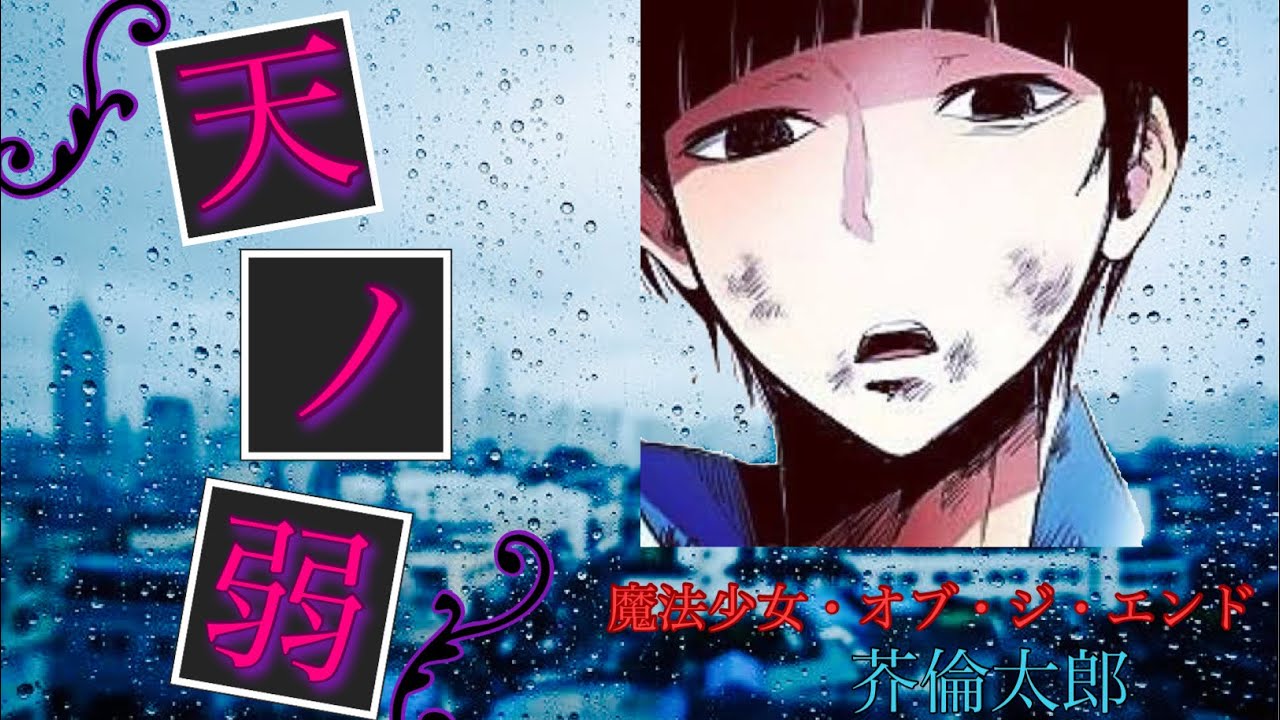
During the epilogue's rapid-fire montage, Sato shows where key players ended up in this restored world. Akuta appears alive, intact, and still wearing his Tokyo police uniform. He patrols the city streets, complete with his trademark leering grin and erratic energy. There is no wedding ring visible on his finger, no named bride introduced in dialogue, and no domestic homestead sequence attached to his character.
The rumor primarily stems from two factors: confusion with the romantic resolutions of other characters, specifically Kii Kogami and Tsukune Fukumoto, and fan reactions to bonus art sketches published around the release of Volume 16 in late 2017. Sato included lighthearted illustrations showing Akuta interacting with various cast members in normal clothes, but none established a canonical spouse.
The Chapter 64 Timeline Reset: Who Ended Up Where
Understanding Akuta's fate requires examining how Sato concluded the complex temporal mechanics of the final arc. The narrative fractured across multiple parallel realities, shifting back and forth between past eras, the apocalyptic 2013, and alternative timelines. The table below outlines how the core cast shifted between the initial apocalypse and the final restored world established in Chapter 64.
| Character | Initial Apocalypse Timeline | Final Reset Fate (Chapter 64) | Marital / Relational Status |
|---|---|---|---|
| Rinpataro Akuta | Corrupt cop; battles magical girls to near-death; retains dark impulses. | Survives as a patrol officer in a peaceful Tokyo; quirks intact. | Unmarried; single; no canon partner confirmed. |
| Kii Kogami | Ordinary student thrust into survival; leads core resistance group. | Reaches adulthood safely; recalls fragmented memories of the war. | Reunites with Tsukune; implied romantic future. |
| Tsukune Fukumoto | Kii's childhood friend; critical anchor in the metaphysical battle. | Alive and healthy; pursues normal life without the invasion trauma. | Linked with Kii Kogami in the final panels. |
| Miu Inuzuka | High school survivor; subject of Akuta’s early predatory fixation. | Thrives as an ordinary young woman in the restored timeline. | Lives independently; no romantic link to Akuta. |
| Ren Kushiro | Medical professional; strategic ally through the horrific conflicts. | Continues medical career peacefully in the rewritten Tokyo. | Dedicated to medicine; single. |
The Miu Inuzuka Connection and Fandom Shipping
Why did the marriage rumor gain so much traction if Chapter 64 never depicted a wedding? The answer lies in the deeply uncomfortable dynamic between Akuta and Miu Inuzuka.
During the opening volumes, Miu was targeted directly by Akuta's depraved behavior. As the story evolved and Akuta shifted into the role of a violent protector, bizarre comedic banter began creeping into their interactions. Sato utilized dark humor, positioning Akuta as an unwanted, terrifying guardian figure while Miu reacted with justified fury and disgust.
In Japanese doujinshi communities and forum threads on 2channel (now 5channel), some readers began ironically, and later unironically, speculating whether the two would end up together once the timeline reset erased the trauma. The trope of an antagonistic, borderline-abusive character softening into a domestic partner is common in romance fiction.
Sato chose not to take that route. In the rewritten reality, Miu is shown living her life unburdened by the memory of Akuta’s predation, while Akuta remains a cop who crosses paths with citizens on patrol. Sato maintained a clear narrative boundary: resetting the world gave the survivors peace, but it did not force victims into romantic arrangements with their former tormentors.
Why Kentaro Sato Spared the Manga's Most Despicable Cop
Akuta’s survival in the restored world underscores Kentaro Sato’s subversive storytelling philosophy. In conventional narrative structures, a character with Akuta's early rap sheet must undergo either a sacrificial death to achieve redemption or face strict retributive justice.
Sato rejected both paths. Akuta never delivered an emotional apology. He never renounced his unhinged core personality. His survival was earned through pure combat utility and a chaotic will to survive that rivaled the series' main villains. By the final volumes, Akuta functioned as the manga's anti-nihilist weapon: an utterly corrupt human who fought cosmic horrors simply because he refused to let anyone else dictate his terms.
When Kii reset the world, the timeline reverted to an era of baseline normality. Akuta returned to his post as a cop, retaining his chaotic edge without the apocalyptic arena that amplified his darkest acts. Leaving him unmarried, eccentric, and wandering the streets of Tokyo fit Sato’s cynical aesthetic far better than a sanitized white-picket-fence ending.
Frequently Asked Questions (FAQ)
Q1: Does Rinpataro Akuta get married in the final chapter of Magical Girl Apocalypse?
A1: No. In Chapter 64 of Kentaro Sato's manga, Akuta appears alive and working as a police officer in the rewritten timeline, but he is not married, and no spouse is ever introduced or mentioned.
Q2: Why do people search for "Akuta marriage" online?
A2: The search trend stems from confusion over the domestic epilogue montage showing various characters growing up, widespread fan shipping between Akuta and Miu Inuzuka, and unverified rumors on forum boards regarding Volume 16 bonus sketches.
Q3: Does Akuta remember the apocalyptic war in the new timeline?
A3: Sato leaves this ambiguous. While Kii Kogami and Tsukune Fukumoto retain faint, haunting emotional residues of their experiences, Akuta is shown smiling during his patrol, suggesting his core eccentric personality remains intact even if his explicit memories of the horrors were washed away.
The Lasting Legacy of Magical Girl Apocalypse's Wildest Survivor
Rinpataro Akuta remains an anomaly in modern manga. He entered the story as an irredeemable villain, transformed into an indispensable combatant, and exited without the standard moralistic punishment typical of commercial shōnen publications.
The persistent rumor of his marriage reflects the enduring impulse of fandoms to assign neat, conventional closures to chaotic characters. Kentaro Sato delivered something far truer to the spirit of Magical Girl Apocalypse: a world saved from the brink of oblivion, where the sun still shines, the dead have returned, and a dangerously unstable police officer is still patrolling the crosswalks of Tokyo.
