Do Your Cats Secretly Hate Each Other? The Shocking Truth Behind Sudden Indoor Clashes
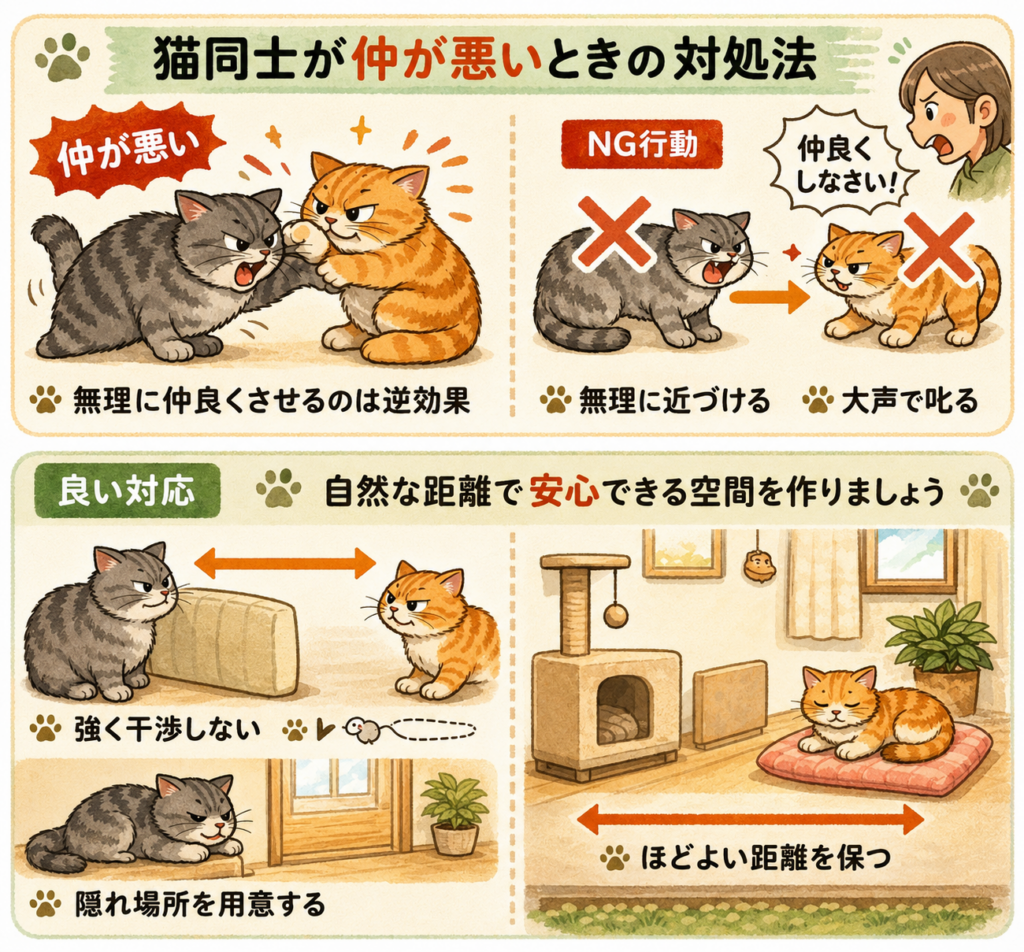
A quiet afternoon indoors suddenly shatters when fur flies across the living room rug. Two domestic felines, once presumed bonded, roll into an indistinguishable mass of flying claws and low-pitched growls. While pet owners often dismiss these violent outbursts as harmless roughhousing, veterinarians and animal behaviorists warn that living room skirmishes frequently mask severe chronic stress. According to an investigative A-Z Animals Report, human companions routinely misinterpret subtle behavioral distress signals, mistaking escalating hostility for mutual play.
The consequences of misreading these interactions extend far beyond a few loose tufts of hair on the sofa. Unchecked friction leads to systemic health issues, destructive elimination outside the litter box, and lifelong psychological trauma for companion animals trapped in enclosed quarters. Deciphering whether housemates are engaged in harmless tumbling or locked in silent territorial warfare requires looking past viral internet humor and examining the precise ethological markers of domestic carnivores.
📌 Key Takeaways:
- Behavioral Ambiguity: True feline play involves mutual role reversals and silence, while real conflict features vocalization, asymmetrical pursuit, and rigid postures.
- Invisible Triggers: Resource guarding around vertical territory and redirected aggression from outdoor wildlife drive most sudden indoor brawls.
- Intervention Mandate: Physical separation followed by a structured, scent-based reintroduction protocol remains the only clinically supported remedy for fractured bonds.
Viral Swatting Videos Hide a Mounting Welfare Problem
Social media feeds thrive on chaotic pet interactions. Clips tagged with comedic audio tracks showcase felines trading lightning-fast paw strikes on kitchen islands or brawling over coveted sunbeams. Viewers chuckle at the perceived absurdity. In reality, millions of views celebrate clinical animal distress. In September 2026, footage circulated widely across platforms showing two tuxedo cats engaged in an extended, screeching showdown on a staircase landing. Outlets like AOL described the spectacle as an epic battle for the record books, yet veterinary specialists saw something far darker: two hyper-aroused animals pushed past their psychological thresholds.
The fundamental disconnect stems from feline evolutionary history. Unlike dogs, who evolved as pack hunters with elaborate social reconciliation rituals, domestic cats descend from the African wildcat (Felis lybica), a solitary territorial predator. When cats share tight indoor environments, they do not automatically view fellow felines as kin or teammates. They tolerate each other based on resource abundance and perceived escape routes.
When those escape routes vanish in a multi-story home or modern apartment, tension simmers beneath the surface. Owners celebrate a lack of open bloodshed, unaware that passive intimidation, such as one animal silently blocking a hallway, wreaks havoc on an animal's neuroendocrine system. Over time, that chronic elevation of cortisol primes the household for explosive physical altercations.
Play Fighting Versus Real Clashes: Reading the Physical Markers
Differentiating between healthy wrestling and genuine violence requires cataloging distinct physical cues. During authentic play, animals alternate roles seamlessly. One cat chases, rolls onto its back, and then switches positions to pursue the other. Claws remain retracted, muscle tone appears fluid, and pauses occur naturally.
Real fights abandon this cooperative dance. Aggression produces rigid limbs, piloerection, where the fur along the spine and tail puffs outward, and a total breakdown of role reversal. The victim attempts escape while the aggressor maintains unrelenting forward pressure. Hissing and vocal cues provide unmistakable evidence of escalation. Playful felines are remarkably quiet; brawling felines produce guttural growls, piercing shrieks, and defensive spitting.
| Behavioral Indicator | Consensual Play | Escalated Conflict |
|---|---|---|
| Vocalizations | Silent or occasional chirps and soft trills | Low growling, sustained hissing, loud shrieks |
| Ear and Head Posture | Ears upright or slightly angled forward | Flattened ears pressed tight against the skull |
| Claw Engagement | Sheathed or restrained surface swiping | Fully unsheathed claws targeting eyes and ears |
| Movement Dynamics | Reciprocal chasing with frequent pauses | Unilateral pursuit, cornering, defensive crouch |
| Post-Interaction State | Calm grooming, shared resting spaces | Hypervigilance, hiding, avoidance of common rooms |
Ear positioning serves as an early barometer of intent. When an animal rotates its ears backward and pins them flat, it protects delicate cartilage from incoming bites while signaling profound defense. Dilated pupils accompanying this stance indicate an autonomous nervous system flooded with adrenaline. If an owner spots flattened ears paired with a twitching tail tip, a physical confrontation is already underway.
The Top Perch Problem: Resource Guarding and Vertical Territory
Indoor environments severely restrict an animal's ability to divide space naturally. In the wild, cats establish home ranges that overlap only slightly, timing their movements to avoid meeting neighbors face-to-face. Within a modern home of 1,200 square feet, two to four cats must constantly negotiate sharing the same physical planes.
This spatial compression triggers fierce resource guarding around prime vertical perches. In late September 2026, AOL documented a viral dispute where two cats engaged in a protracted battle over the single topmost cradle of a multi-tier cat tree. Commentators treated the incident as sibling rivalry over furniture. Ethologists view it as a high-stakes standoff over defensive supremacy.
Vertical real estate represents security. The highest platform provides visual command over the room and ensures that nothing can mount a surprise attack from above. When a home contains only one premier perch, the dominant or more anxious cat will guard that vantage point relentlessly. They do not merely defend the perch while resting on it. They actively swat at, stalk, and push away any housemate attempting to ascend the lower platforms.
Resource guarding extends across basic household necessities:
- Litter boxes positioned in dead-end closets that allow one cat to ambush another during elimination.
- Feeding stations placed side-by-side, forcing animals to consume meals in states of high anxiety.
- Water fountains clustered near noisy appliances, creating choke points that timid animals refuse to navigate.
- Scratching posts claimed exclusively by a single pet through regular scent-gland marking.
When essential assets are clustered together, inter-cat conflict resolution becomes impossible without structural modifications.

The Windowpane Catalyst: How Redirected Aggression Shatters Bonds
One of the most perplexing phenomena for cat owners is the sudden, explosive breakdown of a relationship between animals that spent years sleeping curled together. On Monday, they groom each other. On Tuesday, one attacks the other with murderous intent, and the household descends into permanent hostility.
The underlying culprit is almost always redirected aggression. This occurs when an indoor cat spots a territorial rival through a window, a neighborhood stray, an unfixed outdoor cat, or even predatory wildlife like a raccoon. The indoor cat experiences a dramatic surge of territorial rage and fear. Its heart rate spikes, pupils dilate, and muscles lock.
Because double-paned glass prevents the indoor cat from attacking the intruder, the animal remains trapped in a physiological state of extreme arousal. If a resident companion cat strolls into the room at that precise moment, the agitated cat redirects its fight-or-flight energy onto the nearest target.
The unsuspecting victim reacts with sheer terror, screeching and fighting back. In seconds, the psychological bond between the two indoor cats fractures. The victim now associates the companion with intense fear and physical trauma. The aggressor views the companion as an active threat. Once this trigger occurs, leaving them together in hopes they will work it out guarantees repeated injuries and cemented hostility.
De-escalation and the Reintroduction Protocol
Stopping a dynamic of domestic feline hostility requires abandoning human assumptions about conflict resolution. Punishing cats by yelling, spraying water, or clapping hands only adds external stress, confirming to both animals that the presence of the other leads to negative experiences.
If a serious fight erupts, humans must separate the animals immediately without using bare hands. Sliding a piece of heavy cardboard between them or tossing a thick blanket over the aggressor breaks visual contact safely. From that moment onward, total physical separation is necessary.
Restoring peace requires executing a rigorous reintroduction protocol:
- Total Isolation: Place the feuding cats in separate rooms with independent litter boxes, feeding bowls, scratching posts, and beds. They should not see or touch each other for at least one to two weeks.
- Scent Swapping: Rub a soft towel along the cheeks of Cat A and place it under the food dish of Cat B, and vice versa. This forces each animal to associate the other's pheromones with positive feeding experiences.
- Site Swapping: Allow Cat A to explore the house while Cat B is closed in Cat A’s room, letting them navigate each other’s scent trails without direct physical pressure.
- Controlled Visual Contact: Reintroduce visual access using a sturdy baby gate or an open door cracked two inches and secured with a hook latch. Feed both cats their highest-value meals on opposite sides of the barrier, several feet apart.
- Gradual Proximity: Move the feeding dishes closer over multiple weeks only if both animals eat comfortably without posturing, growling, or ear flattening.
- Monitored Free Roaming: Allow short, supervised sessions in neutral territory, keeping interactions brief and ending on a positive note before fatigue or anxiety sparks a setback.
Patience is non-negotiable. Rushing this sequence resets the behavioral clock, forcing owners to start the protocol from day one.
Frequently Asked Questions (FAQ)
Q1: Can cats that previously loved each other become permanent enemies?
A1: Yes. Severe episodes of redirected aggression or pain-induced trauma can permanently damage feline social bonds if owners fail to intervene promptly. Without an extended period of total separation and systematic reintroduction, repeated defensive attacks solidify the mutual perception that the other animal represents an active survival threat.
Q2: Does spraying water stop cats from fighting long-term?
A2: No. Water sprays only interrupt the physical attack momentarily while dramatically escalating overall household stress. The cats associate the shocking physical discomfort of the water spray with the presence of the other cat, which increases their hostility and erodes trust in human caretakers.
Q3: How many litter boxes and resources are needed for two cats?
A3: Follow the plus-one rule: provide one resource station for each cat in the home, plus one extra. A two-cat home requires at least three distinct litter boxes, three separated water stations, and multiple vertical cat trees placed in different rooms to eliminate choke points and reduce territorial guarding.
Restoring Household Peace
Living alongside companion animals means respecting the evolutionary blueprints that govern their reactions. Felines do not possess the capacity for spite, malice, or calculated revenge. When indoor cats lash out at their housemates, their actions represent defensive responses to perceived threats, spatial compression, and unmet environmental needs.
Fixing multi-cat tension requires looking past the surface comedy of internet videos and observing the genuine signals written in whiskers, ears, and tails. By eliminating spatial choke points, expanding vertical access, neutralizing outdoor visual triggers, and deploying patience during structured reintroductions, owners can defuse territorial wars and restore balance to shared living spaces.
