Everything to Know About Abu-chan from Haneru no Tobira: Characters, Cast, and Legacy
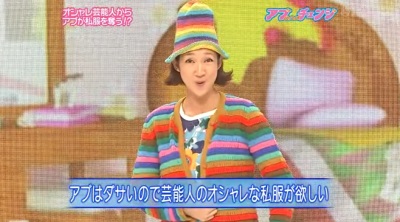
Late on Wednesday nights in April 2001, Fuji TV launched an experimental comedy lineup that became a cultural juggernaut. At the center of that explosive broadcast was Mihoko Abukawa, known nationwide simply as "Abu-chan." As one-half of the comedy duo Hokuyo alongside partner Saori Ito, Abukawa stepped onto a stage dominated by fierce male trios and duos, quickly carving out an unruly, physical presence that defined an era of Japanese variety television.
For over a decade, Haneru no Tobira shaped youth culture across Japan, pushing the boundaries of competitive sketch performance. Abukawa discarded traditional expectations placed on Japanese female comedians, absorbing intense physical punishment and anchoring surreal recurring parodies. Decades later, as nostalgic clips circulate across digital platforms, viewers are reassessing how her comedic bravery propelled the program to primetime dominance and how that legacy holds up today.
📌 Key Takeaways:
- The Golden Era: Mihoko Abukawa served as the central female anchor of Fuji TV's flagship sketch show from its late-night origins in 2001 through its Wednesday night primetime peak.
- The Duo Dynamic: Working alongside Saori Ito in the duo Hokuyo, Abukawa built a career on raw slapstick, boundary-pushing parodies like "Aburabian Nights," and direct comedic rivalries with peer units.
- Streaming Realities: Due to complex music rights, talent agency contracts, and vintage broadcast clearances, full uncut episodes remain largely unavailable on mainstream Western streaming libraries.
How Hokuyo Broke Into the Fuji TV Sketch Dynasty
Fuji TV held an undisputed reputation for creating generational variety programs. The network had previously minted legends through Oretachi Hyo-kinzoku in the 1980s and Tobu Kusuri and Mecha-Mecha Iketeru! in the 1990s. When producers assembled a fresh roster for Haneru no Tobira in 2001, they recruited five young units: King Kong, Robert, Drunk Dragon, Impulse, and Hokuyo. Hokuyo stood out immediately as the sole all-female duo in an ensemble of eleven ambitious performers.
The workplace culture behind the scenes was famously relentless. Cast members were pitted against one another for screen time, with sketches cut on the spot if rehearsals failed to generate genuine laughs from the production crew. Mihoko Abukawa leaned into her natural physical gifts, standing nearly 170 centimeters tall with an athletic background in softball, to assert herself alongside aggressive performers like King Kong's Yuta Kajiwara and Drunk Dragon's Muga Tsukaji. Rather than playing passive reaction roles, she seized control of physical gags, absorbing high-impact falls and counter-attacking her castmates with ferocious comedic timing.
Casual viewers and overseas fans frequently confuse member identities, occasionally conflating Abukawa's name with that of her partner, Saori Ito. Ito functioned primarily as the poised, deadpan straight-woman (tsukkomi), while Abukawa operated as the unpredictable instigator (boke). This contrast formed the structural foundation of Hokukawa's sketches, giving the production team a reliable anchor during chaotic group skits.
The Defining Sketches: From Aburabian Nights to Physical Parody
The show's rise from a late-night cult slot to the golden 7:45 PM Wednesday primetime broadcast in October 2005 depended on signature characters. Abukawa anchored several of the show's most notorious segments. Chief among them was "Aburabian Nights," an unapologetically bizarre game segment where cast members faced oil-slicked penalties, high-friction obstacle courses, and humiliating physical trials. Abukawa's willingness to be submerged in messy gags broke traditional molds for women in mainstream Japanese broadcasting.
Her comedic range went beyond mere slapstick. Abukawa excelled at playing socially awkward women, hyper-aggressive romantic pursuers, and grotesque caricatures of trendy fashion consumers. In parodies targeting youth subcultures, she regularly clashed with King Kong's Akihiro Nishino and Robert's Ryuji Akiyama. She turned vanity inside out, turning societal pressures surrounding female beauty into raw comedic ammunition.
Behind the camera, the physical toll was real. In later television retrospectives, Abukawa reflected on the bruising schedule, noting that production days routinely stretched into 20-hour marathons where actors spent hours under heavy prosthetics only to execute high-impact stunts on hard studio floors. Her resilience earned her deep professional respect from her male peers, who acknowledged that her commitment held the ensemble together during grueling shoot schedules.
A Decade of Ratings and Rivalries: The Program Timeline
The journey of Haneru no Tobira mirrors the broader trajectory of 2000s Japanese television history, where lavish sketch variety programming gave way to lower-cost talk formats and observational quiz shows. The production ran for an impressive 11 years, broadcasting 406 regular episodes before signing off in September 2012.
| Broadcast Period | Timeslot & Format | Abu-chan's Defining Milestones |
|---|---|---|
| 2001, 2003 | Midnight slot (Tuesday/Monday late nights) | Establishes core slapstick identity; forms intense rivalry with King Kong; breaks out via early physical skits. |
| 2003, 2005 | Tuesday 11:00 PM (Cool TV block) | Program hits mainstream cult status; nationwide live tour events sell out arenas; merchandise drives merchandise boom. |
| 2005, 2009 | Wednesday 7:57 PM (Golden Primetime) | Ratings peak above 24%; Abukawa anchors high-profile game shows like "Aburabian Nights" and major fashion-spoof segments. |
| 2010, 2012 | Wednesday 7:57 PM (Decline & Finale) | Shift toward generic studio games; Abukawa's on-screen romance and real-life marriage covered in public specials; series ends Sept 2012. |
Cast rivalries were deliberately stoked by showrunner Kakuei Asano and the directing team. King Kong's Yuta Kajiwara and Akihiro Nishino arrived with immense hype as Kansai prodigies, creating tension with Tokyo-based agency talent like Hokuyo and Drunk Dragon. Suzuki Taku of Drunk Dragon frequently pointed out that Abukawa received heavier physical assignments than several male cast members, creating unspoken professional pressure on everyone to escalate their commitment.

Cast Fallout, Shifting Formats, and the Road to Cancellation
During its golden run from 2005 to 2008, Haneru no Tobira routinely pulled household ratings between 18% and 24% in the Kanto region. Yet maintaining that creative pace proved impossible. Sketch writing at this scale required dozens of custom sets, weeks of rehearsal, and massive production budgets. As domestic television ad revenues tightened after the 2008 global financial crisis, Fuji TV began altering the show's DNA.
Costly narrative sketches were steadily replaced by cheaper, celebrity-guest quiz games and food-ordering challenges. Viewers grew fatigued. The authentic tension that characterized the midnight era evaporated when the cast was relegated to sitting behind studio desks answering trivia questions. Ratings slid into single digits by 2011.
Personal life developments also shifted the dynamic. In 2010, Abukawa announced her marriage to Italian chef Kousuke Masuda, an event covered extensively across variety programs. As the performers matured into their mid-thirties, the frenetic, youth-oriented desperation that fueled their early chemistry naturally softened. When Fuji TV officially canceled the broadcast in September 2012, it closed the book on the final major ensemble sketch show of Japan's terrestrial network era.
Where to Watch Haneru no Tobira and What Abu-chan Does Today
Global comedy fans hoping to find Haneru no Tobira on platforms like Netflix, Crunchyroll, or Amazon Prime Video face significant hurdles. Full runs of the series are essentially absent from international and domestic subscription streaming. In Japan, Fuji TV's proprietary platform, FOD (Fuji TV On Demand), occasionally hosts curated retrospectives, but comprehensive archives remain locked away.
The obstacle is institutional. Japanese variety shows from the early 2000s are notoriously encumbered by third-party music licensing, uncredited background tracks, and complex multi-agency talent clearances involving giants like Yoshimoto Kogyo and Production Jinrikisha. Commercial DVD releases were issued during the show's peak, such as the multi-volume Haneru no Tobira DVD box sets released through Pony Canyon, and these physical discs remain the primary method for collectors to view original sketches without music edits.
Today, Mihoko Abukawa maintains an active media career, pivoting from high-impact physical comedy to daytime lifestyle television, parenting commentary, and cooking segments. She frequently appears on consumer morning shows like Nippon TV's Hirunandesu! and runs an active YouTube presence documenting family life, gardening, and casual cuisine. Partner Saori Ito has similarly carved out a career in daytime broadcasting and narration, with Hokuyo reuniting periodically for anniversary talk specials.
Frequently Asked Questions (FAQ)
Q1: Are Mihoko Abukawa and Saori Abukawa the same person?
A1: There is no comedian named "Saori Abukawa." This name is an online mix-up combining Mihoko Abukawa ("Abu-chan") and her Hokuyo comedy partner, Saori Ito.
Q2: Why did Haneru no Tobira get canceled in 2012?
A2: The show was canceled due to declining television viewership, escalating production costs for elaborate sketch sets, and a format shift away from original character comedy toward generic celebrity games that failed to retain core viewers.
Q3: Is Haneru no Tobira available on streaming services?
A3: No official uncut streaming collection exists on global platforms. Due to complex talent agency agreements and commercial music rights, the series is largely preserved only on official Japanese DVD box sets released between 2003 and 2012.
Q4: What was Abu-chan's most famous sketch on the show?
A4: She was best known for high-stakes physical game segments, most notably "Aburabian Nights," as well as biting parodies of dating culture and youth fashion trends alongside cast members Ryuji Akiyama and Yuta Kajiwara.
The Cultural Imprint of Abu-chan's Slapstick Legacy
Mihoko Abukawa's work on Haneru no Tobira remains a landmark moment in late-twentieth and early-twenty-first-century Japanese media. In an industry where female entertainers were often relegated to decorative studio roles or quiet comedic balance, Abukawa shattered boundaries through athletic abandon, physical endurance, and exceptional character acting.
Her work challenged how female performers could operate inside the intensely competitive world of Japanese sketch television. While the golden age of Fuji TV's studio-bound variety epics has transitioned into intimate YouTube channels and talk formats, the raw comedic ambition Abukawa displayed on Wednesday nights remains an unforgettable chapter in television history.
