Exam Prep vs. Pure Enjoyment: Do Recommended Middle School Books Deliver Results?
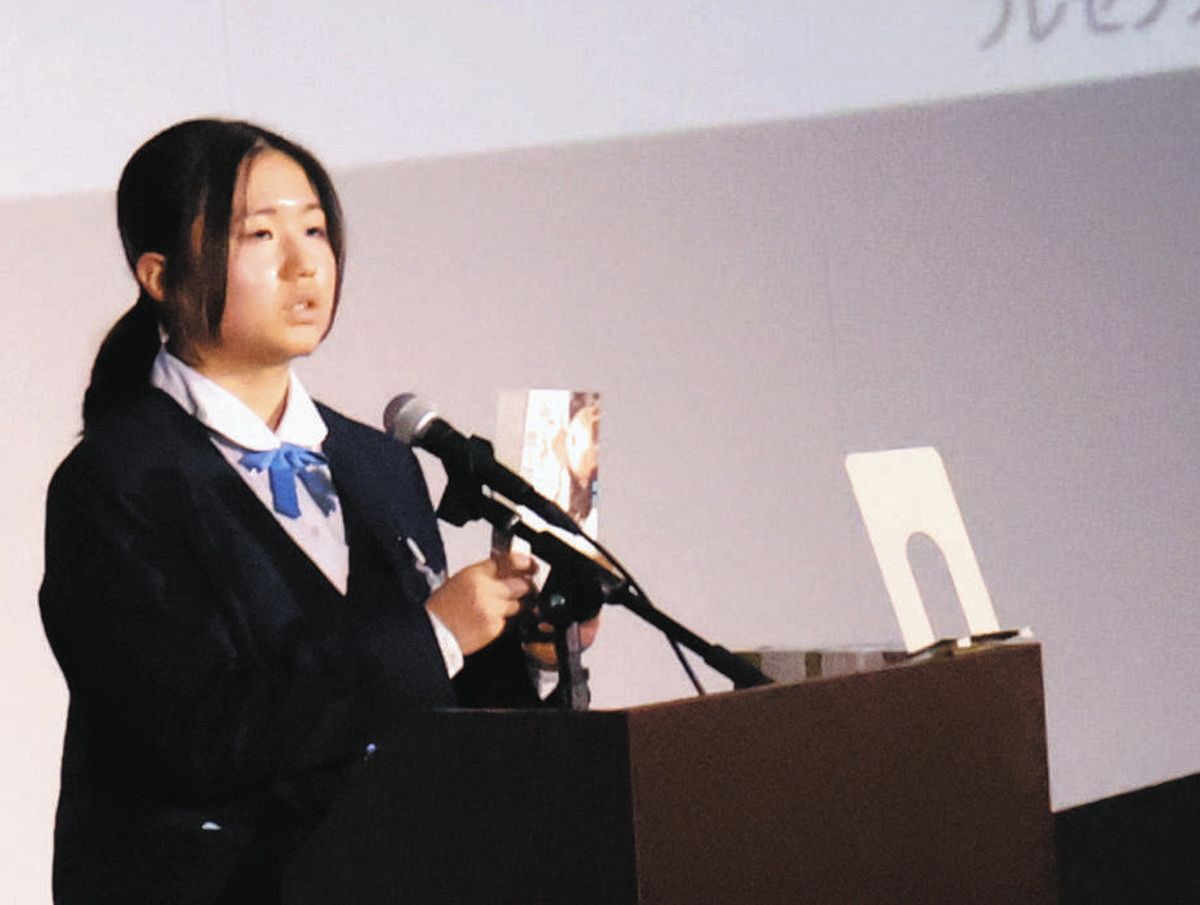
Tension is mounting in Japanese secondary education over what teens should pull off the bookshelf. Cram school directors tell families that specific reading choices can elevate standardized test scores, while librarians argue that turning books into score-boosting drills destroys the desire to read. Field evidence shows this dynamic in action: seventh graders organized dedicated bookstore displays focused on environmental crises and agricultural policy at Kyoto University of Advanced Science, as reported by The Asahi Shimbun. At the same time, prep schools push analytical non-fiction to meet rigorous testing requirements.
📌 Key Takeaways:
- The Testing Shift: High school entrance exams now test modern economics, resource distribution, and civics, making non-fiction reading directly applicable to modern Japanese essay questions.
- Selection Friction: The Nifty Kids reading survey reveals that 84.2% of young readers select books based purely on visual cover design and title appeal, clashing directly with test-oriented adult curation.
- Retention Reality: Competitive peer-led formats like Bibliobattle demonstrate far higher retention and verbal reasoning scores than forced syllabus reading.
How Modern Japanese Essay Questions Began Demanding Economic Literacy
Entrance examinations for top-tier high schools have departed from classical fables and introspective fiction. Modern test booklets feature excerpted texts analyzing microeconomics, supply chain logistics, and environmental regulations. These passages require fourteenth-year-olds to synthesize dense policy arguments under tight time constraints.
According to analysis published by Toyo Keizai, Japanese language examinations and integrated social studies papers increasingly assume functional economic literacy for teens. The introduction of "Public" (Kōkyō) as a mandatory secondary curriculum subject pushed foundational civic questions downward into high school admissions tests. Students who read solely light fiction frequently struggle with the vocabulary of fiscal policy, resource allocation, and civic trade-offs.
This structural shift fuels parent anxiety. Families often force adolescents away from graphic novels toward heavyweight editorial collections. That brute-force push frequently backfires, creating passive readers who skim technical paragraphs without grasping underlying logical arguments.
The Quantitative Link Between Non-Fiction Reading and Exam Performance
Can targeted reading improve raw examination metrics? Longitudinal tracking from Japanese test-prep networks shows a measurable split. Reading comprehension skills improve when students read analytical texts outside class, but only when they engage with the material voluntarily.
Adolescent literary development relies on contextual decoding, learning how to extract abstract theses from unfamiliar prose. Students exposed to contemporary reporting on environmental and food issues demonstrate faster processing speeds on modern Japanese essay questions. They navigate the transition from narrative comprehension to rhetorical deconstruction with less cognitive strain.
Data collected across recent regional initiatives illustrates how different acquisition channels shape both student engagement and measurable reading competence:
| Method & Setting | Target Material | Primary Engagement Driver | Observed Academic Outcome |
|---|---|---|---|
| Prep School Assigned Lists | Civic theory, macroeconomic essays | Extrinsic pressure (score targets) | Short-term vocabulary growth; weak essay synthesis |
| Prefectural Bibliobattle Contests | Diverse non-fiction & teen novels | Peer recommendation and debate | High retention; advanced analytical presentation skills |
| Student-Curated Displays | Ecology, food security, civic design | Active research and ownership | Deep conceptual grasp; higher social studies synthesis |
| Unstructured Leisure Browsing | Light novels, pop culture fiction | Aesthetic design, cover illustrations | Sustained reading volume; negligible impact on exam logic |
Students forced to digest policy tracts without intrinsic motivation show rapid score drops on open-ended short-answer prompts. They repeat isolated vocabulary without understanding system-level causation.
Visual Culture Versus Academic Merit: The Nifty Kids Findings
Adult expectations run straight into modern adolescent reality. According to the Nifty Kids reading survey, 84.2% of elementary and middle school students select books based primarily on cover design and title font aesthetics. The visual jacket dictates whether a book gets opened at all.
Publishing houses catering to young adults heavily optimize typographic styling, vibrant character design, and punchy promotional blurbs (obi). When well-meaning parents replace these visually dynamic editions with sterile academic printings, students disengage.
Educational publishers are adapting to this behavior. Instead of reprinting standard non-fiction essays in dense layouts, they commission manga artists and graphic illustrators to design covers for introductory treatises on economics, philosophy, and environmental sciences. When visual presentation aligns with teen consumer habits, independent reading motivation rises naturally.

Community Book Battles and Grassroots Library Displays
Peer interaction frequently succeeds where parental mandates fail. The annual Ishikawa Prefectural Middle School Bibliobattle held at Science Hills Komatsu gathered 15 regional student finalists to present five-minute defenses of their favorite books. The audience then voted on the official "Champ Book."
These presentations show that middle schoolers handle dense thematic material when they discover it on their own terms. Presenters highlighted works confronting sociological dilemmas, psychological narratives, and complex ethics. Pitching a book to a crowd of peers requires identifying the core thesis, explaining rhetorical structure, and fielding unscripted questions, the exact skills demanded by standardized essay prompts.
Public institutions are taking notice of this dynamic. In Okayama, the Municipal Saiwaicho Library partnered with Sanyo Gakuen Junior and Senior High School to build student-curated displays. Rather than shelving reading material by strict catalog numbers, the library featured handwritten reviews, book summaries, and student photographs alongside recommended volumes. Borrowing rates among adolescent patrons climbed quickly. When youth see peers endorsing specific texts, reading loses the stigma of school-assigned work.
Matching Reader Profiles to Reading Strategies
Forcing an unsuitable book on a middle school student often ends independent reading entirely. Parents and educators should tailor reading materials to each student's current habits:
- The Reluctant Reader: Avoid dense prose anthologies entirely. Focus on illustrated non-fiction covering environmental systems, sports economics, or forensic science. Prioritize titles with strong graphic design to build reading momentum.
- The Avid Fiction Escapist: Transition toward speculative fiction that explores social systems, institutional power, and ecological collapse. Authors who construct intricate fictional economies bridge the gap between creative storytelling and real-world structural debate.
- The Exam Candidate Needing Score Gains: Introduce curated collections of contemporary newspaper essays, scientific commentary, and introductory social science. Read these works alongside active debate to prevent passive, robotic memorization.
Frequently Asked Questions (FAQ)
Q1: Can targeted reading directly raise high school entrance exam scores?
A1: Reading targeted non-fiction improves comprehension speed and technical vocabulary for Japanese modern essay sections. However, these academic benefits only appear when the student understands the underlying concepts rather than skimming passages under parental compulsion.
Q2: Why are Japanese high school entrance exams emphasizing economics and civic policy?
A2: National educational guidelines integrated mandatory civics education into upper secondary schools. As a result, entrance examinations test foundational socioeconomic dynamics, resource scarcity, and civic compromise rather than relying entirely on historical literature or classical grammar.
Q3: How can parents help middle schoolers choose books without causing pushback?
A3: Emphasize visual design choices, visit student-curated library installations, or participate in Bibliobattle programs. Giving teens full autonomy over titles while steering them toward modern issues yields better reading habits than handing them mandatory reading lists.
Rethinking Middle School Reading for 2026
High school entrance exams will continue testing complex social sciences, ecology, and economic systems. Trying to game these requirements through repetitive test drills creates exhausted teenagers who struggle with dynamic questions. The real advantage belongs to students who build analytical reading habits early.
When communities run peer-driven book presentations, bookstores let young students curate shelves, and publishers balance aesthetic covers with rigorous topics, reading becomes an act of independent discovery. Teens who read widely out of genuine curiosity understand structural arguments with ease, and their test scores naturally reflect that comprehension.
