Extreme Freeze Triggers Run on Japanese Heat Pads Across Retailers
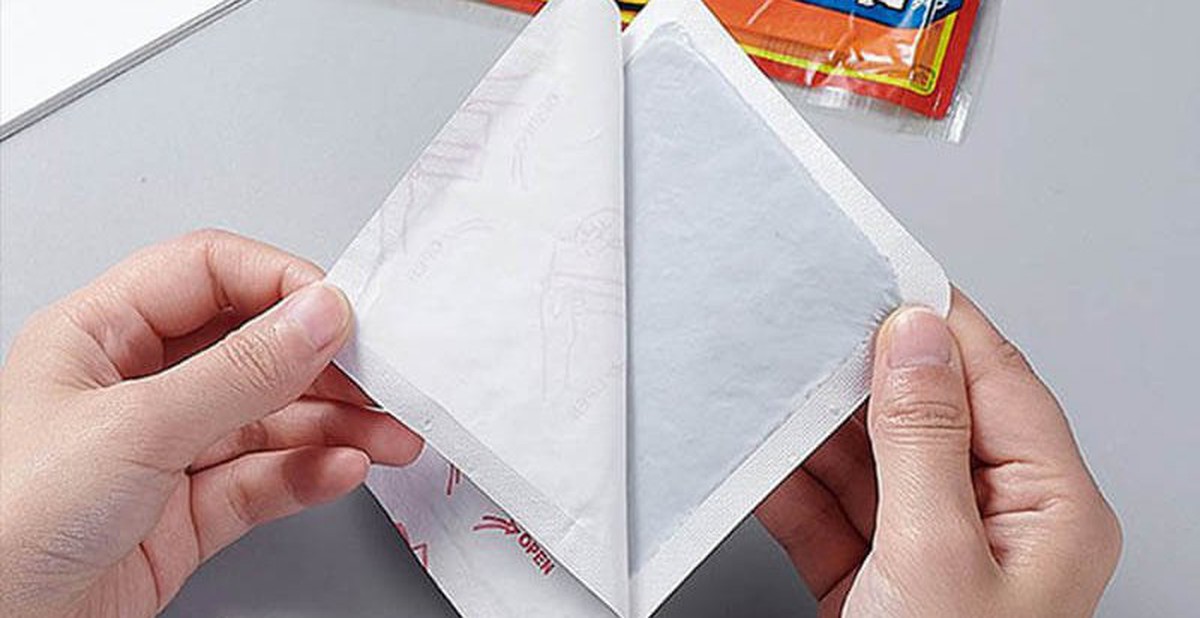
When Arctic air drops metropolitan temperatures well below zero, standard thermal layers often fail to stop the biting chill. Across convenience stores in Tokyo and specialty import distributors from Seoul to Hanoi and New York, shelves stocked with Japanese disposable body warmers, known domestically as kairo, are emptying within hours of restocking. The regional buying surge, originally documented during severe seasonal cold snaps in regional outlets like the Kenh14 Report tracking consumer reliance on Japanese heat patches, has escalated into a broad international logistics scramble as sub-zero weather tests urban infrastructure.
Importers and domestic pharmacies are rationing stock as outdoor workers, commuters, and cold-weather travelers clear out inventory. What was once viewed primarily as an everyday domestic comfort in Japan has morphed into essential winter survival gear for international buyers confronting volatile cold spells.
📌 Key Takeaways:
- Supply Crunch: Sudden cold snaps have driven triple-digit percentage sales spikes, depleting warehouse stock across major pharmacy networks and specialty importers.
- Chemical Edge: Proprietary iron powder oxidation blends and micro-porous film envelopes deliver 12 to 24 hours of stable heat, outperforming bulk generic alternatives.
- Targeted Demand: Adhesive body patches and specialized toe warmers vanish first, leading to widespread markups on gray-market e-commerce platforms.
How Sub-Zero Temperatures Emptied Pharmacy Aisles
The run began in early January when Arctic fronts swept across East Asia, pushing temperatures to historic lows and driving frost warnings deep into central transit corridors. In consumer hubs across Tokyo, Osaka, and regional export transit hubs, demand for disposable heating patches spiked 340% week-over-week. Retail chains like Matsumoto Kiyoshi, Don Quijote, and regional convenience stores instituted purchase limits of two multi-packs per transaction.
The shortage quickly spread overseas. Cross-border buyers and e-commerce re-sellers who cater to Southeast Asian travelers heading to snowy regions or locals enduring damp mountain cold bought entire carton shipments directly from wholesale distributors. Within days, regional import platforms in Vietnam and South Korea reported wholesale stockouts for household names like Kobayashi Pharmaceutical, Iris Ohyama, and Kowa.
Cold weather alone did not cause the supply chain to seize. The crunch stems from just-in-time manufacturing models. Japanese manufacturers ramp production based on conservative three-month meteorological projections, leaving little slack when severe cold snaps trigger emergency bulk buying from domestic commuters and international travelers alike.
The Chemical Engineering Behind Japanese Kairo Dominance
Generic disposable warmers often peak quickly, reach uncomfortably hot spikes, and die out within four to six hours. Japanese formulations rely on finely balanced exothermic chemistry that has evolved over nearly a half-century. Inside each non-woven packet sits an exact ratio of reduced iron powder, activated carbon, water, vermiculite, and salt.
The reaction starts the moment the inner pouch meets oxygen:
$$\text{4Fe} + \text{3O}2 + \text{6H}2\text{O} \rightarrow \text{4Fe(OH)}_3 + \text{Heat}$$
Activated carbon speeds up oxygen absorption, while vermiculite acts as a thermal sponge to retain moisture and keep the reaction steady.
The real trade secret lies in the outer synthetic membrane. Japanese patents focus on micro-perforated multi-layer breathable films that meter airflow down to microscopic tolerances. By controlling exact oxygen intake, these pouches sustain a predictable operating band between 50°C and 63°C (122°F, 145°F). That engineering prevents the dangerous thermal spikes common in unbranded alternatives, keeping the pad warm for up to 24 consecutive hours.
Which Heat Pack Varieties Sell Out First
Not all heat packs disappear at the same rate. Consumer panic buying follows distinct ergonomic preferences depending on whether people work outdoors, commute by train, or travel into sub-zero regions.
| Product Category | Operating Temperature | Thermal Duration | Primary Application |
|---|---|---|---|
| Stick-On Body Patches (Haru Kairo) | 53°C average (63°C max) | 12, 14 hours | Affixed to base-layer clothing over the sacrum or shoulder blades. |
| Non-Adhesive Pocket Warmers | 56°C average (68°C max) | 16, 24 hours | Carried inside coat pockets for hand warming and glove inserts. |
| Under-Toe / Insole Warmers | 38°C average (43°C max) | 5, 9 hours | Low-oxygen formulations specifically designed inside boots. |
| High-Heat Outdoor Patches (Magma class) | 61°C average (73°C max) | 12 hours | Extreme mountaineering, winter sports, and outdoor utility work. |
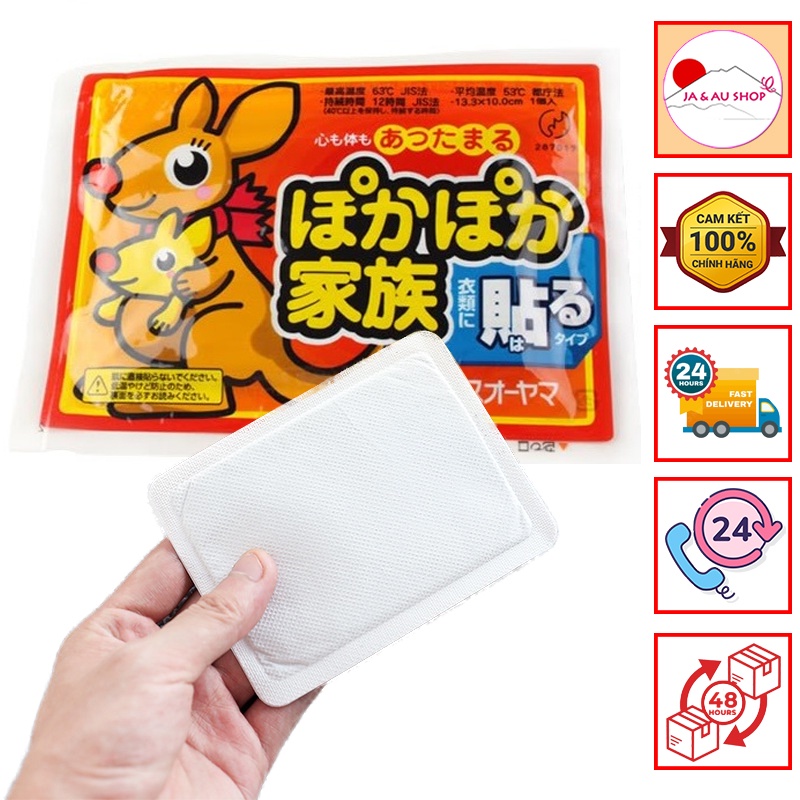
Stick-on body patches (haru kairo) sell out first during any sudden cold snap. Their medical-grade adhesive lets wearers place steady heat directly over major blood pathways, such as the inferior vena cava region on the lower back or between the shoulder blades.
Toe and insole variations vanish next. Standard hand warmers suffocate inside shoes because footwear lacks the air needed to sustain an iron oxidation reaction. Japanese manufacturers solve this with low-oxygen formulations that heat safely in enclosed footwear without charring socks or failing midway through a commute.
Supply Chain Bottlenecks and Gray Market Markups
The supply gap quickly spilled onto digital marketplaces. On Shopee, Lazada, and Amazon Marketplace, third-party sellers listed 30-count boxes of Kobayashi and Iris Ohyama patches for $32 to $48, more than double their standard retail price of $14 to $18.
Air freight rates for these items run surprisingly high. Because iron powder packs carry substantial physical weight, a 30-pack carton weighs roughly 1.4 kilograms, air shipping quickly becomes uneconomical. Importers rely almost entirely on sea shipping lines. When unexpected Arctic fronts trigger runs in January, maritime restocking cycles take four to six weeks. By the time fresh shipping containers arrive at port, the winter cold wave has usually passed.
Domestic logistics within Japan faced similar strain. Delivery networks across the Sea of Japan coast saw line-haul truck routes delayed by heavy snowfall, stranding distribution containers outside central fulfilment hubs.
Low-Temperature Burn Hazards During Prolonged Exposure
With demand surging, dermatologists and consumer safety boards report a corresponding rise in low-temperature contact burns (teion yakedo). These injuries do not stem from blistering, boiling heat. Instead, they occur when skin sits against mild heat, between 44°C and 50°C, for several continuous hours.
Prolonged contact quietly breaks down cutaneous tissue without triggering sharp pain, causing deep-tissue erythema that can take weeks to heal.
Medical safety agencies warn consumers to follow four basic rules:
- Never apply adhesive patches directly to bare skin; always stick them to an undershirt or camisole.
- Do not wear warmers to bed, where heavy blankets trap heat and sleeping bodies cannot shift away from pressure points.
- Avoid using heating pads beneath tight waistbands, back braces, or heavy rucksack straps that compress the pad against the skin.
- Keep standard pocket warmers out of boots, as the lack of airflow can cause erratic reactions or damage footwear liners.
Frequently Asked Questions (FAQ)
Q1: Can Japanese heat packs be carried onto commercial flights?
A1: Yes. Iron powder heat packs do not use hazardous liquids or lithium batteries. Major airlines permit sealed disposable warmers in both carry-on and checked luggage for personal use, though individual regional security screenings may check large multi-pack bricks to verify the contents.
Q2: How should unused heat packs be stored to prevent them from expiring?
A2: Store unopened packs in a cool, dry, dark place inside their original outer plastic packaging. Exposure to humid air or puncturing the outer seal allows micro-amounts of moisture and oxygen to leak in, gradually oxidizing the iron powder and leaving the pad cold when opened.
Q3: Why did a newly opened heat pack stop working after an hour?
A3: Heat packs usually stop working because they lack oxygen. If a warmer sits inside a sealed pocket or airtight boot, the chemical reaction starves and cools down. Shaking the pouch gently in open air for two minutes restarts the reaction as oxygen flows back through the porous outer membrane.
Managing Winter Supply Realities Through 2026
Extreme cold snaps are no longer once-a-decade anomalies. Urban centers across East Asia, North America, and Europe face increasingly erratic swings between unseasonable mildness and severe polar air intrusions. Disposable warming patches have evolved alongside these swings, moving from everyday regional conveniences to practical necessities for cold-weather readiness.
Beating seasonal shortages requires shifting from reactive buying to early preparation. Sourcing verified packs before seasonal fronts roll in helps avoid gray-market markups, ensures steady inventory for outdoor workers, and keeps households prepared well before winter cold snaps take hold.
