Fact-Checking Freezer Hacks: Can You Freeze Shelled Edamame for Meal Prep?
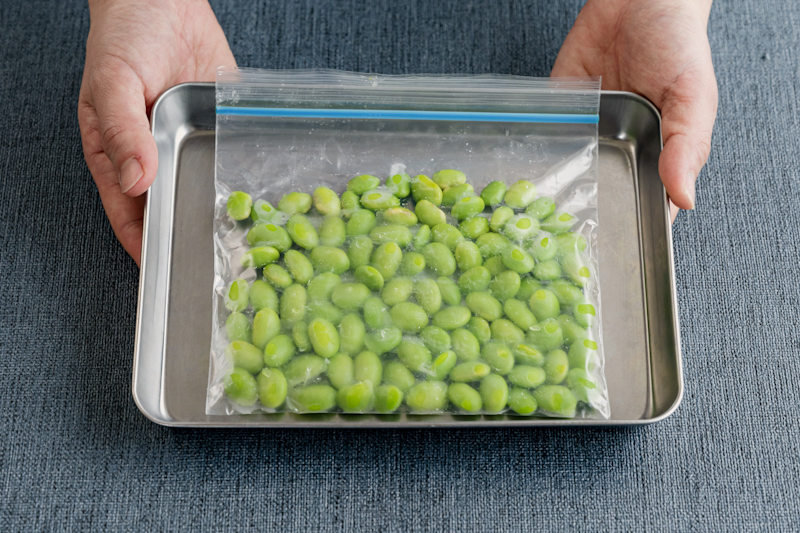
Home cooks buying fresh summer soybeans face an immediate storage puzzle. Stripping the beans from their pods, a staple Japanese home technique known as preparing mukimame, saves valuable freezer space and speeds up weekday cooking. Yet social media meal prep channels frequently offer disastrous advice, claiming you can shell raw pods and shove them directly into plastic baggies. The result is almost always a gray, mealy disappointment.
Freezing legumes alters cell structures rapidly if handled without care. According to food quality warnings highlighted in a recent Southern Living Report, subtle storage oversights create cellular rupture, off-flavors, and rapid texture degradation across home-frozen produce. Preserving that snappy bean texture requires managing enzymatic breakdown before the cold air hits the harvest.
📌 Key Takeaways:
- Enzyme Inactivation: Skipping a brief hot-water blanch before freezing allows natural plant enzymes to destroy bean sweetness, vibrant color, and crispness within weeks.
- The Mukimame Technique: Blanching beans inside the pod first makes shelling easier, protects the cotyledon tissue, and prepares the beans for individual flash freezing.
- Storage Longevity: Properly blanched, dried, and vacuum-sealed shelled edamame retains premium table quality at 0°F (-18°C) for 10 to 12 months.
The Social Media Shortcut That Leaves Beans Mushy
Batch cooking advocates often seek the shortest path between a grocery haul and an organized freezer drawer. On paper, shelling fresh raw pods straight into freezer bags feels efficient. You skip the boiling water, bypass the colander, and cut twenty minutes off prep work. Unfortunately, plant physiology does not cooperate with kitchen shortcuts.
Fresh edamame contains active metabolic enzymes, primarily lipoxygenase and polyphenol oxidase. When raw beans sit inside a sub-zero freezer, these enzymes remain active at a crawl. They steadily oxidize lipids, split natural sugars, and dismantle internal cell walls. Within four weeks, raw-frozen beans turn a dull army green and lose their natural crunch. When tossed into hot water later, they turn into a starchy paste instead of yielding that distinct, firm bite.
The Science of Blanching: Why Raw Freezing Fails
Preserving shelled edamame demands brief thermal processing. Blanching vegetables is not cooking them to doneness; it is a rapid thermal shock designed to denature degrading enzymes while keeping the internal starch structure intact. A fast boil of two to three minutes neutralizes destructive enzymatic pathways permanently.
The thermal cycle requires two non-negotiable phases:
First comes the boiling bath. High heat penetrates the seed coat, sets the chlorophyll into a brilliant emerald green, and softens the mucilage holding the beans inside the pod. Second comes the ice bath shock. Plunging hot pods directly into a 50/50 mix of ice and water arrests heat transfer instantly. Without this rapid chilling, residual thermal energy continues to steam the bean interior, destroying cell walls from the inside out.
Food scientists consistently highlight that frozen legumes can match or exceed produce-aisle quality if processed correctly. In a retail evaluation from Eat This Not That, commercial frozen edamame earned high marks for nutrient retention and crispness specifically because industrial processors freeze within hours of blanching. Home cooks can replicate these factory results using basic cookware.
Freezer Method Matrix: Comparing Edamame Storage Protocols
How you store edamame determines its cooking performance three months down the line. The breakdown below details the four primary freezing approaches for home kitchens.
| Freezing Protocol | Texture Retention | Edamame Shelf Life | Ideal Recipe Application |
|---|---|---|---|
| Raw Shelled (No Blanch) | Mealy, mushy, collapsed cells | 4, 6 weeks maximum | Pureed dips, blended soups |
| Blanched Mukimame (Shelled) | Crisp-tender, distinct toothsome bite | 9, 12 months | Fried rice, grain bowls, noodle salads |
| Blanched In-Pod Whole | Superior firmness, maximum moisture | 10, 12 months | Salted bar snack, izakaya appetizers |
| Commercial Flash-Frozen (IQF) | Factory-grade snap, fully consistent | 12, 18 months | Universal culinary use |
Step-by-Step Flash Freezing for Meal Prep Success
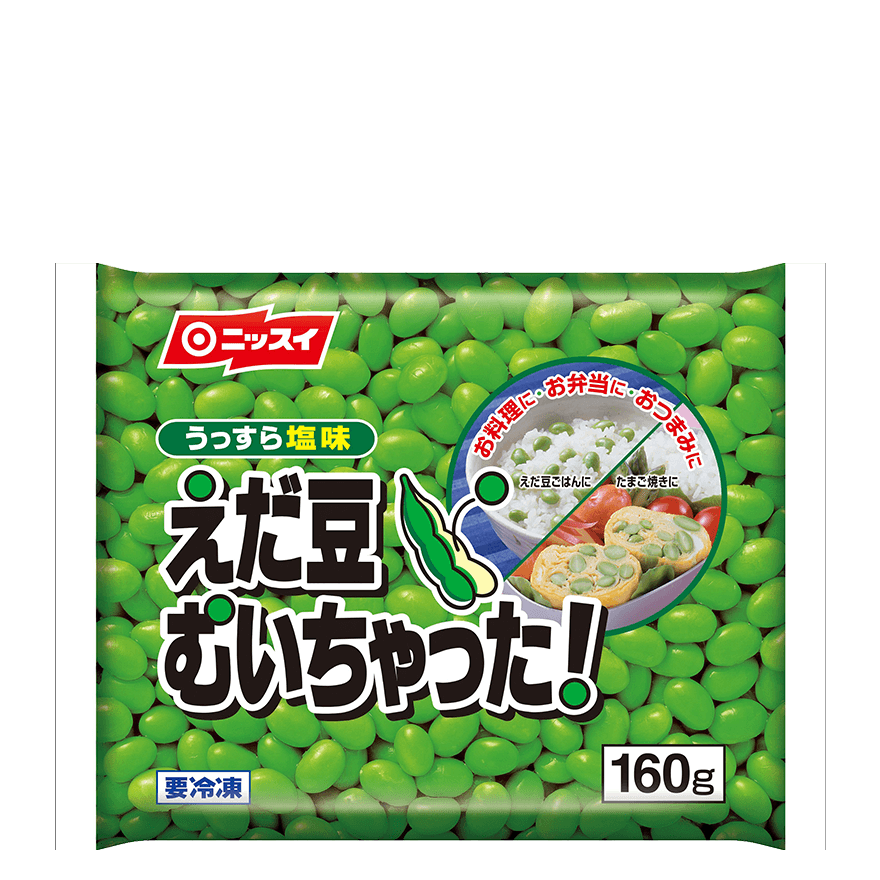
Executing the mukimame freezing method at home requires precise sequencing. Do not shell the beans raw. Shelling cooked pods is significantly faster because the heat expands pod cavities, allowing beans to pop free under light thumb pressure.
Bring a large stockpot of water to a rolling boil with 2 tablespoons of sea salt per gallon. Drop the whole pods in for exactly three minutes. Pull them with a spider strainer directly into a large bowl of ice water for four minutes until cold to the core. Drain them thoroughly.
Pop the beans out of their fuzzy pods into a dry mixing bowl. Pat the shelled edamame dry between clean kitchen towels. Residual surface water creates ice bridges between beans and invites freezer burn.
Spread the dry beans across a baking sheet lined with parchment paper, keeping them in a single, uncrowded layer. Slide the sheet into the freezer for 90 to 120 minutes. This flash freezing technique freezes each bean individually. Once rock-hard, transfer them into your storage container. They will pour out like loose marbles rather than freezing into a solid green brick.
Identifying Freezer Burn Signs and Safe Thawing Protocols
Frozen beans face two long-term threats: moisture sublimation and air exposure. When air circulates inside a storage bag, ice crystals pull water out of the beans. Classic freezer burn signs include white, chalky patches across the skin, shriveled cotyledon margins, and loose ice sheets inside the packaging. Beans showing severe freezer burn are safe to eat, but their texture turns tough and woody.
Mitigating this moisture loss requires airtight freezer storage. Standard twist-tie sandwich bags are oxygen-permeable. Heavy-duty freezer-grade zip bags with the air pressed out work well for shorter terms, while vacuum seal preservation offers optimal protection for home meal prep frozen vegetables over six months.
For culinary execution, thawing frozen edamame in a warm water bath is a common mistake that leads to waterlogged beans. As Better Homes & Gardens noted when demonstrating quick five-minute edamame preparations, high heat applied directly from the frozen state delivers the best bite. Toss frozen mukimame directly into hot stir-fries, warm curries, or skillet sautés during the final two minutes of cooking. If using them for cold salads, drop them into boiling salted water for sixty seconds, plunge them into cold water, and drain immediately.
Frequently Asked Questions (FAQ)
Q1: Can I freeze shelled edamame raw if I plan to puree it later?
A1: Yes. If your end use is an edamame dip, hummus, or pureed vegetable soup, the cellular breakdown caused by raw freezing will not matter. However, the beans will still turn a muddy brownish-green over time due to active enzymes, so plan to use raw-frozen stock within four weeks.
Q2: Should I salt the blanching water before shelling the edamame?
A2: Yes. Salting the water penetrates the pod wall, subtly seasoning the seed coat while helping stabilize the green chlorophyll pigment. Use roughly 30 grams of salt per liter of water.
Q3: How long can blanched mukimame stay in a standard refrigerator before freezing?
A3: Keep blanched, shelled edamame refrigerated for no more than 24 to 36 hours before moving it to the freezer. Delaying the freezing step allows moisture to accumulate on the bean surface, increasing frost formation during the freeze.
Smarter Kitchen Systems for Home Preservation
Freezing shelled edamame saves refrigerator space and creates versatile, ready-to-use portions for busy weeknight cooking. Taking the extra fifteen minutes to blanch in-pod, shock thoroughly in ice water, and spread the beans across a sheet pan prevents food waste and mushy textures. A little attention to thermal control turns a bulk summer haul into a durable pantry asset that retains its snappy bite all year.
