Fact-Checking Insurance Dentures: Can You Actually Eat Hard Food Without Pain?
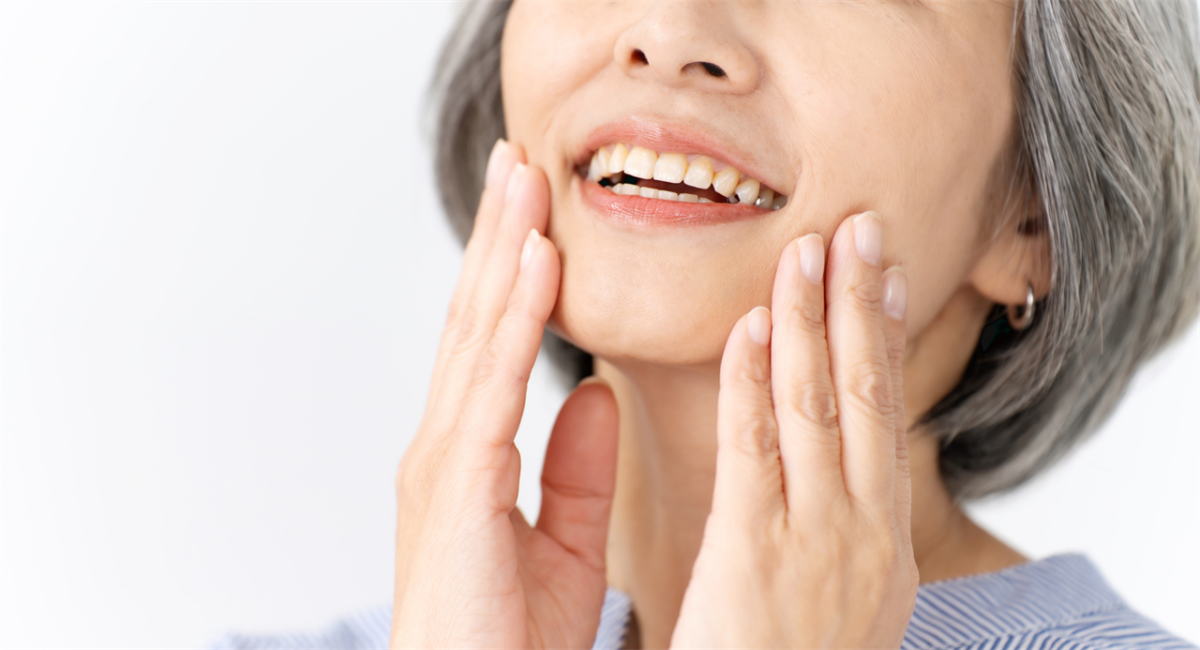
For decades, the standard promise of public healthcare has been clear: statutory coverage guarantees functional tooth replacement without crippling your bank account. Yet across dental clinics, patient expectations collide with biomechanics the moment dinner arrives. A widespread debate continues over whether insurance dentures offer genuine utility or force patients into a lifelong compromise of pureed vegetables and sore gums. As highlighted in a recent livedoor ニュース Report, dental teams frequently confront patients stunned by the physical constraints separating basic insured appliances from high-end restorations.
The core tension boils down to physical capability. Biting into a crisp Fuji apple or tearing through a seared flank steak requires targeted pressure, bone stability, and precise fit. When appliances rely on statutory acrylic rather than precision-milled titanium or fixed anchors, chewing physics change radically.
📌 Key Takeaways:
- The Chewing Gap: Insurance-covered dentures typically deliver only 10% to 20% of natural bite force, making tough meats and crunchy raw produce difficult to manage without technique changes.
- Material Trade-Offs: Public plans mandate acrylic resin bases that require extra thickness to resist fractures, dulling taste, dampening thermal sensation, and creating potential gagging triggers.
- The Bottom Line: Insurance dentures are clinically sufficient for basic sustenance and soft foods, but comfortable eating of hard textures demands rigorous denture maintenance, strategic food preparation, or out-of-pocket upgrades.
The Bite Force Reality: Why Apples and Steak Challenge Acrylic Bases
Natural adult teeth anchored by periodontal ligaments exert an average occlusal force between 40 and 60 kilograms. That immense mechanical leverage enables you to snap fibrous roots, crush raw carrots, and slice through thick meat fibers effortlessly. Full dentures resting directly on the mucosal gum line cannot replicate this structural foundation.
Clinical data from oral health monitors indicates that standard full dentures deliver an average masticatory performance roughly 10% to 20% that of natural dentition. When you bite into an intact raw apple using front incisors, the mechanical vector acts as a lever arm. The opposing force tilts the back of the dental base upward. In partial dentures, clasped anchor teeth absorb that violent lateral torque, but in full dentures, the vacuum seal breaks instantly, letting saliva rush in and unseating the appliance.
Tough steak presents a different biomechanical trap: shear resistance. Natural molars feature sharp cusp geometries that shred myofibrils against opposing ridges. Insurance-grade artificial teeth, cast from standard acrylic resin base materials, possess softer, rounded anatomy designed to protect underlying soft tissue from acute trauma. Instead of shearing tough connective tissues cleanly, the acrylic teeth mash the meat down. This dynamic squeezes the fragile oral mucosa against the alveolar ridge, generating sharp discomfort.
Gum Fit, Ridge Resorption, and the Mechanics of Denture Pain Relief
The biggest driver of patient dissatisfaction is not appearance. It is chronic friction. Denture pain relief depends entirely on how well the device distributes pressure across changing mouth contours.
Under statutory guidelines, labs must produce full dentures using standard acrylic resin. To guarantee the plastic will not snap under daily chewing stress, technicians must cast the base with a minimum thickness of 1.5 to 2.0 millimeters. In the upper jaw, that thick pink plate blankets the entire hard palate. The barrier insulates the mouth from food temperatures, alters swallow reflexes, and crowds the tongue. In the lower jaw, a narrow horseshoe plate rests on a shrinking ridge of alveolar bone, surrounded by mobile tongue and cheek muscles that constantly dislodge it.
Bone resorption accelerates this instability. Once roots disappear, the jawbone naturally recedes year after year. A rigid acrylic plate fabricated in January may begin rocking by November. As the appliance shifts, concentrated pressure points create painful ulcers. Sustained comfort requires ongoing denture maintenance, including periodic tissue conditioners and acrylic relines, to keep the base flush against the evolving ridge.
Insurance-Covered Dentures vs. Out-of-Pocket Alternatives
Choosing between public coverage and private out-of-pocket dentures comes down to material durability, structural thickness, and mechanical retention. Private designs trade low statutory copays for custom alloys, flexible polymers, and surgical anchors.
| Appliance Category | Structural Materials | Chewing Efficiency | Typical Copay / Cost (Est.) |
|---|---|---|---|
| Standard Insurance Full Denture | Thick acrylic resin base; resin artificial teeth | 10%, 20% of natural teeth | $30, $70 (Statutory 10%, 30% copay) |
| Insurance Partial Denture | Acrylic base with bent stainless steel clasps | 25%, 35% of natural teeth | $25, $60 (Statutory 10%, 30% copay) |
| Metal Base Dentures (Private) | Cobalt-chrome or titanium plate (0.5 mm); ceramic/resin teeth | 35%, 50% of natural teeth | $1,800, $3,500 (100% out-of-pocket) |
| Implant Alternatives (Overdenture) | 2, 4 titanium bone implants with locator snaps or bar | 60%, 85% of natural teeth | $4,500, $12,000 (100% out-of-pocket) |
Metal base dentures cast in medical-grade cobalt-chrome or titanium shrink plate thickness down to 0.5 millimeters. That reduction frees up mouth volume and lets thermal sensations pass into the palate, improving both taste perception and swallow safety. Titanium frameworks also reduce flex, which translates masticatory force straight into food rather than bending the plate across the gums.
Clasp Visibility and Everyday Social Anxiety
For partial denture wearers, social self-consciousness often outweighs physical pain. Public systems build partial appliances with cast stainless steel wires to grip remaining natural teeth. Whenever those clasps anchor to premolars or canines, steel loops flash every time the patient speaks or grins.
This clasp visibility triggers distinct behavioral changes. Patients hold hands over their mouths while chuckling or stop speaking in social gatherings. Beyond aesthetics, rigid steel wire exerts continuous pulling forces on anchor teeth during insertion and removal. If gum disease has already softened the bone around those abutment teeth, repeated clasp tension can loosen them over several years.
Private non-clasp options use nylon gums and hidden clasps to blend directly into natural tissue lines. However, those cosmetic solutions come at significant cash cost, leaving millions of budget-conscious patients reliant on standard steel wire setups.
The "Denture Refugee" Phenomenon and Lab Advances
Seniors who churn through multiple dentists searching for an appliance that will not pinch or slip are colloquially known as "denture refugees." Many accumulate shoe boxes full of abandoned plastic plates, each costing weeks of appointments without delivering stable chewing comfort.
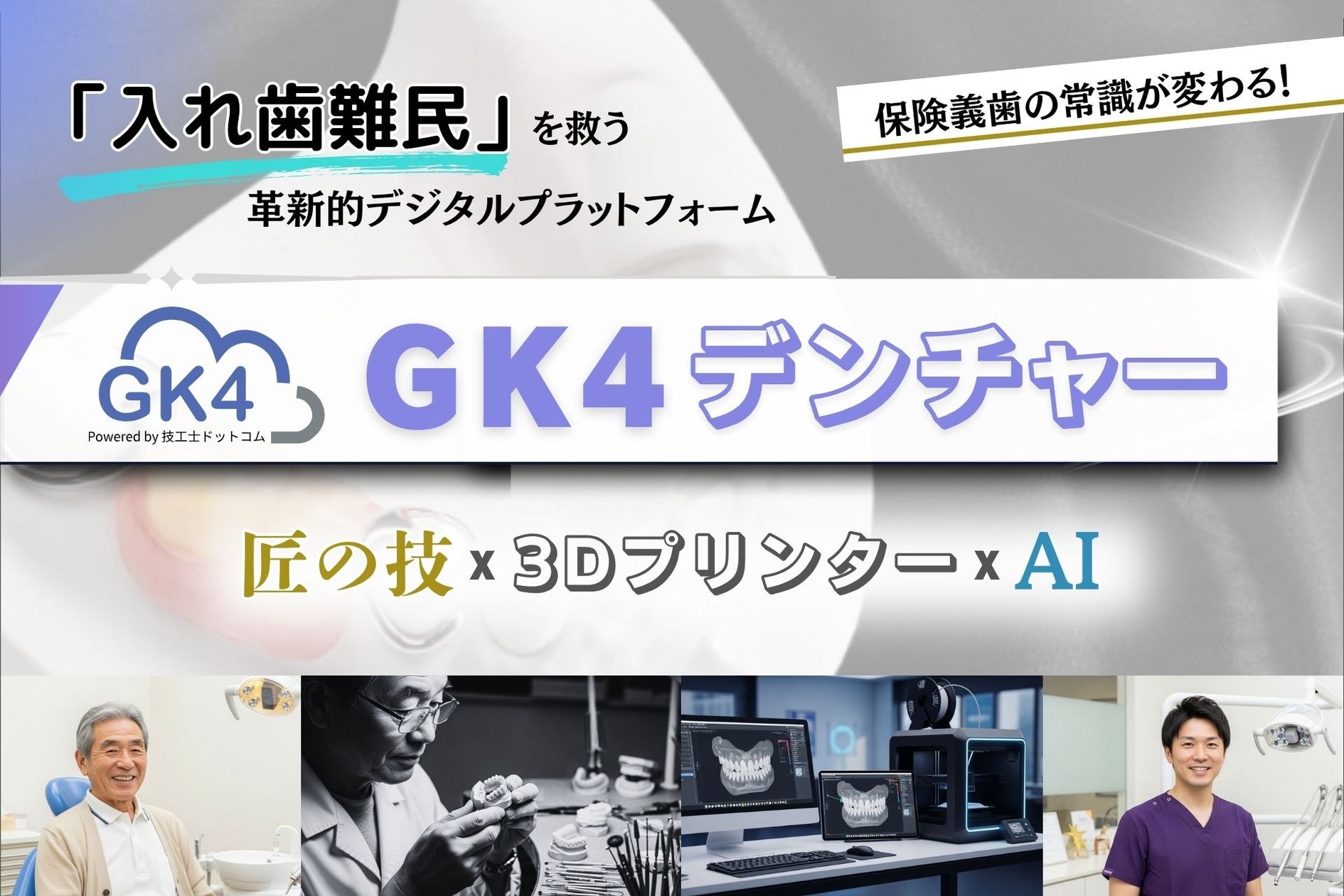
A June 2025 development from Gikoushi Dot Com highlighted this systemic problem. Their specialized "GK4 Denture" clinical initiative focused on standardizing technical impressions and dental laboratory workflows specifically for statutory dentures. By refining how bite registrations and border moldings transfer from dentist chair to laboratory bench, the project demonstrated that poor fit often stems from rushed diagnostic steps rather than basic materials alone.
Community outreach initiatives reflect this reality. In August 2026, educational clinics led by regional practices such as Ito Dental Clinic confirmed that many older patients avoid dental care altogether, fearing that every comfortable solution requires five-figure surgical spending. Clear communication shows that even modest public coverage delivers stable functional utility when dentists spend extra chair time adjusting dynamic bite paths.
Determining Your Fit: Who Suffices with Insurance vs. Who Needs Upgrades
Publicly funded dentures are neither a miracle cure nor a cheap failure. They are straightforward functional tools constrained by strict regulatory rules. Choosing the right path requires matching your oral anatomy and daily habits against these engineering realities.
Profiles Well-Suited for Insurance Dentures:
- Patients with healthy, broad alveolar ridges: Ample jawbone provides natural suction and lateral stability, keeping acrylic plates steady.
- Individuals with realistic dietary routines: Patients willing to slice apples into wedges, simmer root vegetables, and cut meat into small bites can eat comfortably without pain.
- Seniors seeking non-surgical care: Patients with uncontrolled diabetes, severe osteoporosis, or anticoagulant treatments who cannot undergo implant alternatives.
Profiles Facing High Risk of Disappointment:
- Patients with severe bone resorption: Flat or knife-edge ridges cannot secure lower acrylic dentures without persistent sores.
- Individuals with hypersensitive gag reflexes: Thick acrylic resin plates covering the upper palate frequently induce nausea.
- Uncompromising food textures: Anyone who expects to bite directly into whole fruit, hard nuts, and chewy baguettes will find insurance models frustrating.
Frequently Asked Questions (FAQ)
Q1: Can you eat raw apples and steak with insurance-covered dentures?
A1: Yes, but only with dietary adjustments. You cannot bite directly into a whole raw apple using front teeth without dislodging the appliance. If you cut the fruit into thin slices and chew bilaterally using back molars, insurance dentures manage the load. For meats, opting for slow-cooked cuts or small sliced portions prevents the intense localized friction that causes mouth sores.
Q2: How often do insurance dentures require relining or replacement?
A2: Jawbone resorption alters mouth contours continuously. Insurance dentures usually require professional relining every 12 to 24 months to fill gaps left by receding bone. Under standard Japanese statutory coverage, patients become eligible to fabricate a brand-new set after a mandatory six-month waiting window following the previous delivery.
Q3: Does denture adhesive fix poor stability on insurance acrylic plates?
A3: Adhesives offer temporary help, not permanent stability. Creams and powders can improve suction for an active day, but relying on thick layers of paste masks underlying fit problems and uneven bite pressure. Masking those fit issues risks accelerating jawbone loss over time.
Navigating Your Dental Treatment Plan
Insured dental prosthetics provide practical, accessible tooth replacement, but they do not recreate your original biological teeth. Expecting a statutory acrylic plate to bite through thick steak with zero movement sets any patient up for disappointment. Approaching the appliance as an artificial limb that demands behavioral adaptation, dietary adjustments, and patient maintenance leads to a successful outcome.
Before jumping into expensive private treatments or resigning yourself to soft foods, schedule a comprehensive functional assessment with an experienced clinician. Careful border adjustment, precise bite balancing, and scheduled soft relines frequently turn a problematic insurance plate into a stable, pain-free daily appliance.
