Fact-Checking Pokecolo Flea Market Rules: Myth vs Real Dona Floors
Avatar fashion trading inside Cocone’s flagship mobile app Pokecolo functions with the volatility of a real-world commodities desk. Whenever the in-game Flea Market opens its doors, hundreds of thousands of players scramble to liquidate duplicate gacha pulls, hunt down vintage 2014 fashion items, and convert digital wardrobe bloat into hard in-game currency. Yet every event cycle reignites the same chaotic community debates across X and Japanese gaming forums: What is the absolute lowest price an item can be listed for? Can you sell high-tier Super Rare eyes for pocket change to transfer them between alternate accounts?
Misconceptions run rampant because Cocone frequently adjusts system parameters across event iterations. Rumors often claim that buyers can score legendary items for a single Dona, or that system floors are arbitrary suggestions rather than hard-coded programmatic locks. Separating mechanical reality from player folklore reveals a tightly engineered micro-economy designed to protect virtual asset valuations and eliminate unauthorized asset liquidations.
📌 Key Takeaways:
- The True Minimum Floor: The absolute system floor for base Normal items rests at 10 Dona, while Super Rare items face strict developer price floors that block micro-transfers.
- The Developer Tax: Cocone levies a flat 30% transaction tax deduction on every completed sale, drastically shifting seller margins.
- Access Barriers: Every listing demands a dedicated Flea Market ticket, preventing high-frequency spam and discouraging low-margin inventory dumping.
- Systemic Protection: Strict rarity price tiers and search visibility restrictions exist primarily to prevent secondary real-money trading and alternate account stripping.
Behind Cocone’s Closed-Door Trading Engine
The Pokecolo flea market does not operate as a permanent marketplace. Instead, developer Cocone deploys it in tightly scheduled flea market schedule cycles that appear only a few times a year. This deliberate scarcity creates immense speculative pressure. When an opening date is announced via in-game notices, players spend days auditing their digital closets to identify their most lucrative gacha duplicate item resale prospects.
Unlike freeform mobile market games where players set unrestricted auction values, Pokecolo enforces a command economy. Players cannot trade an item if they only own a single copy. The system requires an item to be a true duplicate before it qualifies for listing, preventing players from accidentally wiping their avatars bare. Once eligible, every listing consumes an entry voucher under the strict flea market ticket requirement. These tickets are distributed sparingly via daily login campaigns or bundled into premium Dona purchasing tiers, creating an immediate operational cost before a transaction even registers on the servers.
This controlled environment is the product of over a decade of economic tuning. Cocone manages inflation within the avatar fashion trading economy by maintaining absolute authority over currency velocity and asset liquidity. Without rigid constraints, hyper-inflated Dona reserves held by legacy accounts would rapidly destabilize the perceived value of newly released gacha banners.
Deconstructing the True Dona Minimums Across Item Rarity Tiers
The persistent myth that items can be listed for 1 Dona collapses immediately when opening the seller input console. The lowest permissible listing price for any standard item in Pokecolo is 10 Dona. Setting a listing for anything lower produces an immediate system error.
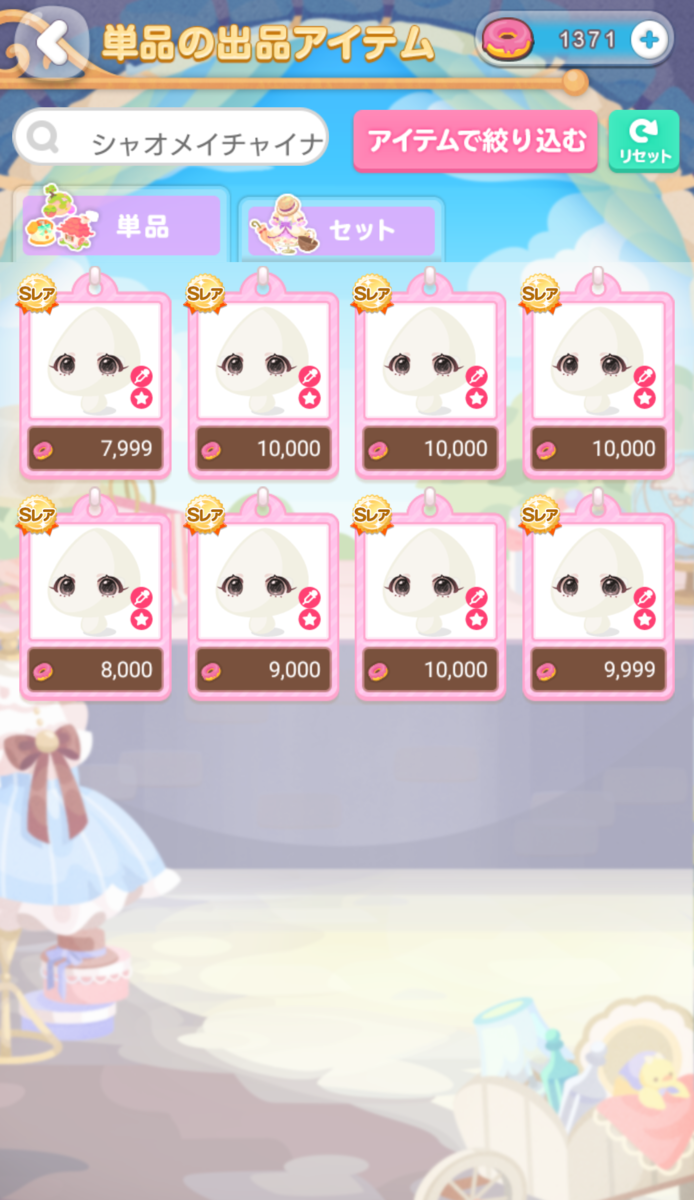
This baseline floor applies exclusively to standard items within specific item rarity price tiers. The system evaluates items based on their core categorization: Normal (N), Rare (R), and Super Rare (SR). While Normal items operate on the loose 10 Dona floor, higher tiers face far more aggressive system-enforced constraints. Super Rare items, particularly expressive anime eyes and animated flowing hairstyles, carry distinct Pokecolo Dona floor price baselines that rarely dip below 500 to 1,000 Dona, depending on the specific event rule configuration deployed by the developers.
Rumors regarding sub-10 Dona sales usually trace back to community misunderstandings of internal gifting systems or confused recollections of third-party black-market negotiations. In the official app interface, the entry box rejects single-digit values outright. Cocone built this barrier to stop bulk inventory transfers from bogging down the database and to prevent accidental high-tier asset liquidations caused by typing errors.
The Hard Math of Developer Fees and Inventory Lockouts
Listing an item is only half the financial equation. The real determinant of market pricing is the steep flea market listing commission, executed as an automatic 30% transaction tax deduction at the moment of sale. If a seller lists a vintage Rare accessory for 1,000 Dona, they do not pocket four digits. The system burns 300 Dona instantly as an exchange sink, crediting the seller with a net payout of only 700 Dona.
This severe tax rate alters how veteran players approach pricing floors. Listing an item at the absolute minimum of 10 Dona nets the seller a meager 7 Dona while consuming a listing ticket that may have cost significantly more to acquire. The economic incentive actively works against rock-bottom pricing strategies.
| Item Rarity Tier | Hard System Floor | Typical Market Cap | Net Return at Floor (After 30% Tax) |
|---|---|---|---|
| Normal (N) | 10 Dona | 500, 2,000 Dona | 7 Dona |
| Rare (R) | 100 Dona | 3,000, 8,000 Dona | 70 Dona |
| Super Rare (SR) | 500, 1,000 Dona | 30,000, 100,000 Dona | 350, 700 Dona |
When considering the baseline Dona currency exchange rate, where direct cash purchases establish an approximate real-world benchmark value per Dona bundle, the combination of ticket overhead and tax deductions makes dumping items at minimum caps economically destructive. Sellers who engage in fire sales at the 10 Dona floor are almost exclusively unloading low-demand Normal clutter to hit milestone event achievements or fulfill secondary game goals.
The Shadow Economy: Curbing RMT and Multi-Account Asset Shifting
Why does Cocone care if an avatar dress sells for 10 Dona or 10,000 Dona? The answer lies in secondary market manipulation. Pokecolo market price regulation is engineered from the ground up to prevent multi-accounting fraud and illegal real-money trading (RMT).
Without Super Rare listing limits and hard baseline price floors, an exploit pattern emerges quickly:
- A player spins high-tier items on disposable alternate accounts using free or promotional Dona.
- The player lists those valuable items on the Flea Market for the nominal floor price of 10 Dona.
- The player immediately snipes the listing using their primary account, effectively transferring premium assets across profiles without purchasing official currency bundles.
To neutralize this behavior, developers introduced strict minimum listing boundaries tied directly to historical market popularity and drop rarity. If an account attempts to post a coveted SR face part far below average market value, the interface triggers a restriction warning or imposes an automated pricing baseline. Furthermore, Cocone's monitoring algorithms track ultra-fast transactions executed at irregular pricing tiers. Accounts suspected of coordinated sniping risk temporary trade suspensions or permanent account closures.
Mastering Buyer Filters and Strategic Market Timing
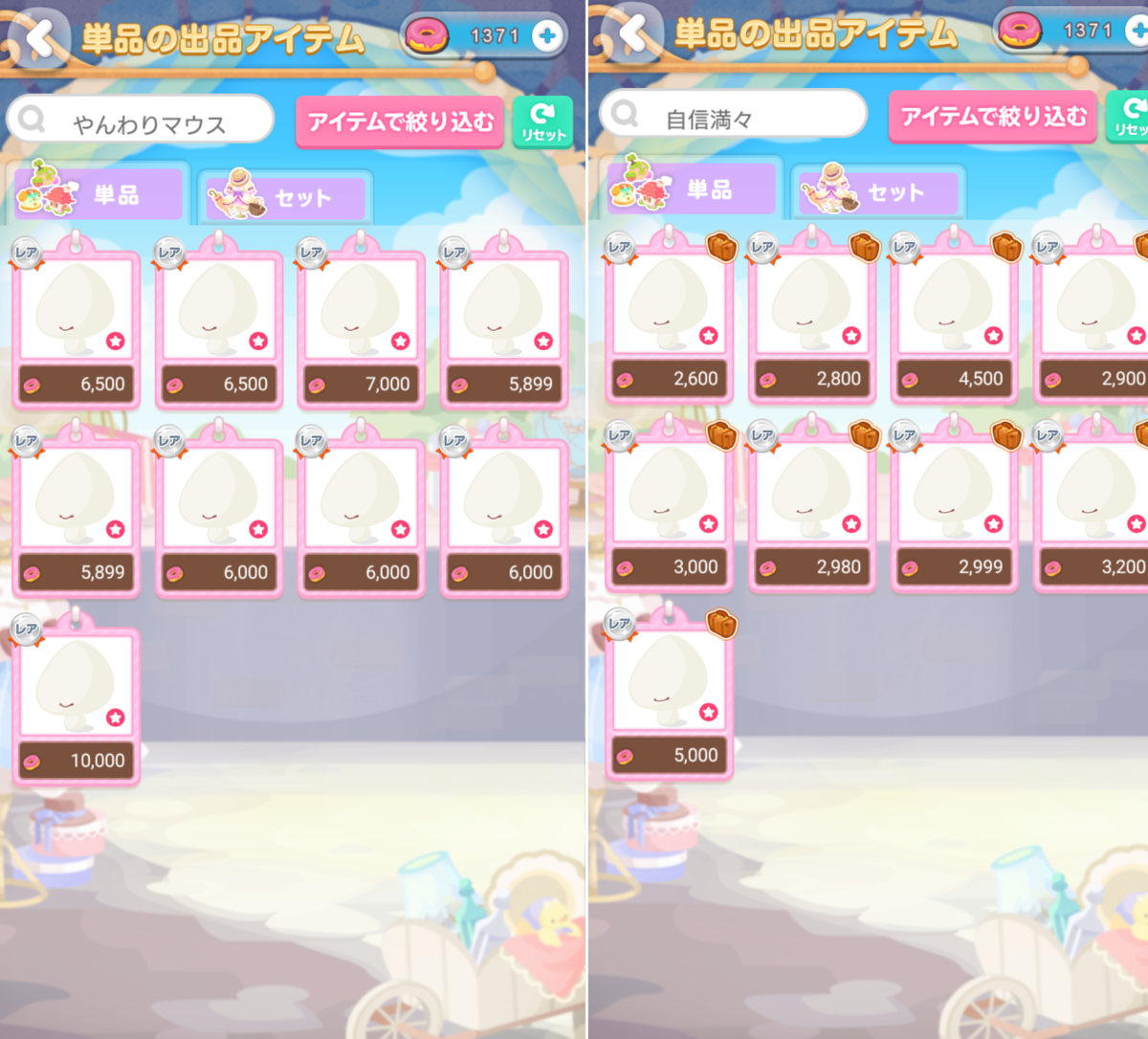
For prospective buyers navigating the event frenzy, finding genuine bargains requires understanding the client-side buyer search filter settings. The interface allows users to sort results by rarity, theme release period, and precise Dona ranges. Snipers who land rare fashion items at accessible prices do not spend their time scrolling through unfiltered feeds. They configure strict price ceilings, such as filtering exclusively for Rare items priced between 100 and 300 Dona, and execute immediate manual refreshes the second a new cycle begins.
Strategic timing drives the wild swings of the market. During the initial 48 hours of an event, prices skyrocket. Wealthy collectors flush with Dona bid up popular hair and dress designs, creating temporary market bubbles. Sellers who list at this stage reap significant margins despite the tax penalty.
The opposite occurs during the final 12 hours before the market shutters. Sellers facing unsold inventory realize their expended listing tickets will yield zero return if items go unpurchased. The result is a sharp, predictable wave of panic-selling. Prices compress rapidly toward their structural system minimums, turning the closing hours into the most advantageous window for disciplined bargain hunters looking to expand their wardrobes.
Frequently Asked Questions (FAQ)
Q1: Can I list any item for 1 Dona if I just want to give it to an in-game friend?
A1: No. The absolute systemic floor for Normal items is 10 Dona. Rare and Super Rare items carry significantly higher programmatic floors. Trying to pass assets to friends via the Flea Market also carries immense risk, as global buyers monitoring the same filter tags can purchase the item before your intended recipient ever sees it.
Q2: Do I get my Flea Market ticket back if my item fails to sell?
A2: No. Once a Flea Market ticket is consumed to create an active listing, it is permanently spent. If the listing duration expires without a sale, the item returns to your duplicate inventory, but the listing voucher is lost.
Q3: How much cut does Cocone take from Flea Market sales?
A3: The game automatically deducts a flat 30% commission from the final sale price. The seller receives the remaining 70% credited directly to their Dona balance upon transaction completion.
Q4: Why does the system block me from listing a specific duplicate item?
A4: Certain items carry permanent trade locks imposed by the developers. Promotional collaboration items, real-world brand crossover assets, and specific quest-reward items are frequently blacklisted from Flea Market participation regardless of duplicate status.
Navigating Pokecolo’s Micro-Economy in 2026
Navigating Pokecolo’s trading ecosystem requires abandoning the myth of the lawless, wide-open flea market. Cocone operates an intensely managed digital economy where systemic floors, rarity locks, ticket scarcity, and a punishing 30% tax deduction exist for a singular purpose: preserving the real-world monetary investment required to draw from premium gachas.
Sellers who understand these boundaries stop wasting premium listing tickets on low-margin 10 Dona fire sales. Buyers who learn to read developer cycles and master search filters position themselves to capitalize on predictable market panics. The Flea Market offers immense opportunities to build an elite virtual collection, provided you trade based on programmed code rather than community rumors.
