Fact-Checking Shiga Gakuen's Academic Ranking: Perception vs. Proven Results
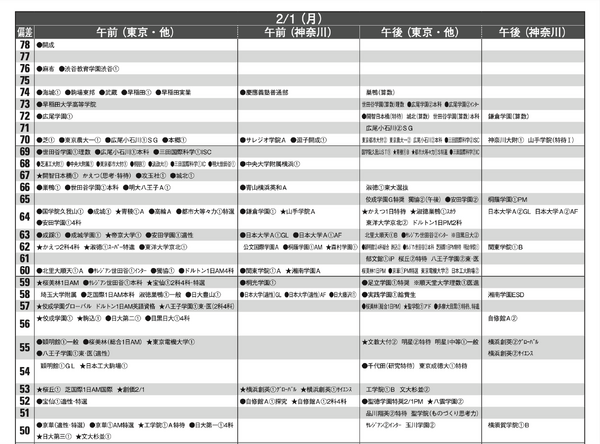
Every winter across Shiga Prefecture, middle school students face the cold mathematics of high school entrance exam cut-off scores. Among Higashiomi private high schools, Shiga Gakuen High School routinely sparks intense online speculation among parents. Rumors across regional discussion boards suggest that the school's deviation scores are surging toward elite academic tiers, fueled by expanded private school tuition subsidies and aggressive academic recruitment. Yet evaluating actual admissions data tells a much more nuanced story.
Standardized testing metrics in Japan require careful calibration against broader market movements. As highlighted in a recent リセマム Report documenting national testing adjustments by major diagnostic providers, standard score distributions shift continuously based on applicant volume and institutional restructuring. In Shiga, where public high schools like Zeze and Hikone Higashi historically dominate the top tiers of Shiga Prefecture academic rankings, understanding where Shiga Gakuen genuinely stands demands looking past forum gossip and examining verified mock exam percentiles.
📌 Key Takeaways:
- Academic Realities: Shiga Gakuen's overall hensachi has not experienced an across-the-board spike; scores remain split sharply by department, ranging from 42 to 58 depending on the course.
- The Tokushin Division: The school's Tokushin academic preparation course drives the upper edge of its academic reputation, targeting mid-tier national and reputable private universities.
- Athletic Focus: A substantial portion of the student body enters through athletic club scholarship admissions, preserving the institution's primary reputation as a sports powerhouse rather than a pure prep academy.
The Dual-Track Structure of Shiga Gakuen
Shiga Gakuen does not operate as a single academic monolith. Located in Higashiomi, the campus houses two distinctly different student realities under one roof. On one side sits an intensive college-prep cohort; on the other lies an athletic training ground with deep ties to national high school baseball and track tournaments.
This organizational division began solidifying when the school established its integrated middle-to-high school program. The school designed its internal secondary curriculum to nurture students targeting university degrees through sustained six-year tracks. Simultaneously, its upper secondary school recruited top athletes from across Kansai and beyond. The resulting campus culture creates divergent entry thresholds. A prospective student aiming for the general curriculum encounters an accessible bar, while an applicant targeting the advanced course confronts competitive diagnostic expectations.
Dissecting the Deviation Scores Across Academic Tracks
Testing agencies measure admission difficulty through hensachi, a standardized deviation metric centered around an average score of 50. Regional testing services like the Shiga V-Moshi calculate pass probability standard scores using historical mock test results and final admission outcomes. For Shiga Gakuen, publishing a single deviation number misleads families because requirements swing by more than fifteen points across courses.
The flagship Tokushin course requires an entrance exam cut-off score generally hovering between 55 and 58 for an 80% pass probability. This score places applicants comfortably above the prefecture's average middle school test-taker, making it competitive with solid regional public high schools. In contrast, the General Career and Sports tracks register scores between 42 and 46. Claims that the institution has transformed into an exclusive academic powerhouse confuse the performance of its top preparatory track with the baseline entry requirements of the entire school.
Admission Cut-Offs and Regional Testing Benchmarks
Evaluating Shiga Gakuen's position requires comparing course requirements against performance benchmarks established in prefectural high school mock exams. The data illustrates a distinct tiering mechanism across the campus tracks.
| Course Stream | 80% Pass Hensachi | Primary Target Destinations | Primary Admission Route |
|---|---|---|---|
| Tokushin (Advanced Prep) | 55, 58 | Regional National Universities, KAN-KAN-DO-RITSU | General Entrance Exam / Recommendation |
| Integrated Secondary Cohort | 50, 54 | SAN-SEN-KIN-KO-RYU, Mid-Tier Private Colleges | Internal Progression from Middle School |
| General / Career Track | 44, 46 | Regional Private Colleges, Vocational Institutes | Designated Recommendation (Suisen) |
| Sports & Athletics Track | 42, 44 | University Athletic Recruits, Career Placement | Athletic Club Scholarship Admissions |
These numbers highlight a functional distribution rather than systemic academic elevation. The Tokushin course attracts ambitious local students from Higashiomi who prefer private school oversight over local public options. Meanwhile, the lower deviation scores in the general and athletic tracks maintain stable enrollment rosters essential for the institution's operating budget.
University Placement Realities and Athletic Pipelines
A school's deviation score matters only insofar as it leads to tangible outcomes. Shiga Gakuen's university placement track record reflects its bifurcated admissions structure. The Tokushin program reliably secures successful placements in prominent regional private universities, notably the KAN-KAN-DO-RITSU group (Kansai, Kwansei Gakuin, Doshisha, and Ritsumeikan), alongside occasional acceptances to local national institutions like Shiga University.
For the broader student body, higher education pathways look different. Many students leverage internal recommendations and designated school slots (*shitei-ko suisen*) to enter mid-tier private universities across Kansai. Others in the athletic tracks lean on sporting achievements to earn placement at dedicated sports science faculties. The school does not compete with elite preparatory schools for Tokyo University or Kyoto University seats, nor does it pretend to. Its strength rests on offering supportive, structured pipelines into stable regional institutions.
The Influence of Private School Tuition Subsidies
Public policy revisions have directly altered Shiga Gakuen's application volume. National and prefectural private school tuition subsidies have lowered economic barriers for households earning under designated income thresholds. Parents who previously defaulted to local public high schools now actively evaluate private options in Higashiomi.
This financial relief stabilizes enrollment numbers, but it has not generated an overnight inflation of academic standards. Middle schools in Shiga continue to steer their highest-performing students toward top public schools. What subsidies have changed is applicant retention: middle-tier students who miss the cut for upper-tier public schools increasingly pick Shiga Gakuen's Tokushin program as their private back-up rather than settling for lower-ranked public institutions.
Frequently Asked Questions (FAQ)
Q1: What is the exact hensachi needed to guarantee admission to Shiga Gakuen?
A1: Entrance cut-offs vary significantly by course. The Tokushin course requires a standard score around 55 to 58 on prefectural mock exams for an 80% pass probability. The General and Sports tracks require a score between 42 and 46.
Q2: Is Shiga Gakuen's overall deviation score rising rapidly?
A2: No. While the Tokushin course maintains stable, competitive scores in the mid-50s, the school-wide average remains moderate because athletic cohorts and general career tracks account for a large share of the student body.
Q3: Can athletic scholarship students enroll in the Tokushin prep course?
A3: Rarely. The demanding training schedules of the varsity athletic teams generally conflict with the extended instructional hours and mandatory supplementary courses required in the Tokushin curriculum.
Evaluating the Practical Choice for 2026 Admissions
Families weighing Shiga Gakuen must look past broad label rankings and focus entirely on specific course tracks. The narrative that the school is rapidly transforming into a high-tier academic institution does not survive factual scrutiny. Its general courses remain accessible, designed to support vocational learners and competitive athletes.
For students seeking an intensive, smaller-scale preparatory environment in eastern Shiga, the Tokushin course remains a solid option backed by attentive faculty support. For athletes looking to compete on national stages, the school's facilities and coaching offer clear advantages. Success at Shiga Gakuen depends on entering with clear eyes about which track matches a student's actual goals rather than relying on generalized deviation score myths.
