Fact-Checking the Myth: Was Akihiro Miwa Truly Yukio Mishima's Greatest Muse and Unrequited Love?
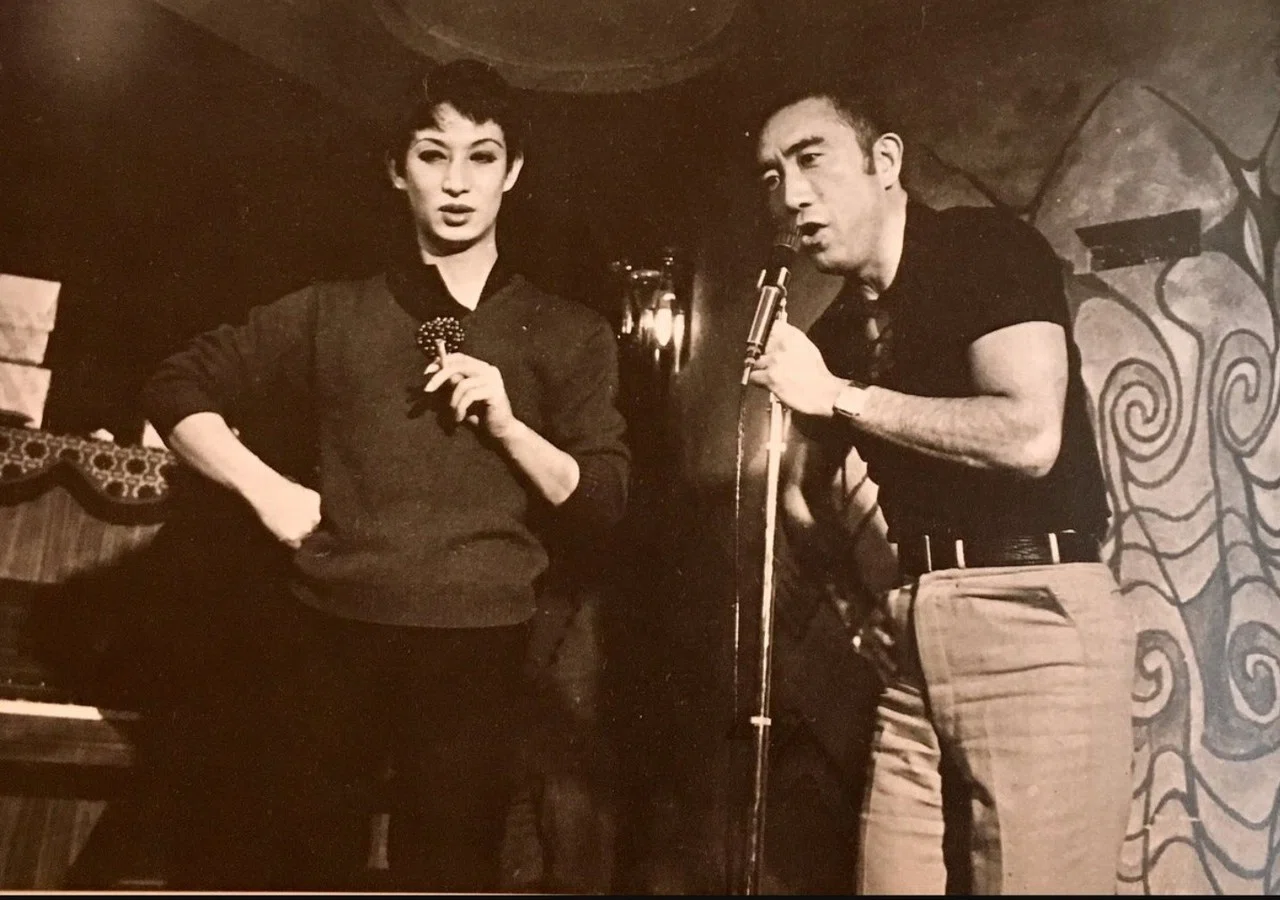
When legendary performer and counterculture icon Akihiro Miwa passed away on June 20, 2026, at age 91, Japan lost its final living link to the golden age of Showa modernism. Almost immediately, social media and literary circles reignited a decades-old debate: Was Miwa truly the romantic obsession that literary giant Yukio Mishima could never possess? As detailed in an investigative retrospection by a livedoor ニュース Report, public memory has long romanticized their relationship into tragic melodrama, fueled by theatrical collaborations, intimate photographs, and a parting gift of three hundred crimson roses delivered days before Mishima took his own life.
The unvarnished historical record tells a far more nuanced story. Sifting through primary memoirs, postwar press records, and accounts from editors who chronicled Miwa's recollections reveals that reducing their dynamic to simple unrequited romance misses the true depth of their bond. Their relationship was an artistic alliance between two uncompromising figures who weaponized beauty, theatricality, and erotic ambiguity against a conformist postwar Japan.
📌 Key Takeaways:
- The Provocation: Mishima famously told a teenage Miwa that his only flaw was refusing to fall in love with him, establishing a dynamic of sharp intellectual banter rather than tragic subservience.
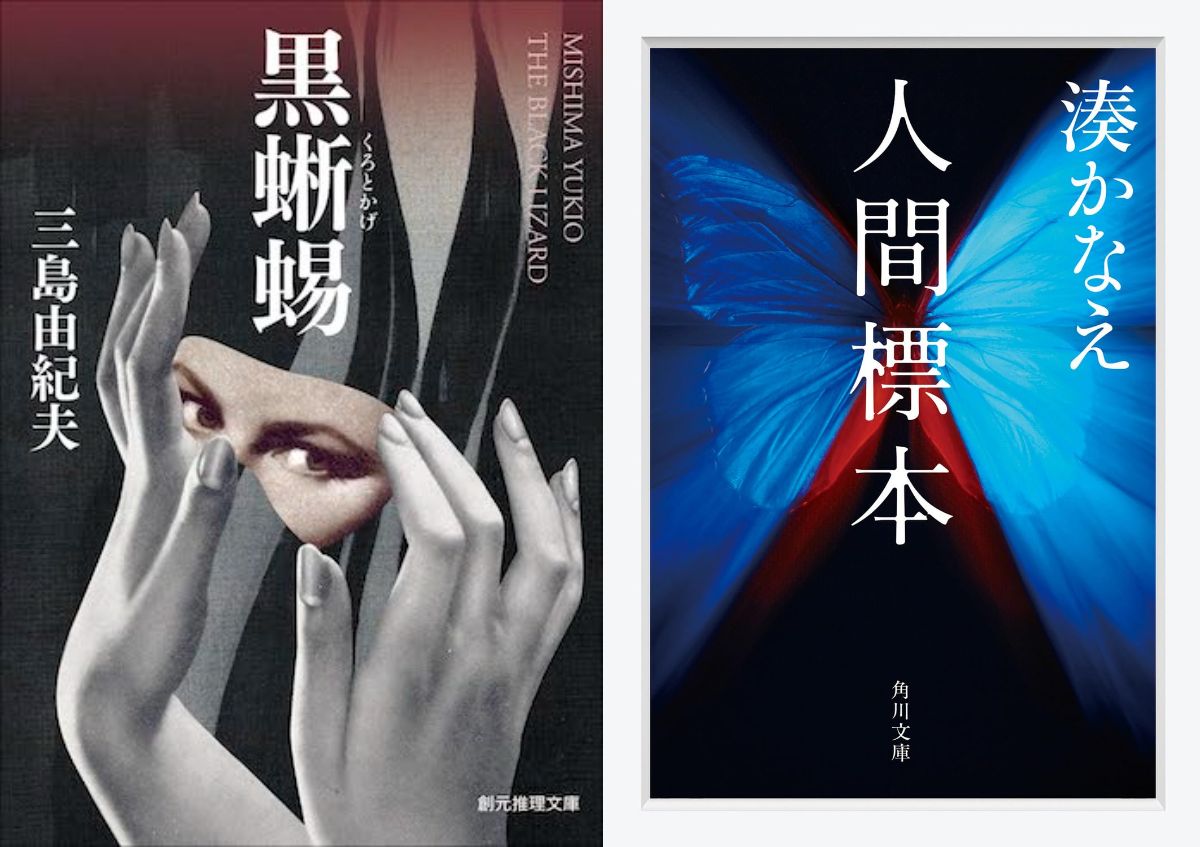
- The Artistic Fusion: Their crowning achievement, the 1968 staging and film adaptation of Edogawa Ranpo's Black Lizard (Kurotokage), served as the ultimate playground for their shared obsession with decadent aestheticism.
- The Farewell: Mishima delivered 300 red roses to Miwa's dressing room in November 1970, an extravagant curtain call delivered just days before the Ichigaya Incident.
- The Core Reality: While Mishima held genuine aesthetic and erotic fascinations with Miwa, their bond functioned as an egalitarian meeting of minds rather than a simple unrequited courtship.
The Ginpari Meeting and the Rejection That Hooked Mishima
The myth began in the smoke-filled interior of Ginpari, an underground chanson bar in Tokyo's Ginza district. In 1952, Miwa was a 16-year-old prodigy singing French cabaret standards while rejecting the rigid gender lines of postwar entertainment. Mishima, already an established literary celebrity following the success of his breakthrough autobiographical novel Confessions of a Mask, frequently held court in the bohemian salons of Ginza. He was instantly captivated by the teenager's androgynous glamour.
Their first exchange shattered standard social decorum. When Mishima attempted to flatter the young singer, Miwa remained conspicuously unimpressed. Mishima declared, "You have just one flaw. Your flaw is that you won't fall in love with me." Miwa fired back without blinking: "Then that makes two of us with flaws, because I don't care for men who expect everyone to adore them."
That immediate rebuff distinguished Miwa from the sycophants who circled the Tokyo literary elite. Instead of driving Mishima away, it hooked him. For the next two decades, Mishima treated Miwa not as a subordinate admirer, but as an intellectual sparring partner capable of seeing straight through his hyper-constructed public persona.
Black Lizard and the Peak of Postwar Camp
By the mid-1960s, Mishima had moved far beyond traditional literature into avant-garde Japanese theatre and performance art. His ultimate platform for Miwa came when he adapted Edogawa Ranpo's detective mystery Black Lizard (Kurotokage) specifically for him. Mishima recognized that Miwa was the only performer in Japan capable of embodying Madame Midorikawa, the master jewel thief whose obsession with unattainable beauty mirrors her self-destructive soul.
The 1968 stage run and subsequent cinematic adaptation directed by Kinji Fukasaku became a defining event for Showa counterculture. Mishima cast himself in a silent cameo as a taxidermied human specimen kept inside the Black Lizard's secret vault of living treasures. On screen, Miwa caressed Mishima's oiled, motionless torso before planting a deliberate kiss on his lips.
That scene blurred the boundaries between art, queer desire, and private inside jokes. It challenged postwar censorship and allowed Mishima to stage his own aesthetic fetishization. Far from being a passive muse, Miwa directed the terms of their artistic dialogue, insisting on aesthetic perfection that matched Mishima's rigorous literary standards.
The Factual Timeline: Cultural Legend Versus Documented History
Separating the genuine history of Mishima and Miwa from posthumous myth requires analyzing verified public milestones against firsthand testimonies documented over five decades.
| Timeframe | Public Narrative & Romantic Legend | Documented Historical Reality |
|---|---|---|
| 1952, 1955 | Mishima pursued a hopeless, obsessive courtship of the young singer at Ginpari. | A playful, intellectually competitive friendship formed; Miwa rebuffed advances, earning Mishima's lasting respect. |
| 1968 | Mishima rewrote Ranpo's Black Lizard as a secret confession of his love for Miwa. | A calculated theatrical collaboration; Mishima tailored the script to showcase Miwa's singular blend of cabaret style and gender subversion. |
| November 1970 | 300 red roses were sent as a final, desperate love letter before ritual suicide. | A deliberate theatrical sign-off; Mishima sent the bouquet to congratulate Miwa's run in The Merchant of Venice days before his death at Ichigaya. |
| Post-1970 Era | Miwa spent his remaining decades mourning a lost romantic soulmate. | Miwa carefully preserved Mishima's artistic integrity while openly criticizing his extreme nationalism and the futile violence of his final act. |
The Final Bouquet: Deconstructing the 300 Red Roses
The centerpiece of the romantic myth took place in mid-November 1970, when a massive delivery of 300 long-stemmed red roses arrived backstage at the theatre where Miwa was performing in a production of Shakespeare's The Merchant of Venice. Along with the flowers came an enclosed card inscribed with simple words of appreciation and respect.
Days later, on November 25, 1970, Mishima and four cadets from his private militia, the Tatenokai, entered the Japanese Ground Self-Defense Force Camp at Ichigaya. Following an unsuccessful speech calling on soldiers to rise up and restore the Emperor's imperial authority, Mishima committed ritual seppuku. He was 45 years old.
Sensationalist tabloids immediately cast the roses as a dying lover's final tribute. Yet Miwa rejected that melodramatic reading throughout his later years. Mishima was methodically closing his life's accounts, returning borrowed items, paying debts, and delivering calculated farewells to the artists he respected. The roses were an acknowledgment of theatrical brilliance. Mishima understood staging better than anyone; an overwhelming floral arrangement was the grandest curtain call he could offer his greatest star.
Queer Identity and Erotic Politics in Postwar Japan
To evaluate whether Mishima loved Miwa, one must understand how each negotiated LGBTQ history in postwar Japan. The two men took opposite paths through society. Mishima remained guarded, marrying Yoko Sugiyama in 1958 and fathering two children while sublimating his homosexual desires into novels, private body modification, and subterranean excursions through Shinjuku's gay bars.
Miwa refused all compromises. Surviving the atomic bombing of Nagasaki as a boy, he came of age with a total disregard for social convention. He came out openly as a gay man during the 1950s, an act of courage without precedent in Japanese celebrity culture. He sang worker anthems like "The Song of Yoitomake" in cross-dress, bridging marginalized blue-collar narratives with radical androgyny.
Mishima was fascinated by that freedom. He envied Miwa's brazen disregard for bourgeois propriety. In many ways, Mishima's attraction was rooted in envy. Miwa could live openly as the fearless, defiant creature that Mishima could only unleash within fiction or behind the closed doors of private gymnasiums.
Memoirs, Confessions, and What Miwa Kept Private
Over the decade leading to his passing, Miwa worked closely with veteran cultural journalists, including Asahi Shimbun editor Yohei Goto, to leave behind a meticulous accounting of his life. Those interviews make one thing clear: Miwa loved Mishima deeply, but refused to surrender his agency to him.
Miwa consistently described Mishima as a brilliant child trapped inside a muscular fortress of his own creation. When Mishima pivoted toward militant hyper-nationalism in the late 1960s, Miwa did not indulge the delusion. He directly mocked Mishima's uniforms and military posturing, warning him that romanticizing martial death was an insult to the people who had actually endured the horrors of World War II.
Mishima accepted this criticism because he knew Miwa spoke from lived experience, having walked through the ruins of Nagasaki. Their bond was built on mutual truth. Mishima did not look to Miwa for domestic intimacy or romantic companionship; he looked to him for absolute honesty in a society driven by polite evasion.
Frequently Asked Questions (FAQ)
Q1: Did Yukio Mishima ever formally propose a romantic relationship to Akihiro Miwa?
A1: According to Miwa's published memoirs, Mishima openly voiced his erotic interest early in their friendship during the 1950s. Miwa made it clear he viewed Mishima as a friend and artistic collaborator rather than a sexual partner, a boundary that established their lasting dynamic.
Q2: Why are the 300 red roses considered so culturally significant in Japan?
A2: The massive bouquet delivered backstage in November 1970 arrived just days before Mishima's ritual suicide at the Ichigaya military base. The timing transformed the flowers into an enduring symbol of a final goodbye, blurring the line between artistic farewell and romantic legend.
Q3: How did Akihiro Miwa react to Mishima's death by seppuku?
A3: Miwa was deeply grieved by the loss of his friend, but remained fiercely critical of Mishima's political death. Having lived through the atomic bombing of Nagasaki, Miwa maintained an anti-war stance and characterized Mishima's militaristic end as tragic, misguided, and deeply unnecessary.
The Undeniable Resonance of a Showa Era Partnership
Reducing the dynamic between Yukio Mishima and Akihiro Miwa to an unrequited romance diminishes the lives of both icons. Mishima was not simply a pining paramour; he was an uncompromising creator who recognized in Miwa an aesthetic equal. Miwa was never a passive muse; he was a trailblazing queer artist who matched one of the twentieth century's most formidable minds step for step.
Mishima may well have harbored romantic longing for Miwa, but what they built over two decades outlasted any brief romance. Through provocative stage plays, candid debates on art, and a mutual resistance to the banalities of postwar society, they created a living monument to modern Japanese expression. Their partnership proved that creative respect can be far more enduring than desire.
