Fact-Checking the Rumors: Are Any Famous Japanese Actors Related to Comedian Zakiyama?
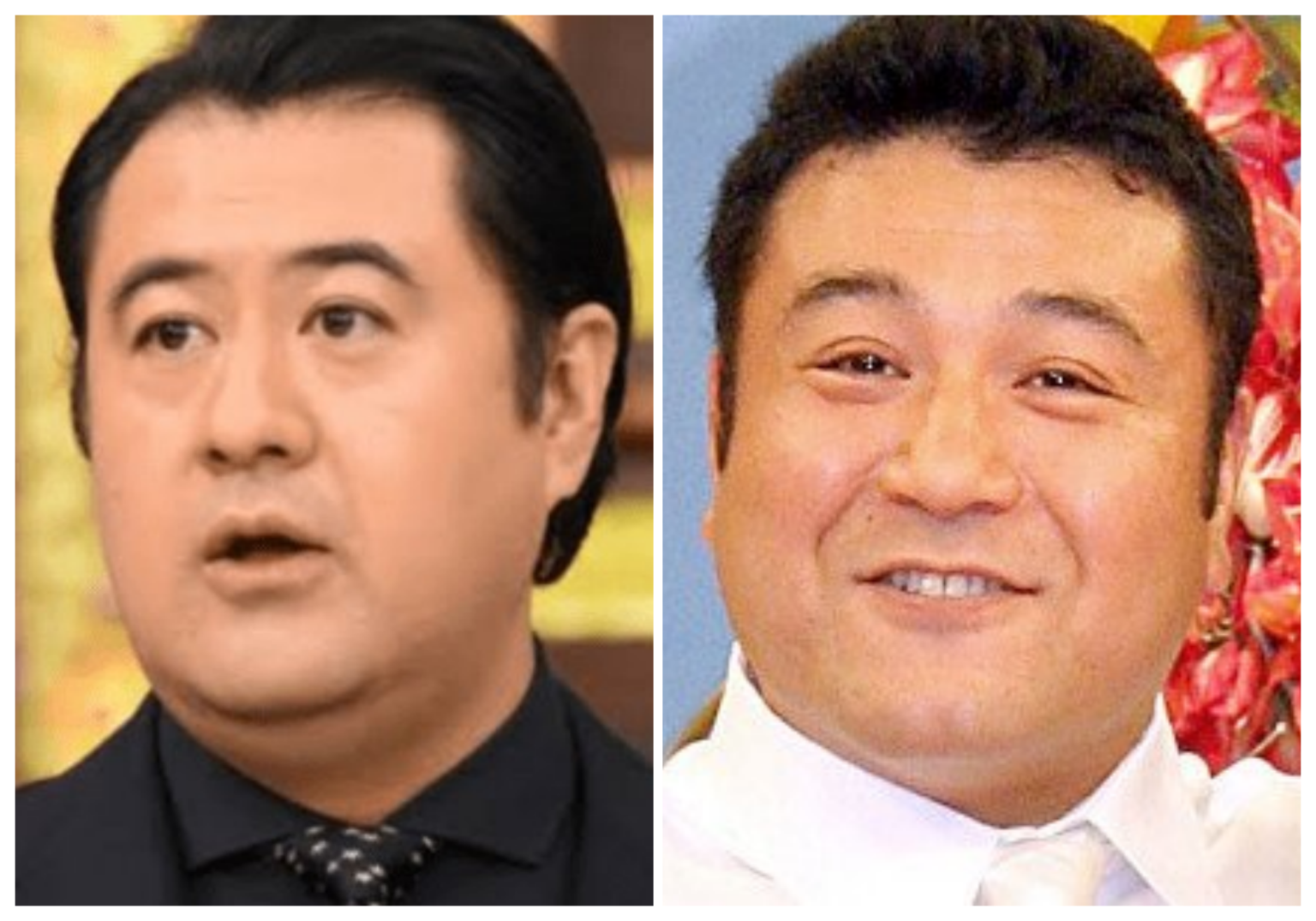
Few faces in Japanese television evoke an immediate, visceral reaction quite like Hironari Yamazaki. Known universally as "Zakiyama," the hyperactive comedian of the Untouchable comedy duo has turned his broad grin, theatrical bravado, and instantly recognizable cleft chin into comedic gold for decades. Yet a curious parallel conversation has shadowed his career across Japanese forums, tabloid columns, and social media: persistent rumors suggesting high-profile screen idols and drama stars are secretly his brothers, cousins, or estranged family members.
Speculation surged again when high-ranking political figures entered the fray. A viral photo shared by Defense Minister Shinjiro Koizumi on X sparked waves of laughter after Koizumi posed alongside Yamazaki while celebrating Japan's national soccer team, as covered in a prominent MSN Report. The snapshot reignited long-running chatter about Zakiyama lookalike actors and the odd, recurring genealogical myths surrounding the veteran entertainer.
📌 Key Takeaways:
- The Lineage Reality: Zero verified blood ties connect Hironari Yamazaki to leading dramatic actors like Kento Yamazaki or Kotaro Koizumi.
- The Spark: Visual confusion stems from shared surnames (Yamazaki), prominent facial bone structures, and recurring self-deprecating sketches on variety television.
- The Cultural Impact: Japanese variety programming actively encourages celebrity twin comparisons to humanize serious actors through comedic association.
How the Zakiyama Doppelganger Craze Took Hold
Hironari Yamazaki was born on January 14, 1976, in Kasukabe, Saitama Prefecture. When he teamed up with partner Kenta Shibata to form Untouchable in 1994, nobody expected his physical silhouette to become a staple of pop culture mythology. His facial structure, characterized by deep laugh lines, high cheeks, and a signature cleft chin, functions as a visual caricature in real life.
On variety staples like London Hearts and Ametalk!, producers realized that positioning Zakiyama alongside traditional heartthrobs created an instant comedic foil. Yamazaki leaned into the dynamic with gusto. Whenever an actor sporting a sharp jawline or cleft chin appeared on set, Zakiyama would routinely disrupt the segment by claiming kinship. What began as an improvised running gag gradually escaped the boundaries of the broadcast studio, feeding algorithmic search queries about Japanese comedian lookalikes.
The Kento Yamazaki Brother Rumor Examined
The most persistent family rumor links Hironari Yamazaki directly to award-winning actor Kento Yamazaki, star of international hits like Alice in Borderland and the Kingdom film franchise. For years, domestic search engines have suggested the query "Kento Yamazaki Zakiyama brother," confusing overseas fans and casual viewers alike.
The rumor crumbles under elementary genealogy. Kento Yamazaki was born in Itabashi, Tokyo, on September 7, 1994, into a household completely unrelated to the comedian. Kento does have an older brother, but public records and biographical features confirm his sibling is an ordinary citizen seven years his senior, not a veteran comic born eighteen years earlier in Saitama. Even their kanji characters differ slightly depending on official registries (山崎 versus the traditional 山﨑). The rumor persists strictly because of the common surname and playful variety show hosts who occasionally tease the dashing lead about his theoretical "older brother" in comedy.
Mapping the Major Doppelganger Claims and Kinship Myths
Physical comedy thrives on exaggeration, but the web of Zakiyama doppelganger actors extends across dramatic cinema, television dramas, and national politics. The table below traces the primary targets of these celebrity facial resemblance theories, examining where the claims originated and what official records show.
| Celebrity Name | Claimed Connection | Visual / Cultural Trigger | Factual Status |
|---|---|---|---|
| Kento Yamazaki | Older brother / Father | Identical surname; frequent jokes during prime-time award broadcasts | Completely false; no shared lineage or family ties |
| Kotaro Koizumi | Maternal cousin | Shared easygoing television presence; crossover guest spots | False; Koizumi belongs to the famous Yokosuka political dynasty |
| Shinjiro Koizumi | Unrelated doppelganger | Viral 2026 soccer celebration selfie on X | Social interaction; no biological connection whatsoever |
| John Travolta | Western lookalike archetype | Heavy cleft chin and retro hairstyle spoofs | Purely stylistic parody utilized in comedy sketches |
The Anatomy of the Cleft Chin Aesthetic
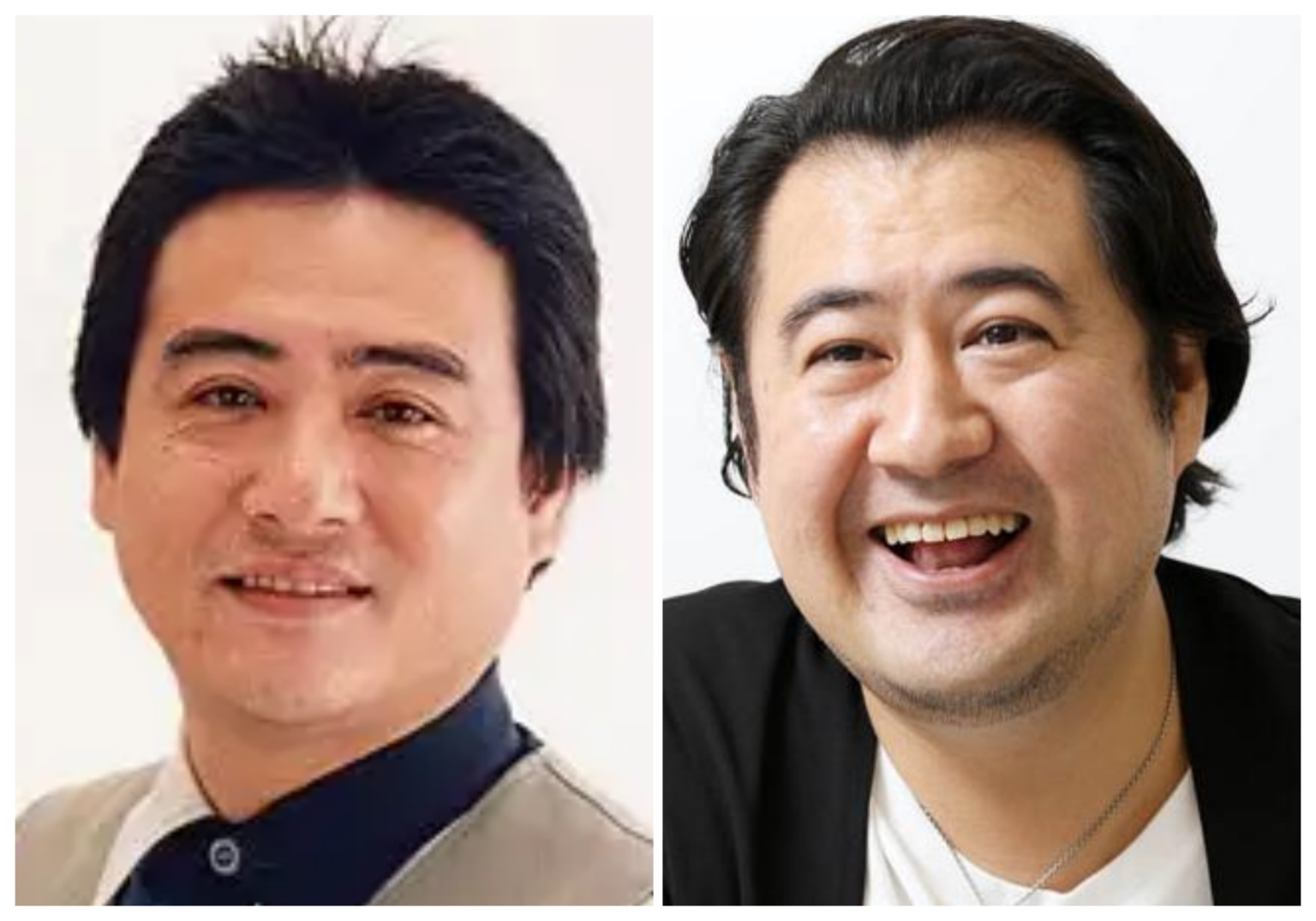
The core catalyst behind almost every Zakiyama doppelganger rumor is craniofacial anatomy. A prominent cleft chin remains relatively uncommon among native Japanese populations compared to European demographics. In medical terms, the condition arises from an incomplete fusion of the left and right halves of the mandibular bone during embryonic development.
Because the trait stands out sharply on Japanese television, any public figure possessing a noticeable mental cleft gets immediately pulled into the Zakiyama orbit. When dramatic actors hit the screen sporting a defined lower jaw, viewers on 5channel and X playfully label them "Ikemen Zakiyama" (handsome Zakiyama). Rather than an insult, the comparison operates as affectionate shorthand. Comedian doppelganger actors frequently welcome the label, knowing that an association with one of the country's most beloved television figures guarantees instant talk-show chemistry.
The Koizumi Encounter: How Politics Met Parody
The viral exchange between Defense Minister Shinjiro Koizumi and Zakiyama brought the lookalike debate to political reporting. Following an intense run by Japan's national soccer squad, Koizumi posted a candid photo alongside Yamazaki, praising the team while smiling shoulder to shoulder with the comedian. The post triggered thousands of retweets within hours, with commenters remarking on the surreal contrast between a sharp-suited cabinet member and the grinning comic.
The post highlighted a unique pillar of Japanese media: high-status public figures intentionally leveraging relationships with variety comedians to appear approachable. Koizumi's elder brother, Kotaro Koizumi, is himself an established actor who has frequently shared sets with Zakiyama. The political selfie closed the loop, demonstrating how Zakiyama brother rumors and doppelganger memes function as versatile cultural currency that spans show business, television dramas, and cabinet offices.
Frequently Asked Questions (FAQ)
Q1: Are Hironari Yamazaki and Kento Yamazaki related by blood?
A1: No. While they share the common Japanese surname Yamazaki, official records confirm they come from completely different families with distinct geographic roots in Saitama and Tokyo.
Q2: Why do Japanese viewers constantly look for Zakiyama doppelgangers?
A2: Yamazaki's rare cleft chin, exaggerated facial expressions, and self-referential jokes on variety shows have turned his look into a standard pop culture benchmark for anyone with similar jaw features.
Q3: Has Zakiyama ever officially acknowledged the actor brother rumors on television?
A3: Yes. Yamazaki frequently uses the rumor as an opening bit on television specials, mockingly asking handsome guest actors to return home to their "real" family for laughs.
The Lasting Cultural Punchline of Japanese Celebrity Twins
The unending fascination with Zakiyama's theoretical actor relatives reflects the distinctive mechanics of Japanese entertainment. In Hollywood, unexpected physical resemblances between comedic personalities and serious actors often trigger defensive PR management. In Tokyo, agencies and variety directors actively lean into the overlap. By allowing themselves to be compared to a mischievous, cleft-chinned comedian, dramatic leading men soften their polished public personas, showing humility and humor in a single stroke.
Hironari Yamazaki remains an only child within his specific brand of relentless slapstick, and no secret actor brothers exist in his family registry. Yet as long as variety television thrives on unexpected visual contrasts, viewers will keep finding glimpses of Zakiyama in the most unlikely places.
