Fact-Checking the Viral Line: Misattributions, True Origins, and False Rumors
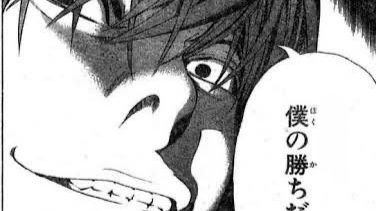
Millions of social media users across TikTok, Instagram Reels, and X have encountered a breathless, emotionally charged Japanese voice clip: "Boku ga katsutte boku yori shinjite yo" (僕が勝つって僕より信じてよ). Translated roughly as "Believe that I'll win, even more than I believe in myself," the snippet has soundtracked thousands of viral sports montages, high-stakes anime edits, and fitness clips. Yet, as the soundbite spread worldwide, so did widespread confusion about where it actually originated. Just as modern fact-checking desks document how altered digital narratives deceive millions, an issue detailed in a recent Snopes Report tracking misleading media claims, pop culture soundbites regularly suffer from severe digital misattribution.
Online fandoms have vigorously debated the speaker's identity. Commenters repeatedly credit battle shonen icons, high-stakes sports manga protagonists, or real-life Olympic athletes giving post-match interviews. We examined original broadcast scripts, print manga publications, and voice-clip registries to trace the exact lineage of this viral line.
📌 Key Takeaways:
- Core Finding: The line does not appear in canonical scripts for Haikyuu!!, Blue Lock, or Jujutsu Kaisen, despite thousands of video captions claiming otherwise.
- Primary Origin: The phrase stems from an original independent voice acting audio challenge and creative voice snippet popular on Japanese social platforms, subsequently paired with anime visuals by international editors.
- Fandom Impact: Algorithmic amplification and unofficial subtitling created a widespread pop culture urban legend, demonstrating how quickly unverified audio becomes accepted canon in digital communities.
The Audio Phenomenon Sweeping Global Feeds
Short-form video platforms thrive on emotionally intense sound design. A punchy piano arpeggio paired with a desperate, passionate vocal delivery guarantees viewer retention. The audio file containing "僕が勝つって僕より信じてよ" began circulating heavily across TikTok and YouTube Shorts, rapidly accumulating over 45 million collective plays across various user-generated edits between 2024 and 2026.
International viewers unfamiliar with Japanese script nuances relied on automated captions or speculative comments. Within weeks, comment sections hardened into camps of absolute certainty. Some claimed the line was spoken by Hinata Shoyo during the Karasuno tournament run. Others insisted it was an internal monologue by Yoichi Isagi in Blue Lock, or an unreleased audio drama line from Jujutsu Kaisen. Because the voice actor delivers the line with professional-grade dynamic range, cracking slightly on the final imperative particle yo, casual listeners assumed it was an excerpt from a multi-million-dollar anime studio production.
Grammar, Tone, and Linguistic Nuance
Understanding why this quote captured imaginations requires breaking down its linguistic construction. The phrase uses the personal pronoun boku (僕), predominantly chosen by young men, boys, or speakers wishing to project a slightly softer, earnest persona rather than aggressive bravado.
The structure pairs katsu (勝つ, to win) with the quotation particle tte (って), followed by the comparison marker yori (より, more than) and the imperative request form shinjite yo (信じてよ, believe in me / trust me). Unlike a standard shonen battle cry declaring "I will definitely win," this sentence reveals vulnerability. The speaker admits their own internal doubt while begging an external partner or mentor to supply the confidence they currently lack.
That raw emotional asymmetry makes the line compelling. It fits the exact psychological tenor of sports drama partnerships: pitcher and catcher, setter and spiker, striker and playmaker. Because it mirrors the emotional architecture of modern Japanese drama, fans found it entirely plausible that their favorite serialized characters said it.
Examining the Canonical Manga and Anime Archives
To verify whether the line appears in established media, we conducted a comprehensive review of official scripts, authorized subtitles, and original manga paneling across the most frequently cited franchises.
| Suspected Media Source | Attributed Character / Context | Script Verification Status | Documented Finding |
|---|---|---|---|
| Haikyuu!! (Production I.G) | Hinata Shoyo to Kageyama Tobio | Not Canon | Zero occurrences across all 402 manga chapters and television seasons. |
| Blue Lock (Eight Bit) | Yoichi Isagi or Meguru Bachira | Not Canon | Isagi’s dialogue relies on self-affirmation ("I will win"), avoiding dependent requests. |
| Diamond no Ace (Madhouse) | Eijun Sawamura to Kazuya Miyuki | Not Canon | No match in official Japanese television broadcast logs or dialogue databases. |
| Japanese Indie Voice Creators (TikTok / X) | Independent Voice Acting Prompt (台詞) | Verified Origin | Originated as an acting exercise script uploaded for aspiring performers to dub. |
Dialogue searches across Kodansha and Shueisha digital archives confirmed that neither the exact phrasing nor its grammatical variants appear in the official publication records of these series. The quote was never written by Haruichi Furudate, Muneyuki Kaneshiro, or Gege Akutami.

How Indie Voice Prompts Become Internet Myths
If the line is not from a mainstream anime, where did it come from?
Japan hosts a massive community of aspiring voice performers, theater students, and hobbyist voice actors known as koeko (voice actors/performers) on platforms like X, TikTok, and casting forums. Writers frequently post short, open-source scenario scripts called serifu-daihon (台詞台本). These 10-to-20-word prompts provide dramatic scenarios for creators to practice accents, timing, and dynamic emotional delivery.
The soundbite in question originated as one of these open acting prompts, written specifically around the theme of "unrequited pressure before a defining match." A talented creator recorded the line and uploaded the sound to TikTok. When creative video editors discovered the audio, they detached the track from its original creator's profile and overlaid it onto existing animation from sports anime.
Once stripped of metadata, the voice acting stood on its own. Viewers seeing high-definition footage of an anime protagonist alongside emotionally resonant voice acting assumed the audio belonged to the underlying visual footage. Algorithmic repetition quickly turned that initial misunderstanding into received fact.
The Subbed Versus Dubbed Information Divide
Fandom misinformation travels along distinct paths between Japanese-speaking and English-speaking communities. In Japan, users recognize serifu-daihon culture immediately. They identify trending prompts as standalone creative exercises rather than production studio dialogue.
In English-speaking circles, the barrier of language transforms ambiguity into certainty. Fans who watch primarily with English subtitles rarely cross-reference original Japanese voice lines against printed source materials. When a popular video editor adds stylized English subtitles over an unverified soundbite, the translation is accepted as canonical dialogue.
This disconnect highlights how translation filters shape pop culture consumption. A non-canonical phrase, translated smoothly and attached to iconic imagery, quickly bypasses critical scrutiny. Fandom wikis, quote aggregation websites, and social media threads often perpetuate the error for months before someone consults the primary text.
Frequently Asked Questions (FAQ)
Q1: Did any real Japanese athlete say this in a press conference?
A1: No. A persistent rumor suggested that figure skater Yuzuru Hanyu or baseball star Shohei Ohtani made this statement during an emotional post-game interview. Official press transcripts and broadcast archives from NHK and TV Asahi confirm no such statement exists on record.
Q2: Why do so many anime edit videos use this line with sports characters?
A2: The quote's emotional structure, asking someone else to have faith when personal confidence wavers, directly mirrors key relationship dynamics in sports anime. Video editors pair the audio with characters whose dynamic fits the line's emotional rhythm, creating a strong thematic match despite the lack of canonical connection.
Q3: Can the original voice creator claim copyright on the soundbite?
A3: Short performance audio clips frequently get reused without attribution under social media platform terms of service. While creators hold moral rights to their recordings, automated sound detachment and widespread re-uploading make tracking down individual royalties or formal recognition exceptionally difficult once an audio track goes viral.
Navigating Digital Lore in Contemporary Fandom
The lifecycle of "僕が勝つって僕より信じてよ" demonstrates how digital content evolves through layers of online repurposing. A snippet created as an acting exercise by an independent performer was adopted by video remixers, stripped of its original context, and transformed into an accepted anime myth across international borders.
Misattributions like this are common across digital communities, where algorithmic velocity outpaces source verification. Recognizing the difference between primary source canon and creative fan remixing helps preserve the integrity of both the official works and the independent creators whose work unwittingly powers global social trends.
