Fact-Checking the Yumomi Myth: Do Professional Catchers Really Submerge Their Mitts in Boiling Water?
A pristine, high-end catcher's mitt arrives stiff as cured oak. For decades, Japanese master craftsmen have addressed that unyielding steerhide by plunging entire gloves into scalding water, a legendary process known as yumomi (湯もみ). Western clubhouses long treated the practice as madness, convinced that hot water inevitably rots internal padding and degrades premium leather. Yet as professional catchers rethink target stability and receiving mechanics, the debate over how to break in elite leather has spilled into public view. As highlighted in a recent MSN Report examining catching drills popularized by instructor Dairiku Midorikawa, proper glove presentation and confidence at the plate depend heavily on equipment that works with a player's hands rather than fighting against incoming velocity.
📌 Key Takeaways:
- The Temperature Reality: True yumomi relies on precise water temperatures between 50°C and 60°C (122°F, 140°F), completely refuting the boiled leather myth that circulates across amateur forums.
- Padding Preservation: Structural felt cores remain intact when treated by skilled technicians who protect the thumb and pinky stays from prolonged saturation.
- Framing Dynamics: Modern glove prep directly dictates target presentation, pocket shape, and how umpires perceive borderline strikes in competitive play.
The Origins of Japan's Radical Break-In Craft
Slugger tanneries in Kubota, Osaka, pioneered the technique during the late twentieth century to eliminate the month-long break-in grind for professional infielders. Glove leather arrives packed with natural tallows and synthetic emulsifiers designed to preserve shelf life. These compounds keep the leather stiff. Traditional oiling softens hide, but excessive oil adds substantial dead weight. A catcher's mitt already tips the scales between 700 and 800 grams; soaking it in neatsfoot oil turns the glove into a sluggish anchor.
The hot water break-in method acts as a hydraulic reset. By briefly submerging the leather, warm water dissolves residual surface starches and loosens the dense collagen network without saturating the fiber core with petroleum distillates. Once the hide softens under heat, the shaper works the hinge lines, establishes the pocket depth, and uses a specialized wooden glove break-in mallet to pound out excess elasticity. The water evaporates entirely during controlled drying, leaving the mitt light, firm, and game-ready within days.
What Actually Happens to Internal Felt Padding
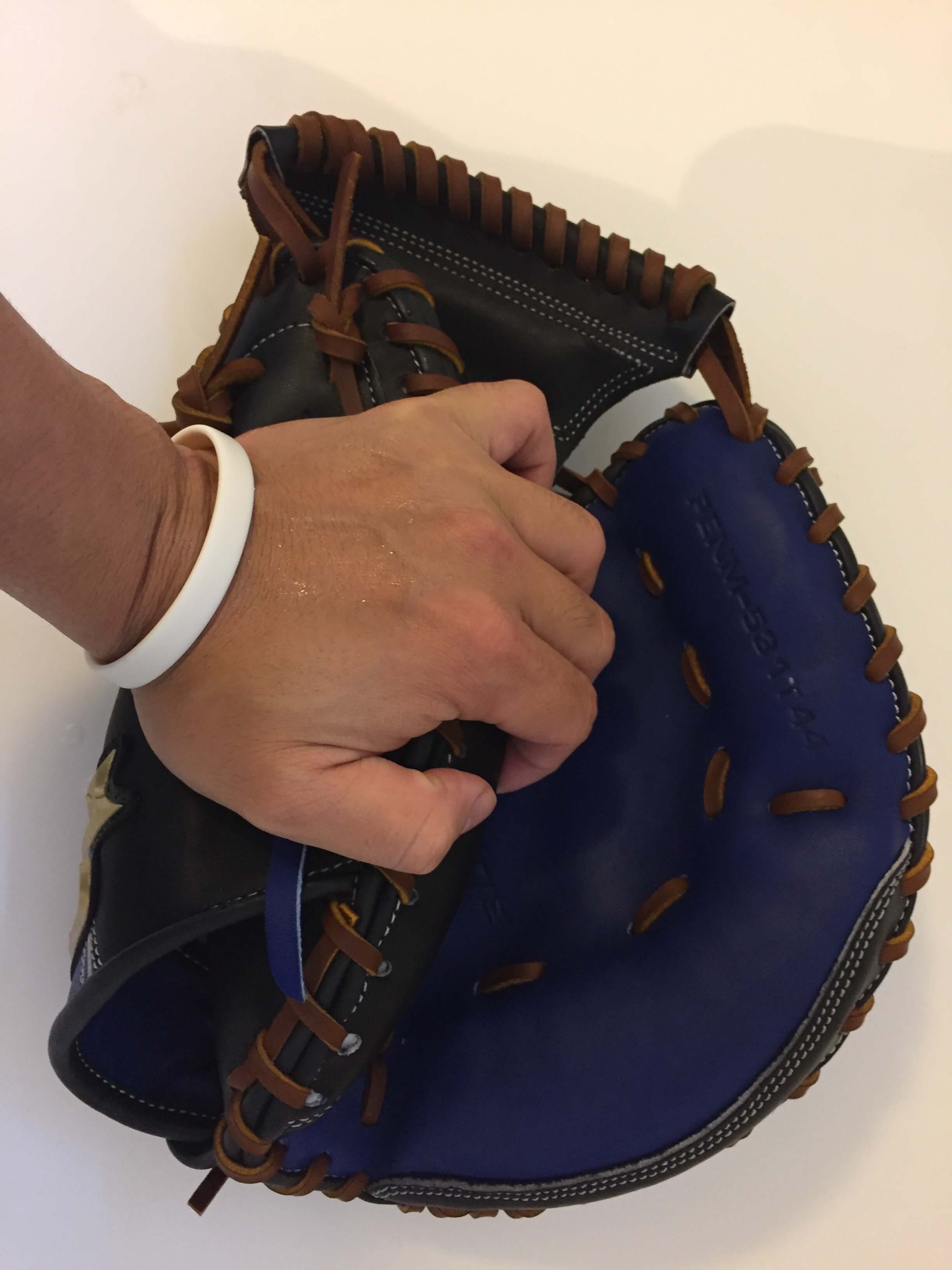
Critics frequently claim that water disintegrates the interior construction of a catcher's mitt. A standard mitt contains far more engineering than an infielder's glove. It houses high-density compressed wool felt, synthetic polyethylene reinforcement boards along the thumb and pinky edges, and sheepskin lining along the hand stall.
When an amateur submerges a mitt in rolling boiling water at 100°C (212°F), catastrophic failure occurs. The collagen fibers shrink irreversibly, turning supple steerhide into brittle parchment, while internal wool felt mats together and loses shock absorption. Master craftsmen avoid this disaster through strict control. They never boil the mitt. Immersion lasts between 10 and 20 seconds in carefully monitored baths, keeping the water away from the wool core as much as possible.
| Break-In Method | Weight Added | Prep Duration | Structural Longevity |
|---|---|---|---|
| Yumomi (Hot Water) | 0, 15 grams (net dry) | 3, 5 days | High hinge retention; retains thumb rigidity |
| Traditional Heavy Oil | 40, 80 grams | 3, 6 weeks | Softens rapidly; risks floppiness in pocket |
| Industrial Steaming | 0, 5 grams | 1, 2 days | Moderate; surface loosens before deeper layers |
| Dry Mallet & Catch Play | 0 grams | 2, 4 months | Maximum initial life; grueling physical effort |
By maintaining density inside the felt rails while softening only the palm leather and lace crossings, professional shapers keep the thumb stay rigid. That perimeter stiffness is vital for catching fastballs in excess of 95 mph without bending the mitt backward.
Framing Dynamics and Umpire Perception Behind the Plate
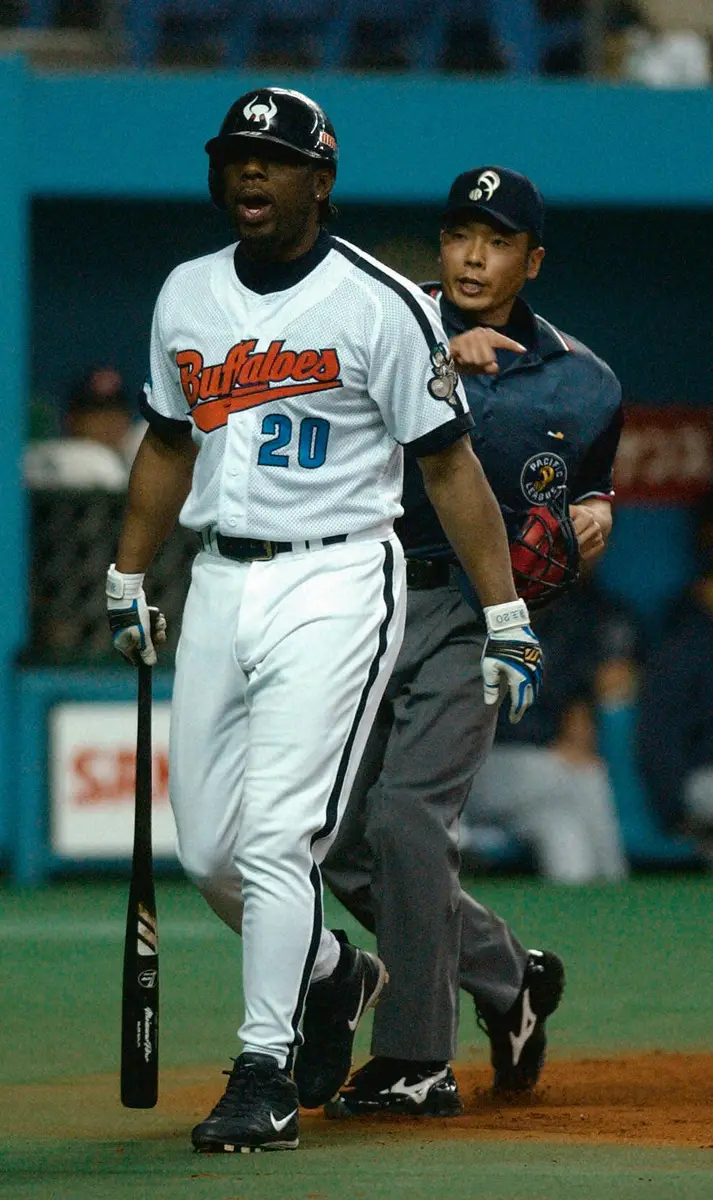
The modern catching revolution prioritizes quiet hands and strike-stealing presentation. A mitt that flexes inconsistently creates visual noise that costs pitchers strikes on the corners. Former NPB umpire Koichi Tanba recently addressed this on former Chunichi coach Atsushi Kataoka’s YouTube channel, noting that excessive, erratic glove movement disrupts an umpire's visual tracking. Tanba pointed out that true receiving skill lies in catching cleanly and presenting a still target rather than violently pulling borderline balls toward the middle of the zone.
Achieving that stillness requires an engineered pocket. A glove treated with yumomi creates a distinct, defined pocket right on the web-palm intersection. When the ball arrives, the leather wraps around it instantly without rattling. If a mitt relies entirely on dry break-in play, the pocket often drifts, forcing the catcher to squeeze hard upon impact. That muscular tension creates late glove recoil, signaling a miss to experienced umpires.
Glove Steaming Versus Immersion: What Pro Equipment Managers Choose
Major league clubhouses rarely feature hot water immersion tubs. Instead, equipment managers in North America favor glove steaming enclosures. Steaming operates at roughly 65°C (150°F), applying high humidity to loosen the leather outer shell within 7 to 10 minutes.
Steaming provides localized control. An equipment technician can shield the web laces and internal heel padding while exposing only the stiff palm face. However, independent glove artisans argue that steam opens pores unevenly, leaving the core fibers dry while oversaturating outer coatings. Yumomi achieves deeper, more uniform flexibility across the leather thickness. When dried under shaded fans and finished with specialized light conditioners, immersion creates an enduring shape that resists the heat and humidity of midsummer doubleheaders.
Raw strength is not what makes a catcher great. Technical drills, like the barehand receiving routines championed by instructors like Midorikawa, teach players to absorb velocity deep in the stance. A mitt prepared with precision complements that technique, letting the catcher work without fighting defensive equipment.
Frequently Asked Questions (FAQ)
Q1: Will hot water immersion void my manufacturer warranty?
Yes. Most major glove manufacturers explicitly state that submerging leather in water or placing it in ovens voids factory warranties. Professional yumomi services are performed through specialty glove repair shops rather than mass-market brands.
Q2: Can I perform a yumomi break-in at home with tap water?
Attempting this at home without leathercraft tools is risky. Without a shaping mallet, specialized drying racks, and strict temperature control around 55°C, gloves often dry unevenly, stiffen into warped shapes, or develop surface mold.
Q3: How should a hot-water-shaped mitt be maintained during the season?
Use minimal cream-based leather conditioner applied sparingly with a sponge once a month. Avoid heavy oils, store the mitt thumb-side down on a flat surface with a ball tucked inside the pocket, and keep it out of direct sunlight.
Strategic Takeaways for Catcher Equipment Prep
The narrative that water inherently destroys high-end ball gloves is based on careless mistakes rather than professional reality. Controlled water temperature softens leather fibers without adding excess weight, providing the structure needed for elite catching.
Catchers facing advanced pitching cannot afford to wait months for a stiff mitt to break in. Nor can they accept a heavy, oil-logged glove that drops when framing low pitches. Proper hot-water shaping bridges that gap, giving players an edge where high velocity meets strict umpire scrutiny. Hand mechanics remain fundamental, but equipment that holds its form makes quiet, confident receiving possible.
