FamilyMart's Chilled Zhajiangmian Tested: Step-by-Step Mixing and Flavor Guide
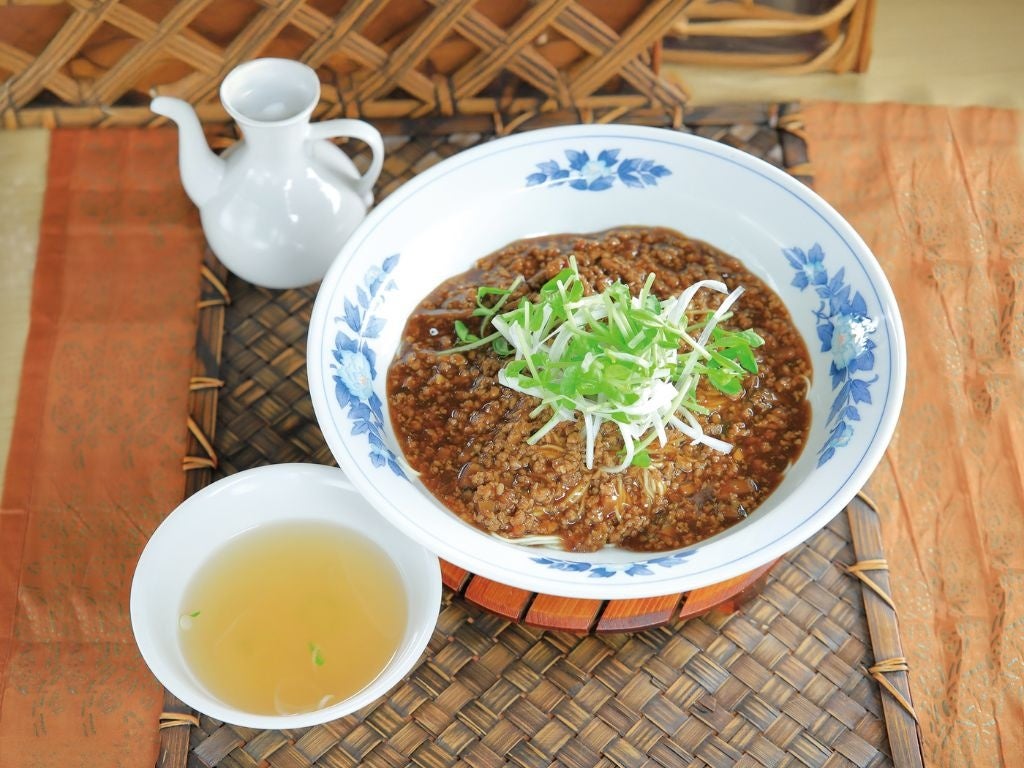
Convenience store chilled noodle sections across Japan underwent a quiet culinary reset when FamilyMart rolled out its updated chilled zhajiangmian on April 14, 2026. Blending fermented bean depth with crisp summer garnishes, the dish quickly prompted viral kitchen hacks online, including an 8-minute microwave method highlighted in an ORICON NEWS Report covering culinary creator Miki Mama. Yet convenience tubs present an immediate mechanical hurdle for eaters: thick pork miso sauce resists cold noodles, leaving dry starch on one side and a concentrated salt bomb on the other.
Zhajiangmian, originating as Northern Chinese fried sauce noodles before evolving across Korean street stalls and Japanese neighborhood diners, demands deliberate physical agitation to succeed. Without the heat of a wok to melt fats, cold convenience formats rely entirely on the consumer's mixing routine. We tested FamilyMart's latest iteration to establish the exact sequence required to balance the rich sauce, chili oil condiments, and cold wheat strands.
📌 Quick Summary:
- Core Technique: Never dump the meat sauce directly onto the center; loosen the cold wheat noodles with a tablespoon of cool water or sauce oil first, then fold from bottom to top.
- Flavor Architecture: FamilyMart's 2026 build balances sweet Tianmianjiang, dark fermented miso, chili oil-tossed shiraga negi scallions, and toasted sesame seeds.
- The Essential Fix: Adding fresh julienned cucumber provides the mechanical crunch and moisture that packaged convenience bowls inevitably compress during refrigerated transit.
The FamilyMart Chilled Build and the Convenience Noodle Dilemma
Convenience stores in Japan treat cold noodles as an exacting seasonal science. FamilyMart re-engineered its recipe following earlier releases in August 2025 and December 2025, pushing the fermented profile away from one-dimensional sweetness toward savory depth. The April 2026 container pairs an elastic Chinese wheat noodle base with a dense meat miso sauce, crowned by finely shredded white scallions (shiraga negi) dressed in rayu chili oil, chopped green onions, toasted sesame, and dried chili rings.
Refrigerated starches pose unique physical challenges. At 4°C to 8°C, wheat noodles undergo retrogradation, making them stiff and sticky inside the plastic bowl. The pork fat within the Tianmianjiang sauce also solidifies slightly. If you dump the entire garnish tray over the cold noodle mass and attempt to stir immediately, the noodles will snap, the scallions will tangle into an impenetrable ball, and half your bowl will remain devoid of seasoning.
Step-by-Step: The Correct Mixing Technique for Chilled Zhajiangmian
Achieving restaurant-level cohesion from a plastic convenience tub requires four deliberate mechanical stages. Treat the preparation as assembly rather than passive stirring.
Step 1: Release the Starch Before Adding Sauce. Remove the clear plastic divider holding the toppings. Do not pour them on yet. Inspect the compacted noodle cake. Using your chopsticks, insert them deep into the center, lift gently, and shake sideways. If the noodles resist separation, add exactly one teaspoon (5 ml) of cold drinking water or unsweetened iced tea down the interior wall of the bowl. This microscopic hydration breaks the surface tension without diluting the forthcoming sauce.
Step 2: Liquefy the Meat Paste Perimeter. Scrape the thick minced pork miso sauce off the divider tray and place it along the outer perimeter of the bowl rather than right in the middle. The perimeter offers superior leverage against the plastic rim, allowing you to smear the dense paste into the looser strands before dragging it inward.
Step 3: The 180-Degree Lift-and-Fold. Submerge chopsticks down to the base of the container. Lift the bottom layer of noodles up and fold them over the top while rotating the bowl 90 degrees with your free hand. Repeat this circular lift-and-fold motion 15 to 20 times. The visual cue for completion is uniform light brown coloration throughout every noodle strand, with zero pale starch clusters lingering at the bottom.
Step 4: Layer the Aromatic Condiments. Scatter the rayu-coated shiraga negi, fresh green scallions, and sesame seeds across the surface immediately before eating. Do not homogenize these aromatics into the brown sauce paste. Leaving them as surface elements ensures alternating sensory bites: savory umami from the pork base followed by a pungent, sharp crunch from the alliums.
Zhajiangmian Profiles: Chinese Origins, Korean Jajang, and Japanese Konbini
Navigating Asian noodle menus requires recognizing that zhajiangmian transformed drastically as it crossed borders. The table below details how regional iterations differ in composition, paste base, and thermal profile.
| Regional Style | Fermented Paste Base | Typical Serving Temp | Core Texture & Garnish |
|---|---|---|---|
| Northern Chinese (Beijing) | Huangjiang (yellow soybean) & Tianmianjiang | Room temp or warm | Salty, savory; raw radishes, bean sprouts, cucumbers. |
| Korean (Jajangmyeon) | Chunjang (caramelized black bean) | Steaming hot | Viscous, sweet, glossy; diced pork, large onions, danmuji. |
| Japanese Chuka (Machi-chuka) | Tianmianjiang, red miso, doubanjiang | Warm or chilled | Starchy gravy, ginger-forward; julienned cucumber, shiitake. |
| Japanese Konbini (FamilyMart 2026) | Tianmianjiang & blended miso umami | Chilled (4°C, 8°C) | Dense pork glaze; rayu shiraga negi, sesame, chili rings. |
Specialty chains have simultaneously targeted this palate. For instance, Tokyo-based operator Whistle Miyoshi launched a limited seasonal run of zhajiangmian across its Chugoku Ramen Yoshu Shonin branches between March 2 and March 15, 2026. That release prioritized deep pork belly umami over sweetness, underscoring how modern Japanese diners expect sharp savory depth rather than heavy sugar in their fried sauce noodles.

Condiment Chemistry: Unpacking Tianmianjiang, Rayu, and Fresh Scallions
The flavor profile of Japanese zhajiangmian relies on a high-wire balance between sweet paste fermentation and sharp sulfurous heat. Tianmianjiang is traditionally produced by fermenting wheat flour with starter molds, resulting in natural maltose sweetness alongside umami. FamilyMart reinforces this foundation with Japanese fermented soybean miso, introducing lactic acidity and savory notes that keep the cold fats from coating the tongue too heavily.
Rayu brings capsaicin suspended in sesame oil. When poured over shiraga negi, white leek shafts sliced into paper-thin threads, the oil softens the raw sulfur burn while unlocking volatile aromatic compounds. The result is a palate cleanser built right into the dish. Every few bites, the cold, chewy wheat noodle collides with a snappy burst of peppery scallion, resetting taste buds fatigued by the rich ground pork.
For diners who purchase these bowls to take home, two kitchen additions dramatically elevate the experience: fresh julienned cucumber and chinkiang black vinegar. Convenience store cold cases cannot maintain raw cucumber crunch across distribution without weeping moisture into the noodles. Slicing half a Persian cucumber into matchsticks at home restores the crisp snap fundamental to authentic Chinese street bowls. A half-teaspoon drizzle of black vinegar cuts through the gelatinized pork fat, amplifying the fermented malt notes of the Tianmianjiang.
Microwave Prep Tips and Fast At-Home Adaptations
While the FamilyMart product is explicitly designed as a cold item, at-home culinary creators have popularized fast warm adaptations. Media outlets frequently catalog these shifts, as seen in June 2026 coverage of simple pan-fried machi-chuka styles by YouTube's "Ouchi Chuka no Watanabe", or viral social media posts demonstrating that zhajiang pork sauce can be rendered completely in an 8-minute microwave session using ground pork, minced ginger, garlic, sake, soy sauce, and miso paste.
If you purchase a convenience store chilled bowl and prefer a lukewarm or warm texture during cooler weather, do not simply heat the entire plastic container in the microwave. Doing so will scorch the rayu negi into a limp mush and melt the plastic tray dividers.
Instead, follow this controlled hybrid warming method:
First, remove the upper tray containing the meat sauce and aromatics entirely. Set the scallions and chili rings aside. Scrape the cold pork miso paste into a microwave-safe ceramic ramekin and heat it on medium (500W) for exactly 20 to 25 seconds. This softens the fats and blooms the fermented aroma without cooking out the moisture. Transfer the noodles to a separate bowl, microwave them on high for 30 seconds to relax the starch chains, and then combine. Fold the warm sauce into the relaxed noodles, finally topping with the cold scallions for a striking contrast in temperature and crunch.
Frequently Asked Questions (FAQ)
Q1: Should I microwave the FamilyMart chilled zhajiangmian package directly?
A1: No. The product is manufactured and flavored to be consumed cold straight from the refrigerator. Microwaving the bowl intact causes the plastic partition to deform, turns the fresh shiraga negi soggy, and overcooks the delicate wheat noodles. If you want it warm, heat only the noodles and meat paste separately in microwave-safe dishware for 20 to 30 seconds.
Q2: How do I untangle convenience store cold noodles if they are stuck together?
A2: Do not pull aggressively with chopsticks, as cold ramen strands break easily. Add one teaspoon (5 ml) of cold water, sparkling water, or iced jasmine tea directly around the edge of the bowl. Gently shake the noodle block sideways with your chopsticks until the liquid separates the strands, then begin folding in the sauce.
Q3: How does Japanese zhajiangmian differ from Korean jajangmyeon?
A3: Japanese zhajiangmian uses a base of sweet Tianmianjiang blended with miso, doubanjiang, and ground pork, yielding a spicy-sweet, reddish-brown sauce often served cold or lukewarm with raw cucumber and scallions. Korean jajangmyeon uses chunjang (a heavily roasted black bean paste enriched with caramel), is cooked with diced pork belly and large chunks of cabbage and onions, and is always served piping hot as a thick black gravy.
The Evolving Art of the Convenience Noodle Lunch
Convenience food in 2026 has moved past simple utility into specialized food design. FamilyMart's chilled zhajiangmian proves that commercial cold meals do not have to settle for watery dressings or muted flavors, provided the eater understands the physics inside the bowl. By properly unlocking cold starch, dispersing dense fermented sauces, and protecting textural garnishes from premature sogging, a standard five-minute desk lunch transforms into a balanced, restaurant-caliber encounter with one of East Asia's most versatile noodle traditions.
