Freshness Test: What Real Costco Sea Asparagus Looks Like and How to Spot Good Bundles

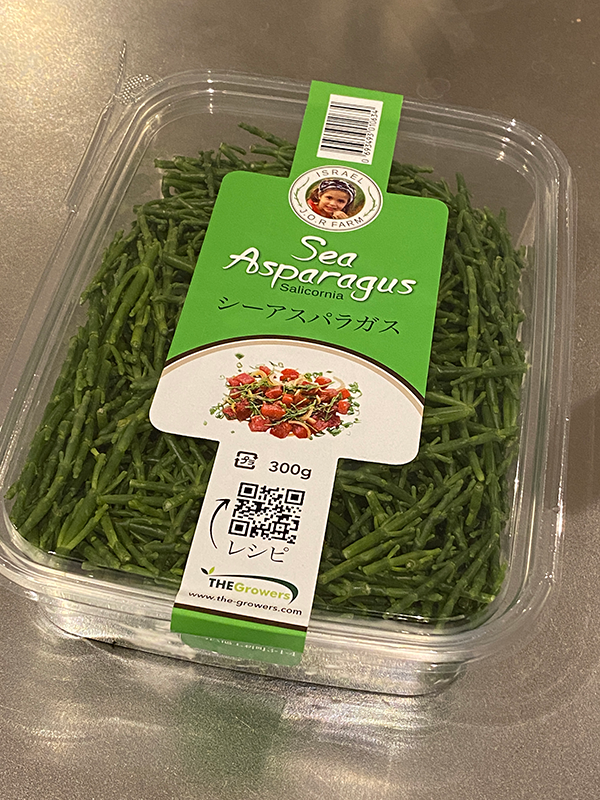
Walking past the chilled walk-in cooler in the Costco produce aisle, shoppers increasingly encounter plastic clamshells labeled "Sea Asparagus" or "Sea Beans." These miniature, succulent sprigs, known botanically as Salicornia and culinary-wise as samphire or saltwort, have transitioned from high-end coastal garnishes to bulk warehouse staples. As culinary reporting on specialty warehouse produce highlighted in a recent MSN Report on delicate stalks, proper selection and post-purchase handling dictate whether these greens deliver a crisp snap or turn into mush.
Because sea asparagus is harvested from saline environments, predominantly commercial marine farms in Hawaii, coastal Baja, or the Pacific Northwest, its cellular structure is dense with mineral-rich moisture. Buying a bulk pack requires a discerning eye. The line between a crisp, briny harvest and a decomposing, hyper-salty cluster often comes down to what you check through the plastic carton before tossing it into your flatbed cart.
📌 Quick Summary:
- Visual Assessment: Prime sprigs show translucent, emerald-green joints without dark rust spots, limp stems, or excessive condensation pooled at the container base.
- Moisture Vulnerability: Trapped greenhouse moisture degrades tender joint cells within 48 to 72 hours if left unventilated.
- Culinary Preservation: A gentle 30-second cold-water rinse combined with a quick paper-towel repack extends usable storage life to 10, 14 days.
The Rise of Halophyte Greens in Warehouse Clubs
Bulk retailers have historically focused on resilient produce: five-pound bags of russet potatoes, plastic tubs of spinach, and sturdy heads of broccoli. The widespread arrival of sea asparagus marks a calculated bet on adventurous home cooks and restaurant-adjacent home dining. Sourced frequently from commercial saltwater farms such as those on Oahu and Hawaii’s North Shore, these halophytes absorb ambient ocean minerals, creating an explosive, naturally salty snap without added table salt.
Costco typically sells these bundles in 8-ounce to 1-pound clear clamshell packs, priced between $6.99 and $9.99. For fine-dining chefs, this price represents wholesale value. For regular shoppers, buying halophytes in volume presents a ticking clock. The plant’s high water and mineral content creates intense osmotic pressure. Once harvested, the stems respire quickly, releasing internal moisture that condenses against cold retail packaging. Spotting an undamaged batch requires specific visual criteria.
The In-Store Clamshell Inspection Protocol
Assessing sea asparagus through rigid PET plastic requires checking three distinct physical indicators: color vibrancy, tip integrity, and moisture concentration. Do not grab the topmost container on the pallet shelf. Top containers absorb fluctuating temperatures from shoppers opening walk-in freezer doors and lingering in produce rooms.
Look closely at the jointed segments along each stem. Healthy Salicornia stalks appear vibrant green, semi-translucent, and firm, resembling miniature underwater cacti without spines. The segments must be plump and taut.
Flip the package over. If you see yellowing, murky water droplets, or black tips near the base stems, walk away. Those stems have already begun anaerobic fermentation. When halophytes sit in pooled water, their outer cell walls collapse rapidly, transforming crisp marine shoots into slimy threads.
| Visual & Tactile Metric | Peak Freshness (Buy) | Advanced Spoilage (Avoid) |
|---|---|---|
| Joint Coloration | Vibrant bright green to light lime; uniform sheen | Brown tips, dull olive hue, or deep rust discoloration |
| Segment Texture | Turgid, rigid, and snaps cleanly when bent | Rubbery, wrinkled, hollowed out, or sticky to touch |
| Pack Condensation | Dry container walls or micro-fine misting | Pooled liquid puddles at the base; cloudy droplets |
| Base Stems | Pale green or clean white fibrous ends | Dark brown, watery decay with sour marine odors |
Managing Salinity: Desalting and Blanching Techniques
The most frequent complaint among first-time warehouse buyers is overwhelming salinity. Grown in salt-marsh flats or irrigated directly with ocean water, sea asparagus sequesters sodium chloride within its vacuole tissue. Eating it raw straight out of the package will overpower your palate.
Controlling this salinity requires calibrated blanching:
Submerge the sprigs in a bowl of ice-cold fresh water for 15 to 20 minutes. Fresh water leaches surface brine through osmotic equalization without compromising cellular crunch. Drain thoroughly.
If using sea beans in cooked pasta, stir-fries, or warm side dishes, bring an unsalted pot of water to a rolling boil. Drop the stems in for exactly 30 to 45 seconds, then plunge them immediately into an ice bath. Rapid blanching softens the inner woody core, vents harsh salinity, and sets the chlorophyll into a brilliant neon green. Skip adding salt to your cooking water entirely; the greens carry more than enough seasoning into the dish.
Refrigerator Storage Hacks to Prevent Premature Decay
The commercial clamshell package excels at keeping produce intact during palletized shipping, but it accelerates decay once settled in your home refrigerator. To maximize shelf life, unpack the greens as soon as you return from the warehouse.
Line an airtight glass storage container with two layers of dry, unbleached paper towels. Discard any bruised, yellowing, or weeping stalks from the main bunch, as one decomposing shoot releases ethylene and bacteria that spoil adjacent sprigs. Lay the dry sea asparagus loosely across the paper lining without compressing the sprigs.
Place another paper towel sheet lightly over the top, then seal the lid. Position the container in the middle shelf of your refrigerator, where temperatures hold steady between 34°F and 38°F (1°C, 3°C). Avoid the crisper drawer if your unit tends to collect high humidity. When stored with this dual-towel absorption technique, freshly picked bunches retain their snap for 10 to 14 days, more than doubling the lifespan of unopened plastic store packaging.
Culinary Pairings and Smart Consumption Decisions
Sea asparagus provides distinct texture, but it behaves differently than standard terrestrial greens. Understanding where it shines, and where it fails, saves you from wasted warehouse portions.
Pairs exceptionally well with:
- Raw seafood, including ahi poke, salmon sashimi, and freshly shucked oysters.
- Rich proteins like pan-seared ribeye, pork belly, and butter-basted sea bass, where acidity and natural brine cut heavy fats.
- Citrus-forward salads featuring slivered shallots, shaved radishes, and light vinaigrettes without added salt.
Skip this item if:
- You follow a strict medically restricted low-sodium diet, as natural halophyte tissues remain high in natural mineral sodium even after soaking.
- You prepare large-batch frozen meal preps. Freezing completely ruptures Salicornia cell membranes; thawed bundles turn into watery, limp fibers that lose their signature bite.
Frequently Asked Questions (FAQ)
Q1: Can sea asparagus be eaten raw without cooking?
Yes. Raw sea asparagus is crisp and refreshing, provided it is thoroughly rinsed in cold fresh water. Soak it for 10 to 15 minutes before serving raw to remove excess surface brine and sand particles.
Q2: How do you know when sea asparagus has gone bad?
Spoiled sea asparagus loses its structural rigidity, becoming slimy, rubbery, and dark olive or brownish-black. An off-putting, sour, or decomposing fishy smell indicates bacterial breakdown, meaning the pack should be discarded immediately.
Q3: Does blanching eliminate all the ocean flavor?
Blanching tempers harsh surface sodium while preserving the crisp snap and green, sea-mineral finish. A 30-to-45-second flash boil balances the flavor profile, making it far more versatile for hot sautés and salads.
Maximizing Your Warehouse Haul
Costco’s specialty greens section brings restaurant-grade delicacies into regular domestic kitchens, but bulk halophytes demand attentive handling. Inspect the bottom corners of the container before purchase, verify stem turgidity, and unpack the harvest into ventilated, moisture-controlled glassware immediately at home. With prompt prep and simple salinity management, a single warehouse clamshell delivers crisp marine brightness across a dozen vibrant home-cooked meals.
