From 90s Kids Toy to Viral Sensation: The Evolution of Fuse Bead Art
Plastic pegboards and neon cylinders were once the exclusive domain of 1990s daycares, relegated to rainy-day kindergarten bins alongside safety scissors and drying glue. That low-stakes craft world has vanished. Over the past twenty-four months, fuse beads, long sold under trade names like Perler, Hama, and Nabbi, have undergone a radical cultural repositioning. What began as a nostalgic nursery distraction is now fueling an international DIY design explosion, driving viral social media challenges and establishing itself as a dominant subculture in contemporary street fashion.
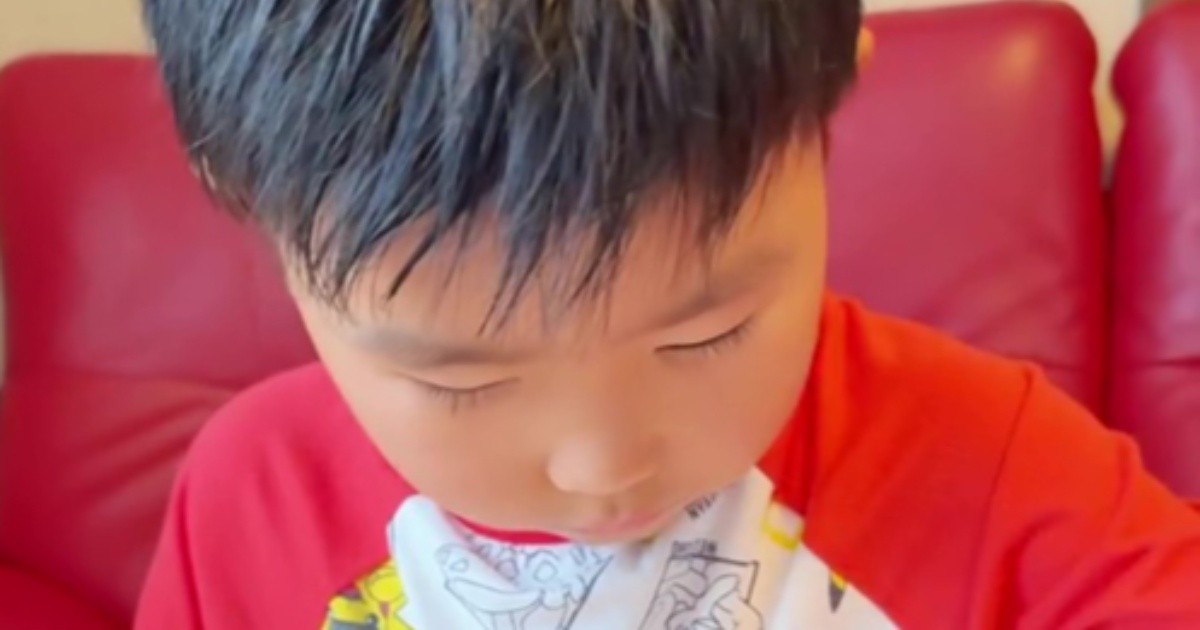
Much of this revival stems from an appetite for tactile, low-resolution physical media. In late 2025, an Instagram chronicle detailing a five-year-old child named Kyo-chan completing 77 distinct bead designs across a three-month span racked up over 630,000 views, as documented by an ITmedia Report. That viral feat showcased a broad demographic shift: adults and children alike are turning away from passive screen time toward methodical, grid-based micro-crafting. Simultaneously, on the streets of Tokyo, Seoul, and New York, fuse beads have shed their elementary-school reputation entirely. They have transformed into bespoke couple charms, architectural bag accessories, and museum-grade tactile art.
📌 Key Takeaways:
- The Viral Pivot: Fuse beads transitioned from disposable preschool pastimes into high-precision pixel art, driven by viral community achievements and complex sculptural projects across social platforms.
- The "Osoroi" Fashion Movement: In Japan and across global indie scenes, couples and close friends have elevated matching Perler bead keychains and phone straps into sought-after street accessories that outshine mass-produced goods.
- Technical Evolution: Modern creators favor 2.6mm mini beads, matte-melt ironing paper crafting techniques, and interlocking physical tabs that turn 2D sprites into functional, load-bearing 3D street charms.
The Kitchen-Table Roots Behind the Modern Pixel Revival
The modern resurgence did not happen in a vacuum. It began as households looked for offline, tactile projects that offered immediate creative gratification without industrial machinery. Standard 5mm thermoplastic polyethylene cylinders, historically sold in chaotic multicolor buckets, invited simple experimentation. You arranged the cylinders on a spiked plastic board, placed parchment over the top, and applied household heat until the plastic softened into a unified mosaic.
That nostalgic simplicity sparked a broader aesthetic reassessment. Millennial parents and Gen Z crafters began approaching these pegboards with the meticulous visual logic of early arcade gaming. When Kyo-chan's grandmother documented the five-year-old's daily progress through dozens of custom figures, the audience was not simply reacting to childhood perseverance. They were admiring the discipline of grid layout. The project struck a nerve because it showed how simple geometric constraints can produce expressive character designs.
From that viral spark, maker communities recognized the untapped expressive ceiling of the medium. The retro 90s pixel art revival ceased being an exercise in ironic kitsch and became an accessible design language, offering creators a way to manifest digital nostalgia in tangible plastic.
Breaking the Grid: When Low-Res Plastic Turns Hyper-Realistic
While two-dimensional sprites populate commuter bags, a specialized tier of artists has pushed the material into extreme realism. In May 2026, Japanese artist Matsu, operating under the studio moniker Osushi Zakka Kenkyujo (@y_beads), sent shockwaves through design forums by unveiling a three-dimensional bowl of ramen built entirely out of fuse beads.
Reported by national outlets including Yahoo! News, the sculpture went viral for defying the material's supposed limitations. Matsu did not simply lay beads flat; he stacked, layered, and thermally molded individual translucent and opaque beads to recreate glistening broth, marbled chashu pork, and suspended noodles gripped mid-air by a pair of upright chopsticks. The project proved that thermoplastic cylinders could mimic fluid dynamics, weight, and culinary textures when handled with architectural precision.
This hyper-realistic approach altered public perception of the hobby. Hobbyists realized that with precise temperature regulation and multi-layered pegboard template patterns, melted beads could move beyond flat refrigerator magnets and function as structural, three-dimensional sculptures.
The "Osoroi" Boom: Matching Charms as Tactile Micro-Affection
Alongside hyper-realism runs a massive lifestyle trend: osoroi (お揃い), the Japanese cultural practice of wearing matching or coordinated items with romantic partners and close companions. Instead of buying luxury logo keyrings, young creators are turning to DIY fuse bead couple charms and best friend matching accessories to signal connection.
The appeal lies in active labor. Giving someone a factory-stamped acrylic keychain requires only money; presenting them with handmade friendship charms demands hours of bead placement, precise thermal pressing, and color calibration. Interlocking pixel art patterns have become the gold standard of this subculture. Partners craft complementary halves of an eight-bit heart, adjoining puzzle pieces, or paired retro video game sprites that physically link together when placed side by side.
These custom couple bead art pieces now hang alongside brass keyrings and wireless earbuds. Fitted onto mini fuse bead phone straps or clipped as aesthetic DIY bag charms onto canvas totes, they offer an intentional, handcrafted antidote to sterile corporate merchandise.
A Material Shift: Comparing Classic Crafting to Modern Streetwear Specs
The current wave of accessory production differs sharply from the nursery crafts of thirty years ago. The tools, materials, and finishing tolerances have matured into a precise science.
| Craft Parameter | 1990s Childhood Standard | 2024, 2026 Maker & Streetwear Standard |
|---|---|---|
| Bead Diameter | Midi (5.0mm) standard plastic | Mini (2.6mm) high-density EVA/PE |
| Color Palettes | 12, 24 basic primary tones | 150, 220 graded hues, pastels, and translucents |
| Thermal Finish | Uneven household iron melt; partial hole closure | Controlled single-side "flat melt" with open reverse side |
| Hardware Integration | Cheap split rings through melted bead cavities | Reinforced eyelet pins, jump rings, and tactical paracord |
| Structural Integrity | Brittle 2D sheets prone to snapping | Interlocking cross-layer joints and flexible polymers |
Mastering the Melt: Ironing Paper Crafting Technique and Structural Durability
The biggest hurdle for anyone moving from Melty beads design ideas to durable daily-carry gear is structural failure. A keychain dropped onto asphalt or wedged into a crowded backpack experiences shear stress that easily shatters poorly fused joints.
Modern crafters avoid direct iron-to-bead contact at all costs. High-grade heat-resistant parchment paper or specialized reusable matte film remains essential for distributing heat evenly across the grid. The iron should rest at medium heat, wool or silk settings, moving in smooth, circular motions without heavy downward pressure. Heavy pressure crushes the outer walls of the beads, resulting in an uneven, blown-out perimeter known among makers as "bead bleed."
To preserve structural integrity, experienced builders rely on the painter's tape method. Once the pattern is completed on the board, they lay high-tack masking tape across the beads, burnish it flat, lift the entire design off the pegboard, and iron it on an insulated heat pad. This shields expensive acrylic pegboards from heat warping while allowing the maker to fuse the beads deeply without trapping air pockets. For items intended as matching Perler bead keychains, crafters fuse the reverse side completely flat into a solid sheet of plastic while leaving the front face lightly fused to preserve the classic round, retro pixel look.
Who Should Make Custom Bead Charms, and Who Should Avoid It
Fuse bead crafting offers immediate tactile joy, but it demands specific patience and manual dexterity. Before buying hundreds of sorted containers, makers should consider whether their working style fits the medium.
Ideal Profiles
- Low-Poly Artists & Retro Gamers: Anyone drawn to 8-bit or 16-bit iconography will find pixel translation completely natural on a 1:1 grid.
- Affectionate DIY Gift-Givers: Those seeking distinctive, cost-effective anniversary charms that convey deep personal investment without high monetary expense.
- Focused Mindful Makers: Individuals who enjoy methodical, repetitive mechanical assembly as a way to unplug from digital interfaces.
Risk Flags
- The Impatient or Fine-Motor Averse: Dropping a loaded 2.6mm mini pegboard can scatter 900 beads in an instant. Those without steady hands and fine-tipped tweezers will quickly abandon the process.
- High-Stress Tactical Bag Use: Without metal reinforcing backings or epoxy coatings, large flat bead designs flex and crack when jammed into tightly packed transit bags.
- Impulse Crafters Disorganized with Small Parts: Maintaining multi-shade palettes requires strict drawer systems; unmanaged bead tubs turn into unusable static messes within days.
Frequently Asked Questions (FAQ)
Q1: Why are mini fuse beads preferred over traditional Perler beads for keychains?
Traditional beads measure 5.0mm in diameter, making even modest 32x32 pixel sprites over six inches wide, too bulky for standard key rings. Mini beads measure 2.6mm, shrinking completed designs by nearly half and creating tight, lightweight accessories suitable for phone lanyards and pockets.
Q2: How do you prevent fuse bead charms from snapping during daily carry?
Durability comes down to the thermal fuse and hardware anchoring. Fusing the back side until the holes fully melt shut turns the piece into a solid plastic plate. Additionally, jump rings should never loop through a single outer bead; feed hardware through two adjacent beads or drill an anchored hole through a fully fused section.
Q3: What paper works best for ironing bead projects?
Unbleached parchment baking paper is the most reliable, budget-friendly option. Avoid wax paper, as the heat melts the wax directly into the plastic, ruining the finish. Specialty matte ironing sheets can also be used if you want a clean satin texture without glossy reflections.
The Cultural Endurance of Melted Plastic
Fuse bead crafting has survived several decades of toy-aisle cycles because its core mechanic matches human perception: our brains love assembling discrete units into an image. By bridging early arcade nostalgia with Japanese craft culture, modern makers have rescued the pegboard from childhood nostalgia.
Whether through hyper-realistic noodle sculptures or paired pixel hearts worn by partners on subway commutes, these small melted cylinders carry real expressive weight. In a world saturated with ephemeral digital feeds and sterile industrial design, building something durable from the grid up remains quietly revolutionary.
