From Ancient Vows to Modern Splurges: How the Kiyomizu Leap Reclaimed Pop Culture
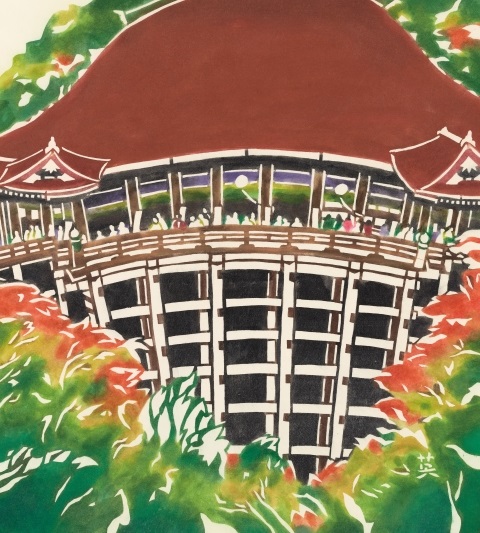
Every culture has a shorthand for taking an irreversible risk, but few are as visceral as the Japanese phrase Kiyomizu no butai kara tobioriru, literally, "to jump off the stage of Kiyomizu." Rooted in a centuries-old spiritual practice at Kyoto’s hillside sanctuary, the phrase captures the terrifying moment when hesitation collapses into total commitment. In creative industries where a single miscalculation can torpedo a reputation, the idiom remains the definitive psychological benchmark. Reflecting on high-stakes industry decisions, public figures still lean on the centuries-old metaphor; as detailed in a recent 文春オンライン Report, entertainer Sakai articulated the exact pressure of breaking past career barriers: "Whenever I do something major, I feel a terror akin to jumping from the stage of Kiyomizu. Yet once I tell myself 'Go!', I jump. Rather than moving blindly without fear, I feel terrified the entire time, but I know I simply have to leap."
📌 Quick Summary:
- The Idiom: Kiyomizu no butai kara tobioriru serves as Japan's ultimate cultural metaphor for high-stakes gambles, bold career transitions, and guilt-inducing luxury purchases.
- The Historical Record: Between 1694 and 1864, temple archives document 234 actual leaps off the 13-meter wooden veranda by pilgrims seeking divine intervention, producing an astonishing 85.4% survival rate.
- Modern Resonance: Today, the phrase has migrated from sacred temple folklore into digital consumer forums, flagship technology splurges, and high-pressure entertainment industries.
The 13-Meter Drop Over Mount Otowa's Sacred Canopy
Perched against the wooded slope of Mount Otowa in eastern Kyoto, Otowasan Kiyomizudera commands one of the most celebrated panoramas in Japan. At the center of the complex sits the main hall’s wooden veranda, jutting out 13 meters (approximately 43 feet) into thin air. Built using kakezukuri, an intricate Japanese post-and-beam lattice system constructed entirely without metal nails, the platform rests on interlocking zelkova pillars that absorb seismic stress.
Standing at the precipice, visitors look down directly into tree canopies clinging to the hillside. During the Edo period (1603, 1867), this drop represented an absolute crossroads of faith. Pilgrims did not jump out of despair; they leapt as a radical vow to the Eleven-Headed Thousand-Armed Kannon Bodhisattva, the temple’s principal deity of boundless compassion. Popular belief held that Kannon answered prayers through impossible feats: if you survived the plunge, your wish would come true immediately; if you died, the goddess received your soul directly into paradise. It was an ultimate spiritual roll of the dice.
Edo Period Survival Records and the 1872 Ban
While the act sounds suicidal to modern sensibilities, Edo-period records show that the jump was surprisingly survivable. Temple administrators recorded these leaps in municipal ledgers, most notably the Kiyomizudera Tanren Nikki. Archival analysis reveals that between 1694 and 1864, 234 separate individuals leapt from the stage. Among them, 200 survived and 34 died, producing an aggregate survival rate of 85.4%.
Survival depended heavily on physics and ground conditions. The cliffside below the stage sloped steeply downward rather than dropping onto flat flagstones, and the ground was cushioned by thick layers of fallen cedar needles, soft loam, and dense saplings. Demographics also influenced the odds: younger pilgrims dominated the records. A notable jump in the late Edo era involved a 12-year-old girl who survived unscathed after leaping to pray for her sick mother’s recovery. However, as crowds increased and repeat jumpers proliferated, the Kyoto prefectural government intervened. In 1872, early Meiji authorities officially outlawed the practice, stationing guards and erecting barriers around the wooden balustrades.
| Era & Context | Primary Motivation | Consequence / Outcome |
|---|---|---|
| Edo Period (1694, 1864) | Religious petition to Kannon Bodhisattva for miracles or salvation | 234 documented jumps; 85.4% survival rate; banned in 1872 |
| Post-War Boom (1950, 1990) | Suburban home purchases, marriage decisions, business investments | Metaphorical shift toward life-altering financial decisions |
| Digital Era (2020, 2026) | Pro-grade tech hardware, luxury gear, high-risk career restructuring | Viral internet parlance for bypassing buyer's remorse and fear |
Entertainment Gambles and the High-Stakes Career Pivot
Strip away the religious origins, and the psychology behind the Kiyomizu leap remains unchanged: confronting terror, weighing the consequences, and executing an irreversible action. In Japan’s entertainment circles, shifting professional lanes carries immense social friction. Performers who transition out of entrenched industry tiers face immediate skepticism and reputational exposure.
When Sakai spoke with Shukan Bunshun about challenging traditional entertainment hierarchies, the reference to Kiyomizu captured an internal dynamic familiar to creative professionals. The metaphor does not describe reckless audacity. It describes calculated terror. You stand at the edge, fully cognizant of the four-story drop, your stomach churning, and you step out anyway because staying on the wooden platform guarantees stagnation. That tension resonates deeply across modern Japanese professional life, where mid-career pivots and independent ventures were long discouraged in favor of corporate continuity.

Consumer Culture and the Psychology of the Five-Figure Splurge
Outside of executive suites and talent agencies, the phrase found a thriving second life across digital retail and consumer technology forums. On platforms like X, YouTube, and specialized hardware message boards, Japanese shoppers regularly announce their big-ticket splurges with the phrase: "Kiyomizu no butai kara tobiorimashita" ("I jumped from the stage of Kiyomizu").
The term rarely applies to trivial retail therapy. It is reserved for purchases that provoke intense personal guilt and rational hesitation:
- Dropping $3,500 to $4,500 on cutting-edge spatial computing headsets or ultra-enthusiast workstation GPUs.
- Purchasing rare Leica rangefinders or cinema-grade prime lenses priced above $6,000.
- Securing hand-built horology pieces or custom automotive upgrades that strain household savings.
In consumer psychology, invoking the Kiyomizu leap acts as a psychological release valve. By elevating a terrifying financial purchase into a culturally sanctioned act of courage, buyers reframe anxiety into an honorable rite of passage. You did not simply waste capital; you took the plunge.
Interactive Storytelling and Video Game Leaps of Faith
Modern gaming culture has similarly absorbed the architectural symbolism of Mount Otowa. From Kyoto-based software developers to global action-adventure franchises, elevated wooden verandas hanging over sheer mountain ravines have become shorthand for decisive mechanical moments. Titles developed by FromSoftware, such as Sekiro: Shadows Die Twice, explicitly draw on Sengoku and Edo-era architectural templates, where leaps from temple platforms reward daring navigation rather than punishing the player.
Unlike Western narrative tropes where a leap of faith often signals surrender, the Japanese tradition interprets the drop as proactive agency. The jumper forces destiny's hand. When players throw characters off cliffside shrines across sprawling RPG environments, the visceral tension echoes the centuries-old dynamic documented in Kyoto’s registers: survival transforms you, while hesitation gets you nowhere.
Frequently Asked Questions (FAQ)
Q1: Is it still possible to jump from the stage of Kiyomizu-dera today?
A1: No. The practice was outlawed by the Kyoto prefectural government in 1872. Today, the veranda is fitted with safety barriers, security staff, and surveillance to ensure visitor safety while preserving the historic architecture.
Q2: How does the Kiyomizu idiom differ from the English phrase "to bite the bullet"?
A2: "Biting the bullet" emphasizes enduring unavoidable pain or an unpleasant duty with stoicism. "Jumping from the Kiyomizu stage" emphasizes voluntary risk-taking, decisive action, and committing to an irreversible gamble despite overwhelming terror.
Q3: Why did so many people survive jumping from a 13-meter height during the Edo period?
A3: The ground directly beneath the veranda is a steep, forested hillside rather than hard paving stones. Thick vegetation, saplings, and centuries of accumulated organic forest duff acted as a natural shock absorber, particularly for younger, lighter jumpers.
The Enduring Power of the Irreversible Choice
Human beings crave definitive moments. Modern consumer life offers countless opportunities to waffle, renegotiate, and return to safe ground. Yet whether someone is pouring their savings into pro-tier hardware, leaving a safe corporate trajectory, or making an artistic leap under harsh public scrutiny, the ancient veranda of Otowasan Kiyomizudera remains the ultimate symbol of the clean break. The four-story drop over Kyoto's maples proved that courage is not the absence of terror; it is recognizing the ledge beneath your feet, taking a breath, and stepping forward anyway.
