From Hidden Marks to Open Expression: The Evolution of Ink in Japanese Sports
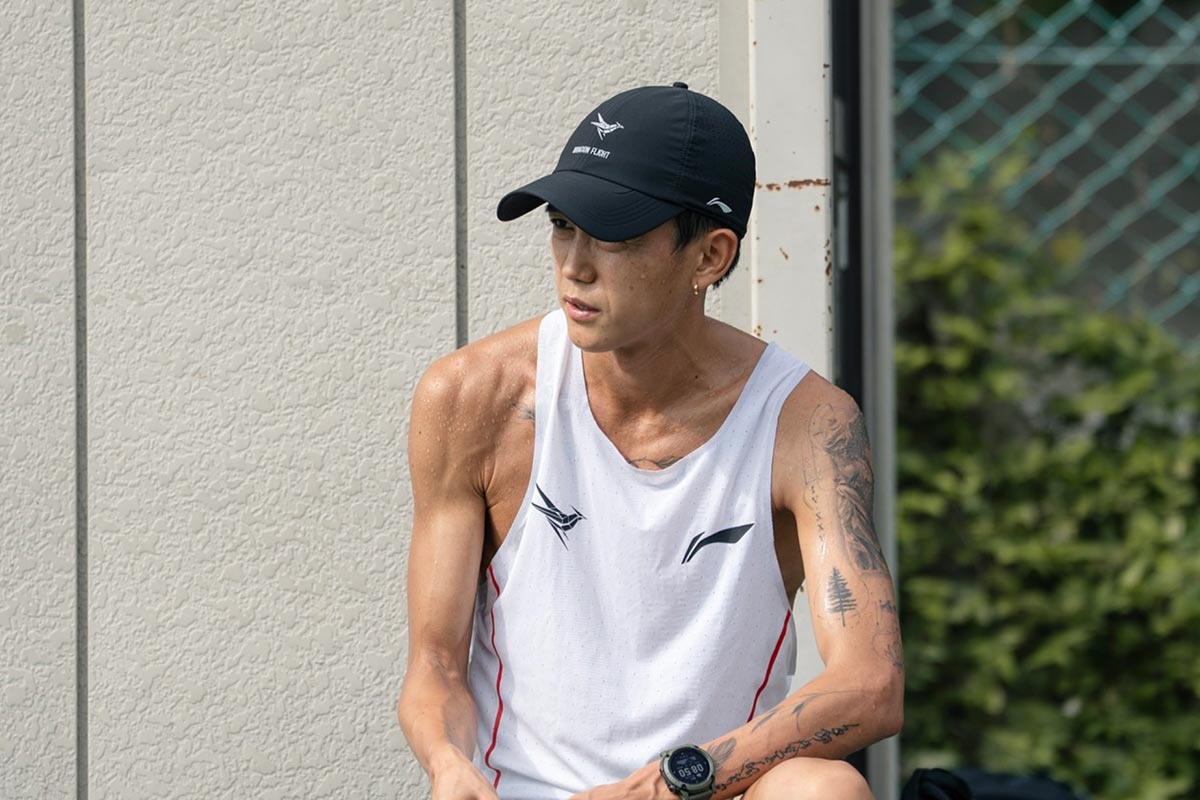
On New Year's Eve in 2020, four-division world champion Kazuto Ioka defended his WBO junior-bantamweight crown against Kosei Tanaka in Tokyo. The bout was a masterclass in tactical boxing, yet the domestic news cycle ignored the left hook that ended the fight. Instead, television networks and tabloid editors zeroed in on Ioka's left arm. A spray-tan foundation intended to obscure his body art had washed off under sweat and friction, exposing his tattoos to millions of prime-time viewers on national broadcaster TBS. Within days, the Japan Boxing Commission issued a formal reprimand, citing internal regulations that prohibited licensed fighters from stepping into the ring with exposed ink.
The public reaction exposed a deep cultural fissure. Older generations flooded social media and broadcast message boards with complaints about criminal aesthetics entering living rooms, while younger fans questioned why a domestic regulatory board was obsessing over skin pigment during a world championship match. Over the past five years, that dispute has ceased to be an isolated scuffle in a niche ring. Across soccer pitches, baseball diamonds, and Olympic halfpipes, Japanese competitors are pushing back against decades of institutional concealment.
📌 Key Takeaways:
- Regulatory Friction: The Japan Boxing Commission's historic ban forced domestic fighters to conceal ink with makeup or compression gear, sparking formal sanctions and legal debates after Kazuto Ioka's high-profile 2020 title defense.
- The Corporate Divide: While Nippon Professional Baseball maintains conservative dress codes enforced by heritage franchises, the J-League and action sports grant athletes wide latitude to display modern body art.
- Generational Shift: Rising exposure to international leagues and returning expatriate stars has decoupled Western-style tattoo designs from traditional yakuza stigmas among Japanese spectators under 35.
The Century-Old Weight of the Criminal Mark
Body art in Japan does not carry the countercultural or decorative neutrality seen across Europe or the Americas. During the Edo period (1603, 1867), authorities used punitive tattooing, known as bokkei, to permanently brand convicted criminals on the arms or forehead. While decorative irezumi flourished among urban tradespeople and firefighters during the late 19th century, the Meiji government banned tattooing outright in 1872 to project an image of civilized modernity to Western powers.
Although legal bans dissolved during the post-World War II Allied occupation, the practice retreated into the underworld. The yakuza adopted full-body suits as clandestine markers of commitment and defiance against civic authority. That association solidified in post-war cinema and corporate boardrooms. Municipalities, hotel associations, and private fitness centers banned tattooed patrons from public baths and hot springs. By the 1980s, institutional Japan viewed visible ink not as artistic self-expression, but as a direct proxy for organized crime and anti-social behavior.
The Boxing Ring as an Institutional Battleground
Nowhere was that anti-social framing codified more rigidly than in combat sports. The Japan Boxing Commission instituted strict governance rules explicitly barring licensed boxers from competing with tattoos. The rationale was purely transactional: sports federations relied heavily on corporate sponsorships and terrestrial broadcast slots, both of which maintained zero-tolerance policies for any imagery resembling syndicated crime. Domestic fighters with tattoos had two options: cover the ink with heavy foundation, or forfeit their domestic licenses and fight overseas.
When Kazuto Ioka stepped into the ring on December 31, 2020, he complied with the cosmetic cover-up protocol. When the sweat melted the foundation away, the commission cited Rule 86, threatening license suspension. Ioka refused to apologize, arguing publicly that his ink represented personal milestones, family commitments, and international athletic parity. His stance split the Japanese sporting public. Traditional sports columnists accused him of disrespecting the craft, yet legal scholars and younger athletes pointed out an absurd double standard: foreign opponents routinely fought in Japanese rings with full-body sleeves without facing a whisper of regulatory discipline.
| Organization / Sport | Official Policy Stance | Primary Method of Enforcement |
|---|---|---|
| Japan Boxing Commission (JBC) | Strict formal prohibition for domestic license holders under Rule 86. | Cosmetic foundation cover-ups, fines, license warnings, match bans. |
| Nippon Professional Baseball (NPB) | Unwritten club-level corporate culture guidelines; strict bans in legacy clubs. | Mandatory long compression undershirts; roster exclusion during drafting. |
| J-League (Professional Football) | No league-wide prohibition; individual club public relations policies apply. | Voluntary concealment during community clinic events and media sponsor shoots. |
| Action Sports & Olympics | Full compliance with International Olympic Committee charter; zero restrictions. | Unrestricted display on broadcasts and international podiums. |
Turf, Tradition, and the Baseball Standard
Professional baseball reflects corporate Japan far more closely than combat sports. In Nippon Professional Baseball, teams function as brand ambassadors for transit conglomerates, newspapers, and manufacturing giants. The Yomiuri Giants, historical aristocrats of Japanese baseball, maintained an ironclad dress code for decades under legendary manager Tatsunori Hara: short hair, clean-shaven faces, and absolute bans on personal skin modifications. Even when star players joined from Western clubs, team executives made clean presentation a contractual condition.
Compression sleeves served as a convenient compromise. Pitchers and fielders who acquired tattoos kept them hidden beneath synthetic athletic wear, allowing franchises to preserve corporate respectability without sacrificing on-field talent. Yet cracks appeared when unconventional managers took the helm elsewhere. When Tsuyoshi Shinjo took charge of the Hokkaido Nippon-Ham Fighters, he challenged traditional aesthetic conservatism, encouraging players to express individuality through personal style. While full backpieces remain anathema to corporate scouts, discreet script, wrist markings, and chest designs have quietly permeated dugouts across both the Central and Pacific Leagues.
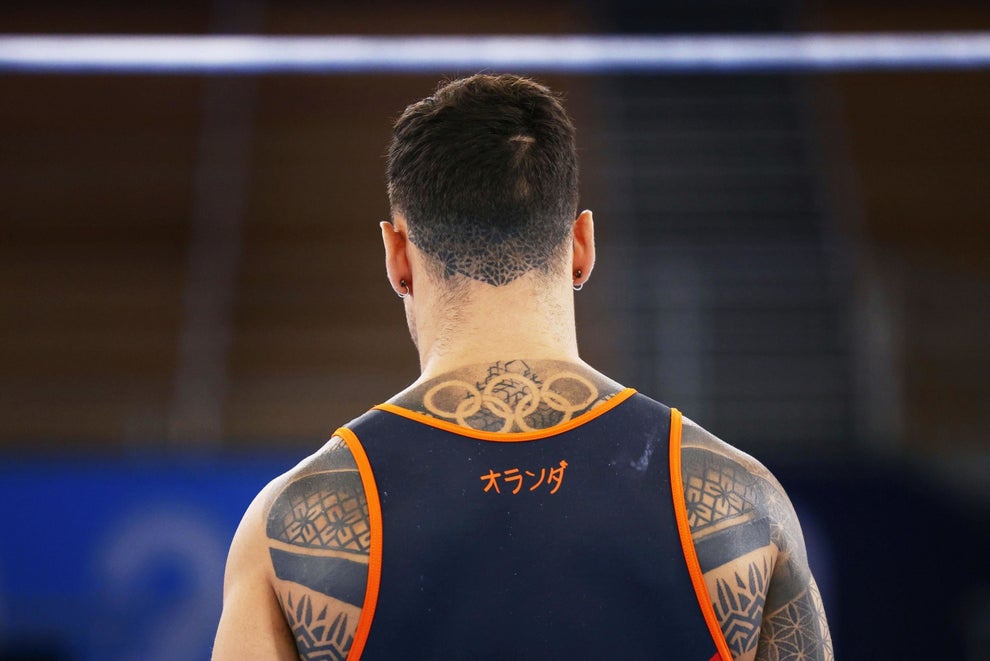
The J-League Gateway and International Cross-Pollination
Soccer took an entirely different path. Since its inception in 1993, the J-League drew heavily on global football subculture. When international icons arrived from South America and Europe boasting visible tattoos, domestic audiences grew accustomed to seeing decorated limbs on matchday broadcasts. Domestic players began following suit.
Defenders like Tomoaki Makino and Yuji Nakazawa openly embraced body ink as an extension of their personal narrative. Nakazawa, a long-time anchor for the national team and Yokohama F. Marinos, wore tattoos honoring personal milestones and family ties. The J-League never instituted a punitive ban because doing so would have made the competition an outlier in world soccer. Japanese players competing in the English Premier League, Germany's Bundesliga, or France's Ligue 1 encountered teammates whose entire upper bodies were covered. Forcing returning national heroes to scrub their arms with bleach before suiting up for the Samurai Blue proved untenable for commercial brand sponsors targeting a youthful demographic.
The Skatepark Revolution at Tokyo and Paris
The final blow to the old consensus arrived via youth-driven Olympic disciplines. When skateboarding and surfing debuted at the Tokyo Games, young Japanese medalists stepped into the international spotlight. Skateboarder Yuto Horigome and dual-sport winter star Ayumu Hirano brought street culture directly onto prime-time NHK broadcasts. Their peers were international skaters whose tattoos were as commonplace as grip tape and trucks.
A 2024 national youth sentiment survey conducted by the Nippon Foundation revealed that over 62% of respondents between ages 18 and 29 viewed personal tattoos as fashionable or neutral self-expression, directly contrasting with 78% of respondents over age 65 who still associated body ink with organized crime. For public service broadcasters, editing out ink on an Olympic gold medalist proved impossible. The visual reality forced television networks to normalize tattoos on domestic heroes, stripping away the illicit connotation for viewers under thirty.
Frequently Asked Questions (FAQ)
Q1: Can Japanese boxers fight with exposed tattoos today?
A1: Following regulatory reviews prompted by the Kazuto Ioka controversy, the Japan Boxing Commission moved toward loosening blanket bans on domestic fighters, though athletes are still frequently encouraged by match promoters to use concealer for domestic terrestrial broadcasts to appease conservative commercial sponsors.
Q2: Why do Japanese baseball players wear long compression sleeves during summer games?
A2: While compression gear aids muscle recovery and blood flow, players with forearm or wrist tattoos in Nippon Professional Baseball deliberately use sleeves to avoid violating conservative team dress codes and to prevent sponsor backlash.
Q3: Are foreign athletes visiting Japan required to cover their tattoos?
A3: Foreign athletes competing in international events, professional leagues, or Olympic competition face no formal legal requirements to cover tattoos. However, off the field, standard private rules still apply: public onsens, traditional ryokan baths, and private commercial gyms frequently bar anyone with exposed body art regardless of nationality.
The Path Ahead for Athletic Body Art
The cultural shift surrounding Japanese athletes and body art is neither an overnight rebellion nor a total collapse of domestic values. Instead, it reflects an awkward institutional accommodation. The old assumption that a tattooed individual belonged to an organized crime syndicate has collapsed under the weight of global sports culture. Today, Japanese teenagers watch their domestic soccer heroes on digital streaming channels and follow Olympic medalists on social networks where personal aesthetic autonomy is celebrated.
The remaining tension sits inside corporate offices and legacy federations. While conservative boardrooms across professional baseball and combat sports still urge discretion through makeup and athletic sleeves, the younger generation of competitors treats the skin as personal property rather than corporate collateral. As more Japanese athletes sign multi-million-dollar international contracts and bring their unvarnished identities back home, institutional concealment is steadily losing its grip on the sports ecosystem.
