From High Fares to New Access: Timeline of Senboku New Town's Commercial Evolution
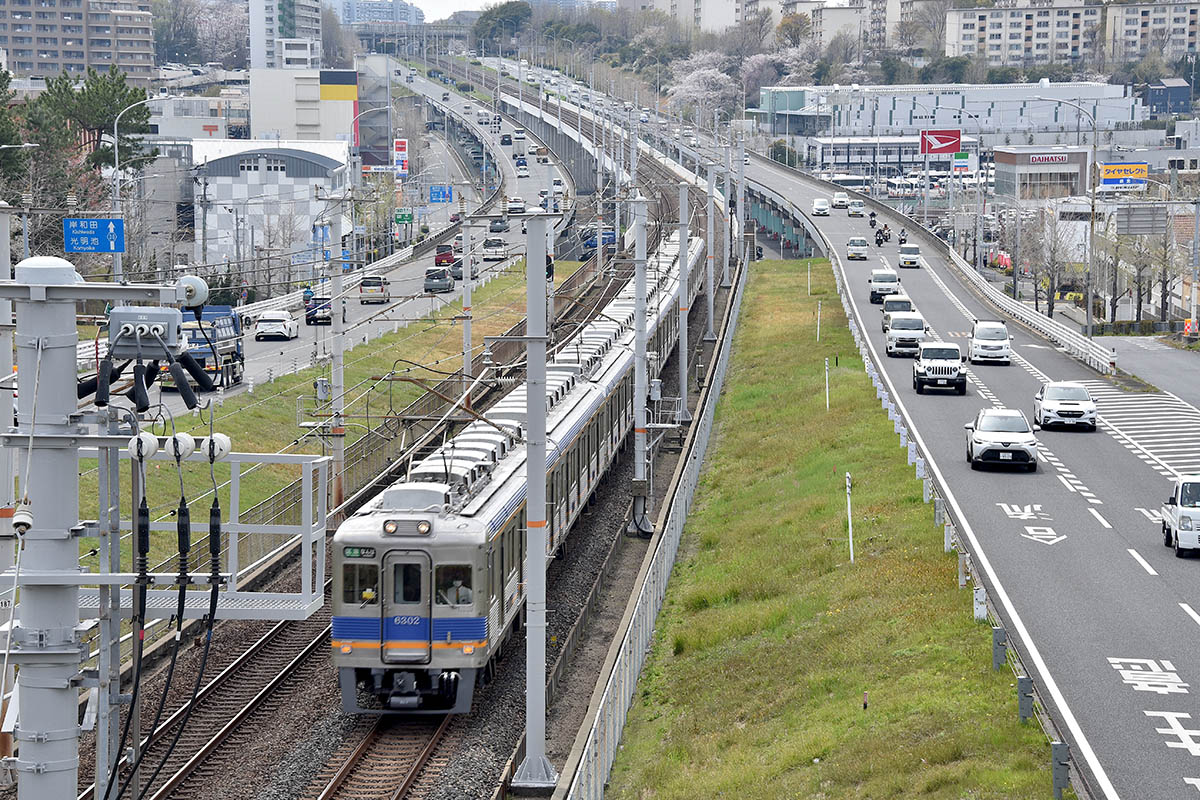
On April 1, 2025, Nankai Electric Railway officially absorbed the Senboku Rapid Railway, ending over five decades of dual-fare ticketing between central Osaka and the suburban hills of Sakai and Izumi. As documented in an in-depth Impress Watch Report, the transit corridor was rechristened the Nankai Senboku Line, eliminating a pricing penalty that had long stifled regional retail growth. The structural shift quickly rippled across commercial districts anchored around Izumigaoka Station, directly altering customer traffic patterns for major suburban retail anchors such as Toys "R" Us Senboku New Town inside the Senboku Panjo shopping center.
For decades, families traveling from central Osaka or neighboring southern wards faced steep split-ticket pricing just to reach Izumigaoka's shopping complexes. The absorption by Nankai unified the fare schedule, bringing immediate savings of several hundred yen per round trip. This financial relief coincided with an aggressive municipal push by Sakai City to modernize post-war residential infrastructure, turning older car-dependent retail destinations into integrated suburban transit hubs.
📌 Key Takeaways:
- Transit Integration: The April 1, 2025 merger converted the Senboku Rapid Railway into the unified Nankai Senboku Line, lowering cross-line fares and increasing direct foot traffic from Osaka's urban core.
- Retail Epicenter: The Senboku Panjo shopping center, home to regional cornerstones including Toys "R" Us and Senboku Takashimaya, gained renewed relevance as regional shopping shifted back toward walkable station hubs.
- Suburban Mobility: Sakai City, Nankai Electric Railway, and Osaka Metropolitan University partnered to test electric shuttle fleets, addressing steep topography and a severe Japanese new town demographic shift.
The Post-War Promise and Transit Bottlenecks of Izumigaoka
Senboku New Town broke ground in the late 1960s to accommodate Osaka's booming industrial workforce. Planners carved residential neighborhoods into the rolling hills of southern Sakai City and Izumi, relying on the Senboku Rapid Railway to connect commuters with Nankai’s Koya Line at Nakamozu Station. The line served its purpose for daily work commutes, but an operational division persisted. Because two separate railway entities ran the tracks, riders paid double base fares whenever their trains passed through Nakamozu.
That transit surcharge weighed heavily on consumer behavior. Families shopping for nursery furniture, bicycles, or holiday toys had to calculate a significant transit premium before taking their children south to Izumigaoka. Even as the Panjo department store complex expanded, regional shoppers from nearby Sakai wards frequently opted for car-friendly strip malls on Route 26 rather than boarding the train.
Commercial districts felt the pinch as the suburb aged. By the early 2020s, over 35% of Senboku New Town's population was aged 65 or older. Younger families moved to inner-ring commuter belts with lower transit costs, leaving legacy shopping complexes looking for new foot-traffic catalysts.
Inside Panjo: Sustaining South Osaka Family Retail Destinations
The opening of the Senboku Panjo shopping center in 1974 gave southern Osaka a retail powerhouse adjacent to Izumigaoka Station. Anchored by the Senboku Takashimaya department store and supplemented by specialty tenants, Panjo became the default weekend gathering spot for suburban households. At the center of that family pull was the Toys "R" Us / Babies "R" Us Izumigaoka store.
Unlike standard toy shops, the Izumigaoka Toys "R" Us branch operates as a hybrid superstore, stocking oversized juvenile products like strollers, cribs, and child car seats alongside seasonal toys and gaming equipment. For young families in Sakai and Izumi, this location served as an indispensable physical showroom where parents could test heavy nursery gear before buying.
+--------------------------------------------------------------+
+--------------------------------------------------------------+
|
+-----------------------+-----------------------+
+------v---------------------+ +-------------v------+
+----------------------------+ +--------------------+
The retail model faced severe structural headwinds when suburban birth rates plunged and online commerce took market share. Panjo responded by continually adjusting tenant space, replacing underperforming domestic apparel chains with children’s recreational classrooms and indoor playgrounds. Retaining a destination toy retailer helped ensure that younger families from outside the new town core still had a concrete reason to exit at Izumigaoka Station.
Milestones in Senboku's Railway and Retail Realignment
The long struggle to lower regional transit barriers culminated between 2024 and 2026, when municipal authorities and transit operators coordinated an overhaul of both tracks and physical store footprints.
| Date | Structural Milestone | Impact on Retail & Demographics |
|---|---|---|
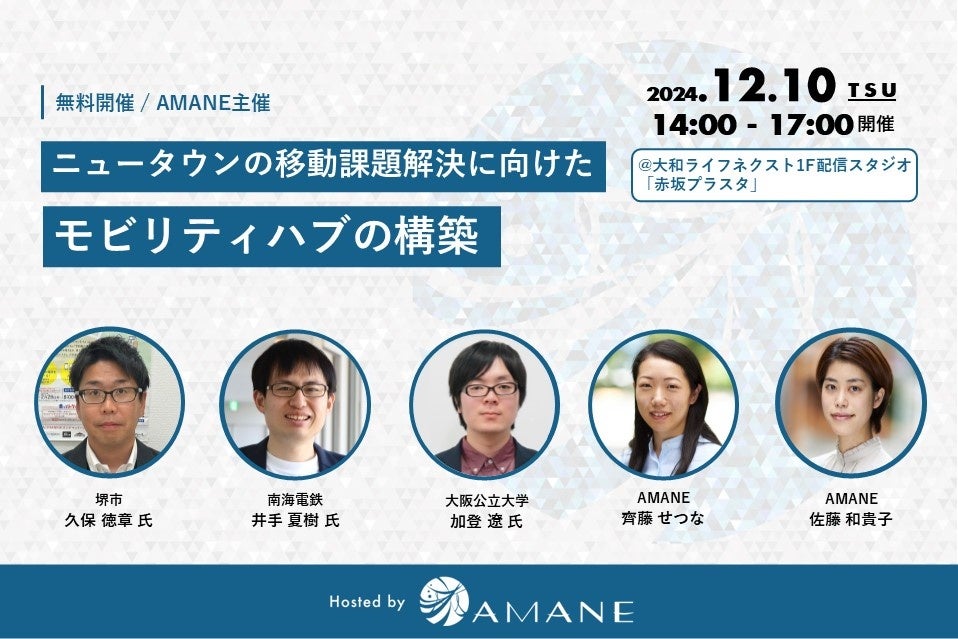
| November 2024 | Mobility Hub Consortium Launch | Sakai City, Nankai, and Osaka Metropolitan University deployed autonomous last-mile shuttles connecting residential hills to Izumigaoka. |
| April 2025 | Nankai-Senboku Merger Complete | Absorption ended double base-fare pricing at Nakamozu; one-way fares between Izumigaoka and Namba dropped by up to 120 yen. |
| Late 2025 | Izumigaoka Station Redevelopment | Modernization of covered decks linked rail exits directly into Panjo’s family entertainment wings without steep street-level detours. |
| Spring 2026 | Panjo Tenant Floor Reorganization | Consolidated juvenile retailers, including Toys "R" Us, expanded interactive demo zones to draw weekend shoppers from Wakayama and central Osaka. |
Mobility Hubs Tackle the Hilly Terrain Problem
Eliminating rail fare penalties solved only half the regional equation. Senboku New Town's topography presents daily hurdles. Residential neighborhoods are situated on steep terraced plateaus designed before urban planners accounted for widespread demographic aging.
In late 2024, a consortium involving Sakai City, Nankai Electric Railway, Osaka Metropolitan University, and mobility venture AMANE introduced an experimental network of on-demand neighborhood shuttles. By deploying compact electric transit vehicles that navigate narrow, sloped roads, the initiative fed residents straight into the Izumigaoka transit core.
For Panjo's retailers, these mobility links unlocked access to two distinct groups. Senior citizens without driving licenses regained easy transit to medical clinics and daily food markets at Panjo. Meanwhile, stay-at-home parents pushing double strollers no longer had to struggle up steep outdoor pedestrian stairways to purchase bulk packages of diapers or child-care goods at Toys "R" Us.
The Changing Economics of South Osaka's Suburban Retail
The Nankai Senboku Line integration fundamentally altered tenant strategies across the southern Osaka retail landscape. Before the 2025 unification, big-box chains viewed Senboku New Town strictly as an isolated bedroom community. High transit costs deterred residents of Sakai's coastal wards, Kawachinagano, and northern Wakayama Prefecture from traveling to Izumigaoka for routine weekend shopping.
Once the unified rail pricing structure took effect, Izumigaoka’s trade catchment area expanded outward by roughly eight kilometers. Panjo tenants observed noticeable bumps in shoppers arriving from Namba, Tengachaya, and Sakaihigashi. Rather than closing suburban outposts in favor of central Osaka flagship stores, national brands began treating Izumigaoka as an efficient regional outpost with significantly lower floor-space rents than core urban districts.
Toys "R" Us leveraged this exact dynamic. While urban department stores in central Osaka often reduce toy selections to small boutique counters due to high square-meter costs, the Izumigaoka store maintains expansive floor plans capable of displaying complete indoor playhouses, assembled tricycles, and vast specialty construction sets.
Frequently Asked Questions (FAQ)
Q1: Did the April 2025 merger change train routes between Izumigaoka and Osaka City?
A1: The physical track layout remained unchanged, but the administrative merger unified operations. Through-service trains run continuously from the Nankai Senboku Line into Nankai Koya Line tracks without physical transfers, operating under a single consolidated fare structure instead of two separate company tickets.
Q2: Is Toys "R" Us inside Senboku Panjo accessible for shoppers without personal vehicles?
A2: Yes. The store connects directly to the Izumigaoka Station central concourse via a covered, barrier-free pedestrian skyway, avoiding the steep topography typical of the surrounding residential neighborhoods.
Q3: How did the Nankai Senboku Line merger affect ticket prices for weekend family trips?
A3: Fares between stations along the Senboku line and central Osaka stations dropped by roughly 80 to 120 yen per adult ticket each way. For a family of four making a round trip, total rail expenses fell by several hundred yen, removing a long-standing deterrent to suburban transit shopping.
Commercial Resilience in Aging Japanese Suburbs
Suburban commercial centers across Japan face an unforgiving test as populations shrink and retail transactions move to digital screens. The post-war suburban design that prioritized quiet residential cul-de-sacs away from downtown commerce no longer fits modern living patterns. Without affordable, unified public transportation, aging bedroom communities face commercial decline.
Senboku New Town’s ongoing transformation offers a clear look at how coordinated transit reform can stabilize brick-and-mortar commerce. By removing artificial railway transfer fares, investing in station concourse connectivity, and deploying neighborhood micro-shuttles, the region gave hubs like Panjo and anchor tenants like Toys "R" Us a sustainable demographic lifeline. Izumigaoka is proving that older residential suburbs can successfully reinvent themselves as accessible family destinations.
