From Pot to Pouch: How Packaged Curries Redefine Shelf Life and Convenience
Cooking a massive pot of curry on Sunday night remains one of home cooking's most satisfying rituals, underpinned by the widespread cultural belief that curry always tastes better the second day. Leaving that dense, simmering stock on the stovetop overnight introduces a rapid biological countdown. Thick stews act as near-perfect incubators for heat-resistant bacteria, turning a comforting family staple into a frequent vector for foodborne illness within hours.
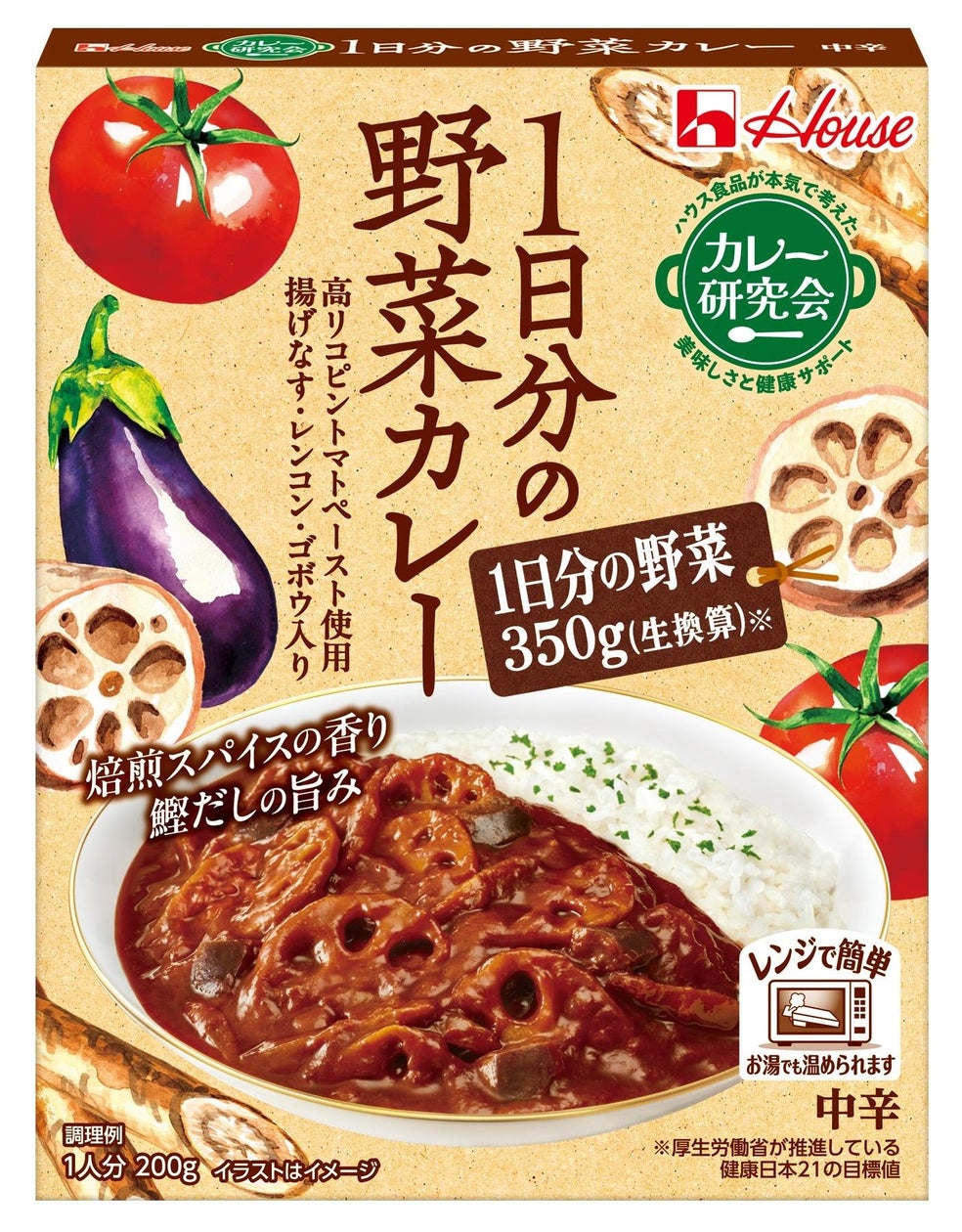
The gap between domestic food handling hazards and modern preservation science has never been wider. Food manufacturers are moving aggressively to bridge the divide between convenience, microbiological safety, and functional health. According to a recent PR TIMES Report, Japan's House Foods deployed internal registered dietitians to engineer advanced retort curries, such as their vegetable-loaded formulation launched exclusively on Amazon on May 11, 2026, marrying long-term ambient stability with targeted daily nutrition.
📌 Key Takeaways:
- The Danger Zone: Homemade curry left at room temperature risks rapid colonization by Clostridium perfringens, whose spores survive standard boiling temperatures.
- Kitchen Safe Limits: Cooked leftover curry lasts at most 2 to 3 days in a standard refrigerator when cooled rapidly in shallow containers, or up to 1 month when frozen.
- The Commercial Pivot: Commercial retort pouches achieve 1 to 2 years of ambient shelf life through pressurized thermal sterilization, rendering chemical preservatives obsolete while locking in macros and micronutrients.
The Overnight Myth and the Biology of Pot Spoilage
The culinary conviction that "overnight curry" (*ichiban curry*) peaks in flavor holds culinary truth: starches break down, sauces thicken, and spice notes mellow. Leaving a heavy Dutch oven on an unheated stovetop overnight creates an invisible hazard. Center temperatures in thick gravies descend through the bacterial danger zone of 20°C to 50°C (68°F to 122°F) at a crawl. That environment is oxygen-deprived, warm, and protein-rich.
Those conditions trigger the germination of Clostridium perfringens. This spore-forming bacterium survives routine boiling. When the pot sits cooling on a stove, dormant spores awaken, multiplying exponentially every 10 to 12 minutes in the anaerobic depths of the pot. Once ingested in large numbers, these bacteria produce enterotoxins inside the human intestine, causing acute abdominal cramps and diarrhea within 8 to 16 hours.
Stovetop reheating does not provide guaranteed immunity. While bringing a thin soup to a rolling boil kills vegetative cells quickly, the viscous consistency of Japanese roux-thickened curry prevents heat from distributing evenly. Stirring vigorously to reach an internal core temperature of at least 75°C (167°F) for over one minute is non-negotiable. Even then, re-boiling will not deactivate every bacterial spore once a colony takes root.
The Domestic Storage Clock: Refrigeration and Freezing Realities
Domestic refrigeration significantly slows microbial action, but it does not stop it indefinitely. In a standard refrigerator kept below 4°C (40°F), cooked leftover curry remains safe for only 2 to 3 days. Storing the entire heavy pot directly inside the fridge is a mistake. The dense thermal mass traps heat, raising the ambient temperature of adjacent foods while keeping the core of the curry warm for hours.
Safe leftover curry storage requires deliberate workflow:
First, divide the hot curry into shallow, airtight glass or plastic containers no deeper than 5 centimeters (2 inches). This maximizes surface-area-to-volume ratio, enabling rapid heat dissipation. Second, allow steam to escape for roughly 15 to 20 minutes, then seal and chill immediately. If freezing, consume the portions within 3 to 4 weeks. While frozen curry remains biologically inert past that point, textural degradation accelerates rapidly.
Root vegetables create a notorious culinary snag during freezing. Potatoes and carrots contain high water volumes. As ice crystals form, cell walls rupture, converting firm chunks into spongy, watery pockets upon thawing. Seasoned home cooks either remove root vegetables before freezing or mash them directly into the sauce before portioning.
Preservation Profiles: Kitchen Pots vs. Advanced Retort Pouches
Home storage balances rapid degradation against immediate consumption, while modern shelf-stable packaging relies on industrial physics to eliminate biological decay entirely.
| Preservation Method | Typical Shelf Life | Primary Spoilage Risks | Handling Requirements |
|---|---|---|---|
| Ambient Stovetop Pot | 12, 18 hours (Max) | C. perfringens spore germination, rapid souring | High risk; discard if held above 20°C overnight |
| Shallow Container (Refrigerated) | 2, 3 days | Slow psychrotrophic bacterial growth, mold | Reheat to continuous rolling boil (>75°C core) |
| Deep Freeze (-18°C) | 3, 4 weeks (Quality) | Freezer burn, starch separation, spongy potatoes | Puree or omit large potato/carrot chunks prior |
| Commercial Retort Pouch | 12, 24 months | None (Hermetic seal failure only) | Ambient room-temperature storage; ready to warm |

Retort Engineering: Sterilization Without Preservatives
Consumers frequently mistake the extended ambient stability of packaged retort curry for heavy chemical preservation. The commercial reality is purely mechanical and thermal. Commercial retort pouch curry relies on multilayer laminate pouches, typically composed of polyester, aluminum foil, nylon, and cast polypropylene, engineered to block ultraviolet light, water vapor, and oxygen transfer completely.
Once filled and sealed, these flexible packs enter an industrial autoclave. The pouches undergo high-pressure steam cooking at temperatures between 120°C and 125°C (248°F to 257°F) for a calculated duration. This treatment achieves commercial sterility. It destroys both vegetative bacteria and heat-resilient spore forms, including Clostridium botulinum and C. perfringens. Because the interior becomes a sterile, hermetically sealed capsule, the contents cannot rot, ferment, or oxidize at room temperature.
Commercial retort pouches have historically suffered from a distinct culinary drawback: thermal overprocessing. The intense heat required to sterilize the dense stew often left delicate vegetables mushy and muted brighter volatile spice aromatics. Precision pressure retorting in 2026 has refined this balance, allowing food scientists to calibrate heat exposure precisely to the second, preserving root vegetable texture and maintaining delicate spice top-notes.
Nutrient Preservation: The 2026 Dietitian-Led Retort Shift
The convenience of packaged curry is undergoing a nutritional evolution. In early 2026, Japanese manufacturers pivoted from generic shelf-stable comfort food toward targeted metabolic formulas, tasking certified nutritionists with transforming the retort segment.
House Foods accelerated this direction with its "Curry Kenkyukai" line. Developed internally by a dedicated team of registered dietitians and nutritionists, the company formulated its to provide a full daily quota of vegetables in a single pouch, debuting as an Amazon exclusive on May 11, 2026. The formulation balances high-heat retort processing with vegetable fiber retention, ensuring that essential dietary bulk survives the autoclave intact.
Functional protein delivery followed weeks later. On June 3, 2026, reports highlighted an accompanying functional innovation: a protein-dense retort formulation packing 30 grams of protein per serving, covering nearly half of the recommended daily intake for adults. Rather than relying entirely on synthetic isolates, the recipe integrates substantial cuts of chicken breast, reinforced with pork collagen peptides and whey protein. This approach solves a historical shortcoming of packaged curry: turning a high-sodium, carb-heavy emergency ration into a balanced macro-targeted meal that requires zero refrigeration.
Recognizing Spoilage and Establishing Kitchen Protocols
Identifying compromised curry requires clear sensory and structural checklists. When cooked curry spoils, changes are not always subtle:
Check the surface first. A sour or fermented odor is the most immediate warning sign, signaling carbohydrate breakdown by lactic acid bacteria. Look for tiny gas bubbles forming throughout the sauce while cold, indicating active microbial fermentation. If the sauce develops a slimy, ropy viscosity that pulls away like melted cheese when lifted with a spoon, bacterial exopolysaccharides are present. The batch must be thrown out immediately. Tasting questionable curry to verify freshness is dangerous; small concentrations of bacterial enterotoxin can trigger severe sickness.
Modern households benefit from establishing clean separation rules:
Large-batch home cooking should be planned with an exact 48-hour consumption window in mind. If a family cannot finish the pot within two days, divide and freeze it on day one rather than waiting until day three. Conversely, households seeking long-term emergency stockpiling or fast desk lunches without refrigeration risks should rely on dietitian-formulated retort packs. Modern retort options deliver verified macronutrient profiles, strict pathogen sterility, and years of stability without monopolizing precious freezer space.
Frequently Asked Questions (FAQ)
Q1: How long can I safely keep cooked curry in the refrigerator?
A1: Cooked curry should be kept in the refrigerator for no more than 2 to 3 days. To ensure it cools fast enough to prevent bacterial growth, transfer the curry from the cooking pot into shallow, airtight containers before placing it in the fridge.
Q2: Does boiling leftover curry make it safe if it sat out overnight?
A2: No. While a rolling boil kills vegetative bacteria, it will not reliably destroy the heat-resistant spores of Clostridium perfringens, which thrive in thick, low-oxygen gravies left between 20°C and 50°C. If left out overnight at room temperature, discard the batch.
Q3: How do retort pouch curries last for years without artificial preservatives?
A3: Retort pouches achieve long shelf lives through high-pressure thermal sterilization inside commercial autoclaves at temperatures exceeding 120°C (248°F). Combined with impermeable, multi-layered aluminum barrier packaging, this process creates a commercially sterile environment that eliminates bacteria entirely without chemical additives.
The Evolving Kitchen Balance
The domestic curry pot is unlikely to lose its cultural crown. The ritual of browning aromatics, simmering meats, and gathering over a custom blend remains central to home life. The romanticized notion of the open pot lingering on the stove for days has surrendered to hard microbiology. Modern food safety clarifies that leftover pots belong in shallow containers inside the cold chain within two hours of cooking.
Concurrently, advances in commercial packaging and clinical nutrition are eliminating the historical trade-offs of processed meals. With 2026 formulations delivering 30 grams of protein and whole-day vegetable quotas in shelf-stable formats, the retort pouch has transformed from a pantry backup into a reliable nutritional tool. Managing curry safely today is simple: respect the short clock of the homemade pot, and let sterile packaging engineering shoulder the long-term load.
