From Retro Broadcasts to FOD Originals: The Evolution of Social Commentary in Tales of the Bizarre
From Classroom Cruelty to Streaming Satire: The Evolution of Tales of the Bizarre
When Fuji TV premiered Yonimo Kimyou na Monogatari (Tales of the Bizarre) in 1990, the anthology tapped directly into the rawest nerve of late-twentieth-century Japan: the claustrophobic terror of the classroom. For an entire generation of viewers, the archetype of the ijimerarekko, the tormented school outcast, became the show's most reliable engine of psychological horror. Desks carved with slurs, stolen gym uniforms, and silent conspiracies of indifference did not merely set the scene; they served as the moral catalyst for terrifying supernatural revenge and grotesque karmic retribution.
Thirty-six years later, that terror has traded its chalk dust for corporate boardrooms and algorithmic absurdities. As documented in a recent PR TIMES Report, Fuji TV shifted its legacy anthology into uncharted territory in June 2026, launching a year-long monthly streaming original series on its FOD platform running through May 2027. Instead of isolated broadcast specials, the production delivers 12 standalone episodes that strip away the nostalgic safety net. By examining this transition, from early Heisei-era playground bloodbaths to modern streaming satires on corporate exploitation, we can see how Japan's longest-running dark anthology transformed private trauma into biting social critique.
📌 Key Takeaways:
- The Core Shift: The series transitioned from 1990s supernatural revenge fantasies featuring isolated school outcasts into sophisticated systemic satires targeting corporate hierarchy and institutional cruelty.
- The Streaming Model: Fuji TV's decision to drop monthly FOD originals through May 2027 frees the anthology from broadcast censorship, allowing harsher examinations of modern adult cruelty.
- Psychological Mechanics: Iconic episodes consistently employ moral inversion, turning sympathetic victims into ruthless perpetrators to force viewers to confront their own complicity.
The Blood-Stained Desks of 1990s Heisei Horror
During the early 1990s, Japan experienced an intense public reckoning with school bullying. Sensational news reports detailed tragic suicides and clandestine classroom abuse, shattering the myth of a harmonious, egalitarian society. *Tales of the Bizarre* seized on this collective dread. Early episodes centered on the ijimerarekko bypassed subtle allegories in favor of direct, visceral shocks. Producers understood that nothing frightened Japanese households more than the breakdown of order within an ordinary middle-school homeroom.
In these early iterations, the narrative architecture was brutally straightforward. An introverted student suffers relentless torment at the hands of charismatic classmates while teachers look away. Pushed beyond human endurance, the protagonist turns to an urban legend, a cursed relic, or a mysterious occult contract. The retribution was unsparing. Tormentors were trapped inside school lockers for eternity, consumed by living shadows, or forced to trade physical senses one by one.
These episodes resonated because they offered fictional catharsis for a society grappling with real-world helplessness. The classroom served as a pressure cooker where individual identity was crushed under peer pressure (*doucho-atsuryoku*). Yet even in its early years, the show avoided easy morality tales. The vengeance rarely left the victim unscarred, laying the groundwork for the more complex psychological traps that defined subsequent decades.
How Moral Inversion Replaced Simple Karmic Retribution
By the turn of the millennium, director-writers working on the Fuji TV omnibus realized that straightforward revenge had hit a creative ceiling. Audiences had become desensitized to standard monster transformations and ghostly payback. To counter viewer fatigue, writers introduced sharp moral inversions: narratives where the boundary between bully and victim collapsed entirely.
Instead of receiving supernatural assistance, the 2000s-era ijimerarekko gained access to psychological leverage, subtle technology, or bureaucratic technicalities. Episodes began exploring the intoxicating corruption of power. Once an abused student acquired the means to dominate their tormentors, whether through a magical device that erased memories or an anonymous forum ranking human worth, they invariably exceeded the cruelty of their original abusers.
This tonal pivot reflected changing sociological realities. As bullying moved from physical assaults behind the gym to covert cyberbullying on early mobile platforms, victimhood became elusive. By denying audiences the comfort of a clear hero, *Tales of the Bizarre* turned its lens outward. The true terror was no longer the classroom bully, but the universal human impulse to exploit weakness the moment one holds the upper hand.
Three Decades of Social Dread: Formats, Themes, and Twists
Tracking the show across its distinct production eras reveals how broader anxieties shifted from physical violence to societal systems. The narrative structure evolved alongside Japan's economic and technological landscape.
| Production Era | Dominant Theme | Narrative Catalyst | Resolution Archetype |
|---|---|---|---|
| 1990, 1999(Heisei Dawn) | Physical abuse, occult curses, classroom ostracization | Urban myths, cursed relics, sudden supernatural intervention | Visceral, permanent karmic destruction of the abuser |
| 2000, 2015(Digital Transition) | Psychological warfare, internet forums, covert social exile | Early digital devices, alternate realities, bureaucratic loopholes | Moral inversion: the victim adopts the cruelty of the abuser |
| 2016, 2025(Social Media Satire) | Cancel culture, social credit scores, performative empathy | Smartphones, algorithmic judgment, viral public shaming | Mutual destruction driven by the mob's insatiable gaze |
| 2026, Present(FOD Streaming Era) | Institutional abuse, corporate subcontracting, legal absurdism | Structural exploitation, inverted legal frameworks, labor traps | Systemic trap: individual resistance reinforces the oppressive apparatus |
The 2026 FOD Shift: Subcontracting Misery and Institutional Bullying
Fuji TV's transition to a monthly direct-to-consumer model on FOD represents the sharpest structural change in the franchise's history. By freeing the anthology from traditional primetime network restrictions, the creators have pushed past the old limits of psychological horror. The new format debuted on June 27, 2026, scheduling a fresh episode every final Saturday of the month.
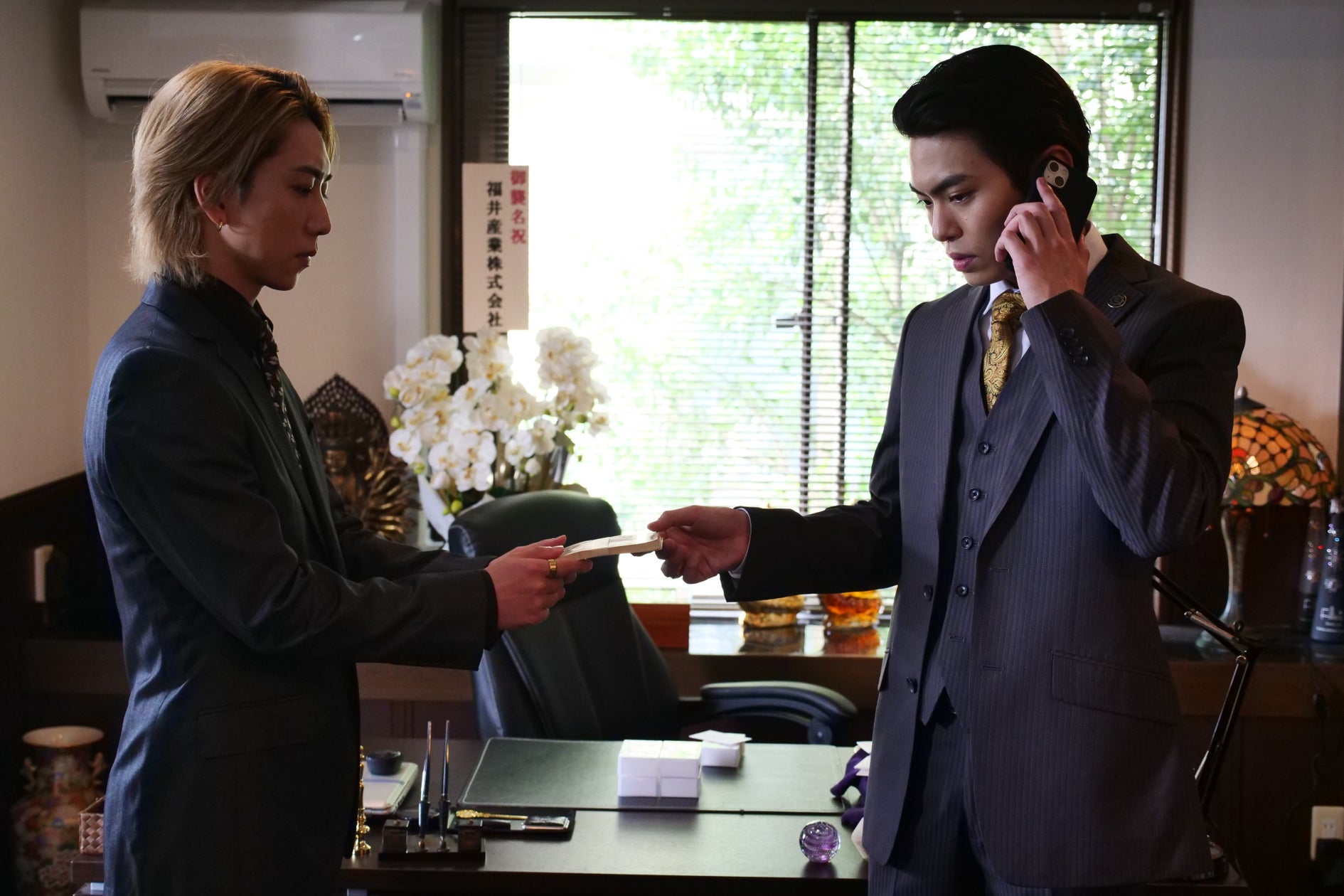
The second episode in this series, titled "Shitauke" (Subcontracting), perfectly exemplifies this thematic evolution. Starring all seven members of the performance unit IMP., the episode applies the mechanics of schoolyard harassment to organized criminal enterprises. In "Shitauke," underworld figures treat violent crime and moral decay not as personal vendettas, but as corporate tasks handed down to lower-tier contractors. The bullying is no longer personal; it is purely systemic, distributed along economic supply chains where the bottom rung bears all liability while executives collect clean profits.
This dynamic was pushed even further in the broadcast sphere when actor Hayato Ichihara, returning to the franchise after a 17-year absence, starred as the presiding judge in "Jinken Gyakuten Saiban" (Human Rights Inversion Trial). Ichihara characterized the narrative as an uncompromising confrontation with modern ethics, staging a courtroom where legal rights are flipped on their head to institutionalize exploitation. Rather than individual bullies terrorizing a child, the state apparatus itself enforces subjugation under the banner of legal procedure.
The parallel analysis published by ITmedia on the *'26 Summer Special* highlighted identical patterns in segments like "Mother's Auction," which skewered commercialized family structures. The message of modern *Tales of the Bizarre* is unmistakable: adult society did not eradicate the cruel dynamics of the schoolyard. It simply legalized them, wrapped them in corporate terminology, and integrated them into the economy.
Why Japan's Darkest Anthology Continues to Resonate
Many television anthologies lose their relevance as viewing habits change, yet *Tales of the Bizarre* maintains a commanding grip on cultural discussions. The franchise succeeds because it refuses to treat horror as escapism. It treats dread as a diagnostic tool.
The enduring popularity of the ijimerarekko framework stems from its terrifying universality. Every viewer recognizes the sickening feeling of being targeted by a group, just as every viewer knows the quiet shame of staying silent to save themselves. When the series translates that instinct into a corporate office or an inverted courtroom, it strips away the comfortable illusion that childhood cruelty ends with graduation.
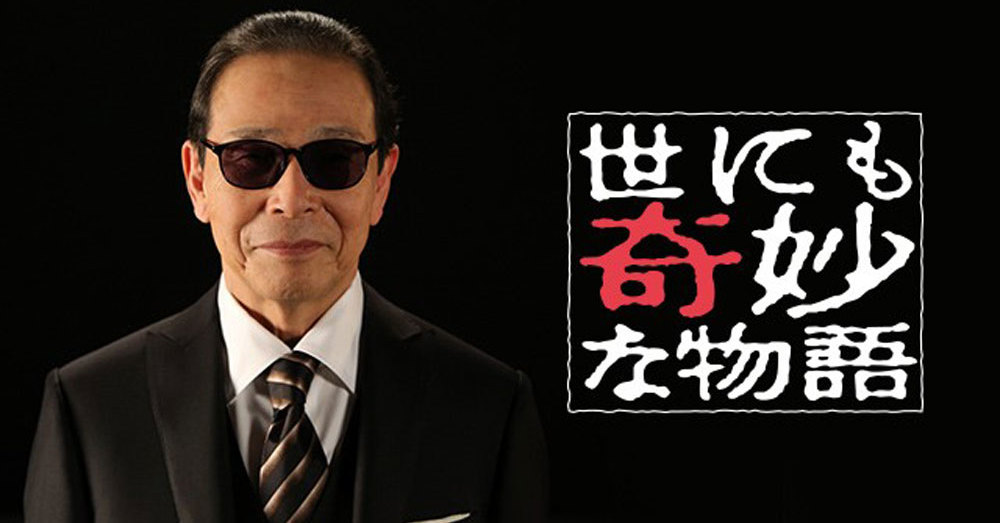
Online communities on X and Japanese forum boards frequently praise the anthology's refusal to offer tidy, comforting resolutions. Viewers do not tune in to watch good defeat evil. They tune in to see human vanity dismantled by impartial, cosmic irony. Tamori’s iconic black-suited narrator still bookends each installment, standing outside time and morality, reminding audiences that the bizarre world is not a distant nightmare, it is merely our everyday reality viewed through an honest lens.
Frequently Asked Questions (FAQ)
Q1: What defines an classic "ijimerarekko" episode in Tales of the Bizarre?
A: These narratives typically focus on an ostracized student enduring severe peer torment who gains access to supernatural, technological, or psychological power. The central dramatic tension hinges on whether the victim's retaliation restores justice or twists them into a monster far worse than their original abusers.
Q2: How does the 2026 FOD streaming release differ from traditional TV specials?
A: Historically, Fuji TV aired Tales of the Bizarre as massive biannual primetime specials in spring and autumn. The 2026 FOD model runs as a year-long monthly serial from June 2026 through May 2027, delivering 12 episodes directly to streaming subscribers, allowing for riskier social commentary and darker storytelling unconstrained by broadcast television standards.
Q3: Where should international viewers start if they want to explore the series' psychological horror?
A: Viewers should look for anthology retrospectives covering late-90s Heisei episodes alongside landmark mid-2000s installments. These eras established the foundation of moral inversion and psychological dread that modern episodes, including the 2026 corporate and courtroom satires, continue to build upon.
The Lingering Sting of Fuji TV's Mirror
Anthology television lives and dies by its ability to reflect the immediate anxieties of its audience. By refusing to let the bullied outcast remain a relic of 1990s melodrama, *Tales of the Bizarre* has secured its place as Japan's sharpest social mirror. The cruelty has not vanished over the past three decades; it simply matured, traded its uniform for a business suit, and learned how to draft contracts.
As the FOD streaming run proceeds through May 2027, the anthology continues to demonstrate that true terror requires neither ghosts nor alien invaders. It requires only an ordinary room, a vulnerable target, and a group of ordinary people willing to watch in silence.
