From Shojo Manga Tropes to Real-Life Romance: The Evolution of Dominant Partner Lines
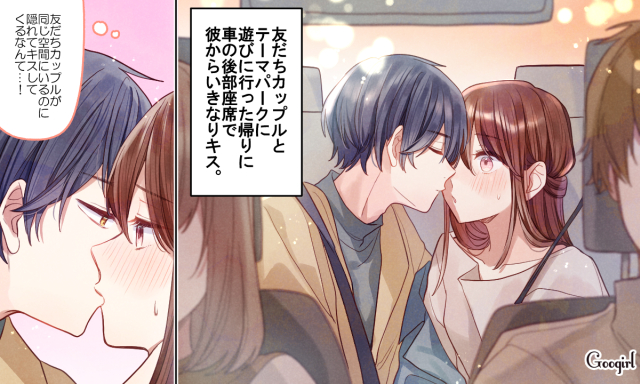
The phrase arrived on Tokyo social media as a whispered warning before turning into an inescapable relationship aesthetic: "Omae, ore igai miruna" (Don't look at anyone except me). For decades, lines like this belonged strictly to the black-and-white print of shojo manga magazines like Bessatsu Margaret or voice-acted otome games. Today, scripted dominance has slipped off the page and into daily texting culture. Young daters across Japan and the broader global anime fandom routinely trade stories about partner quips that sit on the boundary between razor-sharp teasing and possessive devotion. As documented in a culture analysis by the googirl.jp Report on modern courtship behaviors, women frequently recount falling into what Japanese internet users call a "numa" (swamp), an intoxicating, hard-to-escape emotional cycle triggered by partners who combine cutting verbal banter with sudden displays of physical affection.
The appeal of the "Do-S" (extreme sadist) male lead is not a niche subculture relic anymore. It has evolved into an active template for real-world flirtation, challenging traditional relationship scripts across international dating scenes in 2026.
📌 Key Takeaways:
- The Fiction Pipeline: Dominant boyfriend dialogue moved systematically from late-1990s print manga to mid-2010s mobile otome games, landing directly on short-form video platforms where snippets function as relationship blueprints.
- The Psychological Engine: Intermittent reinforcement drives the attraction; sharp, mildly disparaging remarks elevate cortisol, while immediate subsequent reassurance triggers a pronounced dopamine spike.
- The Boundary Problem: While stylized fiction relies on unspoken mutual consent, applying these scripts to actual relationships often risks masking genuine emotional manipulation behind playful aesthetics.
The Shojo Roots of Scripted Authority
The architecture of the dominant boyfriend archetype took shape long before smartphone screens popularized two-second soundbites. In serialized manga throughout the 1990s and early 2000s, creators sought alternatives to the polite, self-effacing suitors of classic romance literature. Figures like Tsukasa Domyoji in Yoko Kamio’s Boys Over Flowers (Hana Yori Dango) established the foundational dynamic: immense social status, unfiltered bluntness, and a possessive vocabulary that treated affection as a mandate rather than a negotiation.
These narratives codified specific linguistic markers. The male lead stopped using standard polite forms, adopting instead the harsh, familiar second-person pronoun omae paired with imperative sentence endings (-ro, -yo). Dialogue like "Baka, ore kara hanareru na" (Idiot, don't leave my side) replaced reciprocal emotional declarations.
By the 2010s, works such as Ayuko Hatta's Wolf Girl and Black Prince pushed the framework further. The male protagonist, Kyouya Sata, explicitly conditioned his social protection on the heroine's absolute obedience, deploying lines that framed romance as submission. Readers consumed these stories in massive numbers. The dialogue gave young audiences a controlled playground to experience submission fantasies without real-world vulnerability. Fiction provided an impenetrable safety net: the reader always knew the domineering protagonist was, beneath the venom, completely loyal.
Deciphering the Scripts: Otome Archetypes and Push-Pull Chemistry
When interactive romance games (otome titles) gained commercial traction on smartphones, game designers turned shojo manga dialogue into repeatable gameplay loops. In titles like Diabolik Lovers or Ikemen Sengoku, writers categorized love interests into clear psychological archetypes: the icy intellectual, the playful flirt, the tsundere, and the unvarnished Do-S. The Do-S option consistently drove high user retention and microtransaction spending.
Otome dialogue designers engineered a distinct verbal cadence based on emotional contrast:
- The Belittling Setup: The character establishes absolute conversational superiority through calculated dismissal ("You really can't do anything without me, can you?").
- The Trapping Clarification: The script closes escape routes, framing physical proximity as an inescapable fact ("Who said you could look away?").
- The Sudden Softening: The character delivers intense, exclusive loyalty disguised as an obligation ("Stay right there. You're mine to deal with").
This structure mirrors the classic push-pull emotional dynamic recognized by behavioral psychologists. Dr. Karen Vance, a relationship researcher specializing in media sociology, points out that verbal unpredictability creates emotional friction. "When a partner balances playful disrespect with sudden, intensely focused tenderness, they trigger an intermittent reinforcement schedule. The brain works overtime trying to resolve the tension, transforming anxiety into hyper-fixated romantic chemistry."
The tsundere archetype alternates between defensive hostility and awkward shyness; the Do-S archetype projects unwavering confidence. The sadist character never stumbles over his words. He uses language as a blunt instrument to dictate the relationship's geography, providing daters exhausted by modern ambivalence with an alluring illusion of absolute certainty.
Tracking the Shift: Fiction Tropes Versus Modern Dating Reality
The transition of these dialogue conventions from Japanese pop culture to cross-cultural dating rituals illustrates how media-literate youth appropriate fictional power dynamics.
| Era / Platform | Dominant Archetype | Representative Dialogue Pattern | Core Psychological Function |
|---|---|---|---|
| 1992, 2005Print Shojo Manga | The Arrogant Heir / Bully | "You belong to me now; don't let anyone else touch you." | Escapist power reclamation against rigid institutional social expectations. |
| 2010, 2018Mobile Otome Games | The Sadistic Aristocrat | "Cry a little more. It makes me want to protect you even less." | Controlled, gamified vulnerability through paid narrative choices. |
| 2020, 2026TikTok & Web Novels | The Brat-Tamer / Possessive CEO | "You talk too much. Sit down and let me handle it." | Relief from modern decision fatigue through stylized partner control. |
The mechanics change across generations, but the demand for linguistic dominance remains constant. What began as paper fantasies for teenage girls has turned into a shorthand language for real-world flirting, amplified by vertical video feeds where young creators act out "Do-S lines your partner says that give you butterflies."

The Real-World Boundary: Playful Teasing Versus Coercive Control
Fictional scripts do not always survive translation into everyday life. When an otome protagonist tells the reader, "You have no right to disobey me," the reader holds the power button. If an actual romantic partner deploys identical phrasing during an argument, the dynamic changes instantly.
A 2025 cross-cultural study by the Tokyo Institute of Psychosocial Health surveyed 1,420 young adults aged 18 to 29 on verbal teasing in relationships. The findings exposed a sharp divide:
- 68% of respondents reported that mild, affectionate teasing ("You'd lose your head if it weren't attached") improved relationship closeness and verbal chemistry.
- 54% of female respondents admitted to finding possessive verbal cues thrilling specifically during intimate, private contexts.
- 41% of participants, however, recounted incidents where a partner used manga-inspired dominant lines to deflect genuine criticism or enforce actual social isolation.
Context dictates the outcome. In healthy relationships, playful dominance functions as a dialect of verbal intimacy. Both parties understand the performance. The "sadist" boyfriend uses mock-arrogance to signal attentiveness, teasing a partner about a clumsy habit while simultaneously fixing the problem.
Problems emerge when individuals lack the emotional intelligence to read the room. Without genuine empathy, attempts at dominant banter quickly descend into contempt. Fictional Do-S dialogue depends on impeccable timing and deep devotion; without those foundations, the same lines read as abusive, controlling behavior.
Western Fandoms and the Globalization of Japanese Romance Tropes
The export of webtoons, light novels, and subtitled romance anime has stripped the Do-S dynamic of its purely domestic context. On Western platforms, the archetype has merged with existing literary tropes: the morally grey billionaire, the dark romance antihero, and the possessive protector.
On English-speaking book forums and video platforms, phrases like "Do-S energy" circulate alongside mainstream concepts like "banter chemistry" and "consensual power exchange." The Japanese terminology has given international audiences a vocabulary to describe a dynamic they spent years reading in fantasy novels: the desire for an assertive, verbally dominant partner who is gentle exclusively behind closed doors.
This synthesis has created a distinct subculture among Gen Z and young millennial daters in 2026. Rather than rejecting dominant archetypes as outdated patriarchy, many young adults consciously reclaim them as a form of romantic roleplay. They distinguish clearly between political equality and romantic eroticism. A person can demand equal pay and shared household labor while simultaneously seeking a partner who knows how to command a room and deliver sharp, possessive lines in the kitchen.
Frequently Asked Questions (FAQ)
What is the difference between a tsundere and a Do-S boyfriend in anime and dating culture?
A tsundere switches between emotional hostility and vulnerable embarrassment, lashing out because they feel flustered or exposed. A Do-S character remains calm, arrogant, and in command, using intentional verbal teasing to provoke a reaction from their partner while retaining total control.
Why do people find possessive dialogue appealing in fiction but dangerous in real life?
Fiction guarantees safety. The reader knows the dominant character will never cause permanent emotional or physical harm. In real life, possessive dialogue lacks that built-in narrative guarantee. Without verified trust, the same lines signal potential narcissism or coercive control.
Can dominant partner dialogue work in a healthy real-world relationship?
Yes, provided both individuals have high emotional intelligence and active communication. Healthy verbal dominance functions as mutual banter or romantic roleplay where both partners feel secure, respected, and free to withdraw consent without fear of retaliation.
Evaluating Scripted Dominance in Modern Courtship
The enduring power of dominant romantic dialogue proves that modern daters are not seeking sterile, friction-free interactions. As everyday life grows increasingly bureaucratized and dating apps reduce initial meetings to transactional job interviews, stylized banter offers an antidote: high-stakes emotional performance.
Lines borrowed from shojo manga and otome games give people a way to introduce tension, danger, and passion into their relationships within an otherwise cautious culture. The risk lies entirely in execution. When used skillfully, scripted dominance is an exhilarating game of verbal tag that enlivens ordinary intimacy. Stripped of care and mutual respect, it reduces a real partnership to a tired parody of authoritarian control. The difference between an unforgettable romance and a toxic relationship will never come down to the script itself, but rather the empathy of the person reading it.
