From Sixteen to Global Ambassadors: Timeline of Sana and Momo's Visual Bond
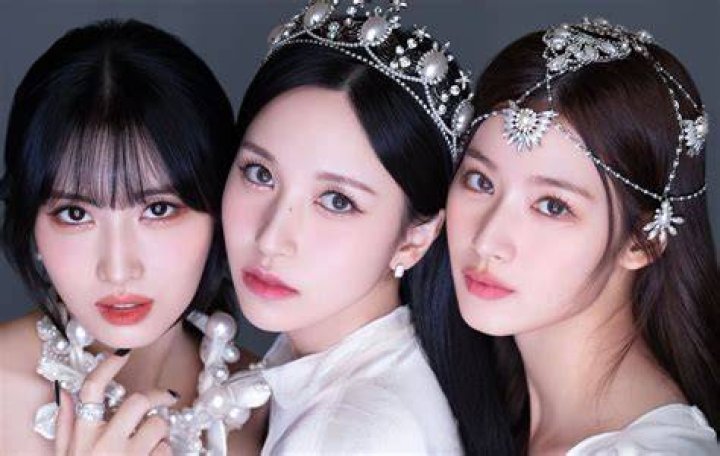
For over a decade, newcomers to K-pop have stumbled across the same visual puzzle: telling apart Minatozaki Sana and Hirai Momo. The phrase "Sana Momo niteru" (Sana and Momo look alike) remains a staple search query across Japanese and global fan forums alike. Both born in late 1996 in Japan's Kansai region, the two performers debuted together under JYP Entertainment in 2015, sharing striking bone structures, expressive almond-shaped eyes, and radiant stage presences that initially left casual spectators grasping for visual cues.
That initial confusion has given way to an appreciation for two distinct aesthetic powerhouses. As highlighted in an ELLE Report detailing how the group continues to make history past their tenth year, Sana and Momo have steered their early visual similarities into wildly contrasting high-fashion empires. Where Sana leans into soft, luminous glamour, Momo channels sharp, athletic edge. Tracking their aesthetic journey reveals how personal branding, makeup precision, and the launch of the MISAMO subunit transformed rookie lookalikes into singular global fashion icons.
📌 Key Takeaways:
- The Origin: Rookie-era styling, identical bangs, and matching stage outfits during the 2015 Sixteen era cemented early fan confusion between the two Kansai natives.
- The Anatomical Shift: A closer look at side-profile geometry and lip structure reveals distinct features that makeup artists gradually accentuated to carve out independent visual identities.
- The Fashion Split: High-end endorsements, Sana with Prada and Graff, Momo with Miu Miu and Onitsuka Tiger, solidified their divergence from twin aesthetics into haute couture opposites.
The Sixteen Auditions and the Origin of the J-Line Doppelgänger Debate
The visual comparison began before TWICE even existed. During the 2015 survival reality show Sixteen, JYP Entertainment placed trainees under intense spotlight scrutiny. Viewers immediately connected Sana and Momo, not just because they formed two-thirds of the nascent "J-Line" alongside Mina Sharon Myoi, but because their facial framing was remarkably synchronized. Both carried youth-defining cheek volume, high-bridged noses, and warm, rounded chins that caught studio lighting in nearly identical patterns.
Early ONCE fandom debates gained traction during the group's debut single, "Like OOH-AHH." Early agency music videos often relied on uniform styling trends of mid-2010s K-pop: straight horizontal brows, gradient peach lips, and heavy lower-lash eyeliner. When paired with similar honey-blonde and chestnut hair dyes, the two dancers looked like fraternal twins to untrained eyes. Variety show hosts frequently leaned into the gag, challenging audiences to differentiate Sana's spontaneous wink from Momo's focused gaze during high-tempo choreography breaks.
Anatomy of the Face: Eyes, Noses, and the Side-Profile Contrast
While full-frontal stage shots fueled confusion, a profile examination breaks the illusion entirely. Facial analysts and beauty editors frequently point to the bridge of the nose and the jawline as the decisive structural dividers between the two artists. Sana possesses a delicate, slightly upturned nasal tip paired with a softer, sloping jaw angle. Her facial expression defaults to an open, heart-shaped smile, characterized by prominent apple cheeks that enhance her signature "cutedex" (cute yet sexy) public persona.
Momo presents a distinctly athletic, sharper facial architecture. Her nasal bridge is straight and prominent, featuring a defined structural ridge that draws attention straight down to a crisp Cupid's bow. Her jawline sits at a firmer, more angular orientation, giving her side-profile a sculptural, high-impact silhouette. In candid backstage photographs, these differences stand out immediately: Sana’s eyes curve upward in a feline arch during laughter, whereas Momo’s larger, rounded orb shapes retain a striking, graphic intensity even in mid-motion.
Hair, Contouring, and Makeup: How Stylists Carved Out Two Identities
Recognizing the overlapping aesthetic, JYP Entertainment's beauty teams took deliberate steps starting around the 2018 "What is Love?" and "Fancy" eras to separate the performers visually. The strategy relied heavily on hair transformations and distinct contouring philosophies. Stylists pulled Momo toward stark contrasts, choppy hime cuts, jet-black bobs, and blunt full bangs that accentuated her intense gaze. Sana, by contrast, shifted toward fluid layers, ash-pink highlights, side-swept fringe, and honey waves that softened her cheekbones.
| Visual Era | Minatozaki Sana | Hirai Momo |
|---|---|---|
| Rookie Era (2015, 2017) | Soft peach blush, warm brown hair tones, natural brow shapes, heavy emphasis on youthful cheek volume. | Blonde accents, straight fringe, gradient lips, shared baseline styling that generated early lookalike searches. |
| Concept Pivot (2018, 2021) | Pastel pink dyes, open forehead styling, winged liquid liner, leaning into classic Old Hollywood elegance. | Signature black bob, introduction of the Japanese hime cut, smokey eye makeup emphasizing dancer charisma. |
| Ambassador Era (2022, 2026) | Polished Milan runway glam, glass-skin finishes, high jewelry pairings with Graff, tailored Prada silhouettes. | Y2K sporty chic, low-rise tailored streetwear, textured fringe, Miu Miu tailored rebellion, sculpted cheekbones. |
Lip application further severed any lingering resemblance. Sana's makeup artists routinely favor glossy, over-lined mauve and rose tones that yield a plump, romantic finish. Momo’s look focuses on matte brick reds or muted nudes that leave her lower face clean and structured, drawing all visual weight up to her eyes and sculpted cheek lines.
From Rookies to Luxury Runways: The Prada and Miu Miu Divergence
The definitive split between Sana and Momo’s public images occurred on European runways. Luxury fashion houses do not sign duplicates; they invest in precise archetypes. When European luxury brands sought partnerships with TWICE members, Sana and Momo attracted houses that sat on opposite sides of the modern style spectrum.
Sana became the face of Prada and British heritage jeweler Graff. Her public appearances lean into pristine minimalism: structured column dresses, diamond collars, slicked-back chignons, and monochromatic tailoring. The aesthetic is aristocratic, quiet, and hyper-polished. Momo, conversely, signed with Miu Miu and heritage athletic footwear brand Onitsuka Tiger. Her portfolio celebrates tension, pairing low-slung cargo trousers with micro-cardigans, ballet flats with leather motorcycle jackets, and showing off her athletic core. The visual overlap that once confused casual TV viewers has turned into a complementary masterclass in distinct fashion curation.
The MISAMO Subunit and Modern Stadium Tour Visuals
When JYP Entertainment officially debuted MISAMO, the subunit comprising Mina, Sana, and Momo, in 2023, the creative direction leaned into their visual history rather than running away from it. Instead of masking their Japanese roots or suppressing individual charm, the group's debut extended play Masterpiece and subsequent releases showcased the duo side by side in synchronized framing.
On stage, the contrast creates electric stage dynamics. During TWICE's historic milestone where they drew 240,000 attendees over three days at Tokyo National Stadium, anchoring a record-breaking 640,000 attendees across their Japan tour, the jumbotron cameras captured the pair in stark visual relief. Giant stadium tour visuals projected their faces back-to-back: Sana’s sparkling, expressive interactions with the crowd juxtaposed against Momo’s laser-focused performance execution during complex dance breaks. Rather than canceling each other out, their proximity elevated both performers, proving that physical similarity can mature into complementary stage chemistry.
Frequently Asked Questions (FAQ)
Q1: Why do new K-pop fans often confuse Sana and Momo?
A1: During TWICE's debut years (2015, 2017), Korean beauty trends favored uniform elements like straight bangs, matching honey-toned hair colors, and identical stage outfits. Combined with their shared Kansai background, similar facial dimensions, and matching ages, new listeners frequently mixed up their early promotional photos.
Q2: What is the easiest way to tell Sana and Momo apart in 2026?
A2: Look at their nose profiles and overall style direction. Sana has a softer facial outline, an upturned nose tip, and frequently wears sophisticated, open-forehead hairstyles suited to her classic Prada glamour. Momo has a sharper jawline, a straight and prominent nasal bridge, and generally sports full bangs, edgy bobs, or sporty-chic Miu Miu aesthetics.
Q3: Are Sana and Momo related?
A3: No. Despite fan nicknames referring to them as twins or the Kansai sisters, Minatozaki Sana (from Osaka) and Hirai Momo (from Kyoto) are not biologically related. They met as trainees under JYP Entertainment in 2012.
The Visual Chemistry of TWICE's Kansai Duo
The ten-year evolution of Sana and Momo is a study in how modern pop culture navigates identity. What started as an internet search query, fans parsing out facial angles on variety shows, evolved into a deliberate, brilliant visual partnership. By sharpening their individual traits instead of competing for the same aesthetic lane, both artists carved out undisputed territories in global fashion.
Standing side-by-side in global stadiums or across fashion week front rows, the lookalike tag no longer reads as an identity challenge. It serves as a reminder of their shared origins. From anxious trainees on a reality survival show to high-jewelry ambassadors commanding the world's biggest arenas, Sana and Momo have shown that two faces sharing similar origins can paint completely different portraits of modern stardom.
