From Summer Heartbreak to Autumn Dominance: Hotoku Gakuen Baseball's Critical Season Reset
When the final out of the Hyogo prefectural tournament landed in late July 2026, the silence in the Hotoku Gakuen dugout was deafening. Just weeks later, across the Hanshin basin, Chiben Wakayama hoisted the national championship banner at Hanshin Koshien Stadium, as documented by the JAPAN Forward Report detailing their fourth summer title. For Hotoku Gakuen, a storied powerhouse based in Nishinomiya with two national titles and decades of baseball pedigree, watching rivals take center stage forced an immediate internal reckoning. The third-year players cleaned out their lockers, leaving a stunned, untested underclassman roster to shoulder the weight of an expectant alumni network.
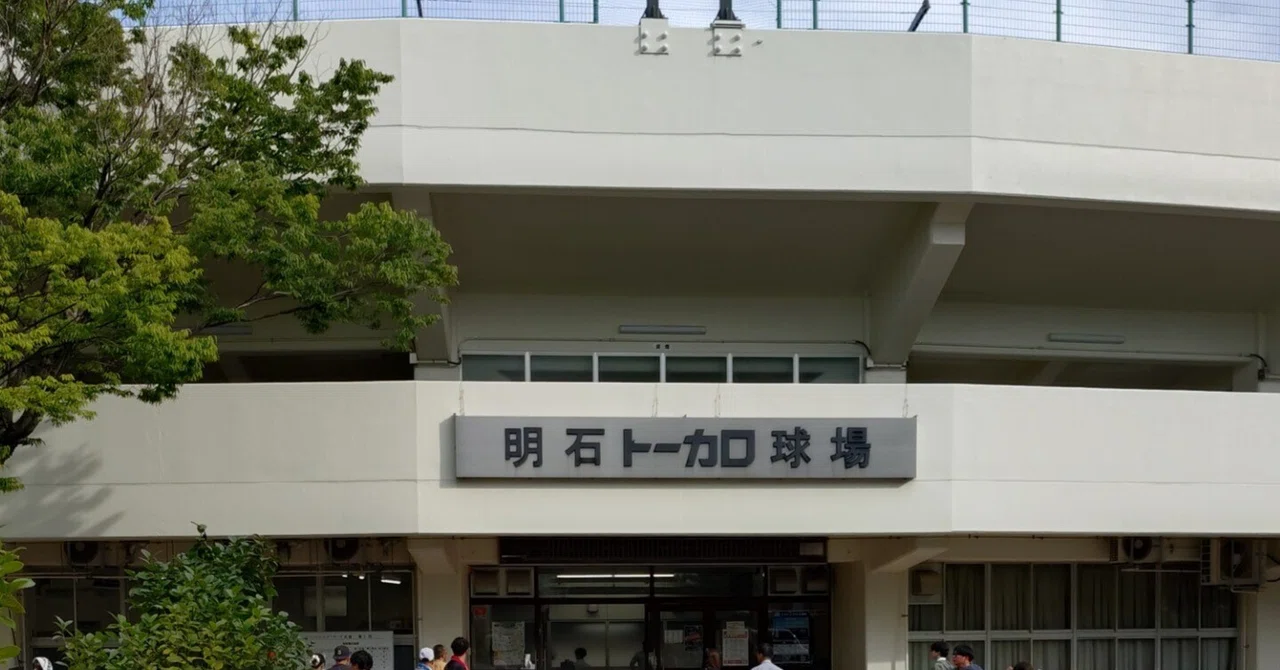
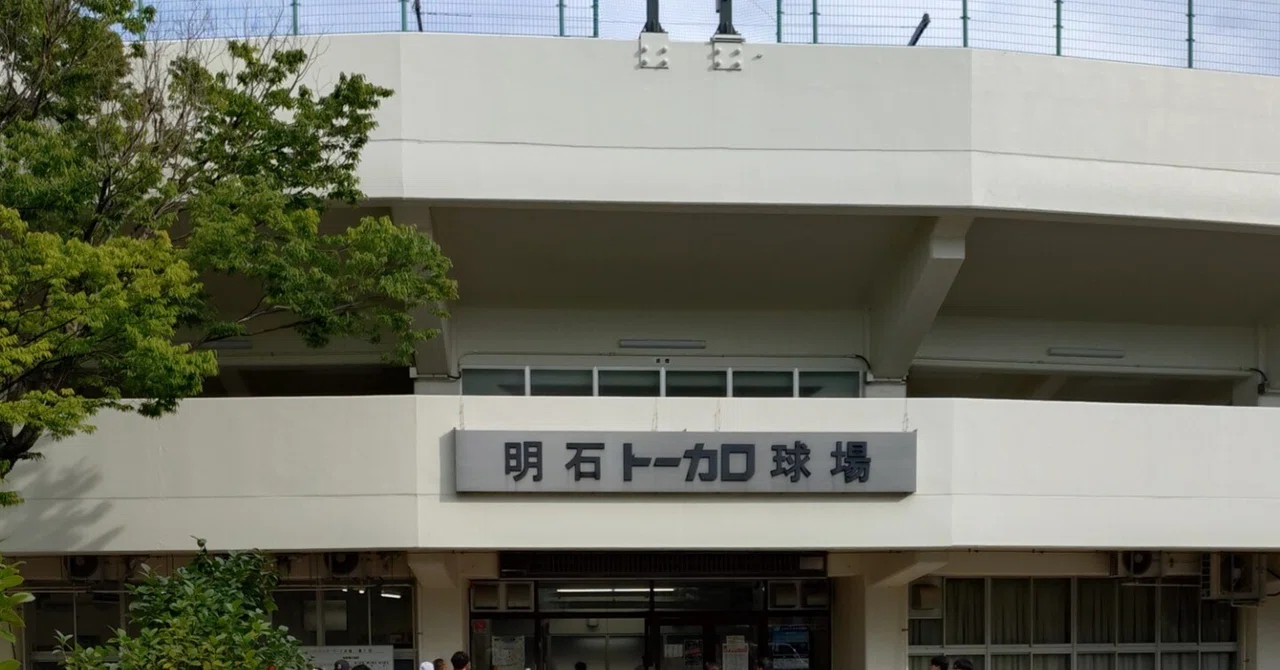
What followed over the subsequent eight weeks was an aggressive, systematic transformation. Hotoku Gakuen stripped down its defensive schematics, overhauled its batting order around a crop of standout first- and second-year players, and unleashed an 8-0 mercy-rule blitz in the third round of the autumn prefectural tournament at Akashi Tokaro Stadium. This turnaround was neither accidental nor purely emotional. It revealed the sheer operational power of Hotoku Gakuen's recruitment pipelines, scholarship allocations, and tactical adaptation under intense scrutiny.
📌 Key Takeaways:
- The Reset: Hotoku Gakuen responded to a heartbreaking July prefectural exit by overhauling its starting lineup, leaning heavily on underclassmen recruited through elite Kansai feeder circuits.
- The Turning Point: On September 23, 2026, Hotoku secured an authoritative 8-0, eighth-inning called-game win at Akashi Tokaro Stadium, reigniting their bid for the Spring Senbatsu Invitational.
- The Mechanism: Japan High School Baseball Federation (JHBF) regulations permit up to five athletic scholarship recipients per grade, making targeted Senior League and Boys League recruitment vital to sustained contention.
The July Reckoning in Nishinomiya
Summer baseball in Hyogo Prefecture offers no margin for error. With more than 150 schools competing for a single ticket to Koshien, early-round upsets can dismantle years of planning in two hours. Hotoku Gakuen entered July 2026 with high expectations, anchored by senior leadership and deep regional respect. Yet a failure to generate situational contact with runners in scoring position unraveled their campaign in the prefectural quarterfinals.
The aftermath was immediate. Under Japan's strict amateur baseball calendar, summer elimination ends the high school careers of third-year students on the spot. The next morning, head coach Takao Nagai and his staff faced an empty varsity diamond. The incoming core had almost no competitive varsity reps against top-flight pitching. Whispers circulated among Kansai baseball observers that Hotoku might face a multi-year rebuilding cycle, especially with rising public programs and aggressive private academies tightening the talent race across Hyogo.
The 8-0 Statement at Akashi Tokaro Stadium
Hotoku Gakuen silenced those doubts on September 23, 2026. Facing an ambitious regional opponent in the third round of the Autumn Hyogo Prefectural Tournament, the Green Wave took the field at Akashi Tokaro Stadium with an altered identity. Gone was the passive plate approach that doomed the July squad. In its place stood an aggressive lineup hunting early-count fastballs and applying ruthless pressure on the basepaths.
Hotoku jumped ahead early, manufacturing runs through executed hit-and-run plays and driving balls into the gaps. On the mound, their sophomore ace commanded both sides of the plate, mixing a 143 km/h four-seam fastball with sharp split-finger action that kept opposing hitters off balance. By the bottom of the eighth inning, with the bases loaded and one out, a drive into right-center field scored the decisive runs to trigger the tournament's 8-run mercy rule. The scoreboard flashed 8-0. In local match reports published through baseball analytics platforms, writers pointed to the execution as a return to championship standards. Hotoku followed this up ten days later on October 3, 2026, battling through a tense semifinal at Akashi to reinforce their claim on regional supremacy.
Chronology of the Hotoku Gakuen Autumn Turnaround
The shift from summer despair to autumn dominance required deliberate benchmark management throughout the late summer heat.
| Date / Window | Phase & Venue | Strategic Outcome |
|---|---|---|
| Late July 2026 | Hyogo Summer Tournament (Akashi) | Eliminated in the quarterfinals; senior class departs; roster reset initiates. |
| August 1, 25, 2026 | Nishinomiya Training Grounds | Closed intrasquad scrimmages; conversion of athletic scholarship underclassmen into starting roles. |
| September 23, 2026 | Autumn Prefectural 3rd Round (Akashi Tokaro) | Dominant 8-0 called-game victory in 8 innings; offense racks up 11 hits. |
| October 3, 2026 | Autumn Prefectural Semifinals (Akashi Tokaro) | Secured advancement into the Kinki Regional Tournament pool behind disciplined relief pitching. |
Inside the Athletic Scholarship Structure
Behind the on-field revival lies the engine that drives Japanese private school baseball: the athletic scholarship framework, known domestically as the tokutaisei system. For years, the term was shrouded in rumor, with fans assuming top academies recruited limitless rosters on full rides. The reality is heavily governed by strict institutional guardrails.
Under the regulations established by the Japan High School Baseball Federation (JHBF), member private institutions are restricted to a maximum of five athletic scholarship recipients per grade, totaling no more than 15 players across a three-year varsity program. These scholarships are structured into distinct tiers:
- Type A (Full Exemption): Complete coverage of annual tuition, facility fees, and entrance examination costs, typically reserved for blue-chip prospects with junior high national team experience.
- Type B (Partial Exemption): 50% tuition reduction alongside subsidized dormitory and meal fees.
- Special Recommendation Track: Academic baseline waivers paired with guaranteed varsity club admission, though tuition remains paid by the athlete's family.
Because the quota is locked at five per year, Hotoku Gakuen cannot simply stockpile prospects. Every scholarship slot represents high financial and competitive stakes. If an evaluation fails, or if a recruit suffers a career-altering shoulder injury in tenth grade, the school loses one-fifth of its designated scholarship capital for that cohort.
Scouting Networks: Senior League and Boys League Pipelines
To maximize their five annual scholarship slots, Hotoku Gakuen relies on scouting networks across Kansai. The program monitors two primary junior high feeder organizations: the Boys League and the Senior League. Scouts track prospects as early as the spring of their eighth-grade year, attending weekend tournaments in Osaka, Hyogo, and Kyoto.
The evaluation criteria look past raw youth statistics. Recruiters assess kinetic chain efficiency, hip rotation speed, plate discipline, and defensive lateral agility. A middle infielder who hits .450 against mediocre club pitching is often passed over for a shortstop who hits .310 but demonstrates clean footwork and a sub-4.2-second dash to first base. Hotoku also maintains a historical pipeline with its internal junior high school division, allowing a fraction of homegrown athletes to integrate directly into the high school squad without utilizing outside scholarship slots.
Competition for these athletes is fierce. Osaka Toin, Tenri, and Chiben Wakayama compete for the exact same talent pool across western Japan. Hotoku's pitch centers on two points: immediate underclassman playing opportunities and a direct pipeline to the Nippon Professional Baseball (NPB) Draft and prestigious Kansai Big Six university rosters.
The Path to Senbatsu and the NPB Draft Pipeline
The autumn season in Japanese high school baseball is uniquely high-stakes. While summer is celebrated for cultural drama, autumn determines who qualifies for the National High School Baseball Invitational Tournament (Senbatsu) held each March at Koshien. Reaching the semifinals of the Hyogo prefectural tournament punches a ticket to the Kinki Regional Tournament, where the top six finishing schools historically earn automatic Senbatsu berths.
For Hotoku Gakuen's current sophomores and freshmen, this autumn run carries professional consequences. NPB scouts from the Hanshin Tigers, Orix Buffaloes, and Yomiuri Giants line the backstop at Akashi Tokaro Stadium with radar guns and high-speed cameras. A dominant showing against premier Kansai competition elevates an athlete from a local recruit into a top-three-round draft projection eighteen months later. By rebounding from July's exit with an 8-0 statement, Hotoku demonstrated that their development pipeline remains one of the sharpest in Western Japan.
Frequently Asked Questions (FAQ)
Q1: What are the strict limits on athletic scholarships for high school baseball in Japan?
A1: Under JHBF rules, private high schools may offer formal athletic scholarships to a maximum of five players per grade, meaning a high school program can have no more than 15 scholarship athletes active across its first-, second-, and third-year rosters at any time.
Q2: How does performance in the Autumn Hyogo Tournament affect Koshien qualification?
A2: The autumn prefectural tournament serves as the direct qualifier for the regional Kinki tournament. Teams that finish in the top tier of the Kinki tournament secure invitations from the selection committee to compete in the prestigious Spring Senbatsu tournament at Hanshin Koshien Stadium.
Q3: What feeder leagues supply the majority of Hotoku Gakuen's baseball recruits?
A3: The majority of outside recruits enter through the Kansai regional divisions of the Boys League and Senior League, alongside a small selection of athletes promoted directly from Hotoku Gakuen's affiliated junior high school program.
Hotoku Gakuen's Structural Staying Power
Hotoku Gakuen’s late-summer resurgence proves how high-caliber athletic programs survive sudden turnover. When unexpected July defeats wipe away veteran rosters, programs reliant on individual star power often crumble. Systems built on methodical scouting, disciplined scholarship allocation, and aggressive tactical adjustments recover quickly.
By routing their competition 8-0 at Akashi Tokaro Stadium and pressing through the autumn rounds, Hotoku reestablished its presence in Hyogo. The five scholarship slots allocated for this current class are already delivering competitive returns, reminding the rest of Kansai that Hotoku Gakuen remains a fixture in the race for Koshien glory.
