From Unboxing to Return Deadlines: The Complete Timeline for Changing Your New Smartphone Color
You split the pull tabs, peel away the protective paper, and immediately feel a sink in your stomach. The sleek titanium or pastel ceramic that looked striking in high-resolution promotional renders looks completely washed out under ordinary kitchen lighting. You ordered the wrong color, and you are far from the first person to experience this exact sinking sensation.
Color regret represents one of the most common reasons for immediate post-purchase remorse in mobile retail. Carrier stores and direct manufacturers handle thousands of inventory exchanges each week driven entirely by aesthetic dissatisfaction. Correcting the mistake requires swift, decisive action before specific retail deadlines close your options for good.
📌 Quick Summary:
- The Direct Fix: Official retail exchanges must be initiated within the standard 14-day window, though most telecommunications carriers assess a $50 to $70 restocking fee for opened boxes.
- The Non-Invasive Alternative: Precision-cut cast vinyl wraps allow total color conversion for under $25 without voiding factory water resistance or warranty protections.
- The Destructive Hazard: Swapping factory rear glass panels through unauthorized repair technicians immediately forfeits manufacturer warranties and degrades IP68 ingress protection.
The Unboxing Disconnect: Why Studio Renders Mislead Buyers
Smartphone color finishes rely heavily on physical vapor deposition, matte texturing, and multi-layered glass coatings that react dynamically to ambient photons. Promotional renders generated by hardware vendors employ balanced, multi-point studio lighting designed to emphasize subtle undertones. That muted sage green or deep indigo will look dramatically different under the harsh fluorescent fixtures of an office or the warm ambient LEDs of an apartment living room.
The gap between screen expectation and physical reality drives massive discussion across consumer hardware forums. In communities like Reddit’s r/iPhone and r/GooglePixel, entire threads are dedicated to buyers discovering that a phone described as "dark gray" leans noticeably purple, or that a "natural" metal finish shows finger oils far faster than black equivalents. Once the unboxing occurs, aesthetic mismatch stops being a trivial quirk and turns into a daily visual annoyance. Because high-end smartphones now command prices between $800 and $1,600, living with an unappealing shade over a multi-year ownership cycle is a bitter pill to swallow.
The impulse to fix the problem begins instantly. The critical factor is knowing which remedies preserve your wallet and which ones destroy your phone's long-term resale value.
The 14-to-30-Day Window: Retail Return Policies and Hidden Restocking Fees
If you want an authentic factory swap, your watch started running the moment the courier dropped the box on your doorstep or the store associate handed you the receipt. The legal framework governing these transactions is the buyer's remorse window, which grants consumers a narrow period to cancel or alter their hardware purchase.
Purchases made directly through consumer electronics storefronts offer the cleanest exit paths. The standard Apple Store return deadline gives buyers precisely 14 calendar days from the date of physical receipt to initiate a return or perform a direct smartphone color exchange. Devices bought directly from Apple can be opened, powered on, and tested; as long as the chassis remains free of physical scratches or chips, Apple issues a full refund with $0 in restocking penalties. Google's online hardware store maintains a matching 15-day return policy, though carrier-branded variants follow distinctly harsher rules.
Telecom network operators view opened inventory through a completely different financial lens. If you bought your phone through AT&T, Verizon, or T-Mobile, a carrier return policy will almost certainly mandate a flat $50 to $70 restocking fee the second the factory security seal is broken. The fee covers the carrier’s loss when classifying your returned handset as an open-box or refurbished unit. Carriers generally enforce a strict 14-day (or occasionally 30-day) buyer's remorse window. Once day thirty-one passes, carrier billing engines lock the device serial number into your device payment plan, closing the door on direct exchanges entirely.
Comparing Return Deadlines, Swapping Costs, and Policy Caps
Navigating the return process requires tracking specific institutional timelines and financial penalties across different retail channels.
| Retailer or Platform | Return Window | Restocking Fee (Opened) | Hardware Impact |
|---|---|---|---|
| Apple Store (Direct) | 14 Days | $0 | None (Brand-new swap) |
| Best Buy | 14 Days (60 Days for Total Members) | $45 (Carrier-activated models) | None (Full retail swap) |
| Major US Carriers (AT&T, Verizon, T-Mobile) | 14, 30 Days | $50, $70 | Financing plan resets |
| High-End Vinyl Wraps (e.g., Dbrand) | N/A (Aftermarket applied) | $15, $30 Purchase Cost | Zero warranty risk |
| Third-Party Back Glass Replacement | N/A (Physical modification) | $80, $180 Service Cost | Voids factory warranty & water seal |
Before packing your smartphone back into its retail packaging, verify that all original accessories remain intact. Carriers and big-box stores routinely deduct additional fees ranging from $15 to $35 if the original braided charging cable, SIM extraction pin, or internal cardboard sled are missing from the returned package.
Aftermarket Transformation: Precision Vinyl Wraps and Exterior Covers
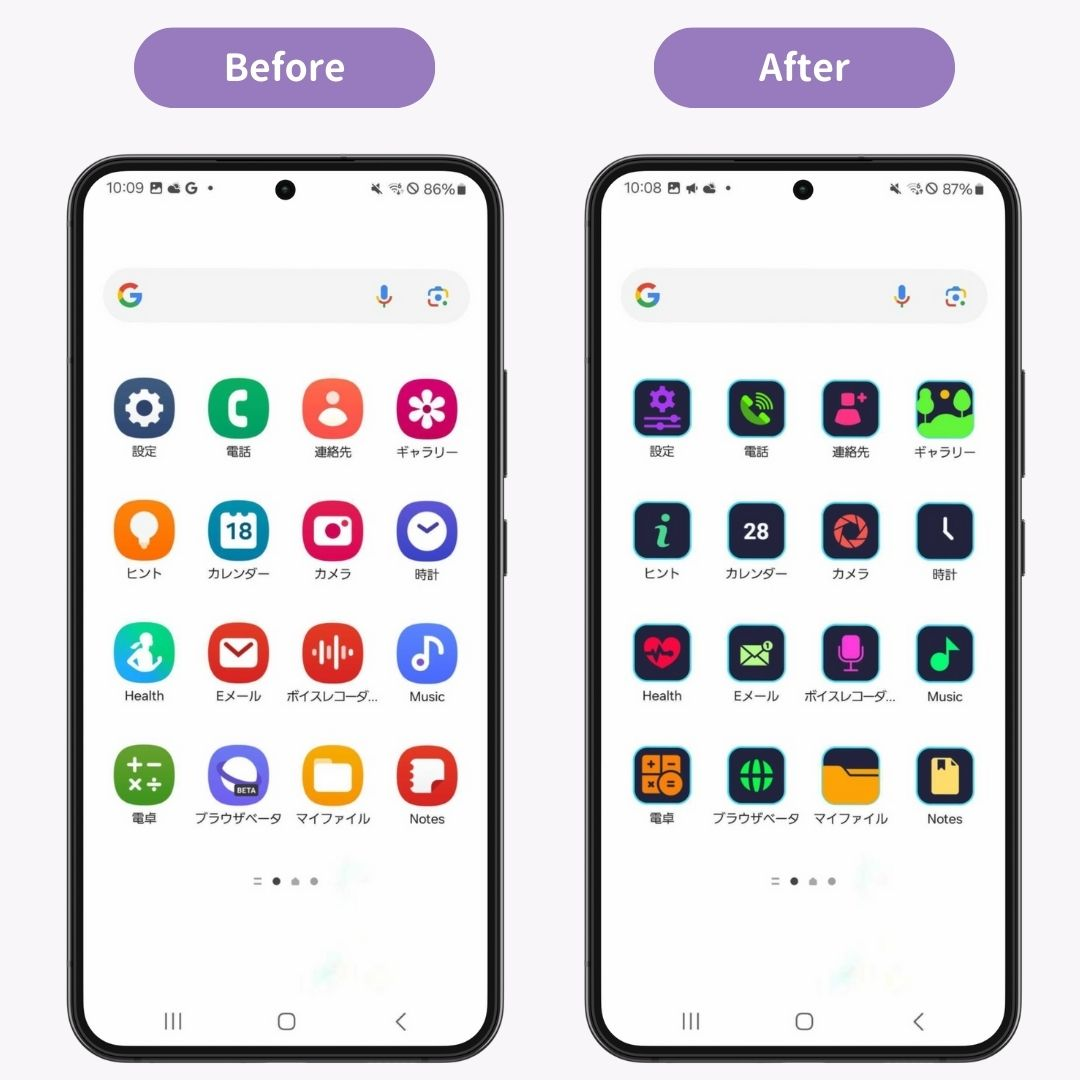
When the return window expires, non-invasive aftermarket phone customization becomes the most practical, cost-effective way forward. Precision-cut vinyl phone skins offer a seamless path to changing a phone’s exterior appearance without altering its underlying components.
Modern adhesive skins, most notably Dbrand wraps and competing products from manufacturers like Slickwraps, use commercial-grade cast vinyl supplied by firms such as 3M. These micro-thin films incorporate microscopic air-release channels within the adhesive backing. When installed using standard household hair dryers to soften the vinyl around radius corners, these skins hug the contours of camera islands and chassis rails with sub-millimeter accuracy.
Applying a skin costs roughly $15 to $30, takes fifteen minutes of patience, and completely blankets the undesirable shade beneath textured carbon fiber, matte pastels, or faux leather. More importantly, high-grade vinyl leaves zero chemical residue when peeled away. If you decide to sell the device two years later, the original factory glass remains in pristine, unblemished condition underneath, yielding maximum trade-in value.
For those who prefer physical drop protection, specialized opaque cases provide an even simpler fix. Premium phone cases from brands like Spigen, Mous, and Nomad eliminate visible original colors entirely, leaving only small cutout rings around camera lenses visible to the casual observer.
The High-Risk Route: Back Glass Replacement and Structural Hazards
Some users pursue a radical, mechanical solution: hiring a local repair shop to perform a physical back glass replacement using an alternative OEM colorway. Online marketplaces are filled with standalone rear housing panels harvested from broken devices or sourced through unauthorized clone factories. This approach is fraught with serious hardware risks.
Modern flagship smartphones are structural sandwiches held together by precise industrial adhesives. Manufacturers like Apple and Samsung calibrate their glass bonding to achieve an IP68 ingress protection rating, allowing submersion in up to 6 meters of freshwater for 30 minutes. The moment an independent technician takes a heat gun and pry tool to your pristine back glass, that factory water seal is permanently compromised.
A manual chassis swap also introduces severe warranty hazards. Official diagnostic software used by Apple Authorized Service Providers and Samsung Experience Centers scans internal microchip serial numbers during service visits. If the serial embedded in the wireless charging coil or camera array fails to match the original factory SKU assigned to your IMEI, your device is flagged immediately. A warranty coverage void status will be applied to your account, invalidating coverage under AppleCare+ or Samsung Care+ for any future logic board or display defects.
Long-Term Solutions: Trade-In Programs and Carrier Upgrade Cycles
If you passed the 30-day remorse period and refuse to cover the phone with a skin or case, the final avenue involves leveraging structured trade pathways. These options bypass the immediate loss of a full return, though they come with distinct financial trade-offs.
Manufacturer direct trade programs through Apple, Samsung, or Google let you surrender your newly purchased device toward an alternative unit. Because modern trade engines evaluate handsets strictly on functional criteria, screen condition, housing denting, battery health, and activation locks, your device qualifies for the maximum allowable tier-one valuation. You will take an immediate depreciation hit of roughly 20% to 35% compared to the original MSRP, but you can secure the preferred color without breaching contract terms.
For carrier-locked customers bound to monthly financing programs, the carrier upgrade cycle offers relief through early trade-in features. Programs like AT&T Next Up, Verizon Early Upgrade, or T-Mobile's Jump let subscribers turn over their current phone once 50% of the device balance is cleared. While paying half the cost of a modern flagship just to switch chassis paint is an expensive luxury, it represents the only legitimate way to exchange network-financed devices outside the initial sales window without breaking your service agreement.
Frequently Asked Questions (FAQ)
Q1: Will applying a vinyl wrap leave adhesive residue or damage my phone's matte finish?
A1: High-grade vinyl skins made with automotive-grade 3M adhesive leave zero residue when removed. They will not peel, strip, or discolor factory frosted or matte glass surfaces. Budget skins made with low-grade glue can occasionally leave gummy traces, which clean off safely using a 70% isopropyl alcohol wipe.
Q2: Can I swap my phone's color at an Apple Store if I bought it through my carrier?
A2: No. If your financial agreement runs through AT&T, Verizon, or T-Mobile, an Apple Store specialist cannot process the exchange on their internal point-of-sale system. You must process the exchange directly through the carrier channel where the original financing installment contract was generated.
Q3: Does swapping the back glass panel at an unauthorized repair shop void my carrier insurance?
A3: Yes. Both carrier-provided insurance programs (such as Asurion or Assurant) and official manufacturer plans explicitly require all housing components to retain original factory specs. Installing an unauthorized third-party shell will result in claim denial if the phone needs inspection for future damage.
Strategic Takeaways for Device Aesthetics in 2026
Living with the wrong smartphone shade is entirely optional, but solving the problem without throwing away money requires assessing where you sit on the calendar. If you are within your first 14 days of possession, eat the carrier restocking fee or utilize zero-cost direct retailer swaps immediately. A $50 fee is an easy price to pay compared to three years of daily buyer's remorse.
If the retail calendar has already closed, turn directly to precision vinyl wraps rather than pursuing invasive teardowns. Adhesive wraps completely transform the visual character of the hardware, cost less than a single month of device insurance, and protect the original chassis for maximum trade-in value when the next hardware generation arrives.
