From WRC Concepts to Street Customs: The Evolution of Kei Widebody Tuning
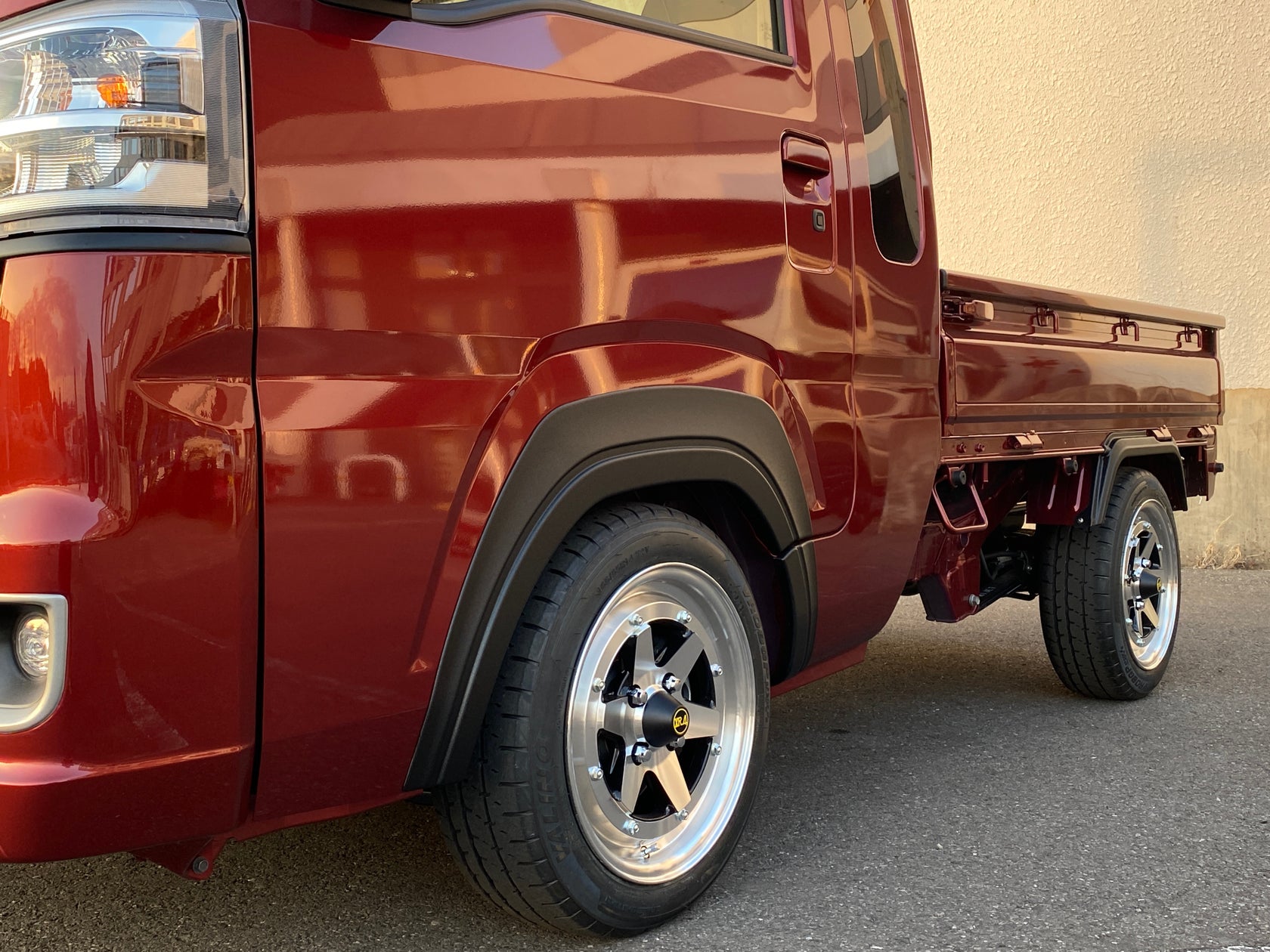
When Daihatsu and mobility trading house SPK hauled a drastically widened, muscular Copen coupe onto the gravel stages of FIA World Rally Championship (WRC) Rally Japan, the crowd saw an aggressive pocket rocket built to conquer mountain hairpins. What car culture enthusiasts witnessed was a deliberate act of defiance against Japan’s strict automotive taxonomy. Stripped of its domestic Kei limits, the "Deka Copen" traded yellow registration plates for white, widening its track to hunt rally stages and signaling an escalating appetite for widebody micro-machines.
That appetite has spilled onto public tollways. From aggressive aftermarket aero kits to Honda’s muscular N-ONE e:-derived "Super One" prototype unveiled in late 2026, Japanese motorists want wider, meaner stances on everyday commuter cars. As detailed in a recent PR TIMES Report regarding fusion FROM SPIEGEL's specialized aerodynamic components, the commercial push toward stylized fender flares has accelerated across domestic builders. Beneath the visual theater lies an unforgiving legal perimeter: Japan's biannual Shaken vehicle inspection system, where an extra nine millimeters of fiberglass can strip an owner of essential micro-car tax subsidies.
📌 Key Takeaways:
- The Regulatory Hardline: The Ministry of Land, Infrastructure, Transport and Tourism (MLIT) caps Kei car exterior width at exactly 1,480 mm, offering zero tolerance for permanent overfenders that breach this boundary.
- The Shaken Trap: Exceeding outer dimensions by more than 20 mm forces a vehicle through Structural change registration (Kozo Henko), permanently reclassifying it into the white-plate compact car bracket.
- The Tuner Strategy: Aftermarket outfits avoid administrative reclassification by crafting sub-9mm fender trims engineered to exploit technical inspection exemptions without voiding yellow-plate status.
The 1,480mm Ceiling: Why Millimeters Dictate Japan's Smallest Cars
Japan’s Kei segment exists purely because of legislative arithmetic. Established after the Second World War to mobilize the population, the class is bound by immovable legal borders: maximum engine displacement of 660cc, an overall length not exceeding 3,400 mm, and a strict Kei car width limit of 1,480 mm. In return for these dimensional straightjackets, owners enjoy cheap annual road taxes, reduced curb-weight taxes, and regional exemptions from the strict garage certification rules that govern standard passenger vehicles.
Chassis dynamics constantly fight these figures. Kei platforms run narrow track profiles. When drivers lower their ride height, upgrade to staggered wheel sets, or chase cornering grip, tires inevitably push outward toward the sheet metal. Widening the tread profile improves lateral stability and turn-in response on technical mountain passes. Yet the moment a tuner extends bodywork outward to encase a broader rubber footprint, the car collides directly with Japanese vehicle transport laws.
From Rally Japan to Electric Prototypes: The Widebody Boom
The cultural momentum behind pumped-up micro-cars intensified when factory-backed projects tossed the rulebook aside. The Daihatsu Copen widebody project developed with SPK for WRC Rally Japan in Aichi and Gifu proved that ditching dimensional compliance unlocks genuine mechanical aggression. By boxing out wheel arches to fit gravel-spec suspension and wider tarmac tires, builders transformed a pedestrian 64-horsepower roadster into a capable rally machine.
Mainstream manufacturers took notice. Honda followed a similar playbook with its 2026 "Super One" concept, derived from the upcoming electric N-ONE e: architecture. Rather than disguising the vehicle's micro-car origins, engineers pushed track width outward, grafting pronounced overfenders onto the silent platform to balance visual weight against low-mounted battery packs. Automotive design studios recognized that muscular fender flares give upright city commuters instant road presence. Social media amplified the trend, sparking demand among private owners of Suzuki Altos, Daihatsu Casts, and Honda N-Boxes who wanted the competition aesthetic on cars driven to commuter train stations.
The Inspection Hall Gauntlet: Overfender Legality vs. Structural Change
Driving an aggressively styled Kei through a regional Light Motor Vehicle Inspection Organization (LMVIO) testing lane is an exercise in administrative anxiety. Vehicle examiners do not negotiate. Under official tire protrusion regulations, no structural component of the wheel rim, flange, or lug nuts may extend past the outermost vertical arch of the fender.
While transport authorities relaxed tire sidewall allowances in 2017, permitting up to 10 mm of rubber sidewall marking to protrude within a specific 30-degree forward and 50-degree rearward arc from the wheel center, this concession does not cover the wheel rim itself. If a tuner installs negative-offset wheels, wheel spacers, or wider alloy rims, fender flares modification becomes mandatory to cover the exposed metal. Installing these flares immediately exposes the owner to the overfender legality threshold.
Inspectors measure vehicle width at the widest point, excluding exterior side mirrors. Under Section 4 of the automotive maintenance directives:
- Modifications using double-sided adhesive or simple clips that broaden the total vehicle by less than 20 mm (or 10 mm per side) are treated as minor exterior accessories. These modifications do not mandate administrative paperwork, provided the base car does not exceed the absolute class ceiling.
- Riveted, bolted, or permanently welded overfenders that expand total vehicle width beyond 1,480 mm instantly invalidate the yellow-plate registration certificate.
When inspectors catch an unapproved permanent widebody at Shaken inspection, they issue an immediate failure notice. The owner faces two choices: strip the body panels down to bare sheet metal on the inspection floor, or register the vehicle as a completely different category of machine.
Regulatory Reclassification: Yellow Plates vs. White Plates
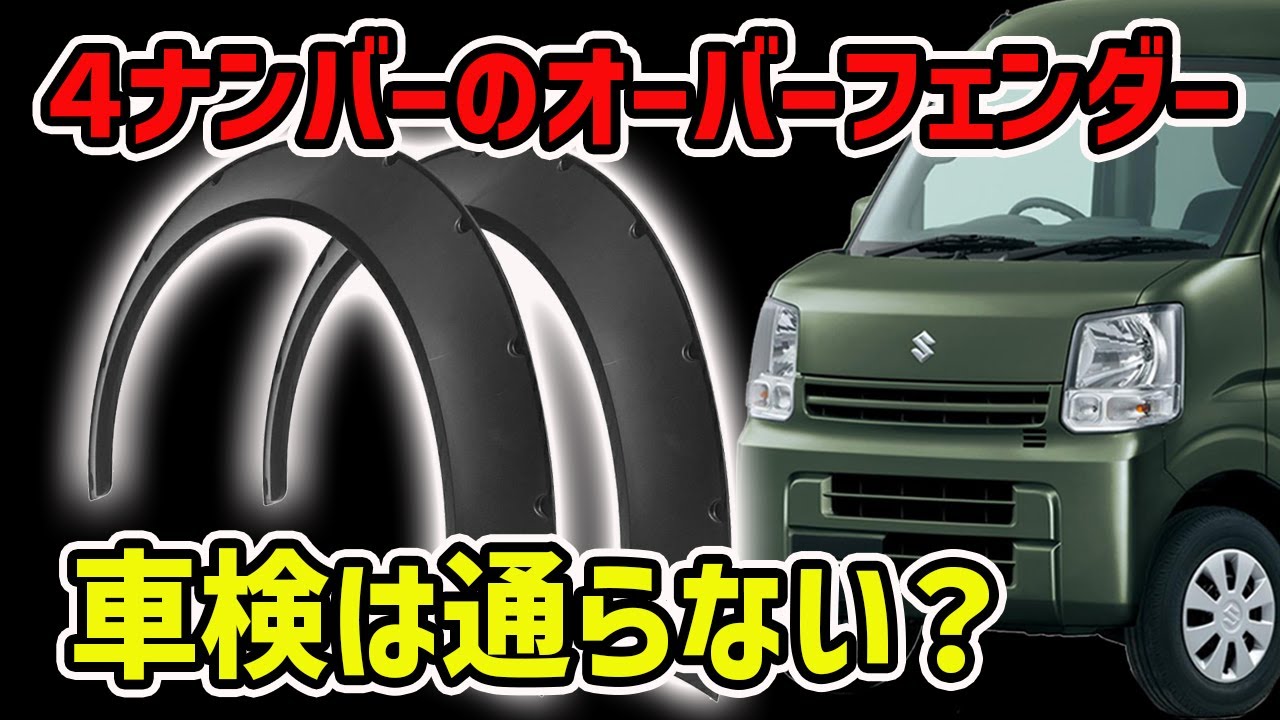
Transitioning beyond the 1,480 mm limit transforms a lightweight commuter into an official white-plate vehicle. Going through Structural change registration (Kozo Henko) moves the car out of the Kei class and pushes it into the Compact car class classification (registered as an ordinary 5-number passenger car). The vehicle retains its 660cc engine, but forfeits every institutional discount attached to its original registration.
| Registration Parameter | Kei-Class Standard (Yellow Plate) | Post-Overfender Reclassification (White Plate 5-Number) |
|---|---|---|
| Maximum Legal Width | Strictly 1,480 mm | Up to 1,695 mm (Compact 5-Number limit) |
| Annual Automobile Tax | ¥10,800 fixed standard rate | ¥25,000, ¥29,500 (Base sub-1.0L passenger car tier) |
| Garage Certification (Shako Shomei) | Exempt in many rural/suburban municipalities | Mandatory police garage verification before registration |
| Inspection Venue | Light Motor Vehicle Inspection Organization | MLIT National Transport Branch Offices (Unyukyoku) |
| Mandatory Rear Plate Seal | None (Yellow plates attach with simple bolts) | Tamper-proof aluminum official seal (Fuin) installed by inspector |
Reclassification changes the entire financial profile of the car. Owners who convert their modified rides suddenly face standard automobile tax brackets, which are nearly triple the flat Kei rate. In major metropolitan zones like Tokyo, Osaka, and Kanagawa, a White plate conversion triggers the requirement for an official police garage verification document (Shako Shōmeisho). For enthusiasts living in suburban apartments or multi-car residences where Kei vehicles previously skirted parking documentation, structural reclassification can create an administrative nightmare.
The Sub-9mm Workaround: How Aftermarket Tuners Beat the System
To avoid tax hikes, automotive design shops developed a subtle counter-strategy: micro-overfenders. Brands like Spiegel, through specialized styling arms like fusion FROM SPIEGEL, engineer body trim that pushes the car right to the edge of the regulatory line without crossing it.
Rather than adopting the wide-flared arches seen on competition rally cars, these kits use slim fender strips that extend the wheel arch profile by 8 mm to 9 mm per side. Because the aggregate vehicle width expansion totals less than 18 mm, the modified body remains below the maximum 20 mm accessory variance threshold. Crucially, as long as the base vehicle’s factory width sits slightly shy of the 1,480 mm statutory ceiling, these narrow arch trims remain compliant with yellow-plate inspection rules.
Attachment methods play a key role in legal compliance. Under MLIT inspection manuals, accessories secured using industrial double-sided structural foam tape or designated factory-style mounting clips are categorized as non-structural exterior parts. They can pass regular inspection lanes without requiring official dimensional changes on the vehicle's title. If an owner secures those exact same 9 mm flares using exposed metal pop-rivets or sheet-metal screws, certain conservative inspection centers interpret them as permanent alterations. This triggers a mandatory dimensional remeasurement and risks class reclassification.
Financial Pitfalls: The Real Cost of Extreme Stance
Enthusiasts building radical widebody street machines must plan beyond the initial price of fiberglass aero kits. Sourcing an aftermarket aero kit often costs between ¥120,000 and ¥280,000, but body prep, professional trimming of the underlying factory fender sheet metal, rust prevention, paint blending, and custom wheel fitment push the total build cost past ¥600,000.
The structural reclassification path carries its own hidden fees. Taking an over-width Kei to an MLIT branch for structural change inspection costs approximately ¥30,000 to ¥60,000 in administrative fees, revised weight tax installments, and fresh license plate stampings. Once certified as a white-plate car, its domestic resale liquidity drops sharply. Mainstream Japanese used-car dealerships rarely purchase 660cc compact cars that carry the tax burdens of a 1.5-liter Toyota Yaris without matching engine power. The prospective buyer pool shrinks down to a small, niche enthusiast community.
Frequently Asked Questions (FAQ)
Can I install overfenders on a Kei car and keep my yellow license plate?
Yes, but with strict engineering constraints. The exterior flares must not increase the car's total vehicle width beyond the 1,480 mm ceiling, and the extensions must stay under 20 mm total (less than 10 mm per side). Tuners typically use 8 mm or 9 mm fender trims secured with high-grade adhesive tape or clips rather than permanent rivets to ensure compliance with yellow-plate regulations.
What is Japan's 10mm tire protrusion rule, and does it allow wide wheels?
Under Japan's updated Safety Regulations for Road Vehicles, up to 10 mm of tire sidewall and tread-adjacent rubber may extend past the fender line within an arc 30 degrees forward and 50 degrees rearward of the vertical wheel center. However, this exception applies solely to tire rubber. If any portion of the aluminum wheel rim, lip, or center cap extends past the fender, the car fails Shaken inspection instantly.
How much does annual ownership cost increase if a Kei car is converted to a white plate?
Direct annual road tax rises from the standard Kei rate of ¥10,800 to ¥25,000, ¥29,500 for compact passenger vehicles under 1,000cc. Weight taxes increase during biannual renewals, and owners must comply with full police-issued parking space certification, adding procedural friction and recurring costs.
Navigating the Margins of Micro-Car Culture
The tension between factory dimensions and modified street builds defines the modern Japanese Kei car scene. As visual culture takes inspiration from WRC competition machines like Daihatsu’s widebody Copen and muscular electric show cars, owners continue pushing the limits of their platforms. Yet Japan's inspection testing bays continue to operate by millimeter tolerances. Enthusiasts who treat aerodynamic modifications casually risk turning cheap, nimble city commuters into costly administrative burdens. Winning the stance game in Japan demands clean aesthetic execution, and an exact understanding of where the tape measure falls.
