Frozen vs. Melted: We Tested 5 Misuzu Ame Preparation Methods to Find the Ultimate Texture
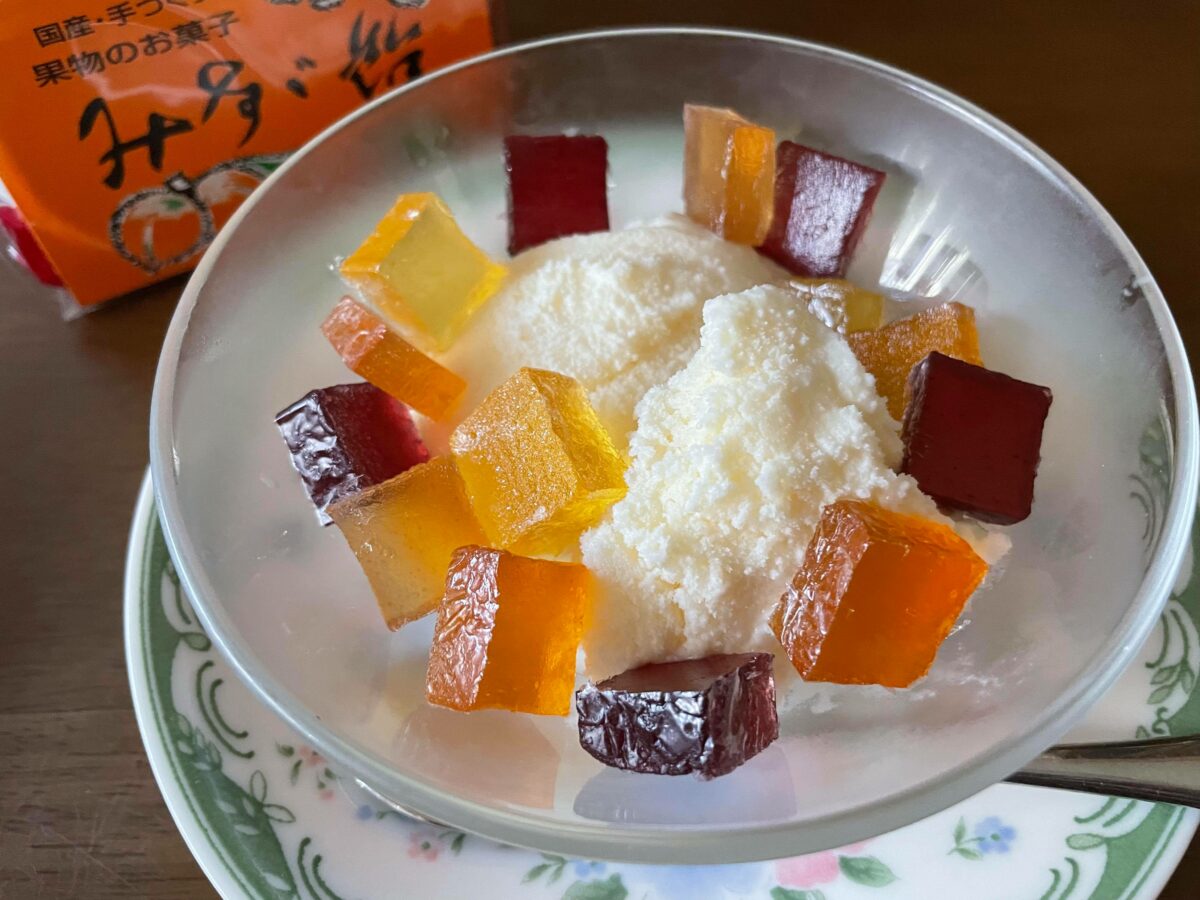
Nagano’s most storied confectionery is undergoing an unexpected culinary reinvention. For more than a century, Misuzu Ame, the iconic square-cut fruit jelly produced by Iijima Shoten in Ueda City, has held court as the gold standard of Shinshu souvenir confections. Most recipients unwrap the cellophane, pop the starch-dusted cube into their mouth at room temperature, and chew through its dense, amber core without a second thought. That routine is changing.
A wave of modern home experiments has upended how sweets enthusiasts approach this classic wagashi. By subjecting the candy’s century-old agar-and-fruit matrix to extreme cold, controlled microwave heat, and savory pairings, culinary testers have discovered that this humble jelly candy behaves less like a mass-market gummy and more like an adaptable luxury dessert component.
📌 Quick Summary:
- The Cold Breakthrough: Freezing Misuzu Ame at -18°C yields a dense, non-shattering chew reminiscent of premium gelato, keeping its transparent oblaat paper crisp rather than sticky.
- The Heat Threshold: A brief 12-second microwave burst at 600W liquefies the kanten base into an intense fruit glaze suited for dairy pairings.
- Flavor Profiles: High-pectin varieties like apricot and bitter-sweet Sanbo citrus cut effortlessly through high-fat spreads, making cream cheese the standout companion.
The Nagano Heritage Behind Iijima Shoten’s Century-Old Agar Jelly
To understand why Misuzu Ame responds so dramatically to temperature hacks, look directly at how it is made. Iijima Shoten has manufactured these candies in Ueda, Nagano, since 1912, relying on an unchanged foundation of domestic fruit purées, Japanese agar (kanten), starch syrup (mizuame), and granulated sugar. Commercial mass-market gummies rely heavily on animal-derived gelatin. Misuzu Ame relies entirely on botanical gelling agents boiled down in copper kettles.
The fruit selection avoids synthetic flavor drops or artificial coloring. The brand’s lineup highlights six traditional varieties: Shinshu apricot, Japanese plum (ume), Sanbo citrus (sanbokan), grape, peach, and apple. The fruit pulp remains suspended in an extraordinarily concentrated sugar syrup, which gives the confection an initial firmness that yields into a smooth, clean bite.
Then comes the outer layer: edible oblaat wafer paper. Derived from potato starch, this paper-thin translucent film wraps every single candy before it goes into the exterior wrapper. It prevents the moisture-rich agar block from sticking to your fingers or its outer wrapper. Many first-time foreign buyers mistake the oblaat for plastic packaging and attempt to peel it off. You eat it whole. The starch dissolves on contact with saliva within 1.5 seconds, releasing the sweet core without leaving any textural residue.
The Sub-Zero Experiment: What Freezing Does to Agar Jelly Candy
Can you freeze Misuzu Ame? The short answer is yes, and it produces arguably the single best texture the candy can offer.
When placed in a home freezer at -18°C for 3 to 4 hours, Misuzu Ame does not freeze into an unyielding ice cube. The high concentration of sugar and mizuame acts as a natural antifreeze, depressing the freezing point of the residual water trapped inside the agar matrix. Instead of forming sharp ice crystals that shred the confection's delicate interior, the cold tightens the polysaccharide bonds.
Biting into a frozen piece yields a firm, resistance-heavy resistance followed by a slow, chewy release similar to chilled nougat or Turkish lokum. The cold tempers the confection's initial hit of sweetness, allowing the natural fruit acidity, particularly evident in the Shinshu apricot and tart plum flavors, to hit the palate before the sugar takes over. An added bonus: the frozen oblaat paper becomes delightfully crisp, offering a momentary paper-dry crunch before melting away.
Heat, Liquefaction, and the Microwave Melting Test
At the opposite end of the thermal spectrum lies heat manipulation. Agar-agar possesses a high melting threshold compared to gelatin, typically remaining stable until it hits roughly 85°C. That chemical property makes a controlled microwave melting test both fascinating and risky.
Place two unwrapped cubes (oblaat intact) in a heatproof ceramic dish. Microwave them at 600W for precisely 10 to 12 seconds. Watch them through the door; as soon as the edges dome outward and begin to bubble, remove the dish immediately. Overcooking by even three seconds will scorch the concentrated fruit sugars, producing a bitter caramel off-note.
When pulled at the correct second, the cubes collapse into a luminous, thick fruit reduction. The starch oblaat melts invisibly into the syrup, acting as a minor thickening agent. This glossy sauce can be drizzled immediately over unsweetened plain yogurt, vanilla bean ice cream, or toasted milk bread. The concentrated Sanbo citrus syrup delivers an intensely aromatic, bitter-orange kick that rivals imported French fruit coulis.
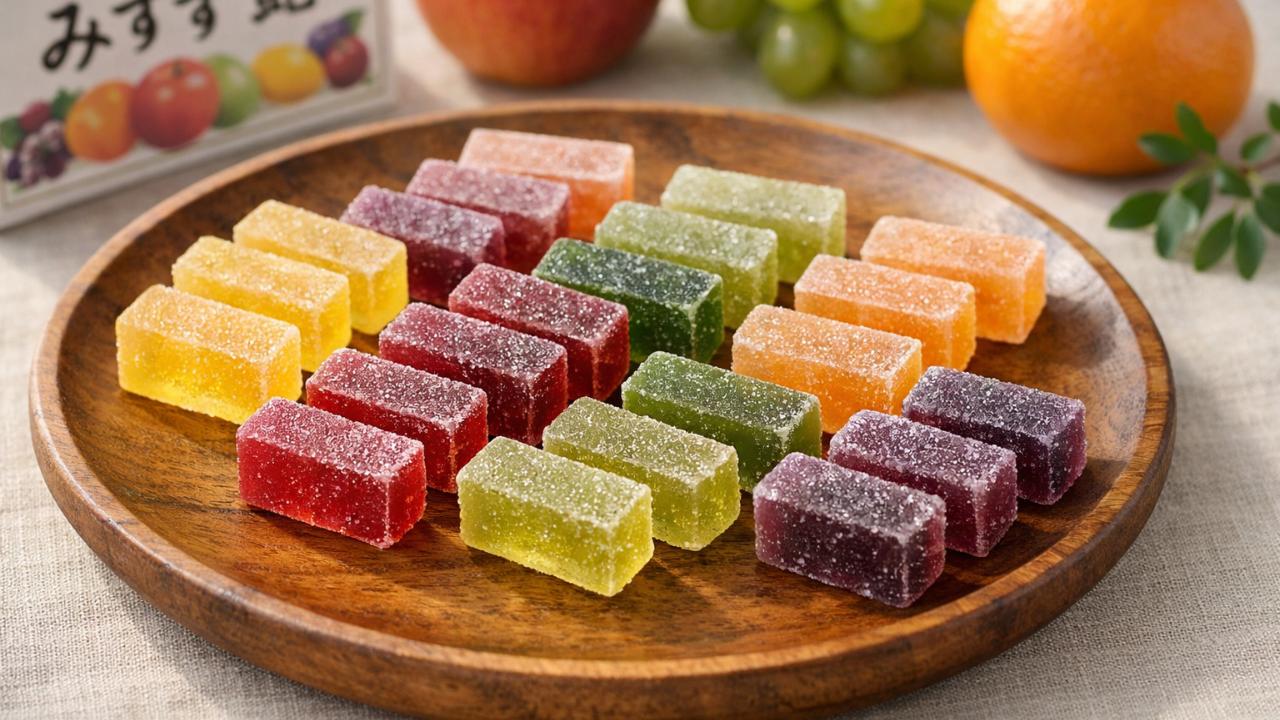
Texture Benchmarks: 5 Preparation Methods Compared
We systematically tested five distinct serving methods using authentic boxes sourced from Iijima Shoten, evaluating them for mouthfeel, flavor clarity, and execution difficulty.
| Preparation Method | Prep Time & Temperature | Texture Profile | Optimal Flavor Match |
|---|---|---|---|
| Classic Room Temp | Instant (20°C, 22°C) | Soft initial give, traditional agar snap | Shinshu Peach, Grape |
| Deep Freeze Hack | 3, 4 hours (-18°C) | Ultra-dense, chewy, zero crystal crunch | Shinshu Apricot, Plum (Ume) |
| Microwave Melt | 10, 12 sec (600W) | Glossy, pourable artisanal coulis | Sanbo Citrus, Apple |
| Chilled Water Bath | 20 min in ice water | Crisp surface snap with a tender center | Shinshu Apple, Grape |
| Dairy & Cheese Fusion | Instant assemble | Rich, creamy fat against elastic fruit chew | Apricot, Sanbo Citrus |
Savory Contrast: Pairing Shinshu Fruit Flavors with Dairy and Spirits
Traditional Japanese tea etiquette treats Misuzu Ame as a classic wagashi pairing for astringent green teas. The robust sweetness cleanses the palate after a sip of bitter matcha or high-grade sencha. Yet one of the most compelling gastronomic discoveries in recent years pairs this confection with high-fat, savory dairy.
Try slicing a room-temperature apricot or Sanbo citrus Misuzu Ame into thin strips using a warm chef's knife. Lay those slices across a slab of salted, full-fat cream cheese or fresh mascarpone resting on an unflavored water cracker. The lactic acidity and heavy butterfat of the dairy instantly tame the high sugar profile of the candy. In return, the real fruit purée cuts through the richness, creating a mock cheesecake bite that rivals high-end canapés.
For beverage enthusiasts, this opens unexpected avenues. While hojicha (roasted green tea) remains the safest pairing, a piece of frozen plum Misuzu Ame paired alongside a glass of peaty Islay Scotch or a bone-dry Junmai sake creates a startlingly sophisticated balance between smoke, mineral salinity, and deep orchard fruit.
Shelf Life, Oblaat Integrity, and Preservation Standards
Because Misuzu Ame is made using sterile sugar-reduction techniques, it boasts an exceptional shelf life for an artisanal confection containing no synthetic preservatives. Standard unopened boxes maintain peak quality for approximately 6 months from production when kept at cool room temperature away from direct sunlight.
Storage issues typically arise after opening. Storing the candies in high-humidity kitchen environments can prematurely melt the edible oblaat paper, leaving the candies sticky and fused inside their individual wrappers. If your kitchen routinely climbs above 25°C during summer months, place the candies inside an airtight glass container containing a silica desiccant pack.
Avoid leaving candies loose in the refrigerator for extended periods without a sealed container. While chilling is enjoyable for short periods, unsealed refrigeration causes the kanten to slowly weep water through syneresis over 3 to 4 weeks, which crystalizes the exterior sugar and degrades the candy's signature transparency.
Frequently Asked Questions (FAQ)
Q1: Do I need to peel off the clear film wrapping each Misuzu Ame cube?
A1: No. That clear inner layer is edible oblaat paper made from pure potato starch. It is completely food-safe and engineered to dissolve in your mouth within seconds. Only remove the outer plastic or foil wrapper.
Q2: Does freezing Misuzu Ame ruin its texture after it thaws?
A2: Unlike gelatin sweets, agar-agar retains its structural stability through freezing cycles. If a frozen Misuzu Ame returns to room temperature, it resumes its original tender chew without turning watery or mushy, provided it stays sealed in its wrapper.
Q3: How many calories are in a standard piece of Misuzu Ame?
A3: A single piece of Misuzu Ame weighs roughly 13 to 15 grams and contains approximately 45 to 50 calories, derived almost exclusively from natural fruit carbohydrates, mizuame, and sugar, with zero dietary fat.
Rethinking Heritage Confections for Modern Palates
Misuzu Ame has survived over a century not by chasing transient snack trends, but by clinging stubbornly to pure ingredients: domestic orchards, mountain kanten, and copper-pan reductions. Treating it merely as a static souvenir from Nagano overlooks its technical brilliance.
Whether you toss a handful into the freezer for a hot summer afternoon, melt a cube over fresh dairy, or stack it beside salted cream cheese on an evening grazing board, these simple adjustments celebrate the confection's agricultural roots while delivering an entirely modern dessert experience.
