Higashi-Jujo Food Surge: How Tonpachi's Stamina Bowl Went Viral in 2025

Step outside the south exit of Higashi-Jujo Station around dusk, and the sharp bite of scorched garlic hits the air before the shopfront even comes into view. Down an unassuming residential lane in Tokyo’s northern Kita Ward sits Tonpachi, an eight-seat counter joint whose signature dish, karashiyaki, has spent decades fueling neighborhood factory hands, local salarymen, and off-duty cabbies. As spotlighted in a widely circulated Yahoo!ニュース Report, this humble Showa-era eatery has transformed into an unexpected viral magnet, drawing diners from across the metropolitan corridor eager to taste Tokyo's most potent stamina teishoku.
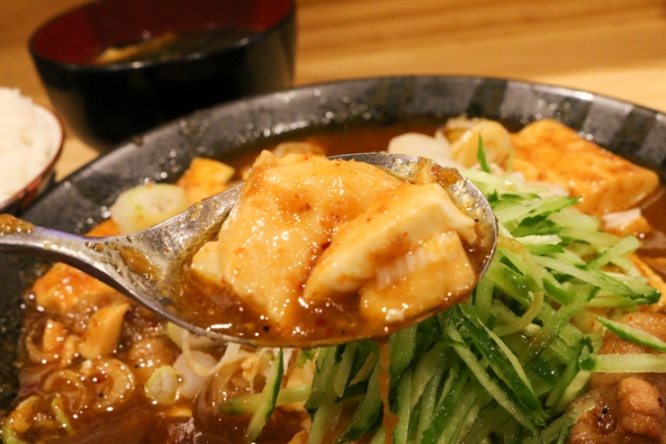
What looks at first glance like a chaotic spicy pork stir-fry is actually an exacting, decades-old culinary balance. Thinly shaved pork, soft cubes of tofu, an unapologetic volume of crushed raw garlic, and dried red peppers simmer in a concentrated soy broth, topped with an icy mound of julienned raw cucumber. The intense visual contrast and heavy fragrance turned the dish into an algorithmic favorite on food feeds throughout late 2025, sparking hour-long sidewalk queues along the quiet streets of Higashi-Jujo.
📌 Key Takeaways:
- The Phenomenon: Tonpachi, the birthplace of Kita Ward soul food karashiyaki, experienced an unprecedented surge in domestic and international foot traffic heading into 2026.
- The Flavor Profile: Despite the name ("karashi" typically means mustard), the dish contains zero mustard, relying instead on heavy red chili peppers, fresh garlic puree, and sweet soy glaze offset by cold cucumbers.
- Visitor Realities: Expect strict counter rules, limited seating, cash-only transactions, and average queue times between 45 and 75 minutes during peak dinner operations.
The Blue-Collar Alchemy Behind Kita Ward's Signature Dish
The dish traces back to the mid-1960s, an era when Higashi-Jujo stood as a working-class industrial hub packed with small machining plants, paper mills, and rail transfer depots. Factory workers finishing grueling ten-hour shifts demanded inexpensive, nutrient-dense meals that could replenish lost sodium and encourage massive rice consumption. The founding chef at Tonpachi addressed that demand by concocting a proprietary sweet-and-savory soy base loaded with garlic paste and dried togarashi peppers.
The name often baffles first-time visitors. In standard Japanese culinary parlance, karashi denotes hot yellow mustard. At Tonpachi, the term is shorthand for karai (spicy), referencing the crimson blanket of ground chili flakes tossed into the skillet during the final thirty seconds of cooking. It became the definitive benchmark for B-grade gourmet Tokyo dining: low price, unpretentious ingredients, and maximum punch. Over the years, other diners across Kita Ward attempted their own riffs, but Tonpachi retained the undisputed crown as the originator, preserving a cooking technique that remains virtually untouched today.
Anatomy of Karashiyaki: Garlic, Pork, Tofu, and Crisp Cucumbers
The cooking process unfolds in full view of the counter, operating with theatrical efficiency. The chef drops thin-cut pork belly and tender loin cuts into a heavy, seasoned shallow pan, scorching the meat over high-heat gas rings. Then comes the foundational seasoning: a ladle of dark, sweetened soy tare followed by an eyebrow-raising scoop of freshly pounded garlic that immediately releases an eye-watering plume of steam across the counter.
Next, rectangular slabs of firm momen tofu slide into the bubbling pan, absorbing the dark sauce without breaking apart. Just before plating, handfuls of ground togarashi chili and coarse black pepper coat the stew. The contents dump directly into a wide, shallow ceramic dish, finished with an enormous heap of thinly shredded raw cucumber and sliced scallions.
The cold cucumbers prevent palate fatigue. Taking a piping-hot slice of chili-infused pork wrapped around a chilled cucumber sliver delivers an immediate thermal and textural collision. The cooling vegetable cuts straight through the heavy animal fat and pungent garlic, clearing the tongue before the next bite. Most patrons order the meal as a stamina teishoku, which pairs the skillet with a massive bowl of white rice, a bowl of light miso soup, and pickled daikon.
From Neighborhood Fixture to Algorithm Sensation: The Timeline
For nearly fifty years, Tonpachi survived primarily on word-of-mouth recommendations, mentions in niche Showa-era food zines, and appearances on late-night Tokyo television specials. The sharp pivot toward viral status took shape between early 2024 and mid-2025, driven by social media platforms highlighting tucked-away Japanese comfort food away from standard tourist enclaves like Shinjuku and Shibuya.
| Era | Core Demographic | Average Wait Time | Operational Profile |
|---|---|---|---|
| Classic Showa Era (1970, 1995) | Local factory laborers, rail yard mechanics | 0, 10 minutes | Walk-in counter dining, high alcohol-pairing volume |
| Heisei Transition (1996, 2020) | Neighborhood regulars, retro food enthusiasts | 15, 25 minutes | Steady dinner trade, local word-of-mouth fame |
| Viral Era (2024, 2026) | Young food creators, travelers, teishoku purists | 45, 80 minutes | Strict batch ordering, early sellouts, high tea turnover |
The turning point emerged when younger food reviewers began championing Tonpachi as an antidote to heavily curated dining trends. Here was a restaurant unbothered by modern aesthetics, serving unapologetic portions coated in grease and fire. The shop’s signature non-alcoholic pairing, washing down garlic pork with tall glasses of iced oolong tea, became an organic online talking point among solo diners looking for substantial evening meals without entering izakaya drinking cultures.
Ordering Etiquette and Counter Dynamics at Tonpachi
Navigating a dinner shift at Tonpachi requires adherence to unwritten counter conventions. Seating caps at roughly eight stools arranged directly along the narrow cooking line. Because space is tight, lingering over empty plates disrupts service.
The primary decision lies between the standard Karashiyaki or the Karashi Teishoku set meal. Opting for the set meal is almost mandatory; the intense garlic-soy reduction is meant to be eaten over steamed rice. Patrons who prefer additional protein can order the nikumasu (extra pork) or add a raw egg to soften the heat.
Payment remains strictly cash-only. Visitors must keep small denominations ready, as the shop operates without ticket machines or credit card terminals. While the owner appreciates enthusiastic appetites, filming entire meals on hand-held rigs or hovering around working burners is discouraged. Quick snapshots of the finished dish are standard practice, but phone displays should be pocketed once chopsticks hit the bowl.
Navigating the Jujo Dining Corridor Beyond the Main Queue
While Tonpachi commands the spotlight, the broader Jujo and Higashi-Jujo neighborhood houses one of Tokyo's most intact shitamachi food ecosystems. Walking west toward Jujo Station leads straight into the Jujo Ginza shopping street, an arcade loaded with family-run butchers selling deep-fried croquettes, yakitori stands, and old-school sweets shops.
For visitors caught behind a 30-person line at Tonpachi, several nearby spots serve local variations of karashiyaki. Establishments such as Minoriya and other Showa-era tachinomi (standing bars) across Kita Ward offer their own interpretations, some adjusting the sauce toward a sweeter profile or trading raw cucumber for stir-fried cabbage. Exploring these secondary spots provides valuable context: karashiyaki is not simply a one-off viral trick, but an authentic regional food culture indigenous to this single pocket of northern Tokyo.
Frequently Asked Questions (FAQ)
Q1: What are the current operating hours and best times to visit Tonpachi?
Tonpachi operates primarily during dinner service, opening at 5:00 PM and closing around 9:30 PM (or whenever the day's pork and prep run out). The shop is typically closed on Thursdays. Arriving around 4:20 PM, forty minutes before the evening opening, gives diners the highest probability of snagging a stool in the first seating rotation.
Q2: Is karashiyaki extremely spicy by global standards?
No. While seasoned generously with togarashi chili and black pepper, the heat level sits at a medium kick, similar to a mildly spicy mapo tofu. The savory soy base, pork fat, and raw cucumber balance the burn. The real intensity comes from the heavy raw garlic rather than pure chili heat.
Q3: How do I access Tonpachi using public transit?
Take the JR Keihin-Tohoku Line directly to Higashi-Jujo Station. Take the South Exit, turn right, and walk down the commercial slope toward the residential blocks. The shop sits roughly a three-to-five-minute walk from the ticket gate.
The Staying Power of Tokyo's Working-Class Tables
The ongoing fascination with Tonpachi reveals an enduring craving for unvarnished, high-calorie neighborhood dining in an increasingly manicured metropolis. While modern culinary trends favor clean presentation and subtle seasoning, the sheer kinetic energy of garlic sputtering in hot soy sauce pulls people across the city. Higashi-Jujo’s signature skillet proves that as long as cooks keep frying pork with purpose, honest neighborhood comfort food will always hold the line.
