How Japan's Summer Veggie Glut and Food Waste Day Spurred the Pickle Boom
Supermarket shelves across Tokyo tell an unexpected story about modern Japanese thrifty cooking. Over the past two years, soaring production and logistics costs drove retail prices for packaged pickles sharply upward, turning what was once a cheap dining table staple into an expensive convenience. Simultaneously, record-breaking summer heat waves created sudden agricultural gluts, leaving domestic growers with overflowing crates of cucumbers that wholesale markets struggled to absorb. Caught between elevated grocery bills and dirt-cheap farm stand surplus, urban households discovered an old-school culinary survival mechanism right on their kitchen counters.
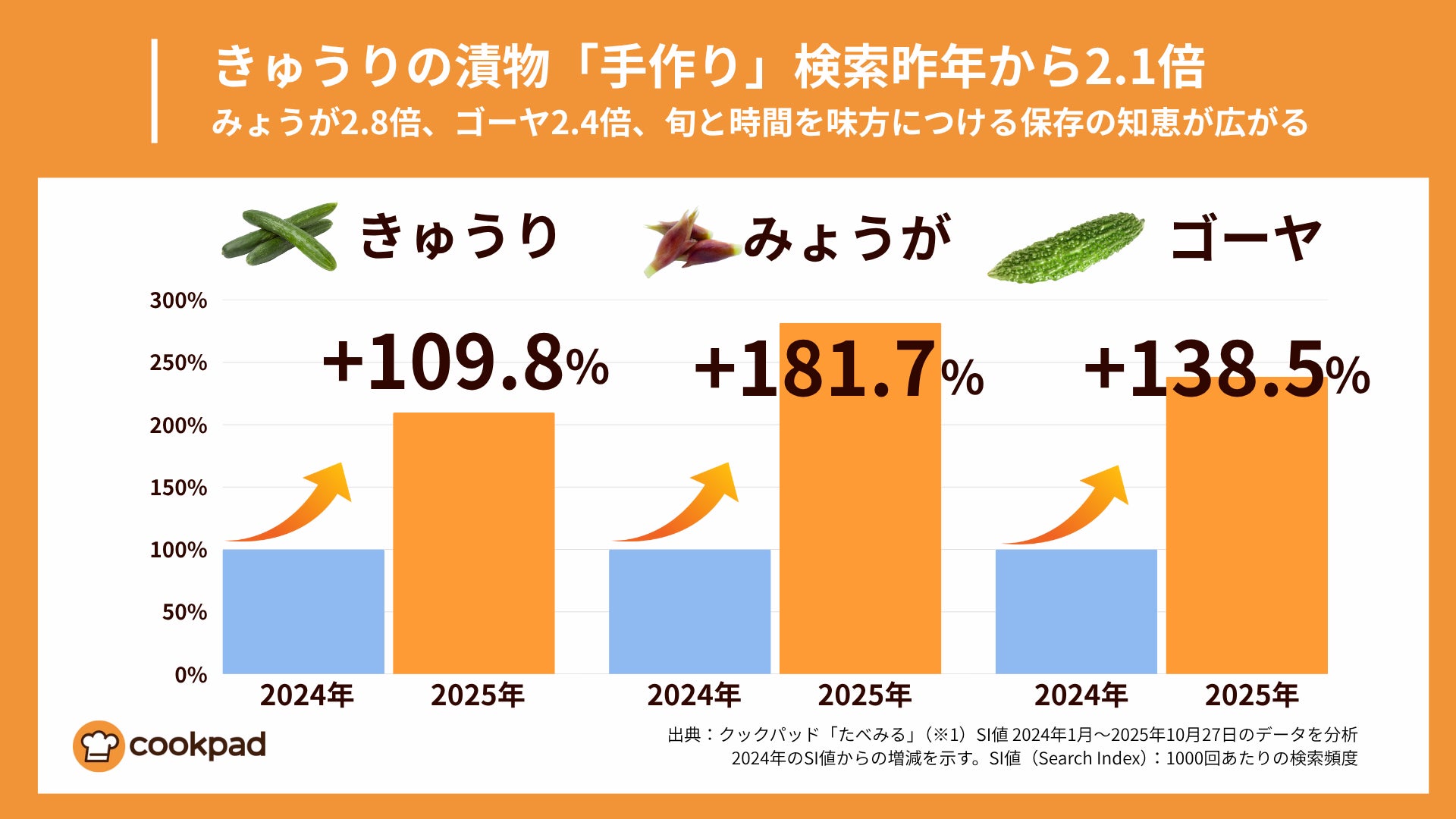
The turning point arrived when home cooks bypassed commercial processing entirely. According to a landmark study detailed in a PR TIMES Report published by recipe giant Cookpad to mark Japan's national Food Loss Reduction Day, searches for cucumber pickle formulations spiked 2.1-fold year-over-year. Instead of buying factory-sealed pouches, millions began brewing their own brines. What emerged from this confluence of farm surplus and kitchen economics is a renewed obsession with karashizuke, the fiery, nose-tingling preserve powered by Japanese hot mustard that has redefined quick home pickling.
📌 Key Takeaways:
- Inflation Shock: Double-digit price hikes on pre-packaged commercial pickles pushed urban households toward DIY batch preservation.
- Harvest Surpluses: Severe summer heat waves triggered localized produce gluts, driving cucumber prices down while elevating food waste awareness.
- The Karashi Shift: Home cooks embraced quick-cure cucumber pickling using hot mustard and soy sauce to extend shelf life without specialized fermentation crocks.
The Kitchen Economics Behind the Homemade Tsukemono Boom
Retail food prices in Japan climbed steadily between 2024 and 2026, hitting packaged condiments and prepared side dishes disproportionately hard. Commercial processors faced escalating glass, plastic packaging, and diesel transport expenses, which they passed directly to consumers. A small 150-gram pouch of store-bought pickles that once retailed for ¥198 frequently eclipsed ¥298. For households accustomed to serving tsukemono with every bowl of rice, the expense accumulated rapidly.
Summer brought a strange economic contradiction. Extreme daytime temperatures accelerated vegetable growth cycles across agricultural belts in Fukushima, Gunma, and Iwate prefectures. Supermarkets ran loss-leader sales selling bundles of five plump cucumbers for under ¥150, while roadside farm stands practically gave away misshapen specimens. The sheer volume overwhelmed home crisper drawers.
Faced with cucumbers turning to mush within days, home cooks mobilized around food waste reduction cooking. Preserving produce at home transformed from a quaint rural craft into an immediate money-saving tactic. Making homemade tsukemono requires zero specialized fermentation equipment. A heavy-duty zip-top bag, standard kitchen salt, and common pantry liquids allow anyone to stabilize three pounds of fresh produce within twenty minutes.
The Pungent Chemistry of Karashizuke
Among traditional curing styles, karashizuke emerged as the standout favorite across social platforms. These Japanese mustard pickles rely on karashi, the intensely pungent yellow paste or powder milled from Brassica juncea seeds. Unlike European table mustards mellowed with vinegar and sugar, Japanese hot mustard delivers an unfiltered sinus sting comparable to freshly grated wasabi.
The culinary brilliance of a classic karashizuke recipe lies in cellular preservation. Standard salt-cured cucumbers often collapse into limp, waterlogged ribbons if left in brine too long. Mustard changes that equation completely. The active compound sinigrin, once hydrolyzed into allyl isothiocyanate by room-temperature water, works in tandem with high-proof alcohol or neutral spirits often added to the cure. This inhibits unwanted bacterial spoilage while keeping vegetable cell walls rigid.
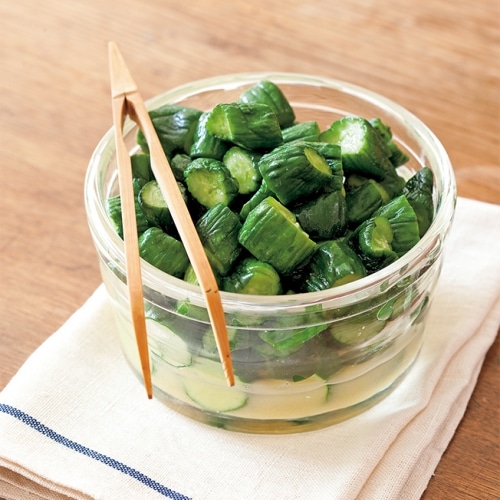
The standard soy sauce and mustard brine blends four basic elements: dark soy sauce, sugar, granulated salt, and powdered karashi. When rubbed vigorously into sliced cucumbers, the mixture draws out free moisture through osmotic pressure while infusing the crisp interior with salty, sweet, and sinus-clearing heat. The vegetable retains its bite. It produces a crisp fermented vegetable profile in appearance and crunch, yet functions as a fast-acting cure that reaches peak flavor inside a refrigerator in just six to twelve hours.
Viral Media and the Rise of "Infinite Cucumber" Culture
Celebrity chefs and lifestyle creators recognized the cultural shift early and catalyzed the trend with accessible, high-yield formats. Masahiro Kasahara, owner of the renowned Tokyo restaurant Sanpi Ryoron, uploaded a dedicated guide to preparing what he coined "infinite cucumber" pickles. His video swiftly accumulated more than 450,000 views on YouTube, proving that even a three-decade professional culinary career could find fresh relevance in humble side dishes.
Kasahara’s technique eliminated the intimidating steps often associated with classic pickling. He demonstrated that rough-smashing whole cucumbers with a rolling pin ruptures the skin, creating micro-fissures that absorb seasonings three times faster than neat knife slices. Home cooks flooded the comments with accounts of transforming garden surpluses into week-long meal preps in under ten minutes.
Other culinary figures rapidly followed suit. Food researcher Yukari broke down the mechanics of replicating nostalgic, sweet-savory *Kyu-chan* style pickles at home, giving cooks a roadmap for processing kilograms of produce at once. Meanwhile, domestic lifestyle outlets like HuffPost Japan highlighted how versatile quick refrigerator pickles fit into modern meal-prep routines, positioning spicy cucumber tsukemono as an indispensable player in the national catalog of make-ahead Japanese side dishes (tsukurioki).
Factual Record: How Household Preservation Shifted (2024, 2026)
The transition from store-bought conveniences to small-batch home pickling reflects broader macroeconomic pressures and evolving kitchen behavior across metropolitan Japan.
| Metric & Indicator | Baseline Period (2024) | Inflation Peak (2025) | Current Landscape (2026) |
|---|---|---|---|
| Cookpad Recipe Query Growth | Baseline reference level | +110% YoY surge (2.1x) | Sustained elevated volume |
| Average Packaged Tsukemono Price | ¥180, ¥210 per pack | ¥240, ¥280 per pack | ¥290, ¥340 per pack |
| Average Wholesale Cucumber Price (Peak Summer) | ¥350, ¥420 per kg | ¥220, ¥290 per kg | ¥190, ¥260 per kg (Glut) |
| Primary Kitchen Motivation | Culinary hobby / tradition | Grocery inflation defense | Food loss reduction & meal prep |
Combating Produce Waste One Batch at a Time
Every summer, Japanese agricultural cooperatives face discarded yields due to minor aesthetic imperfections. Crooked or oversized cucumbers fail rigid retail sizing standards despite containing identical moisture, crunch, and nutritional content. When heat waves compress weeks of vegetable development into a few blistering days, farms frequently face unharvestable volumes.
Urban consumers stepped directly into this supply gap. Armed with summer cucumber glut recipes found across social media and mobile cooking apps, shoppers intentionally target discount bins and direct-sale farmer stalls. Pickling eliminates the narrow consumption window of fresh cucumbers, which spoil within three or four days at room temperature.
By immersing trimmed vegetables in an aggressive salt-and-mustard environment, cooks extend safe refrigerator storage up to two full weeks. This shift aligns directly with consumer behavior surrounding Food Loss Reduction Day, celebrated annually on October 30. The realization that household food waste often matches commercial food waste prompted families to view batch-curing as both an environmental contribution and an immediate buffer against grocery inflation.
Who Should Make Karashizuke (And Who Should Skip It)
Before jumping into homemade batch curing, cooks should weigh the practical trade-offs of mustard-cured preserves.
Ideal Profiles:
- Batch Cooks and Meal Preppers: Those who assemble weekly lunches will appreciate how mustard pickles maintain their snap over several days without weeping liquid into other dishes.
- Heat Enthusiasts: Anyone who enjoys the sharp, clearing sensation of wasabi or horseradish will find the profile far more refreshing than standard sweet pickling brines.
- Balcony Gardeners & CSA Subscribers: Gardeners who end up with eight cucumbers arriving simultaneously can stabilize an entire harvest in a single plastic bag within fifteen minutes.
Profiles That Should Proceed with Caution:
- Low-Sodium Diets: Traditional pickling requires substantial salt concentrations (typically 2% to 3.5% by vegetable weight) to draw out excess moisture and preserve texture. Those watching sodium intake should consider quick vinegar macerations instead.
- Young Children & Heat-Sensitive Diners: The pungency of karashi hits the nasal passage hard. Unlike chili peppers whose capsaicin lingers on the tongue, powdered mustard releases volatile gases that can overwhelm unaccustomed palates.
- Long-Term Pantry Storage Seekers: These are quick refrigerator pickles, not shelf-stable canned goods. They demand continuous refrigeration and consumption within ten to fourteen days.
Frequently Asked Questions (FAQ)
Q1: Can I substitute Western Dijon or yellow mustard for Japanese karashi?
A1: It is not recommended. Western prepared mustards contain high levels of vinegar, water, and aromatic herbs that alter the cure profile and soften vegetable flesh. Japanese karashi consists solely of hot mustard flour ground from Brassica juncea. If paste tubes are unavailable, reconstitute dry English mustard powder with lukewarm water ten minutes prior to use to activate the pungent enzymes.
Q2: How do I prevent my homemade pickles from turning soggy after two days?
A2: Texture depends entirely on the initial salt purge. Slice the cucumbers and toss them thoroughly with coarse salt, allowing them to rest for fifteen minutes. Squeeze out the expelled liquid with clean hands or a cheesecloth before introducing them into the soy sauce and mustard brine. Removing that free moisture protects the crisp snap of the vegetable walls.
Q3: How long do homemade mustard cucumber pickles last in the refrigerator?
A3: Kept in a sealed glass container or a clean airtight bag submerged in their brine, they remain at peak texture for seven to ten days. Beyond two weeks, the cucumber skin softens and the sharp mustard punch gradually dissipates into the liquid.
The Lasting Legacy of Japan's Home Pickling Resurgence
The surge in small-batch pickling reveals something fundamental about modern Japanese foodways. When inflation pressed household budgets and climate anomalies produced massive vegetable surpluses, cooks did not abandon traditional food culture. They modernized it. By stripping away the arcane rituals of clay crocks and month-long fermentations, home cooks made preservation fast, practical, and responsive to immediate kitchen realities.
The runaway popularity of karashizuke proves that ancient flavor foundations remain entirely suited to contemporary life. A handful of cucumbers, a dollop of pungent mustard, and a splash of soy sauce proved capable of solving two simultaneous challenges: rising grocery bills and mounting harvest waste. Long after supply chains normalize, the jar of spicy, crunchy tsukemono sitting on the refrigerator shelf will remain a permanent fixture of urban Japanese kitchens.
