How to Breed Villagers in Minecraft: The Complete Guide to Setup, Automation, and Infinite Trades
How to Breed Villagers in Minecraft: The Complete Guide to Setup, Automation, and Infinite Trades
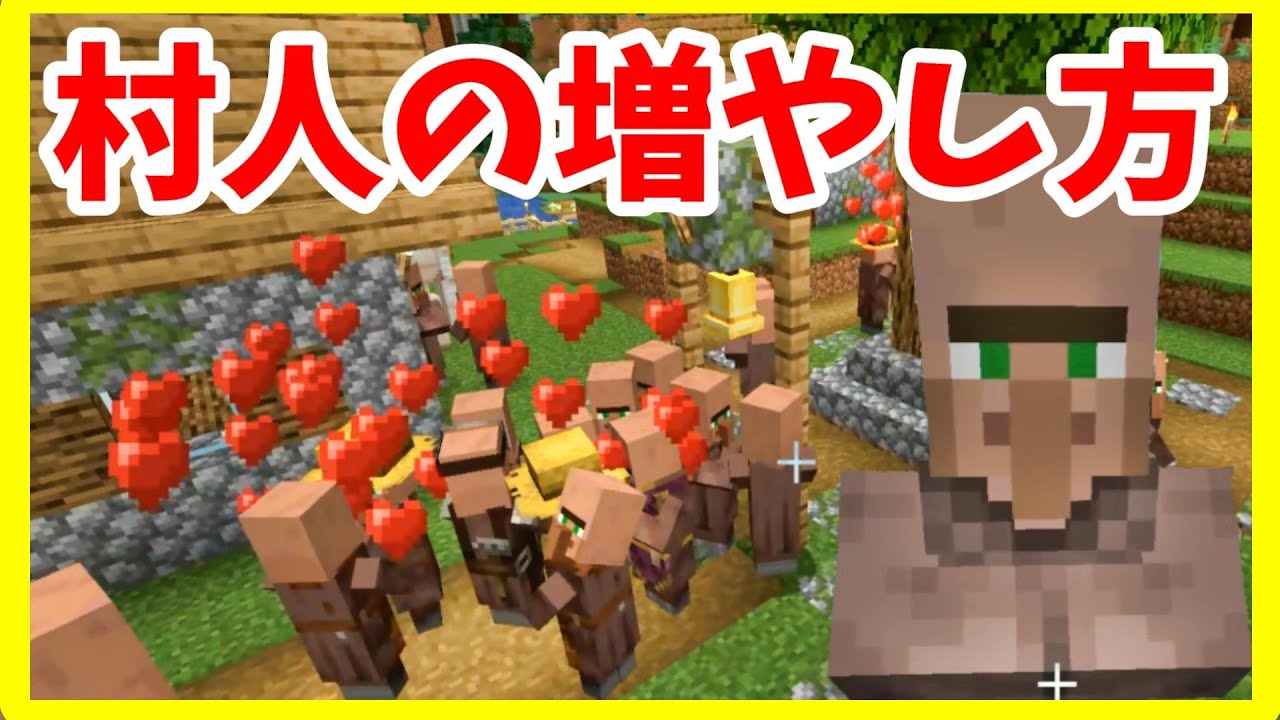
Building an efficient population pipeline remains one of the single most valuable technical hurdles in survival Minecraft. Whether the end goal is unlocking top-tier enchanted books, staffing a colossal iron farm, or organizing a trading hall, raw villager headcounts dictate overall progress. Technical creators and community architects have spent years refining automated setups, culminating in ultra-compact and aesthetic community builds such as the traditional Gassho-zukuri farm highlighted in a recent YouTube Report covering Japanese-style breeder engineering.
Yet beneath any cosmetic shell sits a strict system of hidden game rules. A single misaligned block, an obstructed pillow, or an unlinked bell can halt reproduction entirely, producing angry storm particles instead of newborn villagers. Getting the system right requires a clear grasp of willingness, bed claiming rules, inventory dynamics, and pathfinding limits.
📌 Quick Summary:
- The Direct Requirement: Villagers need unobstructed beds with two full air blocks above the mattress, plus sufficient surplus food in their inventories, before they can enter love mode.
- The Operational Bottleneck: Breeding failures typically stem from pathfinding interruptions, unclaimed target beds, or stray workstations that assign unwanted professions to the breeding pair.
- Long-Term Scalability: Moving offspring at least 32 blocks away from the breeding cell frees up claimed beds instantly, allowing a single pair to produce an endless stream of new villagers.
The Core Mechanics of Villager Willingness and Food Rations
Villagers will not enter love mode simply because two beds exist. They require surplus nutrition to raise their internal willingness counter. In survival gameplay, players must supply specific food thresholds to each partner. Every villager possesses an internal eight-slot inventory invisible to the player, which slowly fills as items are tossed directly to them or harvested from nearby farmland.
To spark breeding hearts, a villager must consume one of the following food quotas:
- 3 loaves of bread
- 12 carrots
- 12 potatoes
- 12 beetroots
Carrot and potato farming remains the undisputed standard for automated setups. Wheat farming introduces a severe mechanical complication: adult villagers craft wheat into bread, but excess seeds often clog their inventory slots. Once all eight inventory slots fill with seeds, the villager can no longer pick up food, permanently disabling their ability to breed until manually emptied. Carrots eliminate this risk completely because every harvested unit serves as an edible crop without producing secondary seed drops.
When two nearby adults possess the requisite food count and detect an excess bed within their boundary, hearts appear. If the mating sequence completes but yields thundercloud particles instead of a baby, the issue is environmental: the adults were willing, but they could not properly claim a valid bed for the impending child.
Bed Claiming Rules and Pathfinding Constraints
The bed claiming routine forms the absolute backbone of all breeder mechanics. For a pair of villagers to produce offspring, the game engine checks for the presence of surplus beds within a spherical detection zone around the village center. The fundamental rule is straightforward: the total count of valid beds must exceed the current count of linked villagers.
+-----------------------------------------------------------+
<- Requires 2 full
+-----------------------------------------------------------+ blocks of clear
headroom above!
+-----------------------------------------------------------+
+-----------------------------------------------------------+
Headroom restrictions cause the vast majority of broken breeder setups. The game requires at least two full blocks of clear air space directly above the surface of every mattress. If a solid block, low ceiling, lantern, or half-slab encroaches on this two-block vertical space, adults consider the bed invalid for a child. The logic is grounded in behavioral design: the game checks whether a baby villager can physically jump on the mattress without suffocating. If that path check fails, breeding aborts instantly.
Equally critical is pathfinding feasibility. Adults do not need to physically sleep in the surplus bed, but their pathfinding engine must register an uninterrupted route to it. Placing solid walls between the parents and the extra beds breaks the link in Java Edition unless open trapdoors fool their navigation pathing. In Bedrock Edition, linking works via proximity checks, but unlinked beds or broken village boundaries can trigger desynchronization just as quickly.
The Classic Trapdoor Breeder Setup
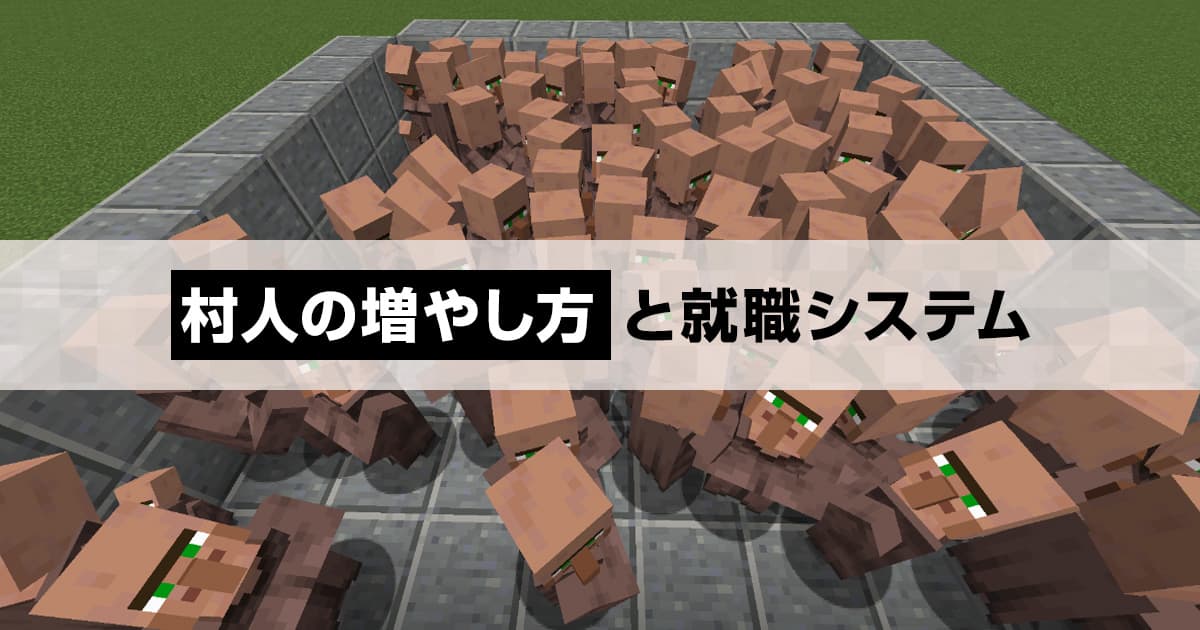
The most reliable, low-resource structure across survival worlds is the suspended trapdoor cell. This design confines two adults inside a compact footprint while utilizing open trapdoors to instantly drop newborn villagers into a holding pit or water collection canal.
| Breeder Architecture | Footprint & Materials | Output Rate & Manual Labor | Primary Failure Point |
|---|---|---|---|
| Manual Trapdoor Drop | Minimal (5x5 blocks); 3 beds, 2 trapdoors, fence post | Medium; requires manual food tossing every 5, 10 minutes | Baby links to adult bed; low ceiling clearance |
| Automated Farmer Feeder | Medium (11x11 farm plot); composter, light source, hoppers | Fully passive; 1 newborn every 5, 20 minutes automatically | Farmer picks up unwanted seeds; inventory clog |
| Cured Zombie Hub | Large (Variable); splash potions, golden apples, holding cells | High upfront cost; trades slashed down to 1 Emerald permanently | Normal difficulty failure (50% conversion chance causes despawn) |
To construct a baseline trapdoor breeder, suspend two villagers on a central block or fence post, enclosed by glass or smooth stone walls to keep them stationary. Mount three beds directly across a two-block drop-down channel, orienting the pillows toward the breeding pair. Line the edges of this drop-off with open wooden trapdoors.
Because the pathfinding AI interprets open trapdoors as solid, walkable blocks, baby villagers see the surplus bed across the gap and try to pathfind toward it. As they step forward, they slip through the gap and tumble into a water stream below. Swept away at least 32 blocks horizontally from the breeding cell, the baby exits the village radius and unlinks from the bed. The mattress instantly registers as unoccupied again, letting the parents produce another infant without requiring manual player resets.
Automating Crop Distribution with an Isolated Farmer
Feeding adults manually via stacks of carrots quickly grows tedious. Automating the supply line requires integrating an agricultural unit into the design. An automated farmer breeder employs an active crop field right beside the breeding cell, separated by a low barrier or directional hopper line.
Begin with a 9x9 tilled dirt plot centered around a single water source block, illuminated to a light level of 9 or higher across all tiles to allow nighttime crop growth. Drop a composter into the field to convert a captured villager into a professional farmer. Plant exclusively carrots or potatoes across the entire plot.
[9x9 Carrot Farmland]
│
(Farmer harvests)
▼
[Farmer throws surplus] ──► [Minecart Hopper / Trapdoor Gap] ──► [Breeding Pair]
As the farmer harvests mature crops, their internal inventory fills up. Once holding excess food, their AI triggers a sharing routine to toss surpluses to hungry comrades. By positioning your breeding pair just beyond an open trapdoor or over a hopper minecart separator, the farmer attempts to toss food to the hungry pair. The breeding duo picks up the crops, hits their willingness quota, and mates on repeat without any direct player supervision.
Critical Mechanical Differences: Java Edition vs. Bedrock Edition
Building identical designs across platforms frequently leads to unexpected breakdowns because Java Edition and Bedrock Edition handle village mechanics differently.
JAVA EDITION LOGIC:
Village Center = Pillow of the first claimed bed
Key Requirement = 3+ Beds + 2 Air Blocks Clear Above Bed
Workstations = NOT required for breeding
BEDROCK EDITION LOGIC:
Village Center = Leader's bed or village bell
Key Requirement = 1+ Linked Workstation per Pair + Linked Bed
Leader Marker = Emits subtle visual link particles upon sync
In Java Edition, villagers do not need workstations to breed. Two jobless nitwits or basic unemployed villagers can breed indefinitely as long as food and valid beds exist. The village center is strictly anchored to the pillow of the bed claimed by the village leader.
In Bedrock Edition, villagers rely heavily on job linkages and social gathering cycles. A Bedrock village often requires at least one villager linked to a workstation before breeding routines reliably initiate. Furthermore, Bedrock checks linking via an active boundary box extending across a 64x64 block zone. If a newly hatched villager does not clear this perimeter, the entire village population counter stagnates, shutting down production until the game confirms an available opening.
Iron Golem Spawns, Trading Hall Logistics, and Troubleshooting
Scaling up population density introduces secondary side effects. When a cluster reaches 20 claimed beds and 10 working villagers in Bedrock, or when three villagers panic near a hostile mob in Java, the engine attempts to spawn an iron golem. Uncontrolled golem spawns inside an enclosed breeder quickly jam water transport lines, push breeding pairs out of position, or trigger suffocation damage.
Preventing rogue iron golem spawns requires controlling spawn surfaces. Iron golems require a solid, full-block surface with a 3x3 horizontal and 4-block vertical clear area. To suppress them:
- Swap surrounding solid flooring within an 8-block radius for bottom-half slabs, glass, or leaves.
- Keep breeder containment chambers free from roaming hostile mobs so Java villagers never trigger panic-based golem generation.
- Ensure water streams use packed ice and packed mud edges rather than full cobble blocks.
Moving newly grown villagers out of the breeder into a dedicated trading hall must be handled systematically. Funnel adult candidates into isolated 1x1 processing stalls. If zombie villager curing is part of the plan to lock in maximum trade discounts, verify the world is set to Hard Difficulty. On Hard, a zombie attack converts a villager 100% of the time. On Normal difficulty, the conversion chance drops to a coin-flip 50%, with the remaining half dying outright, permanently destroying valuable trading candidates.
Frequently Asked Questions (FAQ)
Q1: Why are my villagers producing gray thunderclouds instead of a baby?
A1: Thundercloud particles mean the villagers reached full willingness and attempted to breed, but could not claim an available bed. Ensure there is at least one extra bed beyond the total number of adults, and check that there are two full empty air blocks directly above the bed's mattress so a child can legally pathfind to it.
Q2: Can green-coat Nitwit villagers be used in a breeder?
A2: Yes. Nitwits cannot take professions, but their breeding routines, food consumption, and bed claiming mechanics function identically to standard villagers in both Java and Bedrock editions.
Q3: How far away must I transport baby villagers for the breeder to keep producing?
A3: Move baby villagers at least 32 blocks away horizontally (or 24 blocks vertically) from the breeding cell. This removes them from the local village radius, freeing up their claimed bed for the next breeding cycle.
Q4: Why has my automated farmer stopped throwing carrots to the breeding pair?
A4: A farmer halts food transfers if their inventory fills with non-food items like seeds, if their line of sight to the breeding pair is completely blocked by solid blocks, or if the farmer has not reached their own baseline reserve of food items.
Optimizing Villager Production for Long-Term Worlds
Managing Minecraft villager breeding successfully comes down to stripping away design clutter and honoring core game rules. Many ambitious players overcomplicate setups with redstone clocks and piston elevators when simple pathfinding exploits, like open trapdoors and gravity drops, work faster, cheaper, and with far fewer points of failure.
Keep inventories clear of wheat seeds, maintain two full blocks of air above every mattress, and flush babies out of the village radius immediately. Once those baseline rules are secured, a simple pairing of two captured villagers becomes a self-sustaining engine, capable of fueling trading halls, raid farms, and massive builds indefinitely.
